
Selecting the right gloves for hand boxing is a critical decision that directly affects your safety, performance, and comfort in the gym. The weight of a boxing glove, measured in ounces (oz), dictates how much protective padding sits between your knuckles and your target. Choosing the wrong weight can lead to hand fatigue, joint strain, or inadequate protection for your sparring partners. If you are searching online for gloves for hand boxing—sometimes mistyped as glabss for hand boxing—understanding the weight system is the first step to protecting your hands. To find the correct pair, you must balance your physical body weight with your primary training activity, whether you are hitting the heavy bag, sparring, or preparing for a competitive match.
Decoding Glove Weights: What the "Oz" Means for Hand Protection
When shopping for gloves for hand boxing, the “oz” rating printed on the cuff does not represent the overall size of the glove, but rather the weight of the internal padding. This padding is typically made of layered foam or horsehair, designed to disperse the force of an impact. A higher ounce rating means more padding, which translates to greater shock absorption for your knuckles and wrists. However, this added protection comes with a trade-off: heavier gloves require more shoulder endurance and can slightly slow down your hand speed.
Conversely, lighter gloves have thinner padding, offering less impact dispersion but allowing for faster, snappier punches. For anyone engaging in repetitive impact training, selecting the correct weight is essential to prevent long-term joint stress, micro-fractures, and knuckle bruising. Understanding this balance helps you choose a glove that supports your training goals without compromising safety.
Products mentioned in this guide

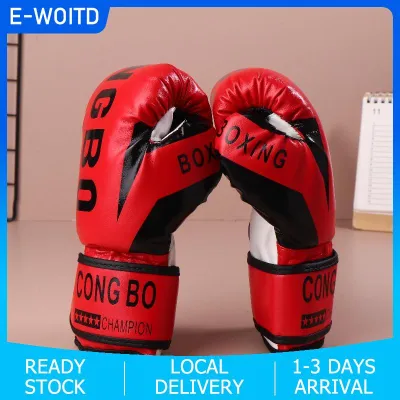
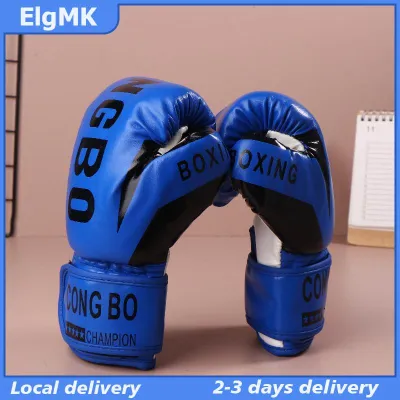

Prices are valid at publication and may change. Please refer to the product page for the latest price.
Choosing the Right Weight for Your Specific Training Activity
Your daily training routine is the primary factor in determining which glove weight to use. Different activities place unique demands on your hands and your equipment, making a single pair of gloves less than ideal for every scenario.

For hitting heavy bags, double-end bags, and focus mitts, lighter weights ranging from 10oz to 12oz are effective. These weights allow you to focus on proper punching technique, speed, and alignment while building shoulder endurance. The reduced padding provides immediate sensory feedback, helping you feel whether your knuckles are landing correctly on the target.
When training with a live partner, safety is the primary priority. Sparring requires heavier gloves, typically 14oz or 16oz, to ensure maximum cushioning. The thick padding protects your partner’s face and body from severe impact while shielding your own hands during defensive blocks. Many gyms in the Philippines enforce a strict 16oz rule for sparring to maintain a safe training environment.
Amateur and professional bouts use strictly regulated, lighter gloves, usually 8oz or 10oz, depending on the weight class and sanctioning body. These gloves are designed to maximize speed and impact, and they are only worn during official matches under supervision.
If you are new to the sport and want a single pair for a mixed routine of light bag work, partner drills, and basic conditioning, mid-weight gloves like 12oz or 14oz offer a practical compromise. They provide enough protection for light contact while remaining light enough to prevent premature shoulder fatigue during long workouts.
Adjusting Your Choice Based on Body Weight and Hand Size
While training type sets the baseline, your physical build determines the density of the padding you need. Heavier individuals naturally generate more kinetic energy and striking force, which requires thicker padding to prevent the foam from bottoming out upon impact.
A general guideline matches your body weight to the appropriate glove weight for everyday training. Individuals under 120 lbs (around 54 kg) often find 10oz or 12oz gloves comfortable. Those weighing between 120 and 150 lbs (54 to 68 kg) typically benefit from 12oz or 14oz options. If you weigh between 150 and 180 lbs (68 to 82 kg), a 14oz glove is standard, while anyone over 180 lbs (82 kg) should look at 16oz gloves to ensure adequate shock absorption.
Keep in mind that internal hand compartments vary significantly by manufacturer. A 14oz glove from one brand might feel tight, while the same weight from another brand might feel loose. Always consult the manufacturer’s specific sizing chart, which often uses hand circumference measured just below the knuckles to help you find a secure fit.
Verifying the Fit and Feel Before You Buy
Before finalizing your purchase, it is crucial to test how the gloves feel on your hands. A poorly fitting glove can slip, cause blisters, or fail to support your wrist during a heavy strike.
First, always try on boxing gloves while wearing the hand wraps you plan to use during training. Hand wraps add significant volume to your hands and are essential for structural wrist support. Trying on gloves bare-handed will result in a fit that is far too tight once you wrap your hands at the gym.
When you slide your wrapped hand into the glove, look for a snug, secure fit around the wrist. Your fingers should reach the end of the hand compartment comfortably without being forced to curl excessively. Your thumb should feel naturally positioned and protected from accidental hyperextension.
Finally, consider the closure system. Hook-and-loop (Velcro) closures are highly convenient for solo training, allowing you to put on and take off your gloves without assistance. Lace-up gloves offer a more customized, secure fit around the wrist but require a coach or training partner to tie them for you before every session.
Frequently Asked Questions (FAQ)
Can I use the same pair of gloves for both bag work and sparring?
It is highly discouraged to use a single pair of gloves for both heavy bag training and live sparring. Repetitive impact against a dense heavy bag compresses the internal foam padding over time, making it hard and less effective at absorbing shock. If you use these compressed gloves for sparring, you risk injuring your training partner. For safety, keep a dedicated, well-padded pair of 14oz or 16oz gloves exclusively for sparring, and use a separate pair for bag work.
Do I need to wear hand wraps inside my boxing gloves?
Yes, wearing hand wraps is an essential requirement every time you train. While boxing gloves provide external padding for impact, hand wraps secure the many small bones, tendons, and joints in your hand and wrist. They compress the hand into a solid unit, preventing bones from shifting or bending awkwardly upon impact. In the tropical climate of the Philippines, high humidity means your hands will sweat heavily during training; hand wraps are also crucial for absorbing this moisture before it ruins the glove’s inner lining.

Community discussion
Share your experience or ask a question. Comments are reviewed before publication.