
If you are searching for roller skate shoes for ₱100 in the Philippines, it is essential to manage your expectations immediately. At this ultra-low price point, you will not find brand-new, high-performance sports equipment designed for teenagers or adults. Instead, a ₱100 budget typically limits you to plastic toy skates for toddlers, heavily worn secondhand pairs with structural issues, or individual replacement parts like a couple of bearings or a single wheel.
Roller skating is an active, high-impact sport where your safety depends entirely on the integrity of your gear. Understanding what you can realistically acquire for ₱100, how to inspect low-cost equipment for safety hazards, and when it is wiser to save up for a proper pair will help you enjoy the sport without risking severe injury.
Realistic Expectations for a ₱100 Roller Skate Budget
To make an informed decision, you must first distinguish between true sports equipment and plastic toy skates. True sports skates are engineered to support human body weight, withstand friction, and roll smoothly over outdoor surfaces like concrete and asphalt. Toy skates, which dominate the ₱100 price tier on online marketplaces, are typically made of thin, molded plastic. They lack internal cushioning, metal reinforcement, and functional steering mechanisms, making them unsuitable for actual athletic use.
Products mentioned in this guide
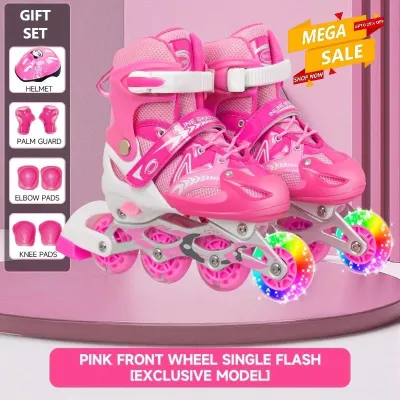
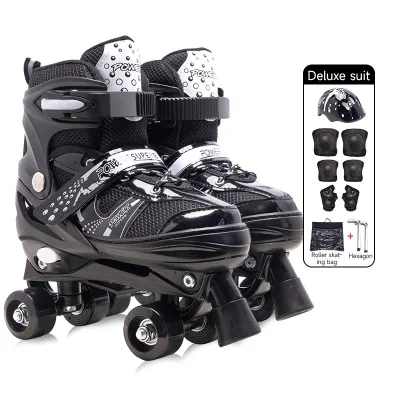
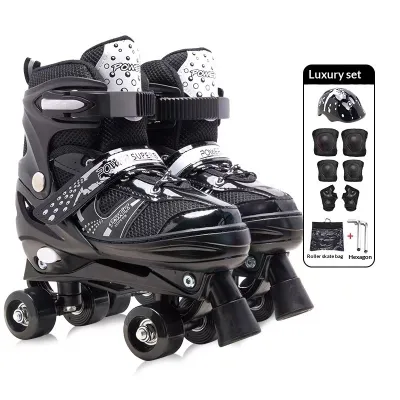
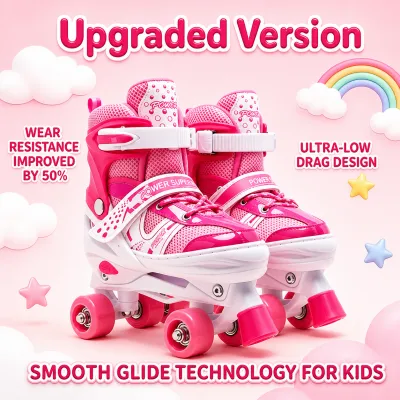
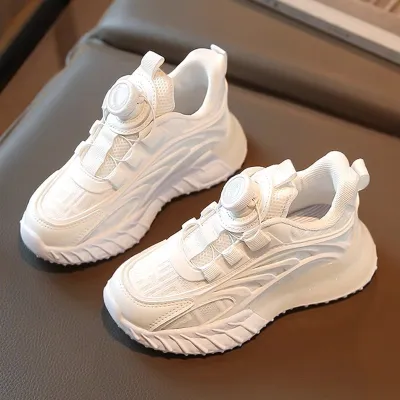
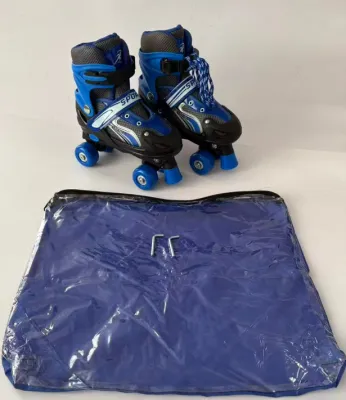
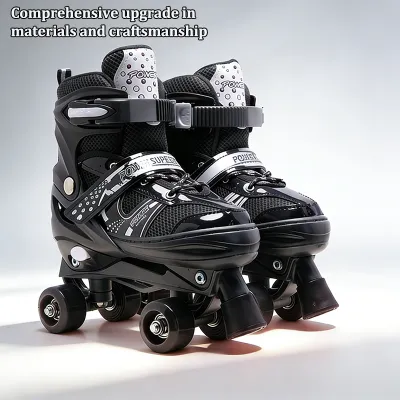
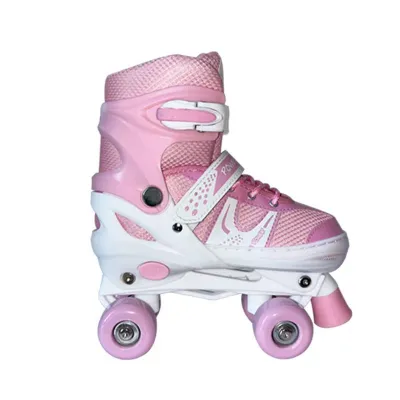
Prices are valid at publication and may change. Please refer to the product page for the latest price.
At this price point, any “new” item you find is almost certainly a toy skate designed for very young children, or a basic strap-on plastic frame that attaches to regular shoes. These strap-on models often feature high-friction plastic wheels that do not roll smoothly, which can frustrate beginners and cause frequent tripping. They are intended for light play on smooth indoor floors rather than active outdoor skating.
If you are looking for adult-sized or functional youth skates, your only realistic option at ₱100 is the secondhand market. You might occasionally spot a heavily used pair of quad or inline skates at a local garage sale, neighborhood decluttering sale, or a surplus shop. However, these items almost always come with significant wear, such as rusted hardware, dry-rotted boots, or flat-spotted wheels.
Alternatively, a ₱100 budget is highly realistic if you are looking for small replacement parts rather than a complete pair of skates. For this amount, you can often find a pack of basic steel bearings or a single budget-grade polyurethane wheel on clearance. This makes the budget highly practical for minor repairs, but not for purchasing a complete, rideable setup.
How to Inspect Secondhand and Toy Skates for Safety
Because roller skating carries inherent risks of falls, sprains, and fractures, equipment integrity is paramount. No budget saving is worth a severe injury, and cheap equipment cannot replace proper training and safety judgment. Before you attempt to skate on any ultra-budget or secondhand pair, you must perform a rigorous safety inspection.

First, conduct an ankle support check. Grab the cuff of the boot and squeeze it firmly. If the plastic or fabric collapses easily under light hand pressure, it will not support your ankle when your full body weight shifts during a turn. Weak ankle support leads to painful pronation, where your ankles roll inward, greatly increasing the risk of severe sprains and fractures.
Next, evaluate the strap and buckle integrity. Plastic buckles on ultra-cheap skates degrade quickly when exposed to tropical heat and humidity, becoming brittle and prone to snapping. Inspect all closures, laces, and velcro straps to ensure they lock tightly and do not slip under tension. If a buckle snaps while you are moving, you will instantly lose stability.
Spin each wheel individually to check the bearings and wheel material. The wheels should spin smoothly without grinding noises, resistance, or excessive side-to-side wobble. Feel the texture of the wheels; if they are hard, shiny plastic, they will slide dangerously on smooth concrete or tiles. Look for polyurethane wheels, which offer the necessary grip and shock absorption for outdoor surfaces.
Do not ride on skates that exhibit any of the following critical stop conditions. Immediately discard or avoid skates with visible cracks in the frame or chassis, severely rusted axles that cannot be tightened, loose or stripped trucks on quad skates, or missing brake stoppers. Riding on skates with these defects can lead to sudden mechanical failure while you are in motion.
Where to Hunt for Secondhand Deals and Clearance Items
Finding a functional pair of skates close to a ₱100 price point requires patience and strategic searching. Physical locations like local garage sales, neighborhood yard sales, and ukay-ukay surplus shops are your best options. These venues allow you to inspect the skates in person, test the wheels, and verify the boot stiffness before handing over your money.
Online community groups and local buy-and-sell pages are also excellent resources. Skaters who are upgrading their gear or parents whose children have outgrown their skates often list older pairs for nominal prices just to clear out storage space. When browsing these groups, look for listings described as “decluttering” or “as-is” to find the deepest discounts.
When communicating with online sellers, do not rely solely on low-resolution cover photos. Request clear, close-up images of the chassis underside, the wear pattern on the wheels, the state of the inner lining, and the buckles. Ask the seller directly if the wheels spin freely and if there are any hairline cracks in the frame. Honest sellers will usually disclose these details if asked directly.
Always factor in hidden costs when shopping online. In the Philippines, shipping bulky, heavy items like roller skates across provinces or even within metropolitan areas can easily cost ₱80 to ₱200 or more. If your budget is strictly ₱100, a shipping fee can instantly double or triple your total cost. To keep your expenses within budget, prioritize local face-to-face meetups in safe, public spaces.
When to Save Up: Recognizing the Limits of Ultra-Budget Gear
If your search only yields fragile toy skates or severely damaged secondhand pairs, you must use a clear decision framework to determine if you should postpone your purchase. Ask yourself where you plan to skate. If you intend to skate outdoors on rough public roads, basketball courts, or park paths, a ₱100 toy skate is highly likely to break, potentially leading to injuries and medical expenses that far exceed the cost of proper gear.
Consider the lifespan of the product. A cheap plastic toy skate might last only a few sessions before the wheels wear down completely or the plastic frame cracks under pressure. In contrast, a certified entry-level recreational skate is built with durable materials designed to withstand friction, impact, and outdoor conditions over several years, making it a much more economical investment over time.
Instead of rushing to buy a ₱100 pair, consider setting a realistic savings target. A reliable, entry-level recreational skate from a recognized sports brand, along with essential protective gear like a certified helmet, knee pads, elbow pads, and wrist guards, typically requires a budget in the low thousands of pesos. Saving up for this complete set ensures you can learn the sport safely and comfortably.
While you are building your equipment budget, you can still participate in the skating community. Look for local roller rinks that offer affordable skate rentals by the hour, which allows you to practice with decent equipment without the upfront purchase cost. You can also focus on off-skate balance and strength exercises to prepare your body for the sport once you acquire your own reliable pair.
Frequently Asked Questions (FAQ)
Can I buy just the wheels or bearings for ₱100?
Yes, a ₱100 budget is often much better spent on small replacement parts rather than a complete skate. You can sometimes find individual generic polyurethane wheels or a small pack of standard steel bearings on clearance from local skate shops or online sellers. This is an excellent way to upgrade or repair an existing pair of skates without spending a fortune.
Before purchasing any replacement parts, always verify compatibility with your current setup. Check your existing skate’s axle diameter, the wheel diameter in millimeters, and the hub size to ensure the new parts will fit securely. Installing incompatible parts can cause the wheels to lock up or wobble dangerously during use.
Are toy roller skates safe for beginners?
Generally, toy roller skates are not safe for learning proper skating techniques. They lack the rigid ankle support needed to keep your feet upright, have poor weight distribution that can cause you to fall backward, and often feature unreliable plastic brakes that slide instead of stopping. These design limitations make it difficult to build confidence or learn basic maneuvers.
If you must use toy skates, restrict their use strictly to flat, smooth, indoor surfaces free of obstacles and traffic. Never use them on steep hills, rough roads, or wet surfaces. Always wear a full set of protective gear, including a helmet, knee pads, and wrist guards, even during indoor play to minimize the risk of injury.

Community discussion
Share your experience or ask a question. Comments are reviewed before publication.