
Determining the maximum size of a foldable electric treadmill for your condo unit requires a careful balance between your available floor space, structural limits, and the machine’s operational footprint. There is no single universal size that fits every home gym setup. Instead, the ideal machine must match your specific room layout, doorway clearances, and the physical space required to safely operate and store the equipment. By systematically measuring your space and comparing it to manufacturer specifications, you can find a model that provides a satisfying workout without overcrowding your living area.
Measure Your Condo Space and Safety Clearances
Before browsing online marketplaces or visiting fitness showrooms, you must establish the physical boundaries of your workout area. Start by measuring the length and width of the dedicated floor space where you plan to place the treadmill. Do not forget to measure the ceiling height as well. When you run, your body rises several inches above the treadmill deck, and if the machine features an incline function, this height increases further. Ensure there is ample clearance between the top of your head at maximum incline and the ceiling to avoid accidental injury.
Equally important is the path the treadmill must take to reach your unit. Measure the width and height of your condo’s doorways, hallways, elevator doors, and any tight corners in the stairwells. Many buyers overlook these entry points, only to find that the boxed or pre-assembled treadmill cannot clear the service elevator or fit through the front door. Checking these dimensions beforehand prevents delivery headaches and potential return fees.
Products mentioned in this guide
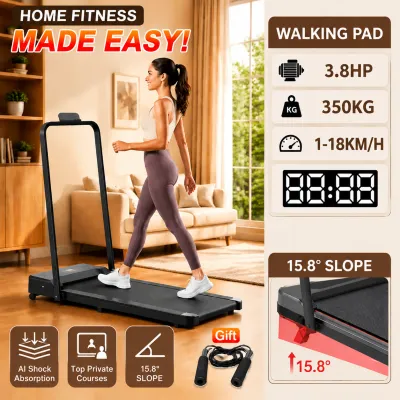
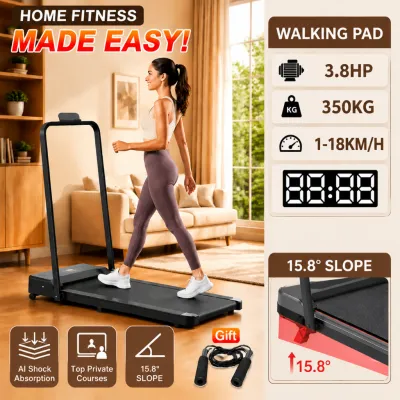
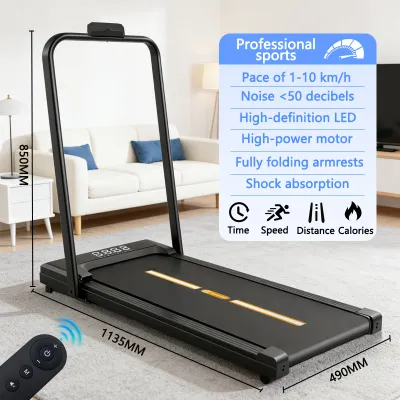
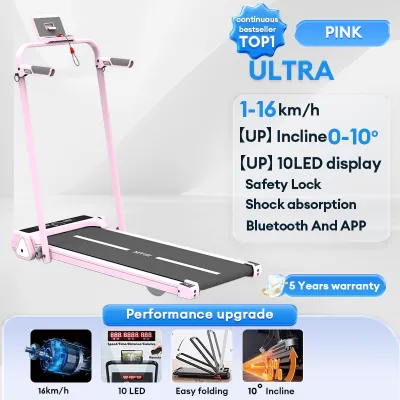
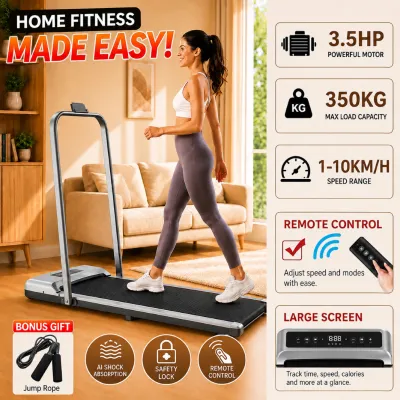
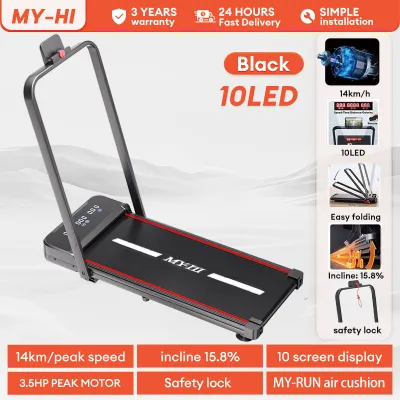
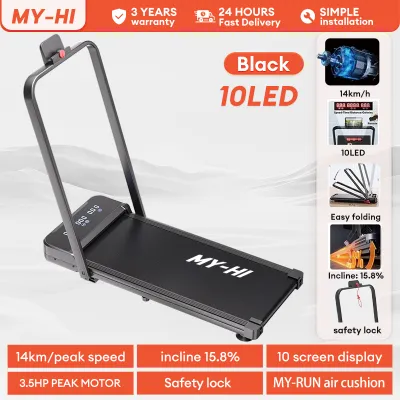
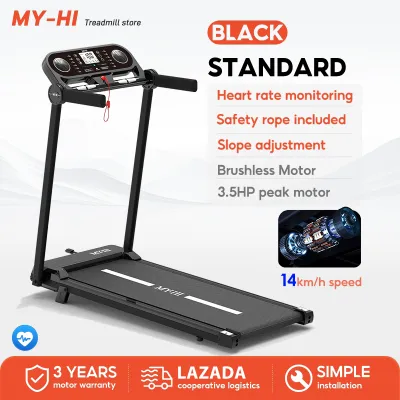
Prices are valid at publication and may change. Please refer to the product page for the latest price.
Safety clearances are non-negotiable when operating motorized fitness equipment in a confined space. Manufacturers typically specify a minimum safety zone of at least two meters of clear, unobstructed space behind the running belt. This open area is critical in case you lose your balance or slip, preventing you from being trapped or thrown against a wall. Additionally, maintain at least half a meter of clearance on both sides of the treadmill to allow for easy mounting, dismounting, and emergency exit.
Decode Treadmill Dimensions and Folded Footprints
Understanding treadmill specifications requires distinguishing between the running surface and the overall frame dimensions. The belt size, or running area, refers only to the moving belt where your feet land. A wider and longer belt provides a more comfortable stride, especially for taller users or those who plan to run at high speeds. However, the total frame dimensions—which include the motor cover, side rails, and console—will always be significantly larger than the belt itself. Always use the total frame dimensions, not the belt size, when planning your room layout.

Folding mechanisms vary widely and directly impact how much space the machine occupies when not in use. Some models feature a traditional manual fold where the deck locks upright at an angle, which reduces the floor footprint but increases the vertical height. Others utilize a hydraulic soft-drop system that assists in lowering the deck safely to the floor with minimal physical effort. For ultra-tight spaces, flat-folding designs allow the console and handrails to fold completely flat against the deck, enabling you to slide the unit under a bed or sofa.
Before choosing a folding style, verify the exact folded dimensions against your intended storage spot. If you plan to store the treadmill in a closet, measure the closet’s interior depth and height. If you intend to store it flat under a bed, measure the clearance between the floor and the bed frame. Keep in mind that moving a heavy treadmill to and from storage for every workout can become a chore, so select a mechanism that you can easily manage on a daily basis.
Verify Weight Limits and Condo Floor Constraints
The structural integrity of your condo floor is a vital consideration when introducing heavy gym equipment. Begin by checking the treadmill’s net weight and its maximum user weight capacity, which are typically listed on the product label or the manufacturer’s specification sheet. The combined weight of the machine and the user represents the total load that will be concentrated on a relatively small area of your floor.
While modern concrete high-rise buildings are designed to support substantial loads, it is always wise to consult your condo administration or review the building manual for specific floor load-bearing limits. This is particularly important in older buildings or loft-style units with wooden joists. Knowing these limits beforehand ensures you do not exceed the structural capacity of your home, maintaining safety for both your household and the neighbors below.
To protect your flooring and distribute the weight more evenly, plan to place a high-density equipment mat beneath the treadmill. Treadmills can exert intense, concentrated pressure on flooring materials like vinyl, laminate, or hardwood, leading to permanent indentations or scratches. A thick, durable mat cushions the contact points, absorbs impact forces, and prevents the machine from shifting or sliding during intense workouts.
Plan for Noise, Heat, and Power Requirements
Operating an electric motor in a shared residential building introduces environmental factors that extend beyond simple physical dimensions. Motorized treadmills generate heat during operation, and the motor housing requires adequate ventilation to prevent overheating. Ensure there is sufficient clearance around the front of the treadmill, where the motor is located, to allow air to circulate freely. This is especially crucial in tropical climates where ambient indoor temperatures can already be warm.
Noise and vibration are common sources of friction between condo residents. The sound of the motor combined with the impact of your feet striking the deck can easily transmit through concrete floors and shared walls. To minimize disturbance to your downstairs and adjacent neighbors, position the treadmill away from shared bedroom walls. Using a high-quality vibration-dampening mat and scheduling your workouts during reasonable daytime hours can help maintain good neighborly relations.
Electrical safety is another critical factor when planning your setup. Electric treadmills draw a significant amount of power and should be plugged directly into a dedicated, grounded wall outlet. Avoid using long, lightweight extension cords or multi-outlet adapters, as these can cause voltage drops, overheat, and pose a serious fire hazard. Ensure your chosen workout spot has a suitable outlet within reach of the treadmill’s original power cord.
Build Your Space-Matched Treadmill Shortlist
With your measurements and constraints in hand, you can now build a practical decision framework to select the right model. If your space is severely limited and your primary goal is low-impact exercise, an ultra-compact walking pad may be the most suitable choice. These units are lightweight, fold flat, and can easily be tucked away under furniture, making them ideal for small studio apartments.
If you require a machine for running or high-intensity interval training, a standard foldable electric treadmill with a robust frame and a larger motor is necessary. These machines require a dedicated workout corner where they can remain assembled, even if folded upright between sessions. Cross-reference your maximum allowable dimensions—including safety clearances—with the manufacturer’s spec sheets to narrow down your options to models that fit comfortably within your designated zone.
Never compromise on safety or structural limits to force a larger machine into a small space. If you have doubts about your condo’s floor load capacity, electrical wiring, or the safety clearances in your room, stop and consult your building management or a qualified professional. Taking the time to verify these details ensures that your new home gym addition is safe, functional, and enjoyable for years to come.
Frequently Asked Questions (FAQ)
Can I put a foldable treadmill on a condo balcony?
Placing a foldable electric treadmill on an outdoor or semi-outdoor balcony is generally not recommended. The high humidity, salt air, rain, and direct sunlight typical of tropical environments can quickly damage sensitive electronic consoles, rust the steel frame, and degrade the running belt. These environmental factors can also void the manufacturer’s warranty. Additionally, you must check your condo association’s rules, as many buildings prohibit placing heavy equipment on balconies due to structural weight limits and aesthetic guidelines.
Do I need a special mat for a condo treadmill?
Yes, using a specialized high-density equipment mat is highly recommended for any condo treadmill setup. A quality mat serves multiple purposes: it dampens the vibrations caused by your footstrikes, preventing noise from traveling through the floor to the unit below, and it protects your flooring from scratches, indentations, and sweat. When planning your space, remember that the mat itself will have a slightly larger footprint than the treadmill, so include its dimensions in your initial floor space calculations.

Community discussion
Share your experience or ask a question. Comments are reviewed before publication.