
Fitting a manual walking pad into a small Philippine condo unit requires balancing your fitness goals with the realities of limited floor space. A typical compact manual walking pad has a physical footprint of approximately 120 to 140 centimeters in length and 50 to 60 centimeters in width. However, the actual space you must allocate is larger than the machine itself to ensure safe operation, easy storage, and a layout that does not block vital walkways. By understanding how to measure your room and evaluate equipment dimensions, you can maintain an active lifestyle without cluttering your living area.
Measuring Your Condo Space for a Manual Walking Pad
Before browsing online marketplaces, grab a tape measure to assess your dedicated workout zone. Measure the length and width of the exact floor area where you plan to use the equipment. Be sure to account for baseboards, wall outlets, and nearby furniture like TV consoles, dining tables, or sofas. In tight condo layouts, even a two-centimeter discrepancy caused by a protruding baseboard can prevent a walking pad from fitting flat against a wall or sliding under a piece of furniture.
Clearance around the machine is critical for your safety and comfort. Standard safety guidelines suggest leaving at least 50 to 60 centimeters of clear space on both sides of the walking pad and at least one meter of clear space behind it. This open area allows you to mount and dismount safely and prevents you from colliding with walls or furniture if you lose your balance. It also ensures your arms can swing naturally during your workout without striking nearby shelves or home decor.
Products mentioned in this guide
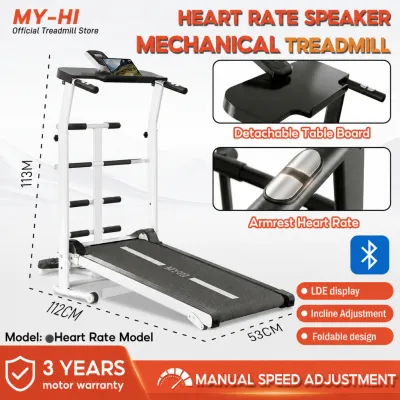
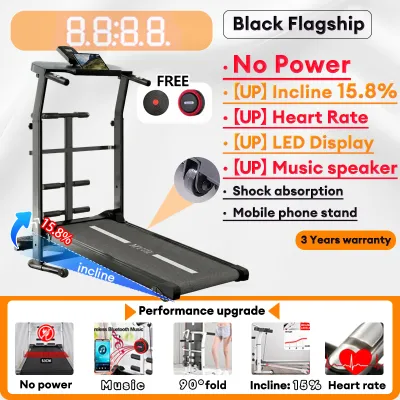
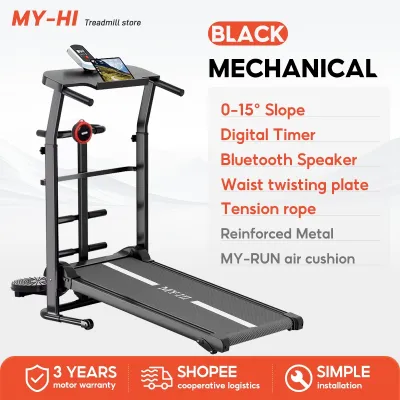
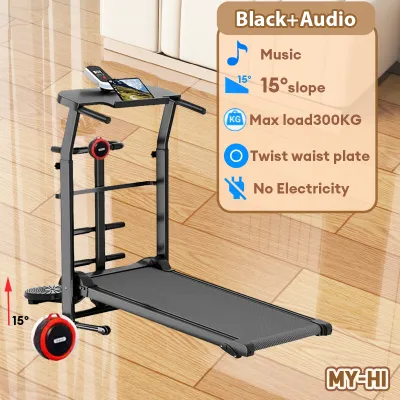
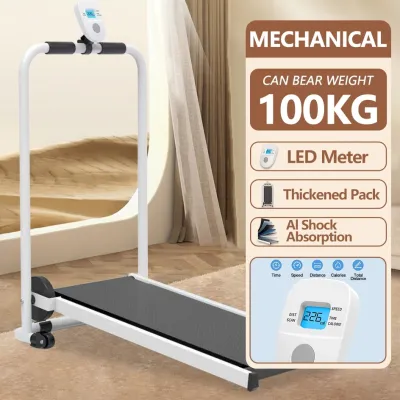
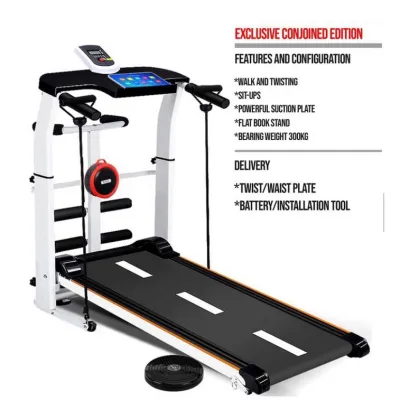
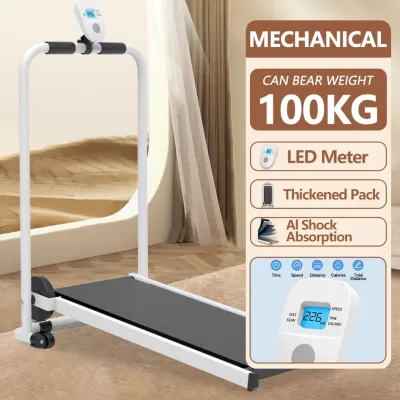
Prices are valid at publication and may change. Please refer to the product page for the latest price.
Do not forget to map out the delivery and transit path within your condo building. Measure the dimensions of the building’s elevator doors, narrow hallways, and your unit’s main entryway. A packaged manual walking pad can be bulky and difficult to maneuver around tight corners. Ensuring the box can clear these entry points prevents delivery day headaches and potential damage to your walls or the equipment.
Finally, assess your flooring type and structural stability. Most modern condos in the Philippines feature laminate wood, vinyl planks, or ceramic tiles. Manual walking pads require a completely flat, stable surface to operate smoothly without rocking or sliding. High humidity in tropical climates can also make floors slippery or cause moisture buildup under heavy equipment, so planning for a protective, non-slip mat is essential to safeguard both your floor and your safety.
Understanding Manual Walking Pad Dimensions and Footprint
To choose the right equipment, you must differentiate between the running belt area and the outer frame dimensions. The running belt is the actual usable surface where your feet land, which typically measures around 100 centimeters long by 40 centimeters wide on compact models. However, the outer frame, which houses the side rails, front rollers, and flywheels, will always be larger. Always check the total outer dimensions in the product specifications rather than relying solely on the advertised belt size.

Manual walking pads differ structurally from motorized versions because they rely entirely on your physical movement to turn the belt. This design often requires dual flywheels, a fixed incline, or a slightly curved frame to help initiate and maintain momentum. These mechanical components can add to the overall height and front-end bulk of the machine. While they lack a heavy electric motor, the flywheels and steel frame still contribute significant weight, making them feel solid but slightly more awkward to lift.
Examine the handlebar and console design carefully before making a decision. Some manual walking pads feature foldable handlebars, while others have fixed upright frames with resistance dials or digital monitors. If the handlebars do not fold completely flat, they will drastically increase the vertical storage profile of the machine. Check the manufacturer’s specifications for the folded height to ensure it can slide under your bed or fit inside a utility closet.
You must also account for your operational footprint, which is the space you occupy while actively exercising. When you walk, your body moves dynamically; your stride length increases as your pace quickens, and your upper body shifts slightly forward. A manual walking pad requires you to push the belt backward with your feet, which can naturally cause you to walk slightly higher up on the deck. Ensure the belt length accommodates your full stride without forcing you to walk too close to the front frame.
Space-Matching Strategies and Layout Options
Optimizing your condo layout involves placing the walking pad in multi-purpose zones that do not disrupt daily traffic. Positioning the machine under a standing desk is an excellent way to stay active during remote work hours. Alternatively, facing the walking pad toward a window or balcony door can make your workouts feel less confined, while placing it in the living room allows you to watch television or listen to music during your exercise sessions.
Prioritize vertical or low-profile storage solutions if your floor space is exceptionally limited. Many manual walking pads are designed for vertical storage and feature built-in transport wheels, allowing you to stand them upright against a wall or behind a door when not in use. If you prefer to hide the equipment completely, verify that your bed frame or sofa has enough clearance—typically at least 15 to 20 centimeters—to allow the folded machine to slide underneath easily.
Plan for accessory placement and monitor visibility to ensure a comfortable workout experience. If your manual walking pad features a digital console that tracks time, speed, and distance, ensure it is positioned where you can read it clearly without straining your neck. Keep any manual resistance adjustment dials within easy reach. If you plan to use a tablet or phone for entertainment, choose a model with a built-in device holder or position the pad near a stable shelf.
Establishing a quick setup and teardown routine is essential to maintaining a clutter-free living environment. In a small condo, leaving fitness equipment out permanently can quickly make the space feel cramped and disorganized. Choose a walking pad that is light enough for you to move independently. Developing a simple, two-minute routine to roll out the pad, lock the handlebars, and store it away after your session ensures your living area remains clean and functional.
Common Sizing Mistakes to Avoid in Small Spaces
One of the most frequent errors is confusing the belt size with the total machine footprint. Buyers often measure their floor space based on the belt dimensions, only to find the outer frame blocks a doorway or hits a piece of furniture. Always use the maximum outer dimensions provided by the manufacturer for your spatial planning.
Do not overlook vertical clearance when calculating your space requirements. While walking pads are low to the ground, you must add your own height to the deck height of the machine. In condos with low ceilings or low-hanging light fixtures and ceiling fans, this can create a safety hazard. Ensure there is ample overhead clearance so you can walk upright without any risk of head injury.
Avoid purchasing excessively heavy or non-folding models if you live alone or have limited strength. A manual walking pad that is too heavy to move easily will likely end up permanently taking up valuable floor space, defeating the purpose of a compact home gym. Look for models with built-in transport wheels and assisted folding mechanisms.
Finally, do not compromise on belt length just to save a few centimeters of space. If the belt is too short for your natural stride, you will constantly worry about stepping off the edge, which ruins the quality of your workout and increases the risk of falls. Test your comfortable stride length on the floor before selecting a model to ensure a safe and comfortable exercise experience.
Frequently Asked Questions (FAQ)
Can I use a manual walking pad on a carpeted condo floor?
Using a manual walking pad directly on carpet is generally not recommended. The fibers of the carpet can create additional friction against the moving belt, causing premature wear on the machine’s underside. Additionally, the weight of the machine and your body can cause the walking pad to sink unevenly, compromising its stability. To protect your carpet and ensure a level, safe workout surface, always place a high-density equipment mat underneath the walking pad.
Do manual walking pads require extra space for a safety tether?
Unlike motorized treadmills that feature an emergency stop key attached to a cord, manual walking pads stop moving as soon as you stop walking. However, some models may include magnetic resistance tethers or safety handles that require a small amount of operational clearance. It is best to keep a clear radius of at least 50 centimeters around the entire machine, free of loose items, power cords, or decorative objects, to prevent any tripping hazards or interference during your workout.

Community discussion
Share your experience or ask a question. Comments are reviewed before publication.