
Finding the right tackle box size is not about buying the largest container available; it is about matching the physical footprint of your fishing rods, reels, and lures to a storage system that fits your mobility needs. If you choose a box that is too small, you risk tangled lines, crushed lures, and damaged reel handles. Conversely, an oversized box becomes a heavy, cumbersome burden that slows you down when walking along riverbanks or boarding a small boat. The ideal setup keeps your essential gear organized, protected from tropical humidity, and easy to access at a moment’s notice.
To determine the perfect size, you must evaluate your current gear collection, plan for future additions, and consider how you travel to your favorite fishing spots. Whether you are casting from a kayak, wading through coastal waters, or packing a vehicle for a weekend trip, your tackle storage should streamline your experience rather than complicate it. By breaking down your inventory and understanding how different box layouts accommodate specific gear, you can select a storage solution that keeps your equipment in peak condition.
Assess Your Gear Inventory and Future Needs
Before browsing online marketplaces or local outdoor shops, lay out all your fishing gear on a flat surface to conduct a thorough inventory. Start by counting your fishing rods and measuring their transport lengths. If you use multi-piece travel rods or telescopic models, they can easily fit inside a backpack or alongside a compact tackle bag. However, if you primarily fish with long, single-piece rods, you must verify whether your tackle box needs external rod holders or attachment straps so you can carry your entire setup with one hand.
Products mentioned in this guide
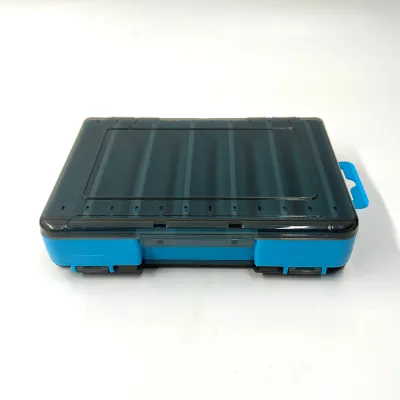
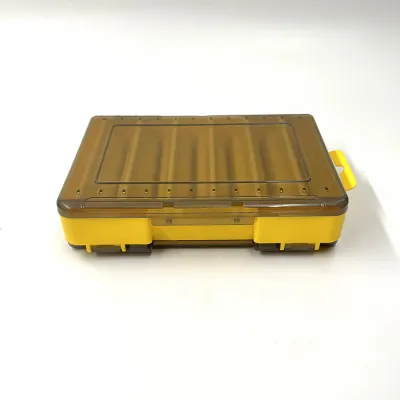
![Double Sided Fishing Tackle Box 12 14 Compartments Bait Lure Hook Storage Box [Hot]](https://img.lazcdn.com/g/p/1b4af923b81825b181ceab95a55e94c4.jpg_400x400q80.jpg_.webp)

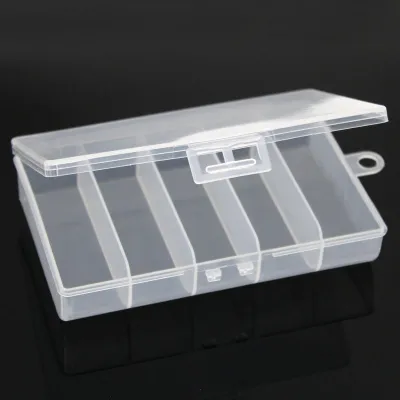
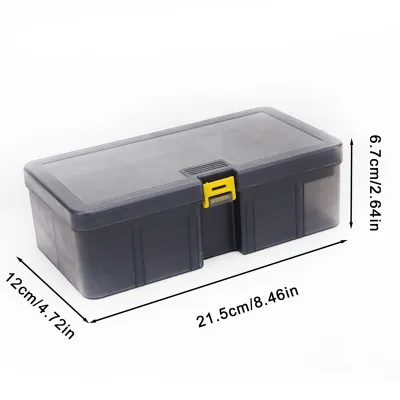
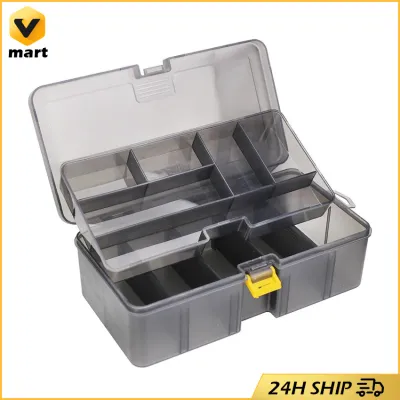
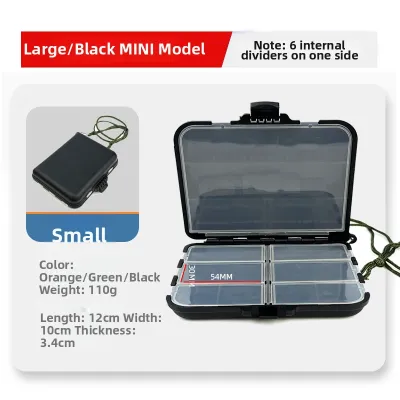
Prices are valid at publication and may change. Please refer to the product page for the latest price.
Next, examine your reels. Reels are highly susceptible to impact damage and scratch easily when left loose. Note the physical dimensions of your spinning or baitcasting reels, especially the handles and bail wires. If you plan to store your reels inside your main tackle box rather than keeping them mounted on your rods, you will need deep, padded compartments or dedicated protective cases to prevent them from knocking against heavy sinkers and metal lures.
Now, categorize your lures and terminal tackle. Group your hard baits, such as minnows, crankbaits, and poppers, separately from your soft plastic worms, frogs, and jigs. Hard baits require rigid, divided compartments to keep their treble hooks from tangling, while soft plastics are best kept in their original resealable bags or flat binder systems to prevent them from melting together in tropical heat. Count your sinkers, swivels, hooks, and leader spools, as these heavy items require small, secure compartments near the bottom of the box to maintain stability.
Finally, always factor in a 20% to 30% buffer space for future growth. A common mistake is buying a tackle box that perfectly fits your current gear, only to run out of room after purchasing a few new lures or a spare spool of line. Allowing for this extra capacity ensures you will not have to upgrade your entire storage system next season, and it gives you room to rotate seasonal tackle depending on whether you are targeting freshwater species or saltwater game.
Match Box Layouts to Rods, Reels, and Lures
The internal configuration of your tackle box must directly correspond to the shapes and sizes of your gear. For rods, storage is less about placing the rod inside the box and more about how the box assists in transporting it. If you frequently walk long distances to reach your fishing spot, look for tackle backpacks or hard cases equipped with external rod tubes or heavy-duty hook-and-loop straps. These features secure your rods vertically or horizontally, keeping your hands free to navigate rough terrain or slippery banks.

When it comes to protecting your reels, depth and padding are critical. Standard utility trays are usually too shallow to house a spinning reel without bending the bail wire or forcing the handle into an awkward position. If you prefer to store reels and tackle together, select a deep-well tackle trunk or a soft-sided tackle bag with a customizable main compartment. Verify that the interior walls feature thick foam padding or adjustable, fabric-lined dividers that cushion your reels against sudden drops and minimize exposure to salty air, which can accelerate corrosion.
Lures and terminal tackle require a highly organized, modular approach. Hard baits with multiple treble hooks should be stored in trays with wide, adjustable dividers. This allows you to customize the length of each slot to match the exact size of your lures, preventing them from shifting and tangling during transit. For soft plastics, look for boxes that include flat binder sleeves or dedicated zippered pockets. Storing soft plastics in a compressed, overheated tray can ruin their shape and cause their chemical scents to bleed onto other gear.
Additionally, pay close attention to the vertical clearance of your trays. Tall items, such as large topwater frogs, deep-diving crankbaits, or bulk spools of monofilament leader, require deeper individual compartments. If a tray is too shallow, forcing the lid closed can pinch your soft baits, bend hook points, or crack the plastic bodies of your hard lures. Always check the height specifications of the internal trays before making a decision.
Select the Right Box Format for Your Fishing Style
Your physical fishing environment dictates the best external form factor and overall size of your tackle box. If you prefer bank fishing, wading in rivers, or exploring coastal flats, mobility is your top priority. In these scenarios, a massive, heavy tackle box is highly impractical. Instead, opt for compact, lightweight formats such as hip boxes, sling packs, or small shoulder bags. These wearable options restrict your overall storage capacity to the essentials, reducing shoulder fatigue and allowing you to cast comfortably while keeping your lures within arm’s reach.
For boat and kayak anglers, deck space is at a premium, but weight is less of an issue. If you fish from a kayak, look for specialized crate systems or low-profile utility boxes that slide easily under your seat or fit securely in the rear cargo well. Boat anglers can utilize large, multi-tiered hard trunks or soft-sided tackle stations that house multiple removable utility trays. These larger formats maximize vertical storage space, keeping your deck clear of clutter and ensuring you have a wide variety of rigs available for changing water conditions.
If your fishing trips involve long road trips or air travel, focus on vehicle-friendly storage that emphasizes durability and security. Heavy-duty utility cases with reinforced hinges, thick latches, and rubber waterproof seals are ideal for long transit. These boxes can be stacked in a car trunk or truck bed under heavy camping gear without cracking. A reliable waterproof seal is especially important in tropical climates, as it prevents sudden rain showers or high humidity from seeping into the box and rusting your expensive hooks and terminal tackle.
Common Sizing and Storage Mistakes to Avoid
One of the most frequent mistakes anglers make is purchasing a tackle box with fixed, non-removable dividers. While these boxes are often budget-friendly, they severely limit your organization. A fixed layout cannot accommodate oversized lures, long wire rigs, or bulky tools like pliers and fish grippers. Always look for boxes that feature customizable, slide-in dividers, which allow you to adapt the interior layout as your gear collection evolves.
Another common error is ignoring the external dimensions of the tackle box relative to your existing transport gear. Before buying, measure the storage compartments of your fishing backpack, the hatch of your kayak, or the trunk space of your vehicle. A tackle box that is even a centimeter too wide can become incredibly frustrating to pack, forcing you to carry it separately rather than slipping it neatly into a dedicated pocket or storage bay.
Many beginners also fall into the trap of consolidating all their gear into one massive, heavy trunk. While having all your rods, reels, and lures in one place seems convenient, it makes the box incredibly heavy and difficult to carry over long distances. It also makes finding specific rigs highly inefficient. A modular approach—using several smaller, specialized utility boxes inside a larger carrying bag—is often much more practical and easier on your back, saving your hard-earned ₱ on gear that doesn’t fit your actual fishing style.
Finally, never overlook the quality of the materials and latches. Cheap, thin plastics tend to warp under the weight of heavy lead sinkers and metal jigs, especially when exposed to direct sunlight on hot days. If the lid warps, the latches may fail to close securely, risking a catastrophic spill of all your gear. Inspect the hinges and latches to ensure they are thick, secure, and made from corrosion-resistant materials.
Frequently Asked Questions (FAQ)
Can I use a regular toolbox instead of a dedicated tackle box?
Yes, you can use a standard hardware toolbox, but it comes with significant trade-offs. Toolboxes generally lack the fine, adjustable dividers needed to keep small hooks, swivels, and lures from mixing together. They are also rarely designed with corrosion-resistant materials or waterproof seals, meaning trapped moisture can quickly rust your gear. If you use a toolbox, you will likely need to purchase separate small organizer trays to place inside it to keep your tackle organized and dry.
How do I prevent my lures from tangling in a large tackle box?
To prevent tangles, use adjustable dividers to isolate each hard lure in its own compartment, ensuring treble hooks cannot hook onto neighboring baits. For soft plastics, keep them in their original packaging or use specialized binder bags rather than loose trays. You can also use hook safety caps, which snap directly over treble hooks to keep them shielded. Grouping similar lure types into smaller, independent utility boxes rather than letting them loose in a large open tray will also dramatically reduce tangles.
Should I buy one large tackle box or several smaller ones?
A modular system of several smaller utility boxes is generally superior to a single large tackle box. Smaller boxes allow you to categorize your gear by species, technique, or water type—such as keeping your freshwater lures separate from your saltwater jigs. When you go fishing, you can simply grab the specific small boxes you need for that day and leave the rest at home, keeping your load light and highly organized.

Community discussion
Share your experience or ask a question. Comments are reviewed before publication.