
Finding the right treadmill exercise machine for a condominium unit in the Philippines requires balancing your fitness goals with the realities of high-rise living. While a commercial-grade treadmill might seem appealing, its massive footprint and power demands can quickly overwhelm a typical studio or one-bedroom layout. To determine what size will fit, you must look beyond the machine’s static dimensions and calculate the total operational clearance, structural load, and pathway access from the delivery truck to your living room.
A successful setup ensures that your workout space remains safe and functional without turning your home into an obstacle course. By analyzing your specific floor plan, ceiling height, and the physical limits of your building’s elevators and doorways, you can select a machine that supports your routine while preserving your condo’s livability.
Measure Your Available Space and Clearances
Before browsing online marketplaces or visiting fitness showrooms, you must map out the exact zone where the treadmill will sit. Use masking tape to outline the potential footprint on your floor; this visual aid helps you comprehend how much physical space the machine will occupy during daily life. However, the physical dimensions of the treadmill frame represent only a fraction of the space you actually need.
Products mentioned in this guide
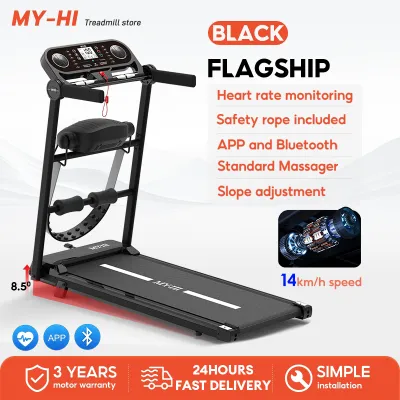
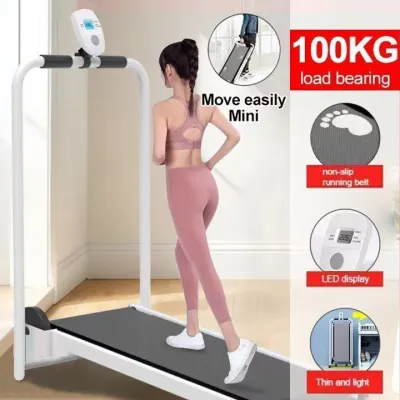
![[COD] Foldable Manual Home Treadmill with Adjustable Slope LED Display Anti-Slip Running Belt Free Twist Disc & Resistance Rope Space Saving Walking Machine for Home Fitness Exercise](https://img.lazcdn.com/g/p/1446617c7dcf63717d1a1640b68a647e.jpg_400x400q80.jpg_.webp)
Prices are valid at publication and may change. Please refer to the product page for the latest price.
Operational clearance is the most critical safety factor when installing a treadmill exercise machine. You must maintain an unobstructed safety zone behind the treadmill—ideally at least two meters of clear space—to prevent severe injury if you slip or fall off the moving belt. Side clearances of at least half a meter on both sides are also necessary to allow you to mount and dismount the machine safely and to provide access to the power switch.
Do not overlook the journey the machine must take to reach your unit. Measure the height, width, and depth of your building’s service elevator, as well as the width of your condo’s front door and any tight hallway corners. Many delivery attempts fail because a fully boxed treadmill cannot clear the elevator ceiling or turn the corner in a narrow residential corridor. Always check the manufacturer’s manual for the boxed shipping dimensions alongside the assembled product dimensions to verify transport compatibility.
Understand Treadmill Dimensions and Running Area
When evaluating a treadmill exercise machine, you must distinguish between the overall machine dimensions and the usable running surface, often referred to as the belt or deck size. The frame, motor cover, console, and handrails add significant length and width to the actual walking or running area. A treadmill with a spacious running belt will naturally require a much larger overall footprint.

The size of the motor and the structural frame directly influence the machine’s physical footprint. Heavy-duty motors designed for high-speed running require larger housings, which extends the front of the machine. If you choose a highly compact frame to save space, be aware that this design choice often limits the length of the running belt, which can restrict your stride.
To find the right balance, match your height and intended activity to the manufacturer’s belt specifications. Walking generally requires a shorter belt, while running demands a longer deck to accommodate your natural stride expansion at higher speeds. Taller users should verify that the belt length is sufficient to prevent them from accidentally stepping onto the motor cover or slipping off the rear roller during a workout.
Evaluate Space-Saving Treadmill Designs
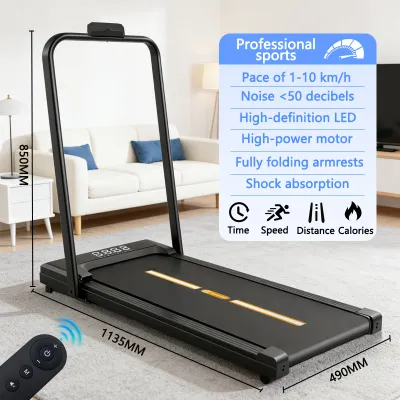
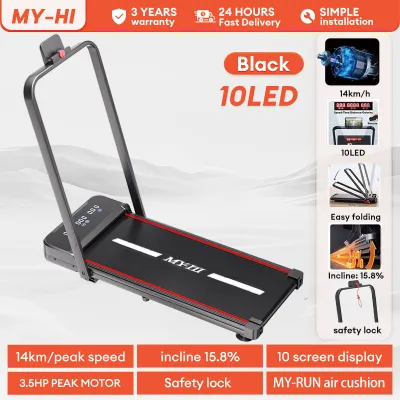
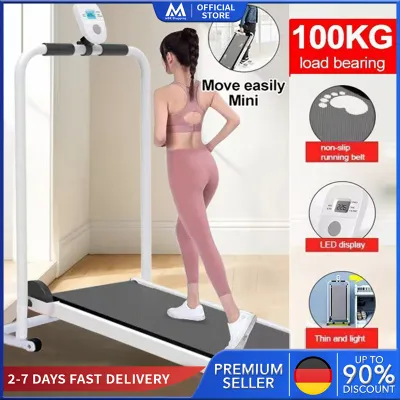
For condo dwellers, space-saving designs are often the most practical choice to keep a living area functional. Folding treadmills allow you to lift the deck vertically when the machine is not in use, reclaiming valuable floor space. When shopping for a folding model, verify both the unfolded and folded dimensions, and check that the folding mechanism features a soft-drop hydraulic system that you can easily manage without straining your back.
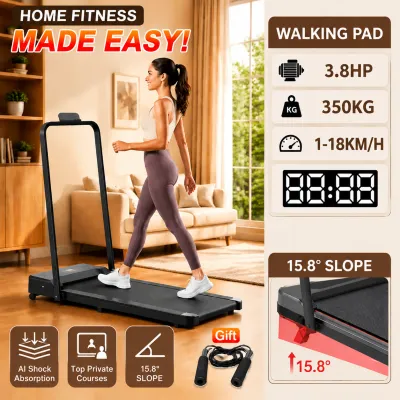
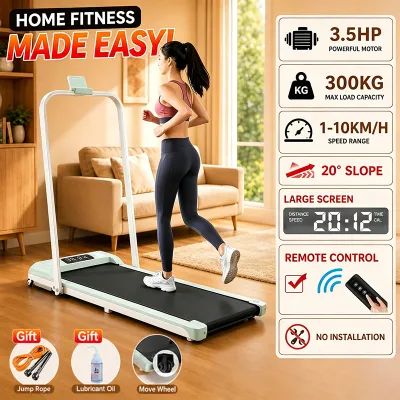
Under-desk treadmills and walking pads offer an ultra-compact alternative for those focused on low-intensity exercise. These flat, lightweight machines can easily slide under a bed or sofa when storage space is at a premium. However, they come with distinct trade-offs, including lower maximum speeds, a lack of incline options, and minimal or non-existent handrails, which limits their use to walking or light jogging.
Ultra-compact running treadmills attempt to bridge the gap by offering folding consoles and handrails that fold completely flat. While these models save space, you must carefully verify their weight capacity and structural stability before purchasing. Lighter, highly collapsible frames may flex or vibrate excessively during high-speed running, which can compromise your safety and accelerate wear on the machine.
Check Condo Structural and Safety Requirements
Operating a treadmill exercise machine in a multi-story condominium introduces structural and neighbor-relations challenges. The impact of your feet striking the deck creates low-frequency vibrations that travel easily through concrete floors, potentially disturbing neighbors downstairs. To mitigate this, check your condo association’s rules regarding home gym equipment and invest in a high-density, anti-vibration rubber mat to absorb the impact energy.
Ceiling height is another critical safety check that is easily missed. To calculate your vertical clearance, add the height of the treadmill’s deck at its maximum incline setting to your own height, then add at least fifteen to twenty centimeters of safety clearance. If your head is too close to the ceiling, you risk injury during high-intensity workouts or when stepping off the machine.
Electrical safety is equally vital in a condo environment. Treadmills draw a high amount of electrical current, especially during startup or when operating under a heavy load. You should plug the machine directly into a dedicated wall outlet rather than using extension cords or sharing a circuit with other high-draw appliances, which can trip your unit’s circuit breakers or damage the treadmill’s sensitive electronic console.
Common Space-Planning Mistakes to Avoid
One of the most common errors is measuring only the folded dimensions of a treadmill and assuming it will fit your space. Remember that you must have enough room to fully unfold, operate, and safely dismount the machine during every workout session. If the space is too tight, you may find yourself constantly moving furniture just to use the equipment, which quickly discourages regular exercise.
Avoid the temptation to place your treadmill flush against a wall or in a tight corner to save space. This placement blocks the motor’s ventilation intake and exhaust ports, leading to overheating and premature motor failure. It also eliminates the critical emergency safety zone behind the belt, leaving you with nowhere to land safely if you lose your balance.
Finally, consider how the treadmill affects the overall comfort of your living space. Placing a large machine directly in front of your split-type air conditioner can disrupt airflow, while blocking floor-to-ceiling windows can cut off natural light and make your condo feel cramped. Ensure the machine is positioned to allow proper air circulation and easy access to balcony doors or emergency exits.
Frequently Asked Questions (FAQ)
Can I put a treadmill on a condo balcony?
Placing an indoor treadmill exercise machine on a condo balcony is highly discouraged due to environmental risks. Most home treadmills are not weatherproof, and exposure to the high humidity, intense sunlight, and heavy rain typical of the tropical climate in the Philippines will rapidly corrode metal parts and damage sensitive electronics, voiding your warranty. Additionally, you must consult your condo association’s bylaws, as many properties strictly prohibit placing heavy fitness equipment on balconies due to structural weight limits and aesthetic guidelines.
Do folding treadmills save space when in use?
No, folding treadmills do not save space while you are actively using them. The operational footprint of a folding treadmill during a workout is identical to that of a non-folding model with the same belt size. Folding mechanisms only save space during storage by allowing you to fold the deck upward when the workout is complete. You must still ensure your room has the full operational clearance required to safely lower, lock, and run on the machine.

Community discussion
Share your experience or ask a question. Comments are reviewed before publication.