
Starting your volleyball journey in the Philippines requires more than just enthusiasm; it requires the right gear to ensure safe, continuous, and enjoyable play. A complete beginner volleyball set must provide a baseline trio: a properly constructed volleyball, a reliable net and pole system, and essential inflation tools. Having these components bundled together or carefully selected individually allows you to set up a game quickly, whether you are playing on a grassy backyard, a sandy beach, or a local concrete court.
Core Components of a Beginner Volleyball Set
To get a game started immediately, a true complete set must contain three non-negotiable elements. First is the volleyball itself, which must be designed for beginner comfort to prevent arm fatigue and bruising. Second is a net system, complete with adjustable poles, guy lines, and ground stakes to keep the net taut and upright. Third is a compact inflation pump with a needle, ensuring you can maintain the correct air pressure before every serve.
When shopping, you will generally encounter two paths: “true complete sets” and “custom-built sets.” True complete sets come in an all-in-one box, offering convenience and compatibility out of the package. These are excellent for casual backyard gatherings or family outings because every piece is designed to fit together. On the other hand, custom-built sets involve purchasing the ball, net, and accessories separately. While this requires more effort, it allows you to invest more in a high-quality ball or a sturdier pole system tailored to your specific playing environment.
Products mentioned in this guide
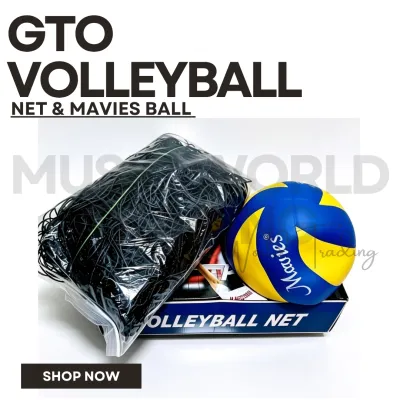
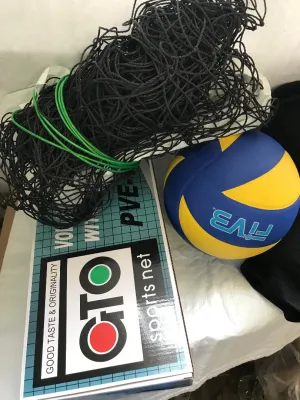
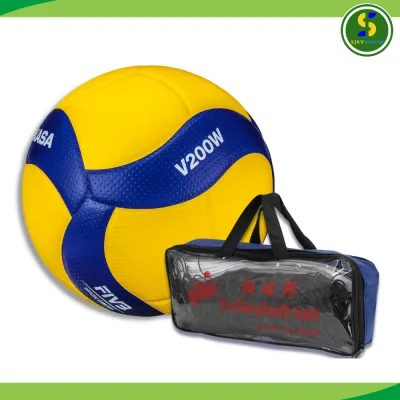
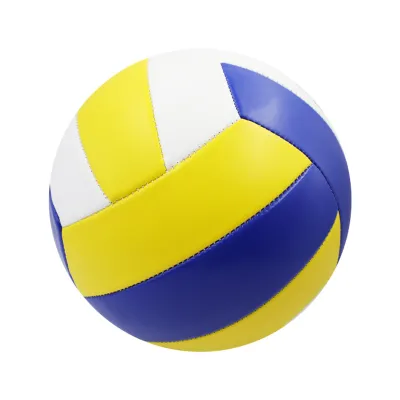
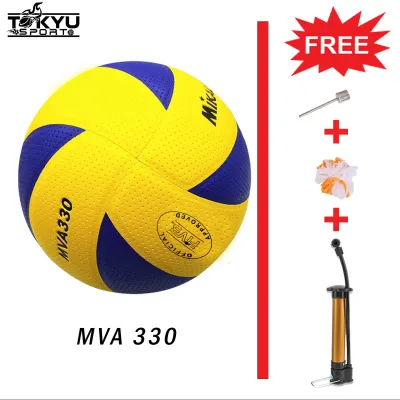
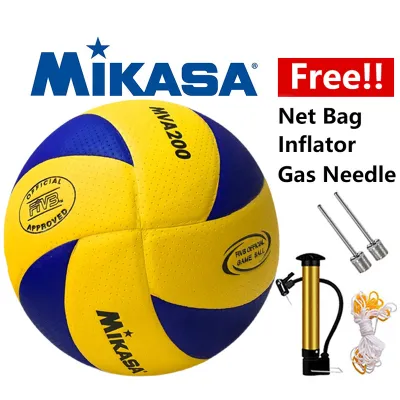
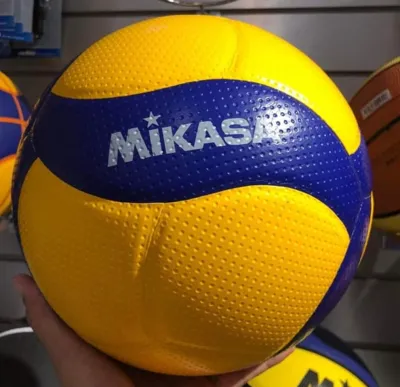
Prices are valid at publication and may change. Please refer to the product page for the latest price.
Matching your gear to where you plan to play is crucial for durability and safety. In the Philippines, playing environments vary widely from indoor wooden or vinyl courts to outdoor grass, sandy beaches, and concrete barangay courts. A set designed strictly for indoor use will deteriorate rapidly if exposed to rough concrete or tropical humidity. Conversely, a heavy-duty outdoor system might require ground stakes that cannot be driven into concrete, requiring you to look for freestanding bases or alternative anchoring methods.
Choosing the Right Volleyball for Beginners
The ball is the centerpiece of your set, and choosing the right material directly impacts how long you can play without discomfort. Beginners should pay close attention to the outer cover material, which is typically synthetic leather or rubber. Synthetic leather, often made of polyurethane (PU) or microfibers, offers a soft feel that is gentle on beginner forearms during passing drills. It mimics the feel of professional match balls while providing excellent control. However, synthetic leather can absorb moisture and degrade if left in wet grass or exposed to heavy tropical rain.

Rubber balls, by contrast, are highly durable and weather-resistant. They are ideal for rough concrete surfaces common in local neighborhoods because they resist scuffs and punctures. The trade-off is that rubber is much harder and can cause stinging or bruising on beginner arms during extended play. If you plan to play mostly outdoors on concrete or dirt, look for a rubber ball with a textured grip. If you are playing on grass, sand, or indoors, a soft-stitched synthetic leather ball is the superior choice for comfort and skill development.
Sizing is another critical factor to verify on the product tag. Standard volleyballs are classified into adult (Size 5) and youth sizes. Official Size 5 balls have a circumference of 65 to 67 centimeters and are designed for players aged 12 and older. Youth balls are slightly smaller and lighter, making them easier for younger children to serve and pass without straining their shoulders. Always check the manufacturer’s specifications to ensure the ball matches the age group of the players.
Visual tracking is highly dependent on the ball’s panel design and color scheme. Traditional solid white balls can be difficult to track against bright outdoor skies or cluttered background environments. Modern beginner balls often feature high-contrast, multi-colored panels—typically combinations of blue, yellow, and white. These vibrant patterns create a flickering effect in the air, helping beginners judge the ball’s speed, spin, and trajectory more accurately during fast-paced rallies.
Selecting the Net and Pole System
A sagging or unstable net can quickly ruin a game, making a reliable net and pole system a vital part of your volleyball ball complete set. Official net heights vary by category: 2.43 meters for men, 2.24 meters for women, and lower heights for youth players. For a beginner set, look for an adjustable pole system that features pre-marked height settings. This versatility allows you to transition easily between different player groups and skill levels without needing multiple sets of poles.
Portable backyard sets are lightweight, easy to pack, and highly mobile. They typically feature telescoping aluminum or plastic poles that slide into each other for compact storage. These systems are perfect for temporary setups on grass or sand, relying on guy lines and metal stakes driven into the ground for tension. However, if you plan to set up on concrete or hard-packed dirt where stakes cannot penetrate, you will need a semi-permanent outdoor set. These systems often utilize heavy, fillable plastic bases or ground sleeves that require professional installation but offer superior stability against wind and hard hits.
Before purchasing, perform structural checks on the net’s components. Look for sturdy guy lines made of thick, weather-resistant nylon, equipped with easy-to-adjust tension pullers. The net itself should have reinforced vinyl borders on the top, bottom, and sides to prevent fraying and tearing under tension. Finally, inspect the pole locking mechanisms; secure push-button brass pins or heavy-duty tension clamps are essential to prevent the poles from collapsing or sliding down when the net is struck by a ball.
Essential Accessories and Protective Gear
Beyond the ball and net, a complete setup requires maintenance tools to keep your equipment in playing condition. A reliable dual-action ball pump is a must-have accessory. Dual-action pumps inflate the ball on both the push and pull strokes, saving time and effort. Ensure the pump includes a clear, readable pressure gauge so you can monitor inflation levels accurately. A dedicated carry bag with ventilated mesh panels is also essential; it keeps all your gear organized and allows damp nets or balls to dry out, preventing mold growth in humid tropical climates.
Protective gear is highly recommended for beginners to prevent minor injuries and build confidence. For indoor play, foam-padded knee pads protect your joints during dives and low defensive plays. For outdoor play on uneven grass, sand, or concrete, lightweight ankle braces or supportive athletic shoes provide lateral stability, reducing the risk of rolled ankles. While these protective items are usually sold separately, some premium beginner bundles may include basic knee pads or wrist guards.
Optional training aids can be added to your set as your skills progress. Ball carts are convenient for holding multiple balls during solo serving or hitting practice, while target nets help improve passing and setting accuracy. While these aids are excellent for structured training, they are secondary to the core set. Beginners should focus their budget on securing a high-quality ball and a stable net system before investing in specialized training accessories.
How to Evaluate and Purchase Your Set
Navigating the market requires a clear understanding of budget allocation and product verification. In the Philippines, beginner volleyball sets can range from budget-friendly options around ₱1,500 to premium, heavy-duty systems costing upwards of ₱5,000. When deciding how to allocate your budget, prioritize the quality of the ball and the stability of the poles. A cheap, poorly constructed ball will lose its shape quickly, and flimsy poles will bend or snap under tension. It is wiser to invest in a durable ball and pole system than a set that includes dozens of low-quality accessories you may never use.
When browsing product listings on major e-commerce platforms or sporting goods websites, always verify the exact specifications of what is included. Check if the set comes with inflation needles, as these are easily lost and cheap to replace but frustrating to miss on setup day. Look for detailed pole dimensions, including the outer diameter and wall thickness, to gauge their strength. Additionally, read the warranty terms carefully; a manufacturer’s warranty covering bent poles or torn nets provides peace of mind and indicates confidence in product durability.
To ensure you receive authentic gear and reliable customer service, purchase your set from established sporting goods retailers or authorized brand stores on reputable online marketplaces. Avoid unbranded, generic sets that promise professional-grade performance at suspiciously low prices, as these often use thin plastics and low-grade metals that fail after a few uses. Authorized sellers offer genuine products, clear return policies, and access to replacement parts if a pole or net component eventually wears out.
Frequently Asked Questions (FAQ)
Can I use an indoor volleyball for outdoor play?
Indoor volleyballs are typically made of soft synthetic leather designed for smooth wooden or synthetic courts. If used on rough outdoor surfaces like concrete, asphalt, or gravel, the delicate outer cover will scuff, peel, and wear down rapidly. For outdoor play, it is best to use a ball specifically labeled for outdoor or beach use. These balls are constructed with durable rubber or weather-treated composite materials that resist moisture, dirt, and abrasive surfaces.
How do I know if the net poles are safe to use?
Before every game, perform a quick safety inspection of your net poles. Check that all locking pins are fully engaged and that the guy lines are tightly tensioned and securely anchored. Inspect the metal or plastic poles for any visible cracks, deep rust, or severe bending. If the poles wobble excessively, fail to hold the regulation height, or show signs of structural fatigue, stop using them immediately and consult the manufacturer for replacement parts to prevent sudden collapse during play.
What is the correct air pressure for a beginner volleyball?
The correct air pressure for a volleyball typically ranges between 4.26 and 4.61 pounds per square inch (PSI), though you should always check the recommended range printed directly near the ball’s inflation valve. Using a pump equipped with a pressure gauge is the best way to avoid over-inflation, which stretches the seams and hardens the ball, or under-inflation, which prevents the ball from bouncing consistently and makes passing difficult.

Community discussion
Share your experience or ask a question. Comments are reviewed before publication.