
Setting up a volleyball court in your backyard, on a local beach, or at a neighborhood park is one of the most engaging ways to bring family and friends together. To find the right volleyball ball and net set for casual play, you must balance durability with player comfort, and portability with structural stability. A great recreational set should feature a soft-touch ball that does not sting beginners’ arms, a net with weather-resistant mesh, and a stable pole system that can be securely anchored without posing a safety hazard. By focusing on these core elements, you can ensure your matches are safe, fun, and capable of withstanding local weather conditions.
Casual play naturally prioritizes ease of setup and forgiving materials over strict competitive regulations. While professional players require heavy, rigid steel posts cemented into the ground and high-tension nets, recreational users need gear that packs into a carrying bag and sets up in under twenty minutes. The ideal casual set accommodates players of varying ages and skill levels, offering adjustable net heights and a cushioned ball that encourages longer rallies rather than painful forearm bruising.
How to Choose the Right Volleyball for Casual Play
Selecting the right ball is the most critical step in ensuring everyone enjoys the game. A ball that is too hard or heavy will quickly discourage younger players and beginners due to the physical discomfort of passing and serving. Conversely, a ball that is too light or poorly constructed will warp, lose air rapidly, or drift unpredictably in a light outdoor breeze.
Products mentioned in this guide
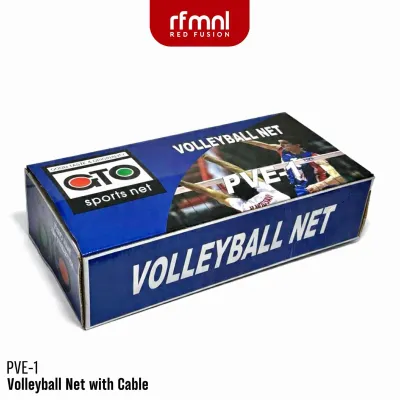
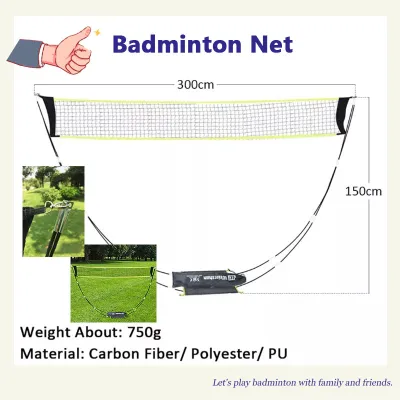
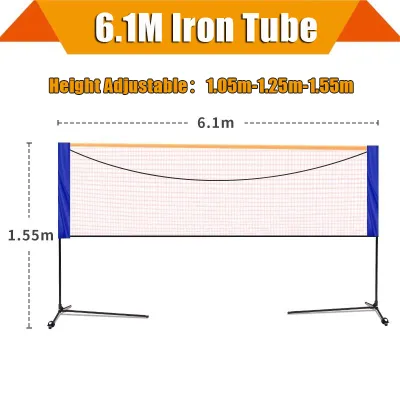
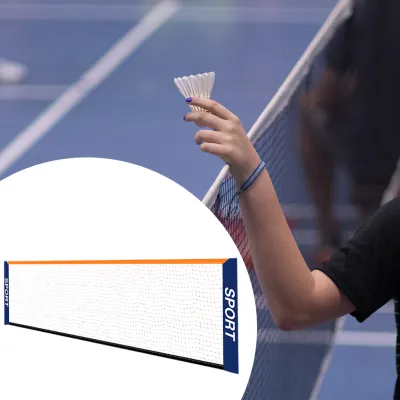
Prices are valid at publication and may change. Please refer to the product page for the latest price.
Ball Cover Materials and Touch
The material of the ball’s outer cover directly determines how it feels against your skin and how well it survives outdoor elements. Casual volleyballs generally feature covers made of either natural rubber, synthetic leather, or composite polyurethane (PU).
- Natural Rubber: This material is highly durable, completely waterproof, and budget-friendly. It is the ideal choice for swimming pools, wet grass, and rough concrete surfaces because it does not absorb moisture or scuff easily. However, rubber covers are quite stiff and can cause a stinging sensation on the forearms during impact, making them less suitable for extended play or sensitive beginners.
- Synthetic Leather and Composite PU: These materials offer a much softer touch and a superior grip, closely mimicking the feel of professional indoor balls. They are highly preferred for grass and dry sand courts because they minimize arm fatigue and bruising. While modern composite covers are treated for water resistance, they are generally less suited for prolonged water immersion than solid rubber.
When browsing casual sets, always check the product packaging or specifications for labels indicating a “soft touch” or “cushioned” backing. Manufacturers achieve this by adding a thin layer of foam beneath the outer cover, which absorbs impact force and makes the ball significantly more comfortable to play with.
Additionally, examine how the panels of the ball are joined. Molded or thermally bonded seams offer the highest level of water resistance and shape retention, making them excellent for humid climates. Machine-stitched seams are highly flexible and common in casual sets, but they can allow water to seep into the inner bladder if left in a pool or heavy rain. Hand-stitched seams are durable but are typically reserved for premium, dry-weather outdoor balls.
Size, Weight, and Air Retention
Matching the ball’s physical specifications to your players’ profiles ensures a fair and injury-free game. Standard adult volleyballs are designated as Size 5, weighing between 260 and 280 grams, with a circumference of 65 to 67 centimeters. This size is appropriate for adults and teenagers who have developed the wrist and shoulder strength to handle standard impacts.
For younger children or families hosting multi-generational gatherings, look for lightweight training or youth volleyballs. These balls maintain a standard or slightly larger diameter but weigh significantly less, often between 200 and 220 grams. The reduced weight lowers the velocity of the ball and minimizes the force of impact, allowing younger players to focus on learning proper form without fear of pain.
Air retention depends entirely on the quality of the internal bladder and the valve. Casual volleyballs typically use one of two bladder materials:
- Butyl Rubber Bladders: These offer exceptional air retention, maintaining their pressure for weeks or even months without needing a top-up. They are highly recommended for casual players who want a low-maintenance ball that is ready to play at a moment's notice.
- Latex Bladders: While latex bladders provide a livelier bounce and a softer feel, they are highly porous and lose air daily. They require regular pumping before every session, which can be an inconvenience for casual backyard setups.
To preserve the integrity of the ball, always verify the recommended inflation pressure, which is typically printed directly around the valve opening (usually between 4.26 and 4.61 PSI). A properly inflated casual ball should yield slightly to firm thumb pressure. Over-inflating a volleyball to make it feel “harder” is a common mistake that leads to split seams, a ruptured bladder, and a highly uncomfortable playing experience.
Picking a Net and Pole System That Fits Your Space
A high-quality net and pole system defines the boundaries of your court and keeps the game flowing. The primary challenge with portable systems is maintaining net tension without causing the poles to bow inward or tip over during active play.

Pole Stability and Tip-Over Prevention
Safety should always be your primary concern when evaluating pole systems. When players run, dive, or accidentally collide with the net, the poles must remain upright. The correct anchoring method depends entirely on the surface where you plan to play.
- Ground Stakes and Guylines: This is the most stable and common system for grass and sand. Heavy-duty metal or high-impact plastic stakes are driven deep into the ground at an angle, and tension straps or guylines run from the top of the poles to the stakes. This triangulation of force keeps the net taut and upright. However, these systems cannot be used on concrete, asphalt, or indoor floors.
- Weighted Bases: If you plan to play on a driveway, a concrete multi-purpose court, or indoors, you must use a freestanding system featuring hollow plastic bases. These bases are designed to be filled with water or dry sand to provide ballast.
Always use the manufacturer-provided tension straps and guylines, and inspect them for wear before every game. Never attempt to secure poles using makeshift weights like loose hollow blocks, concrete bricks, or stones. These items do not provide reliable structural support and can easily become severe tripping hazards or projectiles if a player collides with the pole.
When evaluating pole materials, consider the trade-offs between weight, strength, and environmental resistance:
- Coated Steel: Offers maximum rigidity and strength, easily maintaining high net tension. However, steel is heavy to transport and will rust quickly in humid, coastal, or rainy environments if the protective powder coating is scratched.
- Aluminum: Highly popular for premium portable sets because it is lightweight, naturally rust-resistant, and sufficiently strong for casual play. Telescoping aluminum poles are exceptionally easy to adjust and transport.
- Fiberglass: Provides excellent flexibility and weather resistance. Fiberglass poles will not rust, making them ideal for coastal areas, though they can splinter over years of heavy exposure to intense tropical sunlight if not treated with a UV-resistant coating.
Net Height Adjustability and Mesh Quality
An adjustable net system allows you to customize the game for different groups. Official net heights are 2.43 meters for men and 2.24 meters for women, but these heights can be frustratingly high for casual family games, children, or mixed-age groups. Look for pole systems with pre-set push-button adjustments or sliding collars that allow you to easily drop the net down to youth heights (around 1.8 to 2.0 meters) or raise it for standard play.
Net tension is what keeps the top of the net from sagging in the middle. To prevent sagging, look for nets that feature wide, reinforced top and bottom tapes made of heavy-duty vinyl or double-stitched canvas. These tapes house the tension ropes or steel cables that pull the net flat. Nets with flimsy, single-stitched edges will quickly stretch out of shape and sag, ruining the quality of play.
Finally, examine the mesh material itself. Casual outdoor nets are usually made of polyethylene (PE) or nylon. Polyethylene is highly recommended for outdoor use because it is naturally water-resistant and can be treated with UV inhibitors to prevent the plastic from becoming brittle and tearing under the intense tropical sun. Nylon is incredibly strong and elastic, but it absorbs water and can rot or sag when exposed to frequent rain and high humidity unless it is specifically treated and dried after use.
Best Set Configurations for Different Play Environments
Different environments present unique challenges for volleyball gear. Matching your set’s features to your primary playing location will extend the lifespan of your equipment and improve your playing experience.
Backyard and Grass Court Configurations
For typical residential lawns, suburban backyards, or grassy public parks, a classic stake-and-guyline system is the absolute best choice. Grass provides an excellent, forgiving surface that allows for stable stake anchoring and reduces the risk of joint impact when players jump and dive.
Look for a configuration that includes a durable carrying bag with separate internal compartments. This design is highly practical because it keeps muddy ground stakes and damp guylines isolated from the clean net and synthetic leather ball. A composite leather ball with a cushioned cover is ideal here, as grass courts are generally dry and free of abrasive surfaces that could scuff the ball’s exterior.
Beach and Poolside Configurations
Playing on sand or in a swimming pool requires specialized materials to combat moisture, salt, and unstable ground. Standard narrow metal stakes will pull right out of loose dry sand under net tension, so beach configurations must include specialized sand anchors. These are typically wide, scoop-like plastic stakes or heavy-duty canvas bags that you fill with sand and bury deep beneath the surface to act as deadman anchors.
For poolside play, look for compact, freestanding plastic bases that sit on the pool deck, paired with a shorter net designed to span the width of your pool. All hardware—including screws, carabiners, and pole adjustment buttons—must be made of rust-proof materials like anodized aluminum, stainless steel, or heavy-duty plastics to withstand constant exposure to chlorine, saltwater, and coastal humidity.
The ball for beach or pool play should be a brightly colored, high-visibility molded rubber ball. Bright colors prevent the ball from being lost in glaring sunlight or deep water, while the solid rubber construction ensures it absorbs zero water, maintaining its correct weight and bounce throughout the day. Ensure the net mesh has a relatively wide weave (around 4-inch squares) so that sand can easily pass through rather than accumulating in the mesh and weighing down the net.
Hardcourt and Indoor Configurations
If your primary playing area is a concrete driveway, a barangay multi-purpose court, or a school gymnasium, you cannot drive stakes into the ground. For these hard surfaces, you must select a freestanding set with weighted bases. Ensure the bottom of the bases or the metal frame features non-marking rubber pads to prevent scratching indoor wooden floors or slipping on smooth concrete.
Hardcourt play is highly abrasive, meaning a standard rubber ball will scuff and wear down over time, while a premium composite leather ball provides the best grip and hand protection. Because concrete offers no shock absorption for players’ joints, a softer, highly cushioned ball is essential to minimize hand and wrist strain during hard hits.
Always double-check that your weighted bases are filled to their maximum capacity with water or sand. On hard surfaces, a falling pole can cause significant damage to the floor or cause serious injury to players, so maintaining a low center of gravity is absolutely vital.
Safe Setup and Maintenance for Humid Climates
Operating outdoor sports equipment in tropical, humid climates requires diligent maintenance to prevent premature rot, rust, and mold. By establishing a regular routine of safety checks and proper storage, you can protect your investment and keep your games safe.
Pre-Play Safety Checks
Before every game, take five minutes to inspect your setup. Ensure all poles are straight and that the guylines are pulled taut and clearly marked with brightly colored ribbons or plastic markers to prevent players from tripping over them. Inspect the net for any fraying ropes, loose knots, or torn mesh that could catch a player’s finger.
If you notice that the poles are bending significantly under net tension, or if the ground stakes are beginning to pull loose from wet, muddy soil, stop play immediately. Adjust the tension or relocate the stakes to firmer ground. Never play during heavy rain, high winds, or when lightning is present, as wet grass and concrete become highly slippery, and tall metal or carbon fiber poles can act as lightning rods.
Inflation Best Practices
When inflating your volleyball, always use a manual hand pump equipped with an integrated pressure gauge. Avoid using high-pressure air compressors found at gasoline stations or tire shops, as these can easily over-inflate and rupture a volleyball’s internal bladder in a split second.
Before inserting the pump needle into the valve, always moisten the needle with a drop of water or glycerin. Inserting a dry, dusty needle can scratch or push the delicate rubber valve core out of alignment, leading to slow, permanent air leaks that ruin the ball.
Cleaning and Storage
After a day of play, especially at the beach or on damp grass, your equipment will be covered in salt, sand, dirt, and sweat. Rinse the ball, poles, and net with clean, fresh water to remove these corrosive elements.
Once rinsed, lay the net and ball out to air-dry completely in a shaded, well-ventilated area. Avoid leaving them in direct, intense midday sunlight for extended periods, as extreme UV rays will degrade the synthetic fabrics and dry out the rubber valve.
Never pack damp gear away into a sealed plastic bag or a dark carrying case. In humid climates, storing damp equipment creates a perfect breeding ground for mold, mildew, and rot, which will destroy the net fibers and leave your gear smelling terrible. Ensure everything is bone-dry before zipping it into its carrying bag for long-term storage.
Frequently Asked Questions (FAQ)
Can I use a standard indoor volleyball for outdoor casual play?
While you can technically use an indoor volleyball outdoors, it is highly discouraged. Indoor volleyballs are designed with premium, soft natural leather or delicate composite covers that are optimized for clean, dry wooden courts. When exposed to rough outdoor surfaces like concrete, gravel, or sand, these soft covers will quickly scuff, peel, and tear.
Furthermore, standard indoor balls are highly susceptible to moisture. If they absorb water from wet grass or dew, the leather will waterlog, making the ball incredibly heavy and painful to hit, while also ruining the internal stitching. For outdoor casual play, always opt for a dedicated outdoor synthetic leather or rubber ball designed to handle moisture and abrasive surfaces.
How high should the net be for a mixed group of adults and kids?
For a casual, mixed-age group, you do not need to adhere strictly to the official adult heights of 2.43 meters for men and 2.24 meters for women. Setting the net too high can make the game frustrating for children and shorter players, leading to short rallies and limited engagement.
Instead, lower the net to a comfortable middle ground, typically around 2.0 to 2.1 meters. This height allows younger players to successfully serve and return the ball over the net while still providing a fun challenge for adults. If your pole system features easy height adjustments, you can quickly raise or lower the net depending on who is currently on the court, keeping the game inclusive and highly active.

Community discussion
Share your experience or ask a question. Comments are reviewed before publication.