
Diving in the Philippines offers access to some of the world’s most biodiverse marine environments, from the deep walls of Tubbataha to the historical wrecks of Coron. While many divers associate tropical waters with warm temperatures, extended bottom times, repetitive dives, and deeper thermoclines can quickly lead to core heat loss. A diving hood for men is an essential accessory for managing thermal comfort, protecting against marine stings, and preventing ear discomfort during prolonged exposure. Selecting the right hood requires balancing material thickness, facial seal design, and seamless integration with your existing wetsuit and mask.
Before purchasing or using any specialized diving gear, it is critical to recognize that equipment is never a substitute for proper training, physical fitness, and sound underwater judgment. Diving hoods alter your sensory perception, slightly dampening sound and restricting peripheral movement. If you experience panic, claustrophobia, or difficulty equalizing your ears while wearing a hood, you must safely abort the dive according to your training protocols. Always perform a fit check on land and a buoyancy check in shallow water before venturing into deeper environments.
Matching Neoprene Thickness to Local Water Temperatures
In the Philippines, sea surface temperatures generally range from 26°C to 30°C depending on the season and location. However, these surface measurements can be highly deceptive. Once you descend past 20 meters, or during the cooler northeast monsoon (Amihan) months from November to February, water temperatures can drop significantly. Thermoclines—abrupt layers of colder water—are common in deep dive sites across Anilao, Puerto Galera, and Bohol.
Products mentioned in this guide
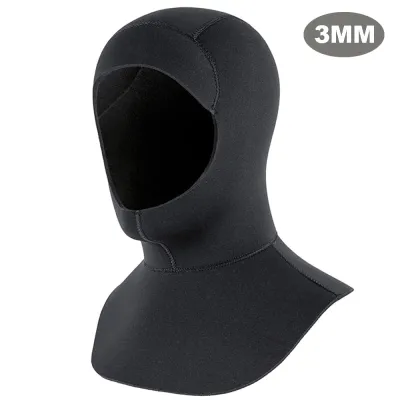
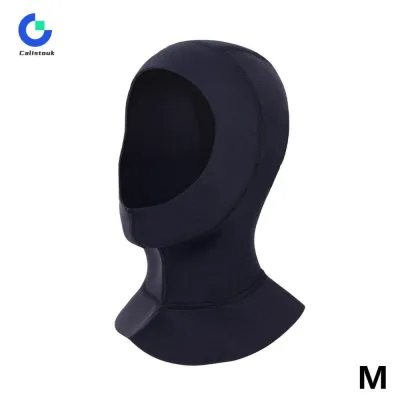
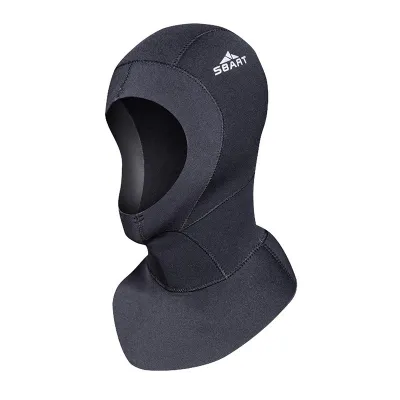
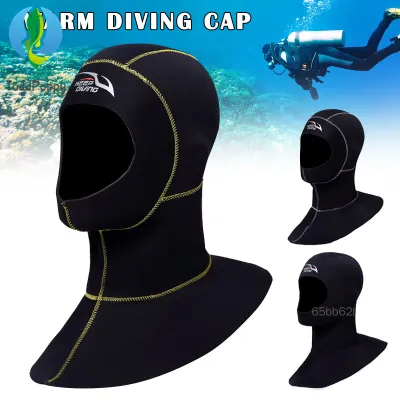
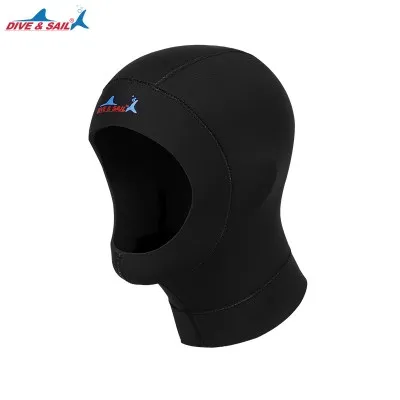
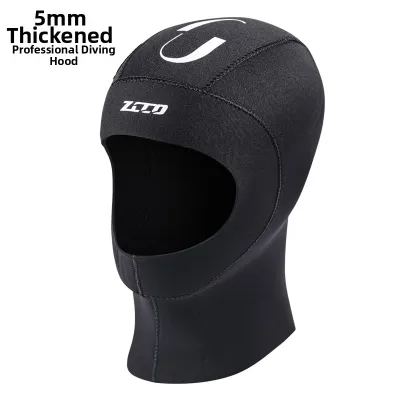
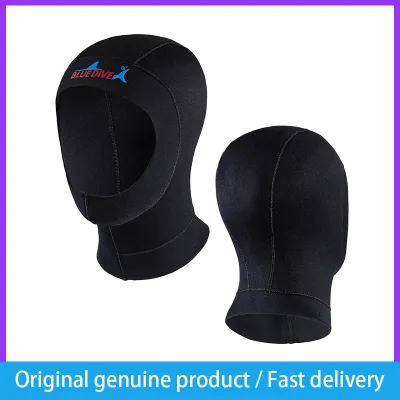
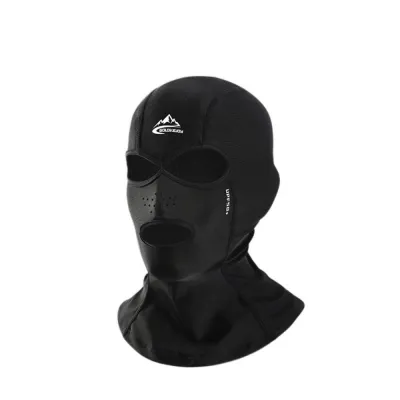
Prices are valid at publication and may change. Please refer to the product page for the latest price.
For tropical diving, neoprene thickness typically ranges from 1.5mm to 3mm. A 1.5mm to 2mm hood is generally sufficient for most local recreational divers. It provides a light barrier against the chill without causing overheating during surface intervals, and it offers excellent protection against stinging hydroids, jellyfish tentacles, and floating debris. If you are planning deep technical dives, repetitive multi-day liveaboard trips, or are highly sensitive to the cold, a 3mm hood is a more appropriate choice.
Your personal cold tolerance, body composition, and dive profile should dictate your final choice. Water conducts heat away from the body much faster than air, and the head is highly sensitive to temperature changes. If you frequently find yourself shivering during safety stops or on your third dive of the day, upgrading to a slightly thicker hood or one with a thermal lining can extend your comfortable bottom time. Keep in mind that thicker neoprene increases your overall buoyancy, requiring you to adjust your ballast weight during your pre-dive check.
Deep-water environments present unique thermal challenges that standard surface temperatures do not reflect. As you descend, the ambient pressure compresses the tiny gas bubbles trapped within the neoprene of your hood. This compression reduces the physical thickness of the material, which in turn decreases its insulating capacity at depth. Divers who regularly explore deep wrecks or walls must account for this compression by choosing high-quality, compression-resistant neoprene that maintains its structure under pressure.
Seasonal variations also play a major role in determining the ideal thickness for local waters. During the warm summer months of April and May, an ultra-thin 1mm or 1.5mm hood or even a simple lycra hood might suffice to keep stinging organisms off your skin. However, transitioning to the Amihan season brings cooler winds and upwellings that stir up colder deep-sea water. Having a versatile 2mm or 3mm hood in your gear bag ensures you remain comfortable year-round, regardless of sudden seasonal shifts.
Evaluating Fit, Sizing, and Facial Seals
Achieving a precise fit is the most critical factor when selecting a diving hood for men. A hood that is too tight can restrict blood flow through the carotid arteries in the neck, leading to dizziness, hyperventilation, or a dangerous condition known as carotid sinus reflex. Conversely, a hood that is too loose will allow water to constantly circulate inside, a process known as flushing, which completely defeats the thermal purpose of the gear.

To find your size, you must take accurate measurements of your head circumference and neck width. Use a flexible measuring tape to measure the widest part of your head, just above your eyebrows and ears. Next, measure the circumference of your neck at its midpoint. Because sizing standards vary significantly between brands, never assume your size in one brand matches another. Always compare your physical measurements directly against the specific manufacturer’s sizing chart before purchasing.
The facial seal is the primary barrier against water entry. Look for hoods that feature a smooth-skin or glideskin neoprene lining around the face opening. This specialized material grips the skin gently, creating a semi-watertight seal that minimizes water movement. Ensure the opening is wide enough to clear your jaw comfortably. When trying on a hood, practice articulating your jaw as if you were holding a regulator mouthpiece; the seal should remain secure without pulling painfully against your chin or forehead.
The neck design must also be evaluated carefully. A well-designed hood features a tapered neck that matches the natural contour of your throat and cervical spine. It should sit flat against your skin without bunching up or creating tight pressure points. If you feel a choking sensation or find it difficult to swallow while standing on land, the neck is too tight or the taper is incorrect for your body shape.
Sizing tolerances can also be influenced by the specific cut of the hood. Some manufacturers design hoods with a shorter chin cup, while others offer a full-coverage chin wrap. A full-coverage chin wrap provides superior thermal protection and keeps the hood securely anchored, but it requires a highly accurate fit to avoid putting backward pressure on your jaw. If you have facial hair, a smooth-skin seal may not form a perfect barrier, making a slightly snugger fit around the cheeks even more important to prevent excessive water entry.
Furthermore, the overall length of the hood’s neck skirt must match your physical proportions. Men with shorter necks may find that standard hoods bunch up excessively at the collar, creating folds where water can pool and circulate. Conversely, men with longer necks might experience a gap between the bottom of the hood and the top of their wetsuit collar. Trying on multiple brands is often necessary to find a manufacturer whose pattern matches your specific anatomical proportions.
Inspecting Construction, Seams, and Material Quality
The durability of a diving hood is determined by its construction methods and material quality. Because saltwater, intense tropical sunlight, and frequent stretching put immense stress on neoprene, inspecting the seams is paramount. Cheaply constructed hoods often use simple flatlock stitching, which punctures the neoprene and allows water to seep through the needle holes. While acceptable for very warm water, flatlock seams offer poor thermal efficiency.
For superior water blockage and durability, look for hoods constructed with glued and blind-stitched (GBS) seams. In GBS construction, the neoprene panels are first glued together edge-to-edge, and then stitched only halfway through the material so the needle never fully penetrates the fabric. For maximum longevity, high-end hoods may also feature liquid-taped or welded seams, which add an extra layer of waterproof rubber over the stitching to prevent unraveling and water intrusion.
High-wear areas require specific reinforcement. Examine the crown of the hood for double-layered panels or textured coatings that protect against abrasion from mask straps or overhead environments like caves and wrecks. If the hood features a zipper to assist with donning and doffing, inspect the zipper track. It should have a robust backing flap of neoprene to prevent the zipper teeth from pinching your skin or hair, and the zipper itself should be made of corrosion-resistant marine-grade plastic or heavy-duty polymer.
When evaluating a hood in person, perform a physical quality check. Gently stretch the neoprene in multiple directions; it should offer consistent elasticity and spring back to its original shape immediately. Inspect the stitching for any loose threads, uneven tension, or gaps. High-quality manufacturing is characterized by clean, continuous stitch lines and reinforced T-junctions where multiple seams meet.
The type of neoprene used also dictates the hood’s performance and lifespan. Standard petroleum-based neoprene is widely available, but limestone-based neoprene is increasingly popular due to its higher cell density, which offers better thermal insulation and greater resistance to compression over time. Additionally, check the inner lining of the hood. A quick-drying, plush thermal lining not only adds warmth but also makes the hood much easier to slide on and off, especially when damp between repetitive dives.
Environmental exposure in tropical climates can accelerate the degradation of neoprene. High humidity and intense ultraviolet (UV) rays can cause cheap materials to become brittle, crack, or lose their elasticity within a single season. Investing in a hood made with UV-resistant outer fabric laminates ensures that your gear remains supple and functional through years of exposure to the tropical sun and salty coastal air.
Ensuring Compatibility with Masks and Wetsuits
A diving hood does not function in isolation; it must integrate seamlessly with your mask and wetsuit to form an effective thermal system. When trying on a new hood, always wear your primary dive mask at the same time. The silicone skirt of your mask must seal directly against your skin, not over the neoprene of the hood. If the hood’s face opening overlaps with the mask skirt, it will cause constant leaking. You may need to tuck the edges of the hood under the mask skirt or choose a hood with a trimmable face seal that can be customized to your facial structure.
The connection between your hood and wetsuit is equally important. Hoods generally come in two styles: bibbed and neck-only (or collarless). A bibbed hood features a wide flare of neoprene at the bottom that tucks underneath the collar of your wetsuit. This design is highly effective at preventing water from flushing down your back and chest, making it ideal for standard back-zip wetsuits. A neck-only hood ends at the base of the neck and is designed to be worn with wetsuits that have a built-in neck seal or for divers who prefer less bulk around their collarbones.
Another critical safety and comfort consideration is trapped air. As you descend, air from your mask or regulator can escape and become trapped in the crown of your hood. This trapped air creates unwanted positive buoyancy, pulling your head upward and straining your neck muscles. To prevent this, look for hoods equipped with a built-in vent valve or a series of small, one-way purge holes at the top. These vents allow trapped air to escape automatically while preventing cold water from entering.
If you choose a bibbed hood, the installation process requires a bit of practice to ensure a smooth, wrinkle-free fit. You must tuck the bib flat against your collarbones and upper back before zipping up your wetsuit. Any folds or bunches in the bib will not only cause discomfort under the pressure of your scuba harness but can also create channels that allow water to flow freely into your suit, neutralizing the thermal benefits of both pieces of gear.
For divers who prefer a neck-only hood, compatibility relies heavily on the collar design of your wetsuit. A wetsuit with a high, snug collar can overlap slightly with a neck-only hood to provide a decent seal. However, if your wetsuit has a low-cut collar, a neck-only hood will leave a band of exposed skin at your throat. This exposure not only increases heat loss but also leaves you vulnerable to jellyfish stings in the exact area where your skin is most sensitive.
Finally, consider how the hood affects your mask strap placement. The strap should sit flat against the back of your head without twisting or sliding down the smooth outer surface of the hood. Some hoods feature textured grip pads on the back of the head specifically designed to keep mask straps securely in place. If your hood lacks this feature, using a neoprene mask strap wrapper can help prevent the silicone strap from slipping during your dive.
Building Your Shortlist: A Pre-Purchase Checklist
Before finalizing your purchase, compiling a systematic checklist will help you compare different models and avoid costly sizing mistakes. Because you cannot easily test gear underwater before buying, relying on structured verification steps on land is the safest path to a successful purchase. Use the following checklist to evaluate your options:
- Verify Material Specifications: Confirm the neoprene thickness matches your primary diving destinations in the Philippines. Ensure the seams are glued and blind-stitched (GBS) if you prioritize thermal protection, and check for a built-in air vent in the crown.
- Conduct a Dry Fit Test: Put the hood on and wear it for at least five to ten minutes. Pay close attention to any pressure points around your forehead, jaw, and throat. Turn your head from side to side and look up and down; your range of motion should not be severely restricted, and the hood should not pull away from your skin during movement.
- Check Peripheral Visibility: Ensure the brow of the hood does not push down over your eyes or block your upward line of sight. You must be able to see your dive computer, pressure gauge, and buddy clearly without straining.
- Test Gear Integration: Put on your dive mask and regulator mouthpiece while wearing the hood. Verify that the mask skirt seals directly against your face and that the regulator does not pull the chin strap of the hood uncomfortably.
- Review Retailer Policies: If purchasing from an online marketplace or local dive shop, carefully read the return and exchange terms. Neoprene gear must fit perfectly to function safely, so ensure the seller allows exchanges for different sizes if your initial measurements do not yield a perfect fit. Check if there is a manufacturer warranty covering seam failures or material defects.
By systematically verifying these fit, construction, and compatibility factors, you can select a diving hood that keeps you warm, comfortable, and focused on the incredible marine life of the Philippines.

Community discussion
Share your experience or ask a question. Comments are reviewed before publication.