
Selecting the right soft bait fishing lure set for Philippine waters requires balancing versatility, material resilience, and local environmental adaptability. The diverse aquatic landscapes of the Philippines—ranging from inland freshwater lakes to coastal mangrove systems and coral reefs—demand a curated selection of soft plastics. A well-designed set should not just offer variety in shapes, but must also feature durable materials capable of surviving both the intense tropical heat and the aggressive strikes of local predatory fish. By understanding how different lure profiles, colors, and rigging options interact with local habitats, you can confidently choose a set that maximizes your chances of a successful catch.
Understanding Philippine Fishing Environments
To select the most effective soft bait set, you must first identify your primary fishing venues. The Philippines offers three distinct aquatic environments, each presenting unique challenges. Freshwater lakes, such as Laguna de Bay or Pantabangan Dam, often feature submerged vegetation, standing timber, and varying water clarity. Anglers targeting freshwater species like snakehead (dalag) need weedless setups to navigate these heavy covers without snagging.
Brackish mangrove estuaries represent highly dynamic zones where rivers meet the sea. The complex root systems of mangroves provide excellent shelter for predators but pose a constant risk of lost gear. Water clarity in these areas can change rapidly due to tidal movements and seasonal rains, requiring a mix of natural and high-visibility lures.
Products mentioned in this guide
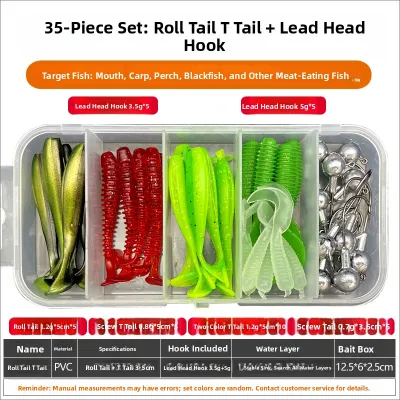
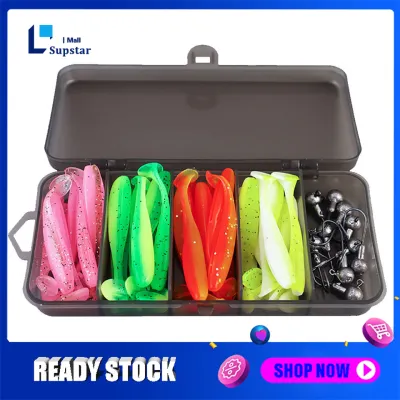
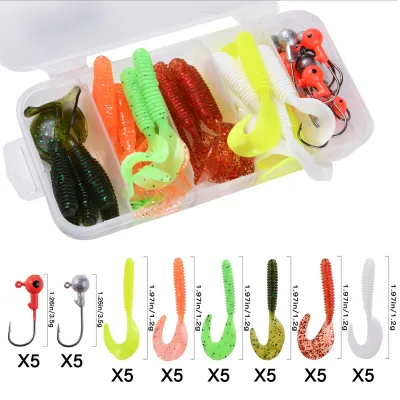
![[COD] AqToCna Ship within 24 hours Lqcgei Fishing Lures Set Jig Lead Head Hooks Soft Worm Grub Single Tail Bait 17Pcs](https://img.lazcdn.com/g/p/0567ef842424c71301d1be6fa726f0b8.jpg_400x400q80.jpg_.webp)
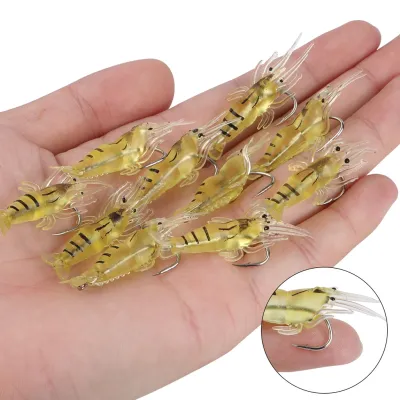
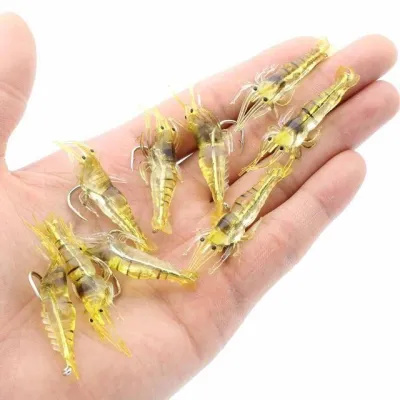
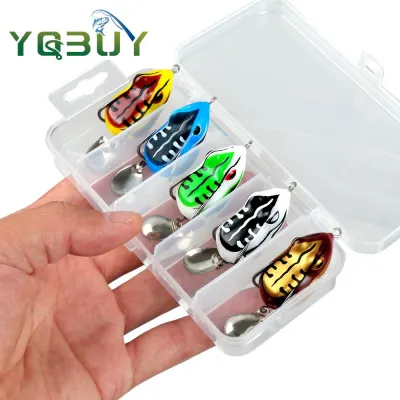
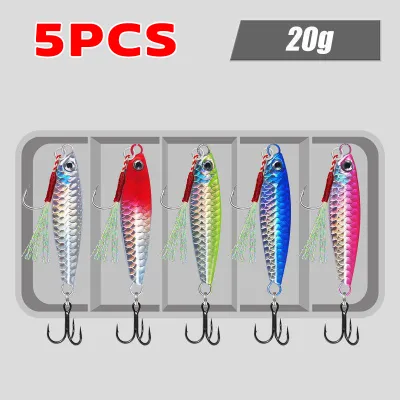
Prices are valid at publication and may change. Please refer to the product page for the latest price.
Saltwater coral reefs and shallow flats feature crystal-clear waters and sharp, abrasive structures. The high visibility means marine predators can inspect lures closely, making realistic swimming actions and natural color patterns essential. However, the sharp coral also poses a constant threat of line abrasion, making durable plastics and weedless rigging highly advantageous.
Before heading out to any coastal estuary or deep reef, always prioritize personal safety. Equipment can never replace proper training, local knowledge, and sound judgment. Ensure you check local tide charts, monitor sudden tropical weather changes, and wear a certified personal flotation device when fishing from a boat or wading in unfamiliar coastal waters.
Essential Features of Effective Soft Baits
When evaluating soft plastics, material composition directly dictates performance. Traditional plastisol baits offer excellent flexibility and a natural, lifelike action in the water. However, they are susceptible to tearing when targeted by aggressive, toothy predators. Elastomer-based baits provide extreme durability and can stretch multiple times their length without tearing. However, these materials must never be stored together with standard plastisol baits, as they will chemically react and melt into an unusable gel.

The intense tropical sun plays a major role in how light penetrates the water column. In clear, shallow saltwater flats, bright sunlight can make artificial lures look highly unnatural. Under these conditions, translucent colors with subtle silver or gold glitter help mimic the natural reflectivity of small baitfish. Conversely, during the monsoon season when heavy rains wash silt into rivers and estuaries, the water becomes highly turbid. In these muddy conditions, light penetration is minimal, making dark solid colors like black and blue or highly fluorescent colors like chartreuse essential for helping fish locate the lure via silhouette and contrast.
Predatory fish in highly pressured local waters often rely on multiple senses to hunt. Soft baits infused with natural scents, such as shrimp or squid, or impregnated with salt encourage fish to hold onto the bait longer after the initial strike. This extra second gives the angler a crucial window to set the hook securely before the fish detects the artificial material and spits it out.
Recommended Soft Bait Profiles for Local Species
A versatile soft bait set should feature a variety of profiles to target different species and water columns. Paddle tail swimbaits are highly effective for active search baiting. When cast and retrieved at a steady pace, the tail creates a distinct lateral thump that predatory fish can detect through their lateral lines even in low-visibility conditions. This profile is highly suited for targeting active, open-water predators such as talakitok (jacks) or apahap (barramundi) patrolling the edges of current seams.
Curl tail grubs offer a more subtle, continuous action. The thin, curved tail flutters with the slightest movement, making it an exceptional choice for slow-rolling along the bottom or hopping over rocky structures. This slow, enticing action is perfect for tempting ambush predators like lapu-lapu (grouper) that hide inside dark crevices and are hesitant to chase fast-moving prey.
Jerkbaits and creature baits provide the ultimate versatility for heavy cover. Jerkbaits can be rigged weightless on an offset hook to glide and dart just beneath the surface, mimicking a panicked baitfish. Creature baits, with their multiple appendages, claws, and tentacles, mimic crabs or large insects. When pitched into the dense root systems of mangrove forests, these baits create micro-vibrations that draw out cautious species like mangagat (mangrove jack) or freshwater dalag hiding deep within the shadows.
Evaluating the Jighead and Hook Setup
Selecting the correct terminal tackle is just as important as choosing the soft bait itself. A mismatched jighead can completely ruin the action of a high-quality soft plastic. The weight of the jighead must be carefully matched to both the depth of the water and the strength of the current. If the jighead is too light, the current will sweep the lure away before it can reach the strike zone near the bottom. If it is too heavy, the lure will plunge too quickly, losing its natural swimming action and increasing the risk of snagging on the bottom.
For fishing in heavy cover, such as submerged timber in freshwater reservoirs or dense mangrove roots, standard jigheads with exposed hooks are highly prone to snagging. In these environments, switching to a weedless rigging system is essential. An offset worm hook allows the hook point to sit flush against or buried slightly inside the back of the soft plastic, preventing it from catching on debris. Weighted swimbait hooks, which feature a small weight molded onto the shank of the hook, are excellent for keeping swimbaits running upright while maintaining a weedless profile.
Additionally, verify the hook’s wire thickness and gap. Many soft bait sets designed for light-tackle freshwater fishing in other regions feature thin-wire hooks that will easily bend or snap when subjected to the powerful runs of local marine species. Look for sets that include heavy-duty, forged steel hooks with a wide gap. The wide gap ensures there is enough clearance for the hook point to penetrate the fish’s mouth even when using thick-bodied soft plastics.
Building Your Shortlist: A Buyer's Checklist
When browsing online marketplaces for a soft bait fishing lure set, it is easy to get overwhelmed by the sheer number of options. To ensure you get a set that actually performs well in local conditions, use a structured evaluation checklist.
First, verify the variety of sizes and profiles included. A set that only contains one size and shape limits your adaptability. Look for a collection that offers a mix of paddle tails, grubs, and jerkbaits ranging from 2 to 4 inches in length. This variety allows you to match the hatch depending on what local predators are feeding on.
Second, inspect the packaging quality. Soft plastics are highly sensitive to storage conditions. Sets that arrive in cheap, flimsy plastic bags often suffer from deformed tails and warped bodies, which permanently ruins their swimming action. Opt for sets that utilize rigid, molded clamshell trays that keep each individual bait straight and protected.
Third, calculate the true value of the set. Do not simply purchase the cheapest option available. Take the total price in ₱ and divide it by the number of usable baits and hooks. A set priced at ₱500 that includes 25 durable, scent-infused baits and 5 heavy-duty jigheads offers far better value than a ₱150 set of fragile, unscented plastics that tear after a single strike.
Finally, check the bait-to-hook ratio. A practical set should provide a balanced ratio of soft plastics to matching hooks or jigheads. If a set contains 30 baits but only one hook, you will need to spend extra money purchasing compatible terminal tackle. Look for sets that offer at least one high-quality hook or jighead for every five soft baits, ensuring you can start fishing immediately without needing additional purchases.
Frequently Asked Questions (FAQ)
How do I prevent soft plastic lures from melting in the tropical heat?
The high temperatures and intense humidity of the Philippine climate can quickly degrade soft plastics if they are not stored correctly. Always keep your soft baits in their original packaging or in dedicated, worm-proof utility boxes made of high-grade polypropylene. Never mix different brands or material types in the same compartment; elastomer-based plastics will chemically react with traditional plastisol, causing both to melt into a sticky, unusable mass. Additionally, keep your tackle boxes out of direct sunlight, storing them in shaded areas of your boat or inside an insulated gear bag, and never leave them inside a parked vehicle where temperatures can soar.
Can I use the same soft bait set for both freshwater and saltwater?
Yes, the soft plastic bodies themselves are highly versatile and can be used effectively in both freshwater and saltwater environments. However, the primary concern lies in the included terminal tackle. Many budget-friendly soft bait sets feature hooks and jigheads that are not rated for saltwater use and will rust rapidly after a single exposure to marine environments. Always verify if the hooks in the set are made of corrosion-resistant materials such as high-carbon steel with a tin, nickel, or black chrome coating. Regardless of the material, make it a strict habit to rinse all used soft baits, hooks, and jigheads thoroughly with fresh water after every saltwater session to prevent salt buildup and premature corrosion.

Community discussion
Share your experience or ask a question. Comments are reviewed before publication.