
Selecting an emergency shelter tent in the Philippines requires a careful balance of weather resistance, portability, and rapid deployment capability. In a region prone to severe typhoons, sudden monsoons, and high humidity, your choice of shelter can directly impact your safety and well-being during a crisis. However, it is vital to remember that even the most advanced emergency shelter cannot replace proper disaster preparedness training, situational awareness, and the critical decision to evacuate early when local authorities advise it. A tent is a tool to support your survival plan, not a substitute for sound judgment.
Define Your Emergency Scenario and Capacity Needs
Urban evacuation centers like gymnasiums or local barangay halls often present hard, flat surfaces. In these indoor or semi-sheltered environments, your primary needs are privacy, dust protection, and a compact footprint that respects shared space. Freestanding designs are highly advantageous here because they do not require stakes to remain upright, allowing you to set up camp easily on concrete or wooden floors.
Conversely, wilderness or outdoor survival scenarios demand a shelter that can withstand direct exposure to the elements. If you must set up camp on uneven ground, muddy fields, or exposed hillsides, your shelter must prioritize robust anchoring, wind resistance, and superior water shedding. Understanding where you are most likely to deploy your shelter helps you prioritize the right features from the start.
Products mentioned in this guide
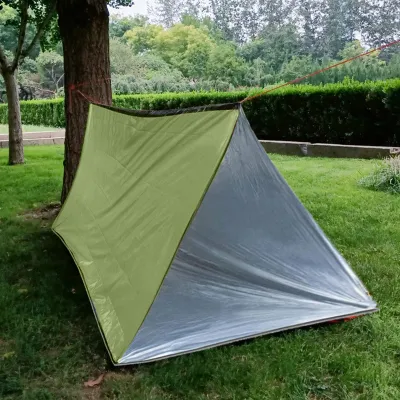
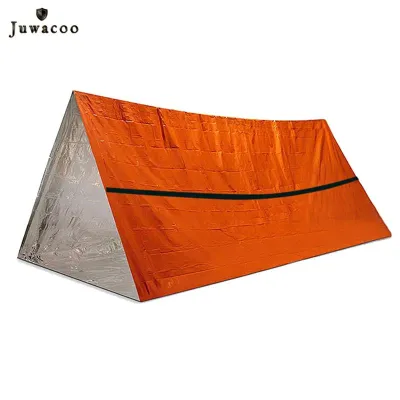
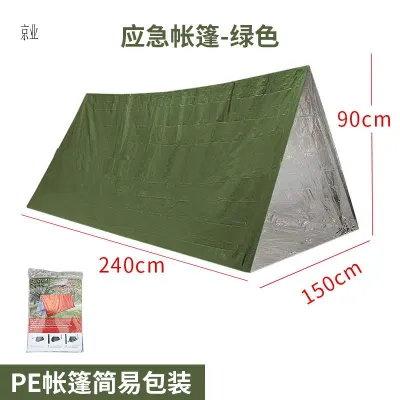
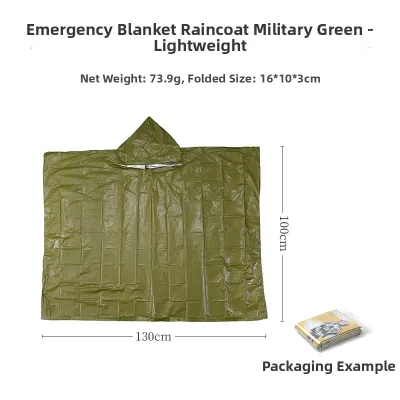
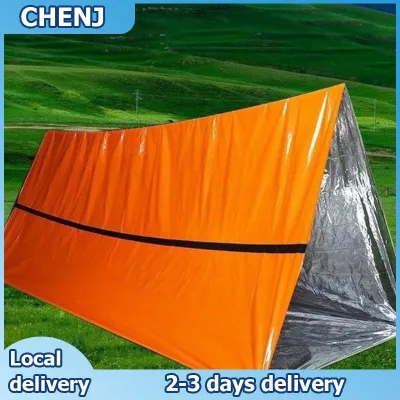
Prices are valid at publication and may change. Please refer to the product page for the latest price.
Never rely solely on the manufacturer’s stated occupant rating when calculating capacity. A standard two-person tent is designed to fit two sleeping pads side-by-side with virtually no extra space. In an emergency, you must store your bug-out bags, emergency rations, water containers, and medical supplies inside the tent to keep them dry and secure.
To accommodate both occupants and essential survival gear, select a tent with a rated capacity of at least one person greater than the actual number of users. For a family of three, a four-person or five-person tent provides the necessary interior volume to keep critical supplies accessible and protected from ground moisture. This extra space also reduces physical crowding, which can help lower stress levels during a prolonged evacuation.
Seasonal considerations are also crucial when planning your shelter needs. The Philippines experiences a tropical climate characterized by a distinct wet season and a dry season, with typhoons frequently bringing extreme wind and torrential rain. If your emergency plan is tailored for typhoon season, your shelter must feature heavy-duty weatherproofing and a highly stable frame. For dry-season preparedness, the focus shifts toward heat mitigation and insect protection.
Evaluate Weather Resistance and Waterproofing Labels
When evaluating a tent’s technical specifications, the hydrostatic head (HH) rating indicates how much water pressure the fabric can withstand before leaking. This rating is measured in millimeters; for example, a 1500mm rating means the fabric can support a 1500mm column of water before moisture penetrates. For the intense downpours common during monsoons, look for a rainfly with a minimum HH rating of 2000mm to 3000mm.

The tent floor requires an even higher rating, ideally 5000mm or more, because the physical pressure of sitting or sleeping on the floor forces water through the fabric much more easily than rain falling on the canopy. Always verify these ratings on the manufacturer’s specification sheet rather than relying on generic waterproof claims.
Even the most waterproof fabric will leak if the seams are not properly sealed. Fully taped seams feature a waterproof tape heat-sealed over every single stitched joint on both the rainfly and the floor. In contrast, critically taped seams only cover the most exposed areas, such as the roof joints, leaving side seams vulnerable to wind-driven rain. For reliable emergency protection, always verify that the manufacturer specifies fully taped seams.
A full-coverage rainfly extends all the way to the ground, creating a protective outer shell that shields the inner tent body from wind and splashing water. Partial rainflies, which only cover the top portion of the tent, leave the lower fabric walls exposed to angled rain and ground splashback. During severe tropical storms, a full-coverage rainfly is essential for keeping the interior dry.
A bathtub floor is another critical feature for tropical wet-weather survival. This design uses a continuous piece of waterproof fabric that wraps several inches up the sides of the tent before meeting the wall seams. This construction ensures that standing water or ground runoff cannot seep into your sleeping area, even if the ground beneath the tent becomes completely saturated.
Balance Setup Speed, Weight, and Packed Size
Freestanding tents utilize a rigid pole structure that allows the tent to stand on its own without the need for stakes or guylines. This makes them exceptionally versatile for rapid deployment on hard surfaces like concrete gym floors, asphalt, or rocky ground where driving stakes is impossible. Non-freestanding tents require stakes and tensioned lines to remain upright, which can significantly delay setup time and limit your choice of campsite.
In a high-stress evacuation scenario, every second counts, especially if you are pitching your shelter in the dark or during a sudden downpour. Look for tents featuring hubbed pole designs, where the poles are pre-connected by elastic shock cords to a central hub, minimizing confusion. Color-coded clips and poles further simplify the setup process by clearly indicating which parts connect, allowing you to pitch the tent in minutes.
Pre-attached guylines with quick-tensioning adjusters also speed up the process of securing the tent against sudden gusts of wind. These small design details can make a significant difference when you are exhausted and need to establish shelter quickly.
Your emergency shelter must be easy to transport, particularly if you need to evacuate on foot over long distances. Evaluate the packed dimensions and weight of the tent to ensure it fits comfortably inside or straps securely to the exterior of your standard bug-out bag. A heavy, bulky tent will quickly exhaust you and slow down your evacuation progress, so aim for a packed weight that aligns with your physical capabilities.
Check Material Durability and Structural Integrity
The durability of tent fabrics is measured in denier (D), which indicates the weight and thickness of the individual threads used in the weave. A higher denier rating, such as 75D or 150D, signifies a thicker, more puncture-resistant fabric that can withstand rough handling and abrasive ground surfaces. For emergency shelters, prioritize a high denier rating for the tent floor, as this area is subject to constant friction from gear, footwear, and ground debris.
While lightweight canopies may use 20D to 40D fabrics to reduce overall weight, the floor should always feature a significantly more robust material to prevent punctures. If you must use a lightweight tent, consider pairing it with a durable ground tarp to protect the floor from sharp objects.
The structural integrity of your shelter depends heavily on the quality of its poles. Aluminum poles are highly recommended for emergency tents because they offer an excellent strength-to-weight ratio and remain flexible under high wind loads. In contrast, fiberglass poles are heavier, less flexible, and prone to splintering catastrophically when subjected to strong winds, which can easily tear through the tent fabric.
The intense tropical sun can rapidly degrade synthetic fabrics through ultraviolet (UV) radiation, causing them to become brittle, fade, and tear easily over time. Look for tents treated with UV-resistant coatings, or opt for polyester fabrics, which naturally offer better resistance to UV degradation than nylon. This protection is especially important if your shelter will remain pitched for extended periods during recovery efforts.
Manage Ventilation for Tropical Humidity
Double-wall tents consist of two distinct layers: a highly breathable inner mesh body and a separate waterproof outer rainfly. This configuration is essential for managing the high humidity levels characteristic of the local climate. In a double-wall tent, warm, moist air from your breath passes through the inner mesh and condenses on the underside of the outer rainfly, where it drains safely to the ground.
Single-wall tents lack this separation, meaning condensation will form directly on the inside of your living space, quickly dampening your sleeping bag and gear. For tropical environments, single-wall designs should generally be avoided unless they feature extensive, specialized ventilation systems.
To maximize cross-ventilation and keep interior temperatures manageable, look for tents with large mesh panels on the walls and doors. Dual-door configurations are particularly effective, as they allow air to flow directly through the shelter, creating a cooling breeze. Adjustable roof vents on the rainfly are also crucial, as they can be propped open to let hot air escape even when the rainfly is fully zipped shut during a downpour.
In tropical environments, a poorly ventilated tent can quickly turn into a dangerous greenhouse, leading to heat exhaustion or dehydration. Ensuring your shelter has adequate ventilation is not just a matter of comfort; it is a critical safety measure that protects your health and preserves your stored gear from mold and mildew.
Build and Compare Your Tent Shortlist
To make an informed purchasing decision, compile a comparison matrix of potential emergency tents. List key specifications for each model, including packed weight, packed dimensions, hydrostatic head ratings, pole materials, and floor designs, to evaluate them side-by-side. This systematic approach helps you avoid emotional purchasing decisions and ensures you select a tent that meets your technical requirements.
Establish a realistic budget based on your specific emergency preparedness needs. While basic, entry-level tents may cost around ₱1,500, high-quality models featuring durable aluminum poles and reliable waterproofing typically range from ₱4,000 to ₱10,000 or more. Investing in a higher-tier shelter provides peace of mind, as cheaper alternatives often compromise on seam sealing and pole strength, which can lead to catastrophic failure during a severe storm.
Before finalizing your purchase, cross-reference user reviews on reputable online marketplaces and outdoor forums to gather real-world feedback. Pay close attention to comments regarding seam leakage during actual heavy rains, pole durability in high winds, and the ease of contacting customer service for warranty claims. This step helps verify that the manufacturer’s specifications hold up under real-world conditions.
Frequently Asked Questions (FAQ)
How often should I replace my emergency shelter tent?
The lifespan of an emergency shelter tent depends heavily on how it is stored and the environmental conditions it is exposed to. In hot, humid climates, synthetic fabrics and waterproof coatings are highly susceptible to hydrolysis, a chemical reaction where moisture breaks down the polyurethane (PU) barrier. To ensure your tent remains reliable, inspect it at least once a year for visual and tactile signs of degradation.
If the fabric feels sticky to the touch, emits a strong sour or mildew-like odor, or if the polyurethane coating is flaking off in white dust, the waterproof barrier has degraded. Additionally, check the seam tape along the stitched joints; if the tape is peeling, cracking, or delaminating, the tent will no longer keep out heavy rain. While minor seam peeling can sometimes be repaired with aftermarket seam sealer, extensive fabric stickiness or flaking indicates that the tent has reached the end of its useful life and must be replaced to ensure your safety in a real emergency.
Can I use a regular camping tent for emergency evacuation?
Yes, a high-quality recreational camping tent can serve as an emergency shelter, provided it meets the specific demands of your evacuation plan. However, you must carefully evaluate the differences in weight, packed size, and setup complexity between standard camping models and dedicated emergency shelters. Many recreational tents are designed for comfort and spaciousness, which often translates to a heavier packed weight and a larger, bulkier footprint that may not fit easily into a standard bug-out bag.
Furthermore, some camping tents feature complex pole configurations and sleeve designs that are difficult and time-consuming to pitch under high-stress, low-visibility, or windy conditions. Before relying on a standard three-season camping tent for emergencies, practice pitching it in the dark or under simulated adverse conditions to ensure you can deploy it rapidly. Verify that its weather ratings, pole materials, and structural limits are robust enough to withstand the severe wind and rain typical of local tropical storms, as a basic recreational tent may fail when subjected to extreme weather.

Community discussion
Share your experience or ask a question. Comments are reviewed before publication.