
Finding the right diving goggles—properly referred to as a dive mask—requires prioritizing a reliable seal, optical clarity, and structural durability over aesthetic appeal. For men, this selection process is heavily influenced by distinct facial anatomy, including wider cheekbones, a more pronounced brow ridge, and the presence of facial hair. A poorly fitting mask leads to persistent leaks, fogging, and distracting discomfort, which can compromise safety during a dive. By focusing on key specifications such as skirt material, lens configuration, frame volume, and testing methods, you can secure a mask that remains watertight and comfortable throughout your underwater excursions.
Why Facial Structure Matters for Men's Dive Masks
Male facial anatomy presents specific challenges for achieving a reliable watertight seal. The width of the cheekbones and the angle of the jawline directly dictate how the outer skirt of the mask conforms to the skin. If a mask frame is too narrow, the skirt will ride up on the outer edges of the cheekbones, creating channels where water can easily seep in when you smile, yawn, or clear your regulator. Conversely, an overly wide frame may overlap with the hairline or sit too close to the temples, preventing the silicone from making direct, flat contact with the skin.
The height and shape of the nose bridge also require careful consideration. Men often have higher or wider nose bridges, which can press painfully against the hard plastic frame of an ill-fitting mask. This contact not only causes bruising during prolonged dives but can also restrict your ability to pinch your nose for equalization. A deep, flexible nose pocket is essential to accommodate these structural variations without putting downward pressure on the nasal cartilage.
Products mentioned in this guide
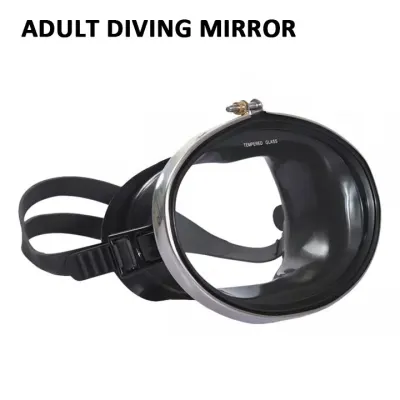
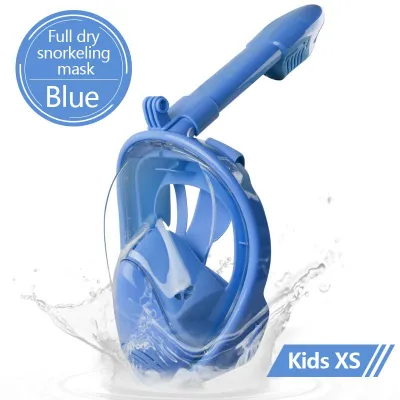
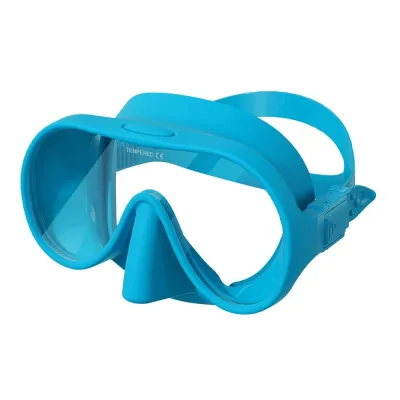
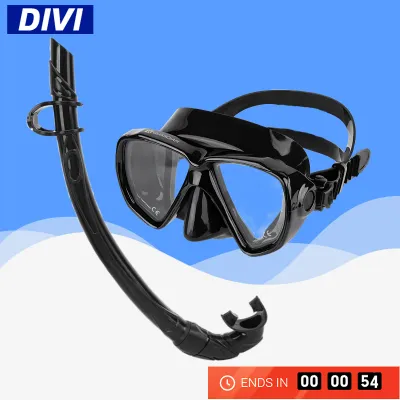
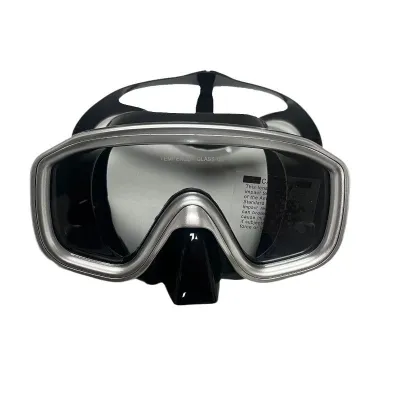
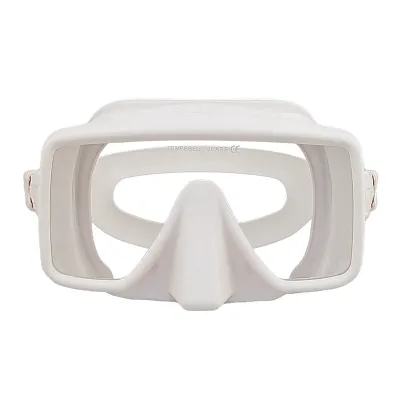
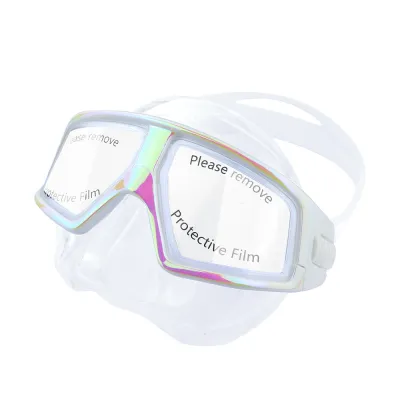
Prices are valid at publication and may change. Please refer to the product page for the latest price.
Facial hair is one of the most common culprits behind vacuum seal failure. Even a few days of stubble or a well-groomed mustache can create microscopic gaps between the skin and the mask skirt, allowing water to slowly fill the nose pocket. While initial mitigation strategies like applying a thin layer of silicone grease or petroleum jelly can help temporarily, selecting a mask with a highly pliable, thin-edged skirt is the most effective starting point for managing facial hair.
Key Features to Evaluate When Choosing Dive Goggles
Selecting the right dive mask involves evaluating three primary components that dictate performance, comfort, and visibility. These core dimensions are the skirt material, the lens configuration, and the frame volume. Understanding how these features interact allows you to filter out unsuitable options and focus on models that align with your facial structure and diving style.

Skirt Material and Seal Design
The skirt is the flexible portion of the mask that directly contacts your face, and its material composition is critical for both comfort and longevity. High-quality masks utilize 100% medical-grade silicone, which remains soft, highly pliable, and resistant to UV radiation and saltwater degradation over years of use. In contrast, cheaper masks made from plastic-based materials like PVC or low-grade rubber tend to stiffen, crack, and discolor quickly, especially when exposed to tropical heat and sunlight.
To ensure a reliable seal, look for a mask featuring a double feather-edge skirt. This design incorporates an additional inner flap that runs parallel to the outer edge, creating a secondary barrier against water ingress. When water pressure increases as you descend, this double-edge system is pressed more firmly against the contours of your face, automatically reinforcing the seal without requiring you to tighten the head strap excessively.
The color of the skirt also plays a significant role in your underwater experience. Clear silicone skirts allow more ambient light to enter from the sides, reducing feelings of claustrophobia and expanding your perceived field of view, though they can yellow over time and are more prone to showing algae buildup if not cleaned thoroughly. Black silicone skirts block peripheral light, which helps eliminate distracting reflections on the inside of the lenses—a feature highly favored by underwater photographers and hunters—while offering excellent resistance to UV-induced discoloration.
Lens Type and Field of Vision
The lenses of your dive mask are your window to the underwater world, making their material and design paramount for safety and clarity. You must verify that any mask you consider uses tempered glass lenses, which are chemically or thermally treated to withstand high pressure and resist scratching. Tempered glass is a critical safety standard because, in the rare event of a high-impact breakage, it shatters into small, blunt granular pieces rather than sharp, dangerous shards; always look for a permanent “T” or “Tempered” stamp on the corner of the glass.
When deciding on lens configuration, you will generally choose between single-lens and dual-lens designs. Single-lens masks feature a continuous pane of glass across the bridge of the nose, offering an unobstructed, panoramic view that is highly beneficial for situational awareness. Dual-lens masks, on the other hand, have a rigid frame divider down the center, which brings the lenses closer to your eyes to improve the field of view and makes them compatible with drop-in prescription lenses if you require vision correction.
Some masks incorporate additional side windows to expand your peripheral vision even further. While these multi-lens designs can make you feel more open underwater, they can introduce optical distortion and distracting reflections at the seams where the glass panels meet. This distortion can become particularly disorienting in low-visibility conditions or during night dives when your primary light source is a narrow flashlight beam.
Frame Volume and Profile
Frame volume refers to the amount of air space trapped inside the mask when it is sealed against your face. Low-volume masks are designed to sit very close to your face, minimizing the internal air pocket. This low profile is highly advantageous for freediving and spearfishing because it requires very little air from your lungs to equalize the pressure inside the mask as you descend, and it makes clearing water out of the mask incredibly easy.
High-volume masks, by contrast, sit further away from the face and contain a larger volume of air. While they require more effort and air to clear if water enters, they are often more comfortable for men with prominent brow ridges, long eyelashes, or broader facial features who might otherwise feel the glass pressing against their skin. Additionally, the larger internal space can sometimes provide a wider vertical field of view, making it easier to look down at your gear harness without tilting your head.
The overall profile and weight of the frame also affect your comfort and hydrodynamic efficiency. A bulky, heavy frame can create noticeable drag when swimming against strong currents, and the extra weight can cause the mask to slide down your face over time. Opting for a streamlined, lightweight frame—or even a frameless mask where the silicone skirt is molded directly to the glass—reduces drag and minimizes the physical strain on your neck during long dives.
How to Test the Fit Before You Buy
You should never purchase a dive mask based on online reviews or appearance alone; testing the physical fit on your own face is the only way to guarantee a watertight seal. To perform the classic inhale test, tilt your head back slightly, place the mask gently on your face without using the head strap, and tuck away any stray hair from your forehead and temples. Inhale gently through your nose and hold your breath while returning your head to a level, forward-looking position.
If the mask fits your facial structure, the gentle suction should hold the mask firmly in place without you needing to support it with your hands. While holding your breath, listen closely and feel for any micro-leaks, which typically manifest as a cool draft of air entering around the temples, the corners of the mouth, or the base of the nose. If the mask falls off or requires continuous inhalation to stay put, the frame shape is incompatible with your face.
Next, verify the usability of the nose pocket while the mask is sealed. Reach up and attempt to pinch your nose to simulate the equalization process; your fingers should easily grip the nose pocket without breaking the seal of the skirt or pressing the hard frame against your nasal bone. If the nose pocket is too small or rigid, equalizing your ears during a rapid descent will become difficult and painful.
Finally, pay close attention to how the internal components of the mask interact with your eyes and brow. Open your eyes wide and blink several times to ensure your eyelashes do not touch the glass, as this constant contact will quickly transfer oils to the lens, causing persistent fogging. Ensure that the rigid top frame does not press directly against your brow bone, as the increased water pressure at depth will turn minor showroom discomfort into a severe, painful headache underwater.
Matching Goggle Specs to Your Diving Environment
Your choice of dive mask should align closely with the specific environments and activities you plan to pursue. Scuba diving generally permits the use of medium-to-high-volume masks because you have an abundant supply of breathing gas to easily clear water and equalize the mask space. Freediving and spearfishing, however, demand ultra-low-volume masks with highly flexible nose pockets to conserve your limited breath-hold air and facilitate rapid, hands-free equalization.
If you frequently dive in bright, tropical environments like the coastal waters of the Philippines, you must account for intense sunlight and surface glare. Verifying that your mask lenses feature UV protection can help shield your eyes during long surface intervals, while specialized anti-fog coatings can mitigate the condensation issues caused by the stark temperature difference between the warm tropical air and cooler water temperatures at depth. Always follow the manufacturer’s instructions for preparing new lenses, as many require a pre-treatment to remove the protective silicone film left over from the manufacturing process.
When budgeting for your gear, high-quality masks typically represent a long-term investment in your safety, so verify local retail options in Philippine Pesos (₱) to find a balance between cost and material quality. For divers who require vision correction, several practical options exist to ensure you do not miss critical details underwater. Many dual-lens masks are compatible with off-the-shelf corrective lenses that can be swapped in by a dive shop, providing an affordable solution for common nearsightedness or farsightedness. Alternatively, you can opt for custom-bonded prescription lenses permanently adhered to the mask glass, or wear soft contact lenses under your mask, provided you are comfortable with the risk of losing a contact lens if your mask floods and you must clear it underwater.
Frequently Asked Questions (FAQ)
Can men with beards or mustaches get a proper seal with a dive mask?
Yes, men with facial hair can achieve a functional seal, though it requires extra preparation and specific mask features. Coarse hair breaks the vacuum seal of the silicone skirt by creating tiny pathways for water to seep through. To mitigate this, you can trim the very top of your mustache down by a few millimeters to create a clean strip of skin directly under your nose where the mask skirt rests. Additionally, applying a small amount of food-grade silicone grease, mustache wax, or a heavy skin moisturizer to your facial hair before a dive can help fill the gaps between the hairs and temporarily block water ingress. Choosing a mask with an exceptionally soft, high-grade silicone skirt also allows the material to conform more closely around individual hairs.
Is it safe to use standard swimming goggles for scuba diving?
No, it is highly unsafe to use standard swimming goggles for scuba diving or any form of deep breath-hold diving. Swimming goggles do not enclose your nose, which makes it physically impossible to equalize the air pressure inside the goggles as you descend. As water pressure increases with depth, the air inside unequalized goggles compresses, leading to a painful condition known as mask squeeze that can cause severe bruising and blood vessel damage in your eyes. Furthermore, standard swim goggles are constructed from lightweight plastics that lack the tempered glass and rigid structural reinforcement required to withstand underwater pressure changes, presenting a high risk of structural failure and eye injury. A purpose-built dive mask that covers both the eyes and nose is an absolute safety requirement for all submerged diving activities.

Community discussion
Share your experience or ask a question. Comments are reviewed before publication.