
Selecting a hydration vest—often searched as a hydro vest for men—requires balancing fluid capacity, anatomical fit, and gear accessibility. In tropical environments like the Philippines, where high heat and humidity accelerate sweat rates, a hydration vest is not just a convenience; it is a critical safety tool. The ideal vest should feel like an extension of your body, distributing weight evenly across your torso while allowing your chest to expand fully during heavy exertion.
When shopping for a vest, you must look beyond aesthetics and brand names. A poorly fitting vest can cause painful chafing, restrict your breathing, or bounce excessively, turning an enjoyable run into a frustrating ordeal. By focusing on your specific running distance, your body measurements, and the climate you train in, you can find a vest that supports your performance and keeps you safe on the road or trail.
Define Your Running Distance and Hydration Needs
Your typical running distance and environment dictate how much fluid and gear you need to carry. A minimalist vest designed for short road runs will leave you stranded on a long trail run, while an ultramarathon pack will feel unnecessarily bulky on a quick morning jog. Matching the vest’s storage volume—measured in liters—to your target duration is the first step.
Products mentioned in this guide
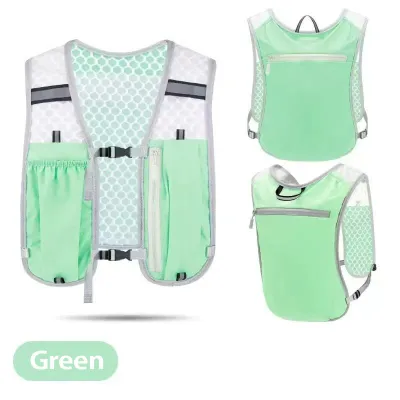
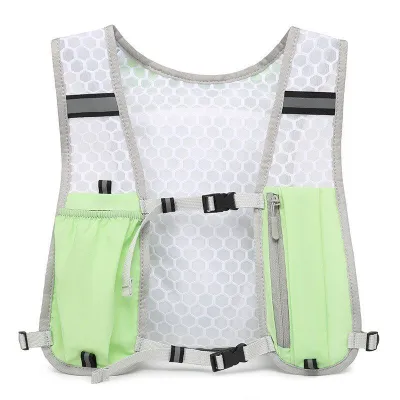
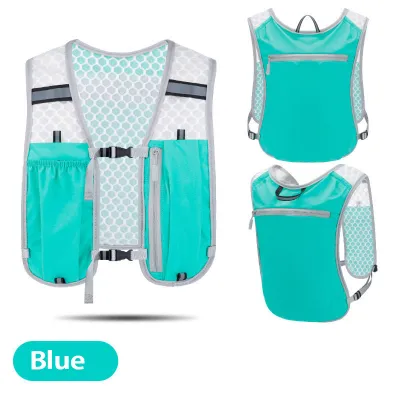
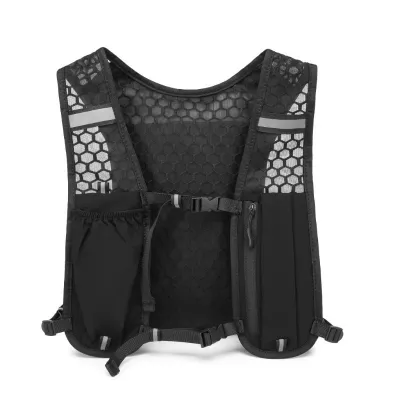
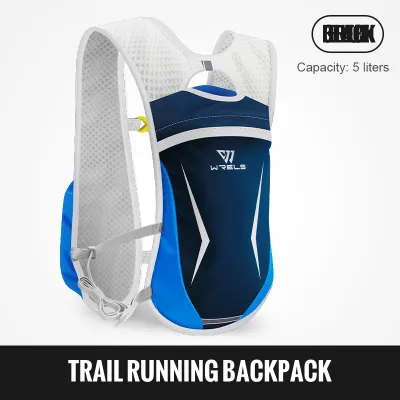
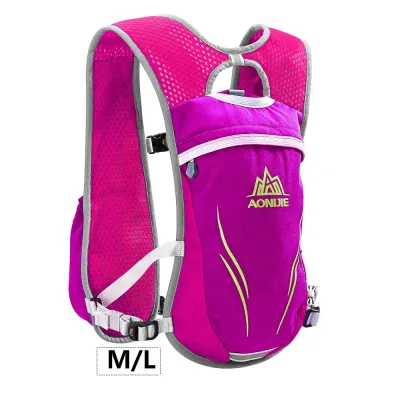
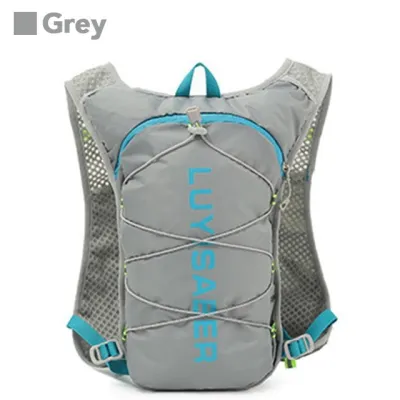
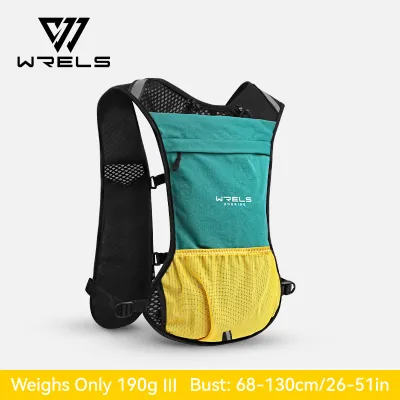
Prices are valid at publication and may change. Please refer to the product page for the latest price.
For short runs under an hour, a lightweight vest with a gear capacity of 2 to 3 liters is usually sufficient. These packs focus on carrying just the essentials: a phone, keys, and up to a liter of water.
If you are training for half-marathons or runs lasting between one and two hours, look for a medium-capacity vest of 4 to 8 liters. This size allows you to carry up to 1.5 liters of fluid alongside energy gels, salt tablets, and a light windbreaker.
For ultramarathons or self-supported trail runs exceeding two hours, you will need a high-capacity vest of 10 to 15 liters. These packs are designed to carry extensive mandatory gear lists, including headlamps, emergency blankets, and extra layers, alongside 2 or more liters of water.
The tropical climate of the Philippines significantly amplifies your hydration requirements. High relative humidity prevents sweat from evaporating efficiently, which hinders your body’s natural cooling mechanism and increases your overall sweat rate. To maintain performance and prevent heat-related illnesses, you must consume more fluids and electrolytes than you would in cooler climates. A vest used in these conditions must accommodate this increased fluid volume without becoming a heavy, heat-trapping barrier on your back.
To avoid carrying unnecessary weight or running out of water, calculate your baseline fluid requirements. A practical starting point for running in hot, humid conditions is to consume 500 to 800 milliliters of fluid per hour, adjusted for your individual sweat rate. Compare this requirement against the vest’s carrying options to ensure you can carry enough water to last between planned refill points.
Prioritize Fit, Sizing, and Chafe Prevention
A hydration vest must fit snugly to prevent the weight of the water from shifting as you run. Because men generally have broader shoulders, wider chests, and different ribcage structures than women, selecting a vest that accommodates the male torso is essential for comfort and stability.

When determining your size, do not rely on your standard t-shirt size. Manufacturers use highly specific sizing charts based on chest and torso measurements. Use a soft measuring tape to measure your chest circumference at its widest point—typically across the nipples—while wearing the running shirt you plan to use most often.
If your measurement falls between two sizes, consider how you plan to pack the vest. A tighter fit minimizes bounce, but a slightly larger size accommodates bulky layers or a fully packed rear compartment.
To secure the load and minimize bounce, look for highly adjustable harness systems. The best vests feature adjustable sternum straps on a rail system or multiple hook-in points, allowing you to customize the height and tension across your chest. Side cinches, elastic bungee cords, or lateral adjustment straps are also crucial, as they allow you to compress the vest as you drink down your water, keeping the remaining fluid tight against your spine.
Chafing is the enemy of any long-distance runner, and repetitive motion over hours can turn minor friction into painful skin irritation. Inspect the vest’s construction for seamless panels and soft, breathable mesh linings. Padded shoulder straps help distribute the weight of a full hydration system across your collarbones, while smooth, soft-edge bindings along the neck and underarms prevent the fabric from sawing into your skin during arm swings.
Choose Between Soft Flasks and Hydration Bladders
How you prefer to access and carry your water is a major decision point. Hydration vests generally utilize two primary systems: front-mounted soft flasks or a rear-mounted hydration bladder. Each system has distinct advantages and trade-offs depending on your running style and accessibility preferences.
Front-mounted soft flasks, typically holding 500 milliliters each, sit in dedicated pockets on the shoulder straps. This setup offers easy access, allowing you to drink on the go without breaking your stride or removing the vest. It also simplifies volume monitoring, as you can easily see how much water you have left, and allows you to carry two different fluids, such as pure water in one flask and an electrolyte mix in the other. However, some runners find the weight on the front of the chest distracting, and flasks can sometimes slosh loudly when partially empty.
Rear-mounted hydration bladders, usually holding 1.5 to 2 liters, slide into a dedicated sleeve on the back of the vest. This system provides a higher continuous fluid capacity, making it ideal for long, self-supported runs where water sources are scarce. Keeping the water weight centered on your back can also feel more balanced and stable. The trade-offs include a more difficult refill process at aid stations, as you must remove the vest and open the rear compartment, and the inability to easily monitor your remaining water level while moving.
If you opt for a bladder system, evaluate the hose routing and bite valve design. Look for vests that offer secure routing loops over the shoulder or under the arm, along with magnetic clips or elastic loops to keep the hose from bouncing against your chest. Insulated bladder sleeves are also highly beneficial in hot climates, preventing your body heat from warming the water in the reservoir.
Finally, always verify what is included in the box. Some manufacturers include proprietary soft flasks or a bladder with the vest, while others sell the pack alone. Purchasing flasks or bladders separately can add significant cost to your overall gear investment, so factor this into your budget.
Evaluate Storage Layout and Gear Accessibility
A well-designed hydration vest organizes your gear so that essential items are always within arm’s reach. The layout of the pockets determines how efficiently you can manage your nutrition, electronics, and safety gear without having to stop and remove the pack.
Assess the front pocket placement and stretch capacity. You should be able to access energy gels, salt tablets, a smartphone, and small essentials quickly. Look for deep, stretchy mesh pockets with secure closures, such as zippers or elastic lips, to prevent items from ejecting on steep descents or rough terrain. A dedicated, sweat-resistant zippered pocket for your phone is highly recommended to protect electronics from moisture.
Review the main rear compartment’s access style. Top-loading compartments with roll-top closures or elastic compression cords are excellent for quickly stuffing bulky items like a rain jacket or an extra layer. Zip-around compartments offer more structured, organized access, making them ideal for packing mandatory safety kits, first aid supplies, and spare headlamps that you hope you won’t need to access frequently.
Check for specialized external features that match your running style. If you use trekking poles for steep climbs, look for dedicated attachment loops, bungee configurations, or a compatible pole quiver. An integrated safety whistle is often a mandatory requirement for trail races and should be easily accessible near your collarbone. Additionally, reflective elements on both the front and back of the vest are crucial for safety during early morning, dusk, or night runs along roads or shared trails.
Inspect Materials, Breathability, and Care Requirements
The materials used in a hydration vest directly impact its durability, comfort, and performance in challenging weather conditions. In hot and humid climates, fabric selection can make the difference between a comfortable run and overheating.
Prioritize lightweight, high-airflow mesh panels on the back, shoulders, and inner straps. A solid fabric back panel acts like a greenhouse, trapping body heat and accelerating sweat production. Open-weave mesh maximizes ventilation, allowing sweat to evaporate and helping to regulate your core body temperature. The mesh should feel soft to the touch to prevent irritation when worn over thin running singlets or directly against the skin.
While breathability is critical for the harness, look for water-resistant or quick-drying coatings on the outer pockets. This helps protect your dry goods, nutrition, and electronics from light rain showers and heavy sweat. Keep in mind that no vest is completely waterproof; placing sensitive electronics in a sealed plastic bag inside the pocket remains the safest practice.
Sweat contains salt, oils, and bacteria that can degrade elastic fibers and technical fabrics over time, leading to a loss of elasticity, fabric breakdown, and persistent odors. Review the manufacturer’s care label before purchasing. Most high-performance vests require hand-washing in cold or lukewarm water with a mild, non-biological detergent. Avoid fabric softeners, bleach, and machine washing or tumble drying unless explicitly permitted, as these can destroy the technical coatings and delicate mesh.
After washing, hang the vest to air-dry completely in a shaded, well-ventilated area. Never store a damp vest in a dark closet or gear bag, as mold and mildew can develop rapidly, especially in humid environments, ruining the materials and creating permanent odors.
Frequently Asked Questions (FAQ)
How tight should a hydration vest feel when fully loaded?
A hydration vest should fit like a snug, comfortable hug. It should be tight enough to prevent the weight of the water and gear from bouncing or shifting as you run, but not so tight that it restricts your breathing or digs into your ribs. When you take a deep, chest-expanding breath, you should feel the elastic elements of the vest stretch slightly without resisting your lungs’ expansion. Always test the fit with fully loaded flasks or a full bladder, as water weight changes the shape and balance of the vest significantly compared to when it is empty.
Can I use a unisex hydration vest instead of a men's specific model?
Yes, many runners successfully use unisex hydration vests. However, unisex models are often designed around a standard male torso template but may feature shorter torso lengths or different strap placements to accommodate a wider range of body types. For men with broader chests, wider shoulders, or longer torsos, a unisex vest might ride too high, causing the lower straps to rub against the ribcage or the armpits. If you choose a unisex option, test it with weighted flasks to ensure the straps do not pinch, rub, or cause friction during your normal arm swing.
How do I clean and dry a hydration vest to prevent odors?
To prevent odors and extend the lifespan of your vest, hand-wash it in lukewarm water with a mild, scent-free detergent after heavy runs. Gently agitate the fabric to release salt buildup from sweat, then rinse thoroughly with clean water. For flasks and bladders, use warm water mixed with a small amount of baking soda or a specialized cleaning tablet, using a bottle brush to clean the corners and hose. Hang the vest, flasks, and bladders upside down in a well-ventilated, shaded area until they are completely dry before storing them.

Community discussion
Share your experience or ask a question. Comments are reviewed before publication.