
Finding the right snorkeling set for your child is the first step toward a safe and memorable underwater adventure. Unlike adult gear, which is designed for larger lung capacities and facial structures, children’s snorkeling equipment must prioritize a secure, watertight seal, easy breathing mechanics, and a comfortable fit that prevents fatigue. Whether you are preparing for a family weekend trip to the calm shallows of Batangas or exploring the clear waters of Panglao, choosing the right gear ensures your child focuses on the marine life rather than struggling with a leaking mask or a heavy snorkel.
Before purchasing any equipment, it is vital to remember that snorkeling gear is a tool for exploration, not a life-saving device. No mask, snorkel, or fin can replace swimming proficiency, water safety training, and continuous adult supervision. Understanding what features to look for and how to verify their quality will help you select a set that keeps your young swimmer comfortable, confident, and safe in the water.
Key Features to Check in a Kids' Snorkel Mask
The mask is the most critical component of any snorkeling set, as a leaking or uncomfortable mask can quickly ruin a child’s experience. When evaluating a mask designed for smaller facial structures, the quality of the skirt—the flexible border that contacts the face—is paramount. Look for masks made with high-quality, hypoallergenic liquid silicone rather than cheap plastic or polyvinyl chloride (PVC). Liquid silicone is incredibly soft, conforms easily to the unique contours of a child’s face, and maintains its flexibility over time, ensuring a reliable seal without leaving painful red marks.
Products mentioned in this guide
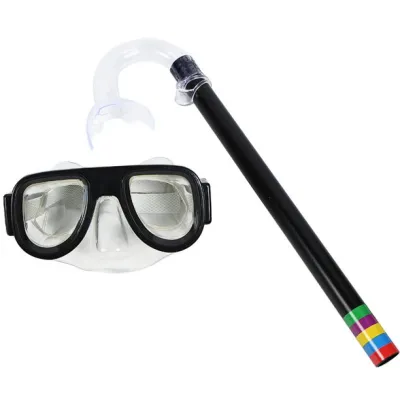
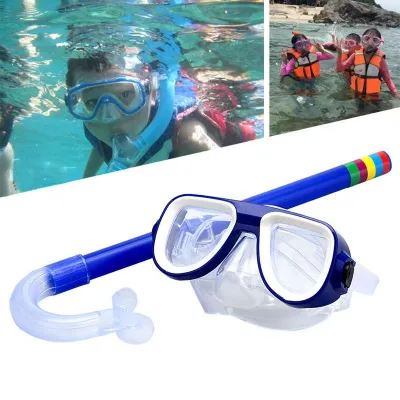
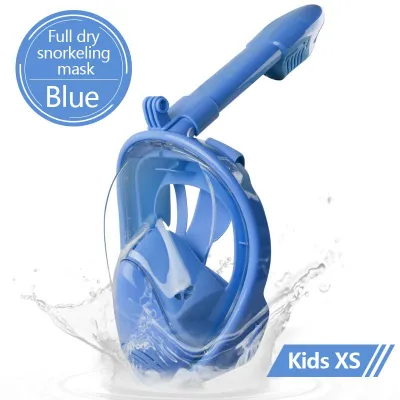
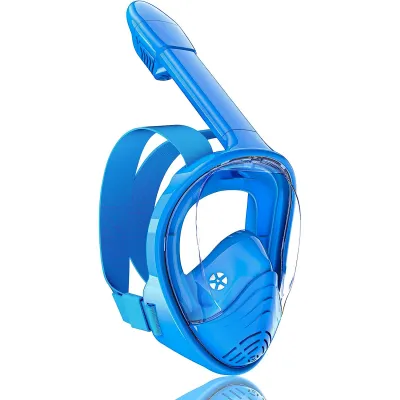
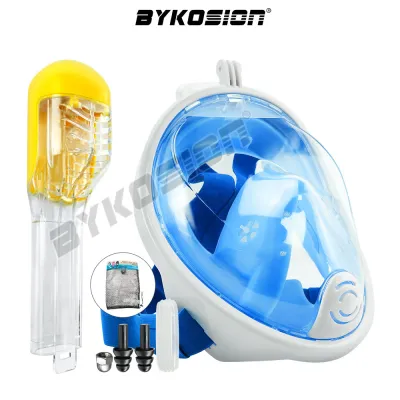
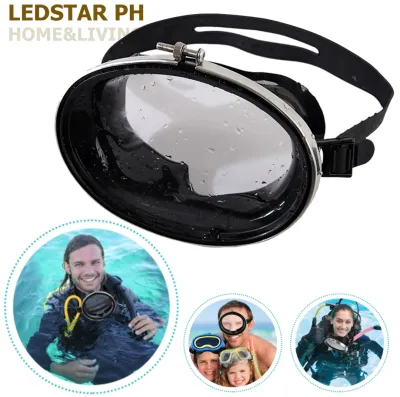
Prices are valid at publication and may change. Please refer to the product page for the latest price.
Lens material is another crucial safety and clarity consideration. Tempered glass is the standard for quality snorkeling masks because it resists scratching, provides exceptional optical clarity, and is treated to withstand water pressure. More importantly, if tempered glass does break, it crumbles into small, dull pieces rather than shattering into sharp, dangerous shards. For very young children or toddlers, high-quality polycarbonate lenses are sometimes used because they are extremely lightweight and virtually shatterproof, though they scratch much more easily than glass. Always check the product specifications to ensure the lens has an anti-fog coating and offers UV protection to shield your child’s eyes from the intense tropical sun.
Finally, examine the strap and buckle system. Children’s hair is easily tangled, and pulling on a tight rubber strap can cause tears before the swim even begins. Look for masks featuring quick-adjust buckles that are easy for parents—and older children—to operate. A wide, split-strap design at the back of the head helps distribute pressure evenly, preventing the mask from slipping. You may also want to consider adding a soft neoprene strap cover, which slides over the silicone strap to prevent hair pulling and makes the mask much easier to put on and take off.
Selecting the Right Snorkel Tube for Children
Choosing a snorkel tube for a child requires careful attention to breathing mechanics and physical comfort. Snorkels generally fall into two categories: dry-top and semi-dry. For beginners and younger children, a dry-top snorkel is highly recommended. These snorkels feature a specialized float valve at the top of the tube that automatically slides shut when submerged, preventing water from entering the tube if a wave washes over or if the child ducks their head. Semi-dry snorkels, on the other hand, feature a splash guard to deflect surface spray but will let water in if fully submerged, making them better suited for older, more experienced swimmers who know how to clear a tube.

One of the most overlooked safety aspects of a child’s snorkel is the tube’s physical dimensions. Children have significantly smaller lung capacities than adults, which means they cannot clear large volumes of stale air from a long or wide tube. If a child uses a snorkel that is too large, they may end up rebreathing their own exhaled carbon dioxide, which can lead to rapid fatigue, headaches, or hyperventilation. Always ensure the snorkel is specifically labeled for youth or kids, as these models feature a shorter tube with a narrower diameter to minimize this “dead space” and reduce breathing resistance.
The mouthpiece must also be scaled down to fit a child’s mouth comfortably. Look for mouthpieces made from soft, food-grade silicone rather than stiff plastic. Orthodontic designs that mimic the natural shape of the jaw are ideal, as they allow the child to hold the snorkel in place with a gentle grip. If the bite tabs are too large or stiff, the child will have to bite down hard to keep the snorkel in place, quickly leading to jaw fatigue and soreness that will cut their snorkeling session short.
Choosing Safe and Efficient Snorkeling Fins
Fins provide the propulsion needed to navigate gentle ocean currents, but the wrong pair can cause muscle strain, cramps, or blisters. When shopping for kids’ fins, you will choose between full-foot and open-heel designs. Full-foot fins slip on like a shoe and provide a snug, streamlined fit, making them excellent for warm-water snorkeling off sandy beaches. However, they offer no size adjustment, meaning children will quickly outgrow them. Open-heel fins feature an adjustable strap at the back, allowing the fin to grow with your child’s feet over several seasons. Open-heel models are also highly versatile because they can be worn bare-foot or paired with thin neoprene booties to protect feet during rocky entries.
Blade stiffness and length are critical factors for younger, less powerful swimmers. While long, stiff blades provide maximum power for adult divers, they require significant leg strength to kick. Forcing a child to use stiff fins can lead to painful calf cramps and rapid exhaustion. Look for short, flexible blades designed specifically for kids. These shorter blades require less effort per kick, allowing children to maintain a natural, easy rhythm while still providing enough propulsion to move comfortably through the water.
To protect your child’s sensitive skin, inspect the foot pocket of the fin carefully. The pocket should be made of soft, pliable rubber or elastomer that stretches slightly to accommodate the foot without pinching. Check for smooth interior seams, padded heel straps, and anti-blister features. If you notice any rough plastic edges inside the foot pocket, avoid that model, as the constant friction of kicking in saltwater will quickly cause painful chafing.
Fit, Comfort, and Pre-Purchase Testing
Before finalizing your purchase, it is essential to test the gear to ensure a proper, comfortable fit. You can easily perform a negative pressure seal test on the mask at home or in the store. Have your child look up slightly, place the mask gently on their face without putting the strap over their head, and instruct them to inhale gently through their nose. If the mask suctions to their face and stays in place when they look forward, the fit is correct and will keep water out. If the mask falls off or if you hear air leaking in around the temples or nose pocket, the mask is too large or does not match their facial structure.
Next, have your child test the snorkel mouthpiece. It should sit comfortably between their lips and teeth without forcing their mouth open uncomfortably wide. While they have the snorkel in place, locate the purge valve at the bottom of the mouthpiece. This one-way valve allows water to drain out easily when the swimmer exhales. Gently blow into the top of the tube to verify that the valve opens smoothly and seals completely afterward, as a faulty purge valve will let water leak directly into the mouthpiece.
To test the fins, have your child put them on and sit on the edge of a chair. Instruct them to gently lift and wiggle their feet to simulate a kicking motion. Watch the heel area closely; the fin should remain snug against the foot without slipping off or pinching the Achilles tendon. If their heel slides out easily, the fin is too large, which can cause them to lose a fin in the water.
When budgeting for a snorkeling set, avoid the ultra-cheap toy sets often found in generic department stores or online marketplaces, which can cost as little as ₱300. These sets frequently use rigid plastic skirts that leak constantly and brittle plastic lenses that scratch easily and pose a safety hazard. A reliable, durable youth snorkeling set from a reputable water sports brand typically ranges from ₱1,200 to ₱3,500. Investing in this price range ensures you receive high-quality silicone, tempered glass, and properly engineered breathing tubes that keep your child safe and comfortable.
Maintenance and Safety Rules for Young Snorkelers
Even the highest-quality snorkeling gear requires proper use and diligent maintenance to remain safe and functional. Before every water session, perform a quick visual inspection of all equipment. Check the silicone mask skirt and snorkel mouthpiece for tiny tears, hairline cracks, or signs of dry rot. Inspect the plastic buckles and fin straps for stress marks or cracks that could snap under tension. If you notice any degradation, replace the damaged component or the entire set immediately to prevent equipment failure while your child is in the water.
Once in the water, establish strict safety boundaries. Children must always snorkel under the direct, active supervision of an adult who is a competent swimmer. Keep your child within arm’s reach, especially in open water or areas with gentle currents. Teach your child to recognize the early signs of fatigue, such as shivering, heavy breathing, or leg cramps, and head back to the shore or boat immediately if these occur. Equipment can enhance the experience, but it cannot replace constant vigilance and clear communication.
After a day of exploring the reefs, proper post-use care is essential to prolong the life of the gear. Rinse all items thoroughly in clean, fresh water to remove salt crystals, sand, and chlorine, which can degrade silicone and scratch lenses over time. Shake off excess water and allow the gear to dry completely in a shaded, well-ventilated area. Avoid leaving the equipment in direct, intense tropical sunlight, as UV rays will quickly make the silicone brittle and yellowed. Once dry, store the set in a cool, dry place away from sharp objects that could puncture the mask skirt or snorkel tube.
Frequently Asked Questions (FAQ)
Can kids use adult snorkeling gear if it fits?
No, children should not use adult snorkeling gear, even if the mask seems to seal or the fins can be tightened to fit. Adult masks have a much larger internal volume, which can make them difficult for a child to clear if water enters. More importantly, adult snorkels feature longer, wider tubes designed for adult lung capacities. A child using an adult snorkel will struggle to push out all the exhaled air, leading to a dangerous buildup of carbon dioxide inside the tube, which can cause dizziness, fatigue, or shortness of breath. Additionally, adult fins are too stiff and heavy for a child’s developing muscles, greatly increasing the risk of severe leg cramps and exhaustion.
Do children need a life jacket when snorkeling?
Yes, flotation assistance is highly recommended for children when snorkeling, especially for beginners, hesitant swimmers, or when exploring open water. A certified life jacket or a dedicated recreational snorkeling vest provides the buoyancy needed to keep your child safely at the surface without requiring constant physical effort. This allows them to relax, breathe easily, and focus on the marine life below. Always check local beach guidelines, resort rules, or boat tour operator regulations, as many marine sanctuaries and organized tours in the Philippines mandate the use of flotation devices for all snorkelers, regardless of age or swimming ability.

Community discussion
Share your experience or ask a question. Comments are reviewed before publication.