
Selecting the right traditional fishing rod requires matching the rod’s physical specifications—specifically its action, power, length, and material composition—to your target species, preferred fishing environment, and casting style. Rather than searching for a single universal rod, the key is finding a balanced tool where the blank, guides, and handle align with how and where you fish.
In tropical environments like the Philippines, factors such as high humidity, intense heat, and saltwater exposure play a significant role in how gear performs over time. Whether you are targeting freshwater species like dalag (mudfish) in local inland waters or casting along coastal reefs, understanding these technical specifications will help you make an informed purchase.
Decoding Rod Action and Power Ratings
Rod action describes where a rod bends along its blank when pressure is applied. Fast-action rods bend primarily in the top 20% to 30% of the tip, offering excellent sensitivity and rapid power transfer for quick hook sets. This makes them ideal for single-hook techniques and fishing in heavy cover where you need to pull fish out quickly.
Products mentioned in this guide
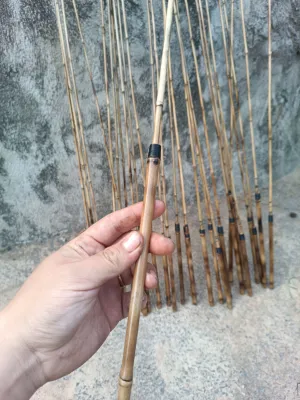
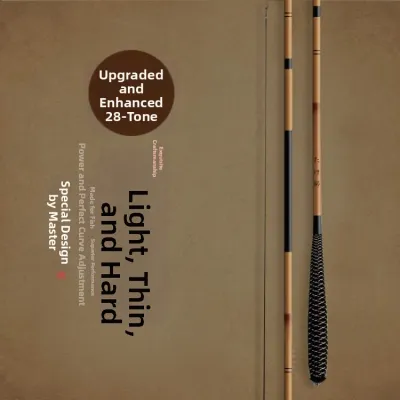
Prices are valid at publication and may change. Please refer to the product page for the latest price.
Moderate-action rods bend down into the middle half of the blank, providing a more forgiving flex. This cushioning effect is highly beneficial when using lures with treble hooks, as it prevents the hooks from tearing out of the fish’s mouth during a fight. Slow-action rods bend almost entirely down to the handle, making them suitable for casting very light baits or protecting thin, delicate lines from snapping.
Power ratings, ranging from ultra-light to heavy, indicate the rod’s overall lifting strength and resistance to bending. An ultra-light rod is designed for small species and light lines, offering an exciting fight even with smaller catches like tilapia. Medium and medium-heavy rods serve as versatile workhorses, handling a wide range of line weights and lure sizes for general angling.
Heavy and extra-heavy rods provide the raw pulling power needed to wrestle large fish out of dense vegetation or deep structures. When selecting a rod, always match its power rating to the recommended line weight and lure weight printed on the blank. Using a line that is too heavy for a light rod can cause the blank to fracture, while using a line too light for a heavy rod can result in frequent line breaks.
Understanding Length and Material Trade-offs
Rod length directly influences your casting distance, leverage, and accuracy. Short rods, typically under 6 feet, offer exceptional leverage and pinpoint casting accuracy. They are highly maneuverable, making them the preferred choice when fishing from crowded banks surrounded by thick bamboo, overhanging mangrove roots, or tight vegetated spaces.

Long rods, measuring 7 feet or more, provide greater casting distance and better line control over waves or currents. They allow you to sweep more line during a hook set, which is advantageous when fishing open waters or casting from a sandy beach. However, longer rods require more physical effort to swing and can be difficult to transport in smaller vehicles.
Traditional fishing rods are primarily constructed from graphite, fiberglass, or composite materials. Graphite is highly prized for its extreme sensitivity and lightweight feel, allowing you to detect subtle nibbles in deep water. However, graphite can be brittle and is susceptible to cracking if subjected to sudden high-impact loads or bent past its structural limit.
Fiberglass is incredibly tough, flexible, and virtually indestructible under normal fishing conditions, making it excellent for heavy-duty pulling and beginner use. The trade-off is that fiberglass is heavier and significantly less sensitive than graphite. Composite rods blend both materials, offering a practical middle ground that combines the sensitivity of graphite with the rugged durability of fiberglass.
Evaluating Guides, Handles, and Reel Seats
The hardware attached to the rod blank directly affects line management, comfort, and the overall lifespan of your gear. Guides are the rings that direct the line along the rod. Look for high-quality guide inserts, such as aluminum oxide or silicon carbide, housed in corrosion-resistant stainless steel or titanium frames.
In humid and coastal environments, cheap guides can rust rapidly or develop rough, chipped edges. These imperfections act like tiny saws, fraying and snapping your fishing line under tension. Inspecting the guides for smooth, crack-free surfaces is a critical quality check before purchasing any rod.
Handle materials generally come down to a choice between cork and EVA foam. Cork offers a classic aesthetic, a comfortable feel, and excellent vibration transfer, but it can dry out, crack, or harbor mold in wet, humid climates. EVA foam is highly durable, resistant to moisture, easy to clean, and provides a secure, non-slip grip even when your hands are wet or covered in fish slime.
Finally, examine the reel seat, which is the bracket that secures your reel to the rod. It should feature a heavy-duty locking nut that holds the reel foot firmly in place without slipping or backing off during a fight. Ensure the reel seat aligns ergonomically with your hand, allowing you to fish comfortably for hours without developing pressure points or hand fatigue.
Building Your Final Spec Checklist
Before making a purchase, compile a checklist to verify the rod’s physical specifications against your intended fishing style. Always read the manufacturer’s label printed directly on the rod blank to confirm the recommended line weight and lure weight ratings. Operating within these specified limits ensures optimal casting performance and protects the rod from structural failure.
For beginners, a budget-friendly composite rod, often priced under ₱1,500, offers excellent durability and forgiveness as you learn casting techniques and handling. Frequent anglers who fish multiple times a week will benefit from investing in a higher-quality graphite rod, which reduces hand fatigue and provides the sensitivity needed to detect subtle bites.
If you are shopping in a physical store, test the rod’s balance by holding it at the reel seat. Never bend the rod tip against a hard surface at a sharp angle, as this can cause immediate damage. Instead, have a store associate gently hold the tip while you load the rod to feel its flex profile. When purchasing from online marketplaces, carefully review the seller’s packaging methods and return policies, as rods are highly vulnerable to damage during transit.
Frequently Asked Questions (FAQ)
Does a higher price always mean a better traditional fishing rod?
Not necessarily. While premium rods utilize high-modulus carbon fiber and titanium components, they also become highly specialized and sometimes more fragile. A mid-range rod often provides the best balance of durability and performance for everyday angling. Prioritize specifications that match your target species and local environment over expensive brand names or specialized features you may not use.
Can I use a freshwater rod for saltwater fishing?
Yes, but with strict maintenance. Freshwater rods often lack the marine-grade, corrosion-resistant hardware required to withstand saltwater exposure. If you use a freshwater rod in coastal waters, you must thoroughly rinse the entire rod, especially the guides and reel seat, with fresh water immediately after your session. Always check the manufacturer’s warranty conditions, as some brands void coverage if a freshwater rod is exposed to saltwater.

Community discussion
Share your experience or ask a question. Comments are reviewed before publication.