
Selecting the right knee and elbow pads for your child is one of the most critical decisions you will make to ensure their roller skating experience is safe and enjoyable. Falls are an inevitable part of learning, but the right protective gear turns a potentially painful accident into a minor, easily dismissed tumble. Parents must look beyond bright colors, focusing instead on structural integrity, shock absorption, secure fastening, and comfort.
The ideal pads balance robust impact resistance with enough flexibility to allow natural joint movement. Additionally, the local climate plays a significant role; in warm, humid conditions, heavy or poorly ventilated pads quickly become uncomfortable, tempting children to remove them. By understanding how different materials, strap designs, and sizing methods affect safety, you can confidently choose gear that keeps your young skater protected, confident, and eager to improve.
Quick Guide to Choosing Kids' Roller Skating Pads
When shopping for kids’ roller skating pads, your immediate priority should be verifying the presence of hard outer caps and dense inner cushioning. A high-quality pad features a rigid plastic shell on the outside to deflect sharp impacts and allow sliding, paired with a thick layer of shock-absorbing foam on the inside. This combination ensures that the force of a fall is distributed across a wider surface area rather than being concentrated directly on the child’s joints.
Products mentioned in this guide
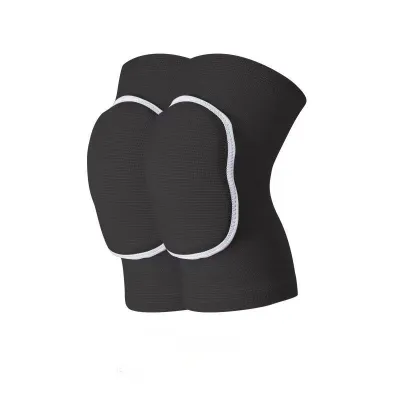
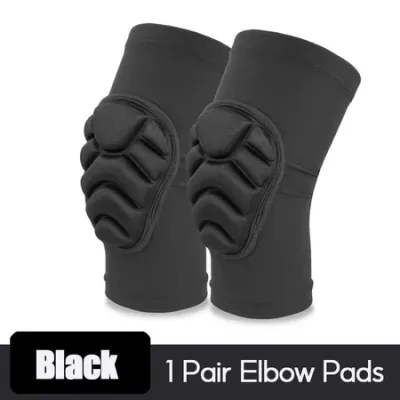
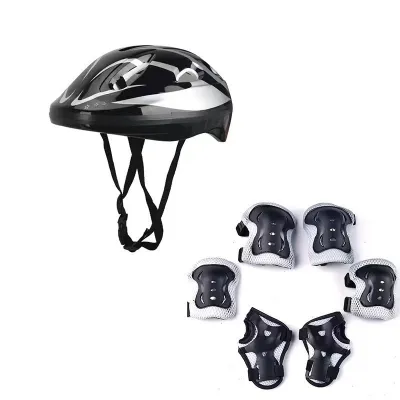
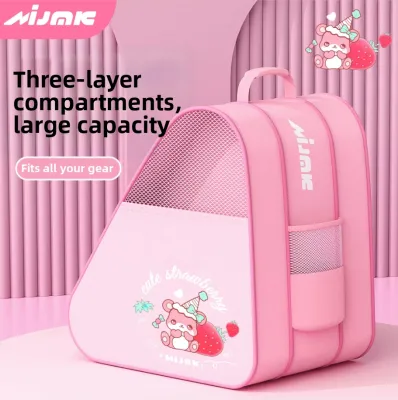
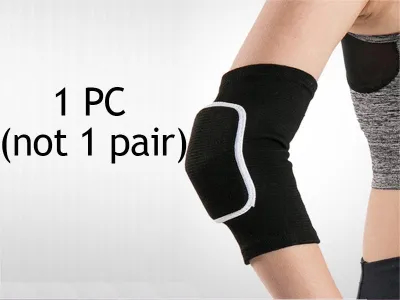
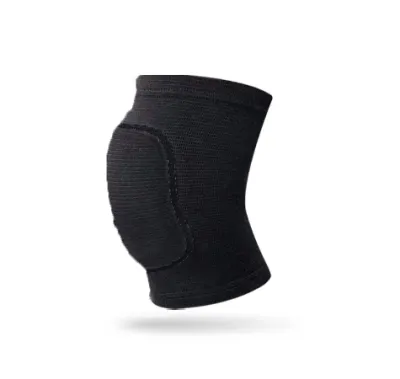
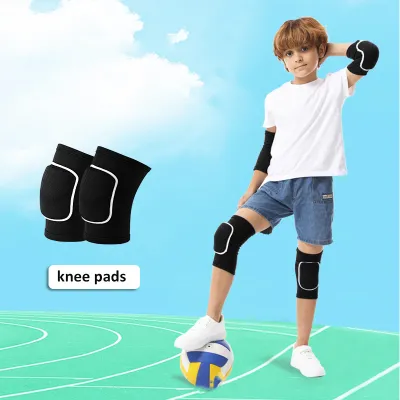
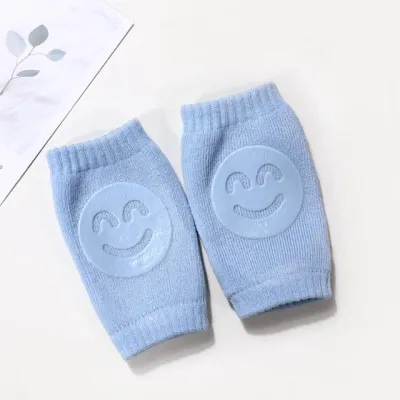
Prices are valid at publication and may change. Please refer to the product page for the latest price.
Achieving the right balance between impact protection and joint mobility is essential for active skating. If the pads are too bulky or rigid, they will restrict your child’s natural movement, making it difficult for them to bend their knees or swing their arms for balance. Conversely, pads that are too thin or flexible may fail to provide adequate protection when hitting hard pavement. Look for ergonomically shaped pads that curve naturally with the joint.
Before browsing online marketplaces or visiting local sports stores, take the time to measure your child’s joints accurately. Relying solely on age recommendations or generic size labels often leads to a poor fit, as children grow at highly individual rates. Having precise measurements of the areas above, below, and directly over the knees and elbows will allow you to compare products against specific manufacturer sizing charts.
Essential Safety and Construction Features to Evaluate
To judge the protective quality and durability of any knee and elbow pads, you must evaluate their technical construction. High-quality protective gear is engineered using specific materials and design principles that work together to minimize injury risks. By focusing on three core areas—impact protection, strap security, and material breathability—you can easily distinguish between reliable safety gear and superficial accessories.

Impact Protection and Padding Density
The hard outer plastic caps, often made from durable polymers like polyethylene, serve a dual purpose during a fall. First, they act as a shield against painful abrasions, preventing the ground from scraping directly against the skin. Second, these hard shells are designed to slide along rough surfaces like asphalt or concrete. When a child falls while moving forward, sliding converts sudden downward impact into forward kinetic energy, which significantly reduces the stress placed on the joints.
Beneath the hard outer shell lies the inner foam layer, which is responsible for absorbing the shock of the impact. When evaluating pads, look for high-density Ethylene-Vinyl Acetate (EVA) foam or specialized memory foam in the product specifications. High-density foam is crucial because it resists compressing completely under sudden pressure, ensuring that the joint never bottoms out against the hard ground. Cheaper, low-quality pads often use soft, open-cell foam that offers virtually no protection during an actual fall.
In-Store Inspection Checks
- The Compression Test: Press your thumb firmly into the center of the inner foam layer. If you can easily press all the way through to the hard outer plastic shell with minimal resistance, the foam is too soft.
- The Shell Flex Test: Try to squeeze the sides of the hard outer cap. A quality cap should feel rigid and maintain its dome shape under pressure.
- Stitching Inspection: Examine the seams where the plastic cap is attached to the fabric backing. Look for double-stitching and heavy-duty thread.
Strap Systems and Secure Fit Mechanisms
A protective pad is only effective if it stays in place during a fall. Strap systems are responsible for keeping the pads securely positioned over the joints, even during high-velocity slides or awkward tumbles. The most common closure designs include adjustable Velcro straps, elastic sleeves, and quick-release buckle systems, each offering distinct advantages depending on your child’s age and skating style.
Velcro straps are highly popular because they allow for quick adjustments and make it easy for children to put on and take off their gear independently. Elastic sleeves, or gasket-style pads, require the child to slide their limbs through a fabric tube before securing the straps. This sleeve design offers superior stability, preventing the pad from shifting or rotating during a slide, though it can be more challenging to pull over shoes.
Adjustable top and bottom straps are critical because a child’s limbs are naturally tapered. Having independent straps above and below the joint allows you to customize the fit to match these natural muscle contours, preventing the pad from sliding down or riding up. However, care must be taken not to overtighten the straps; excessively tight closures can restrict blood circulation, cause muscle cramping, and lead to general discomfort.
Breathability and Skin-Friendly Materials
In warm and humid tropical environments, sweat accumulation is a major concern. Heavy, non-breathable pads can trap heat, leading to skin chafing, rashes, and general discomfort that might tempt a child to remove their gear. To ensure your child remains comfortable during extended outdoor skating sessions, look for pads that incorporate moisture-wicking liners, perforated foam layers, and mesh backing panels. These features facilitate airflow, allowing heat and sweat to escape.
The materials that come into direct contact with your child’s skin should be hypoallergenic and non-toxic. Children often have sensitive skin that can react poorly to harsh synthetic fabrics, chemical dyes, or accumulated sweat. Choosing pads with soft, brushed inner linings reduces friction against the skin, preventing painful chafing around the back of the knee and the inner elbow crease.
Maintaining hygiene is also vital for the longevity of the protective gear. Over time, sweat and dirt will accumulate in the fabric and foam, leading to unpleasant odors and material degradation. Before purchasing, check the manufacturer’s washing instructions. Pads with removable liners or those rated for gentle hand-washing are much easier to keep clean, ensuring the materials remain hygienic and structurally sound.
Sizing, Adjustability, and Fit for Growing Children
Finding the correct size is the single most important factor in ensuring your child’s safety. A pad that is too large will slide out of place during a fall, leaving the joint completely exposed to injury. Conversely, a pad that is too small will pinch the skin, restrict movement, and discourage your child from skating altogether. To get the perfect fit, you must rely on precise physical measurements rather than age-based estimates.
To measure your child’s joints, use a flexible fabric measuring tape. For the knees, have your child stand with their leg slightly bent. Measure the circumference directly around the center of the kneecap, then measure the circumference approximately 5 centimeters above the kneecap and 5 centimeters below it. For the elbows, have them bend their arm slightly and measure around the center of the elbow joint, followed by measurements 5 centimeters above and below the joint. Write these numbers down in centimeters, as most international manufacturers use metric sizing.
Once you have these measurements, compare them directly to the sizing charts provided by the manufacturer. Keep in mind that sizing is not standardized across the sports equipment industry; a “Medium” from one brand may fit like a “Small” from another. If your child’s measurements fall between two sizes, look closely at the design of the straps. If the pads feature highly adjustable, long Velcro straps, choosing the slightly larger size can accommodate future growth. However, if the pads rely primarily on an elastic sleeve for fit, choosing the smaller size is usually safer to ensure the sleeve remains snug.
Managing the trade-offs of a child’s rapid growth requires a practical approach. While it is tempting to buy oversized gear to get more value over time, safety must never be compromised. If you choose adjustable pads to allow room for growth, perform a simple check before every skate session: pull gently on the secured pad to ensure it cannot be easily twisted or slid away from the joint. If the pad shifts more than a couple of centimeters under moderate pressure, it is too large and will not protect your child during a real fall.
Matching Gear to Skating Environments and Skill Levels
A child’s protective needs change as they gain confidence and transition to different skating environments. Beginners who are just learning to stand and glide on roller skates experience very different fall dynamics compared to advanced skaters who are learning tricks, navigating ramps, or skating at higher speeds. Matching the protective features of the pads to your child’s current skill level ensures they have the right amount of protection without unnecessary bulk.
Beginners typically experience frequent, low-speed falls, often tipping over sideways or falling backward onto their hands and knees. For these skaters, lightweight pads with moderate cushioning are highly effective. These pads provide sufficient protection for low-impact tumbles while remaining light enough that they do not hinder the child’s efforts to find their balance. The primary goal for beginners is to build confidence, and comfortable, unobtrusive gear plays a major role in keeping the experience positive.
As skaters progress to higher speeds or begin exploring skateparks, the risk of high-velocity impacts and long slides increases significantly. Advanced skaters require heavy-duty hard-shell pads with thicker, high-density foam and wider plastic caps. These robust pads are designed to absorb the severe forces associated with falling from ramps or sliding across rough concrete at speed. Additionally, the environmental conditions of the skating venue must be considered. Smooth, polished indoor rinks present a lower risk of severe abrasion, whereas rough outdoor pavements, asphalt streets, and concrete driveways demand highly durable, abrasion-resistant outer shells.
Knowing when to upgrade your child’s gear is essential for continuous safety. You should transition from basic soft-shell or lightweight pads to heavy-duty hard-shell options when your child begins skating outdoors regularly, attempts ramp riding, or reaches speeds where a fall would result in a significant slide. Upgrading ensures that their protective gear matches the increased physical demands and risks of their evolving skating style.
Condition-Based Selection Checklist for Different Needs
To help you prioritize the most important features for your child’s specific situation, use the following targeted checklists when evaluating different knee and elbow pad options.
Beginner Skaters Checklist
- Lightweight Design: Choose pads that do not feel heavy or restrictive, allowing the child to focus on learning balance.
- Simple Velcro Closures: Look for wide, easy-to-grip straps that allow young children to put on and adjust their own gear.
- Soft Inner Lining: Ensure the inner fabric is gentle against the skin to prevent irritation during short, frequent practice sessions.
- Basic Hard Caps: Verify the presence of a rigid plastic outer shell to protect against direct vertical drops onto knees and elbows.
Active and Outdoor Skaters Checklist
- Heavy-Duty Plastic Shells: Select wide, thick polymer caps designed to withstand high-abrasion slides on rough asphalt.
- High-Density EVA Foam: Confirm the inner padding is thick and firm enough to prevent bottoming out during high-impact falls.
- Advanced Ventilation: Prioritize perforated foam, mesh backings, and moisture-wicking fabrics to manage intense sweat in hot, humid conditions.
- Sleeve-and-Strap Combo: Opt for pads that feature an internal elastic sleeve combined with external Velcro straps to prevent shifting during active movement.
Rapidly Growing Kids Checklist
- Extended Strap Adjustability: Look for extra-long Velcro straps that can be tightened securely now and loosened as the child's limbs grow.
- Open-Back Design: Choose pads with an open-back strap configuration rather than a closed elastic sleeve, as open designs accommodate growth much more easily.
- Durable Stitching: Inspect the strap attachments and seams to ensure they can withstand repeated stretching and adjustment over several seasons.
- Modular Padding Options: Consider brands that offer interchangeable or highly flexible padding inserts that adapt to changing joint shapes.
Frequently Asked Questions (FAQ)
How often should I replace my child's knee and elbow pads?
You should replace your child’s knee and elbow pads immediately if you observe any physical signs of structural degradation. Inspect the pads regularly for cracked or deeply gouged plastic outer caps, torn fabric seams, stretched-out elastic sleeves, or Velcro straps that no longer grip securely. Additionally, press the inner foam; if it feels permanently compressed, thin, or brittle, it has lost its ability to absorb shock and must be replaced. Finally, keep a close eye on your child’s growth spurts. If the pads no longer cover the entire joint area or if the straps cannot be fastened comfortably without pinching the skin, it is time to purchase a larger set.
Can my child use the same pads for roller skating and cycling?
Yes, many high-quality knee and elbow pads can be used for both roller skating and cycling, provided they meet the necessary safety requirements for both activities. However, it is important to understand that the fall mechanics differ between the two sports. Roller skating falls typically involve sliding forward onto the knees and hands, which requires hard plastic caps to facilitate sliding on concrete. Cycling falls often involve side impacts or tumbling, where flexible, low-profile pads might be preferred for pedaling comfort. Always check the manufacturer’s product description or packaging labels to verify if the pads are certified or recommended for multi-sport use before using them for cycling.
Should knee and elbow pads be worn over or under clothing?
Knee and elbow pads should ideally be worn directly against the skin or over very thin, tight-fitting athletic clothing, such as rash guards or compression leggings. Direct contact with the skin or snug fabrics ensures that the internal sleeve and strap systems can grip the limb securely, preventing the pads from shifting or rotating during an impact. You should avoid wearing protective pads over loose jeans, thick sweatpants, or slippery fabrics. These loose materials allow the pad to slide around the limb when it hits the ground, which can leave the joint completely unprotected and increase the risk of injury.

Community discussion
Share your experience or ask a question. Comments are reviewed before publication.