
Choosing the right tent is the difference between a memorable outdoor adventure and a sleepless night spent battling the elements. With options ranging from ultralight backpacking shelters to sprawling family cabins, the right choice depends entirely on how, where, and how often you plan to camp. Instead of buying the most expensive model or the one with the highest capacity rating, you can find the right match by analyzing your group size, hiking habits, and the specific environments you will encounter.
Assess Your Camping Frequency and Environment
How often you plan to camp and the specific environments you will visit dictate the level of durability and weather protection your tent must provide. For occasional weekend trips to established campsites or beach resorts, a basic entry-level tent is often sufficient. These models typically use heavier, less expensive fabrics that handle mild weather well but may degrade faster under intense sun or prolonged exposure. If you plan to camp multiple times a year, investing in higher-grade materials like ripstop nylon or polyester with robust polyurethane coatings becomes essential to prevent premature wear and tear.
In tropical climates like the Philippines, weather conditions can shift rapidly from intense heat to sudden, heavy downpours. When evaluating a tent, check the manufacturer’s waterproofing specifications, often listed as a hydrostatic head rating in millimeters. For rainy regions, look for a rainfly with a rating of at least 1,500mm to 3,000mm, and ensure the tent features fully taped seams to block water entry. Ventilation is equally critical in humid environments; a tent with extensive mesh panels allows airflow to circulate, reducing the buildup of condensation inside the sleeping area during warm, damp nights.
Products mentioned in this guide
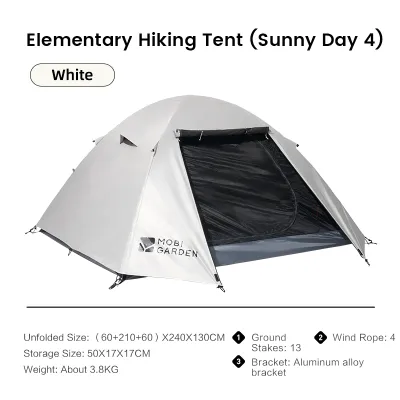
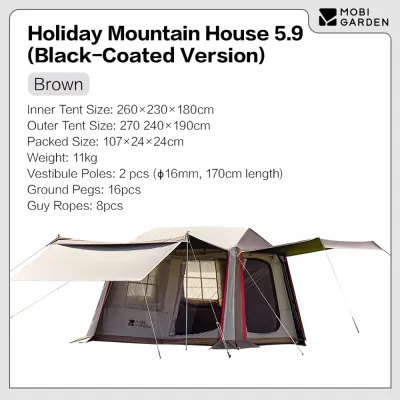
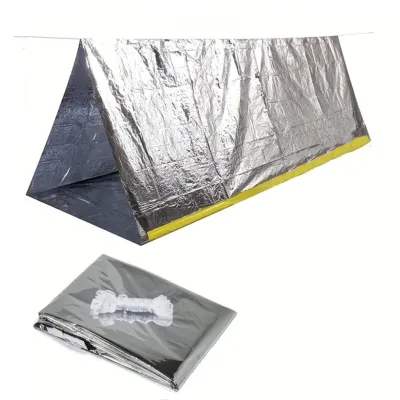
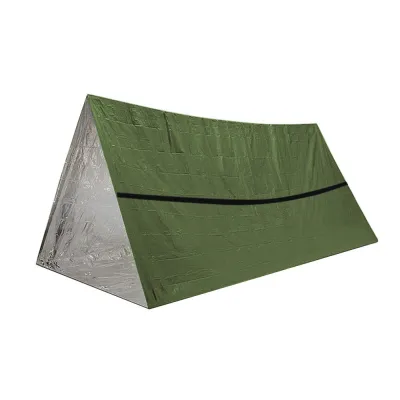
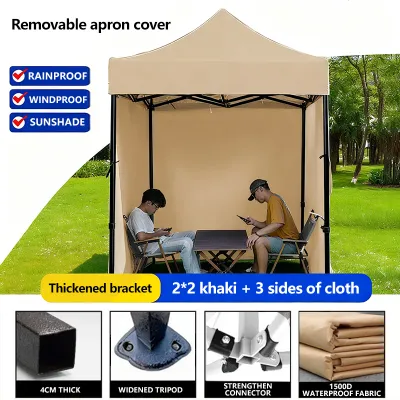
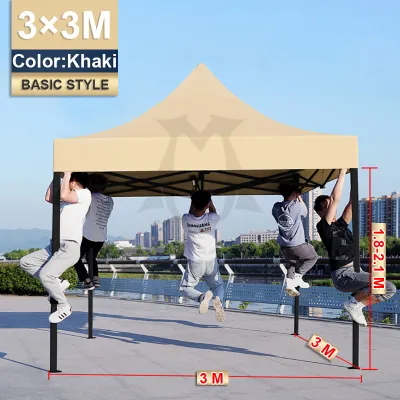
Prices are valid at publication and may change. Please refer to the product page for the latest price.
The type of campsite also influences your choice of tent structure and footprint. Established campgrounds with flat, cleared grassy areas or wooden platforms accommodate almost any tent design, including free-standing models that do not require stakes to remain upright. If you venture into wilder, uneven terrain or sandy beaches, you will need a highly adaptable setup. Non-free-standing tents, which rely on tension from stakes and guy lines to stay erect, require solid ground or specialized sand stakes to remain stable in high winds. Always check the terrain of your destination to ensure your tent’s anchoring system can secure it properly.
Determine Your Group Size and Gear Storage Needs
One of the most common mistakes campers make is taking manufacturer capacity ratings at face value. A tent labeled as a “2-person” model is designed to fit two standard-sized sleeping pads side-by-side with virtually no extra space. While this works well for minimalist backpackers looking to save weight, it leaves no room for personal gear, movement, or comfortable sleep. To avoid a cramped experience, a practical rule of thumb is to select a tent with a rated capacity that is one person greater than your actual group size. For example, two adults sharing a tent will find a 3-person model much more comfortable.

Your gear storage needs also play a major role in determining the necessary floor area. If you carry bulky hiking backpacks, dry bags, or coolers, storing them inside the main sleeping cabin quickly eats up usable space. Look closely at the tent’s floor dimensions and peak height rather than relying solely on the capacity label. A higher peak height allows you to sit up comfortably, change clothes, and organize gear without feeling restricted. If you prefer to keep the sleeping area clean and free of muddy boots, prioritize tents that feature integrated vestibules.
A vestibule is an extension of the rainfly that creates a sheltered porch area outside the inner tent door. This space is invaluable for storing wet shoes, dirty backpacks, and cooking gear while keeping them protected from rain and dew. Some tents offer dual doors and dual vestibules, which are highly beneficial for multi-person trips. This layout allows each occupant to store their gear on their respective side and exit the tent at night without crawling over their sleeping partner. Evaluating these structural features ensures your living space remains organized and dry throughout your trip.
Evaluate Weight and Packed Size for Your Hiking Plans
For backpackers and trekkers who carry all their gear on their backs, weight and packed size are critical factors that directly impact physical comfort and trail endurance. Standard backpacking tents balance weight, durability, and cost by using moderately lightweight fabrics and aluminum poles. Ultralight shelters, on the other hand, utilize advanced materials like high-end nylon or specialized composites to shave off every possible gram. While ultralight options make long climbs much easier, they often require a higher budget, demand more careful handling to prevent tears, and may offer less interior space.
Before purchasing, check the packed dimensions of the tent to ensure it fits comfortably within your hiking backpack. A bulky tent can take up too much internal volume, forcing you to strap heavy gear to the outside of your pack, which can throw off your balance on steep or technical trails. Many hikers split the weight of a multi-person tent between trail partners, with one carrying the tent body and rainfly while the other carries the poles and stakes. If you plan to hike solo, look for a compact setup that packs down small enough to leave ample room for your sleeping system, food, and water.
To understand the relationship between weight and durability, review the denier (D) rating of the tent fabrics. Denier measures the thickness of the individual threads used in the weave; a lower denier, such as 15D or 20D, indicates a lighter but more delicate fabric, while a higher denier, like 68D or 75D, offers greater resistance to punctures and abrasions. The tent floor should ideally have a higher denier rating than the rainfly, as it is subject to constant friction against rocks, twigs, and rough ground. Using a matching footprint or ground cloth is a highly recommended way to protect lightweight tent floors from damage.
Match Tent Types to Your Diagnosed Camping Profile
Once you have assessed your frequency, space requirements, and weight limits, you can match your needs to a specific tent category. For family camping trips, car camping, or social gatherings at established campsites, cabin-style tents are often the most suitable choice. These tents feature near-vertical walls and high ceilings that allow most adults to stand upright. They often include multi-room dividers for privacy, large windows for ventilation, and plenty of storage pockets. Because weight is not a concern when unloading directly from a vehicle, these models prioritize maximum comfort and livability over portability.
For backpacking, multi-day trekking, and mountain climbing, dome or tunnel tents are the standard choice. Dome tents use intersecting poles to create a sturdy, free-standing structure that sheds wind and rain exceptionally well. Tunnel tents offer an excellent space-to-weight ratio and perform reliably in high winds when properly aligned, though they require stakes to pitch. Both styles utilize lightweight aluminum poles and durable, weather-resistant fabrics designed to withstand the unpredictable conditions of high-altitude trails or exposed ridges.
If you are a solo adventurer, fastpacker, or minimalist camper, your focus should be on maximum mobility and a minimal footprint. Bivy sacks provide a highly compact, weather-resistant sleeve just large enough for a sleeping bag and pad, making them highly suitable for emergency shelters or fast-and-light climbs. Alternatively, single-wall ultralight tents or trekking-pole-supported shelters eliminate dedicated tent poles entirely, using your hiking poles for structure instead. This setup significantly reduces trail weight while still providing reliable protection from wind and rain in tight campsites.
Frequently Asked Questions (FAQ)
Is a 2-person tent comfortable for two adults with backpacks?
A standard 2-person tent is generally very snug for two adults and rarely leaves enough room to store large hiking backpacks inside. The manufacturer’s capacity rating assumes two people sleeping side-by-side with minimal gear. If you plan to keep your backpacks, boots, and extra gear inside the tent to protect them from moisture or pests, you will likely find the space cramped. To ensure a comfortable night’s sleep, consider upgrading to a 3-person tent, or verify that the 2-person model has spacious vestibules where you can securely store your gear outside the main sleeping cabin.
When should you consider a 4-season tent instead of a 3-season model?
You should only consider a 4-season tent if you plan to camp in extreme winter conditions, high-altitude environments with heavy snowfall, or areas prone to severe, gale-force winds. These tents feature heavy-duty fabrics, extra poles that intersect at multiple points to support snow loads, and minimal mesh to trap warmth. For standard lowland camping, beach trips, or typical tropical mountain trails, a 3-season tent is far superior. A 4-season tent used in warm or humid climates will suffer from poor ventilation, causing heavy condensation inside, and will add unnecessary weight to your backpack.

Community discussion
Share your experience or ask a question. Comments are reviewed before publication.