
When shopping for an outdoor tent, seeing the word “waterproof” on a label does not mean the shelter is completely impervious to water under all conditions. In the outdoor industry, waterproofness is a variable scale determined by fabric resistance—measured as a Hydrostatic Head (HH) rating—and construction quality, particularly seam sealing. To choose a tent that actually keeps you dry, you must understand how these technical specifications translate to real-world performance when facing wind, ground moisture, and heavy downpours.
Decoding Hydrostatic Head (HH) Ratings for Tents
The Hydrostatic Head rating measures how much water pressure a tent fabric can withstand before moisture begins to penetrate. During testing, a column of water is placed over a section of taut fabric, and the height of the water column is increased until water drops pull through. The resulting measurement is expressed in millimeters, such as 1,500mm or 3,000mm, representing the physical height of the water column the fabric resisted.
When browsing options, you should check the manufacturer’s specifications for these numbers to understand the fabric’s baseline resistance. A lower rating of 1,000mm to 1,500mm is generally designed for light, vertical showers, while ratings of 2,000mm to 3,000mm or higher are engineered to handle more sustained rainfall. However, a higher number does not automatically make one tent better than another, as excessive coatings can make fabrics heavy, stiff, and less breathable.
Products mentioned in this guide
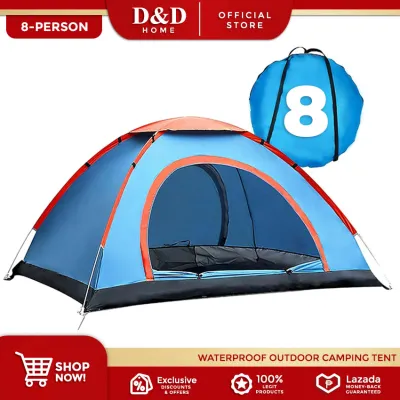
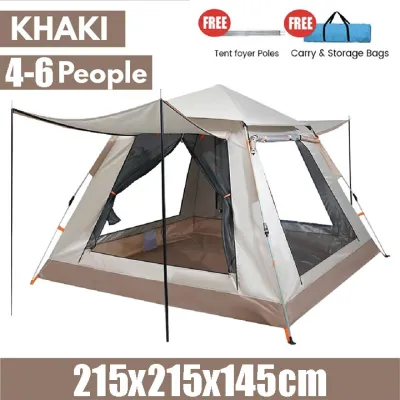
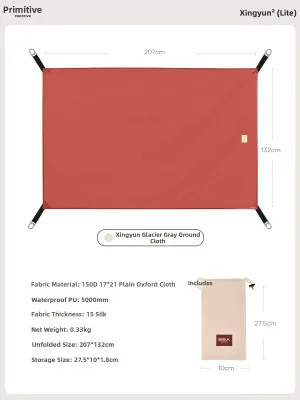
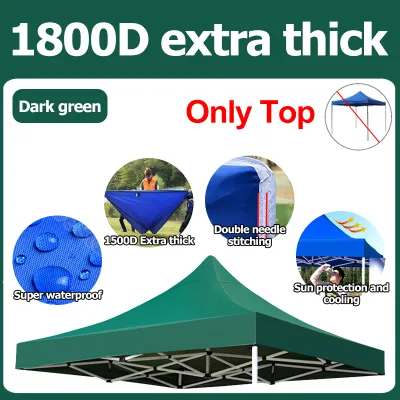
Prices are valid at publication and may change. Please refer to the product page for the latest price.
Real-world conditions also introduce forces that the static laboratory test does not account for. Wind-driven rain strikes the tent fly with significant kinetic energy, effectively increasing the pressure on the fabric beyond that of falling water. Furthermore, physical contact, such as gear leaning against the inner wall or kneeling on the tent floor, creates localized pressure that can easily force water through an otherwise resistant fabric.
The Role of Seam Sealing and Tent Construction
Even the most highly rated waterproof fabric will fail to keep you dry if the stitching is left unprotected. Every needle hole created during the manufacturing process is a potential entry point for water. To combat this, quality tents feature factory-taped seams, where a thin waterproof tape is heat-sealed over the stitched lines on the underside of the rainfly and floor.

You can easily identify factory-taped seams by looking for a clear, smooth, or slightly opaque strip bonded tightly over the stitching. Over time, or on tents that do not come pre-taped, you may need to apply a liquid seam sealer manually. Liquid sealers are brushed directly onto the seams and allowed to cure, creating a flexible, rubbery barrier that fills the needle holes.
The waterproofing requirements for a tent floor are significantly more demanding than those for the rainfly. While the rainfly only needs to shed falling water, the floor must withstand the high pressure of your body weight pressing down against wet, saturated ground. Consequently, tent floors typically feature much higher HH ratings and thicker, more abrasion-resistant materials to prevent moisture from seeping upward.
When evaluating a tent’s construction, look closely at critical transition zones where leaks frequently develop. Inspect the zippers, window welds, ventilation flaps, and guy line attachment points. These areas experience high physical tension and are prone to water pooling, making robust stitching and protective storm flaps essential design features.
Matching Waterproof Specs to Your Camping Conditions
Selecting the right waterproof specifications requires a realistic assessment of your camping environment. In the Philippines, tropical weather can transition rapidly from intense heat to sudden, heavy downpours and typhoons. For these conditions, a rainfly with a rating of at least 2,000mm and a floor rating of 3,000mm or more provides a safer margin of protection against saturated ground and driving rain.
However, chasing the highest possible waterproof rating can introduce a different moisture problem: internal condensation. Highly coated, heavily waterproofed fabrics restrict airflow, trapping the humid air generated by your breath and body heat inside the tent. In warm, humid tropical climates, this trapped moisture can condense on the cool inner walls of the rainfly, dripping down and mimicking a physical leak.
To balance protection and ventilation, look for double-wall tent designs that pair a highly waterproof rainfly with a breathable mesh inner tent. Additionally, using a compatible tent footprint or groundsheet is highly recommended. Investing in a compatible footprint, which often costs only a few hundred pesos (₱), acts as a sacrificial barrier, protecting the tent floor’s waterproof coating from sharp rocks, twigs, and abrasive soil while preventing water from pooling directly underneath your sleeping area.
How to Verify and Maintain Your Tent's Waterproofing
Regular maintenance is key to ensuring your tent remains reliable season after season. Before heading out on a trip, perform a visual inspection of your tent in a well-lit area. Check the underside of the rainfly and floor for any signs of peeling, cracking, or flaking in the polyurethane coating, and ensure the seam tape is still firmly adhered without lifting at the edges.
You can test the water repellency of your tent’s outer fabric by spraying a small amount of clean water onto the rainfly. On a well-maintained tent, the water should bead up and roll off easily, which indicates that the Durable Water Repellent (DWR) coating is functioning correctly. If the water flatly saturates the fabric and darkens the material, the DWR has worn off and needs to be restored.
When the DWR or seam tape begins to fail, you can restore the tent’s integrity using specialized aftermarket spray-on water repellents and liquid seam sealers. Always clean the tent thoroughly with a sponge and mild, non-detergent soap before applying any treatments. Finally, never pack away a wet or damp tent; always allow it to dry completely in a shaded, well-ventilated area to prevent mold, mildew, and the chemical breakdown of the waterproof polyurethane coatings.

Community discussion
Share your experience or ask a question. Comments are reviewed before publication.