
Choosing the right flashlight for diving waterproof capabilities depends entirely on how deep you plan to go and the pressure your gear will encounter. While a standard outdoor flashlight might survive a sudden tropical downpour, descending into the ocean introduces immense hydrostatic pressure that can easily crush weak seals. To keep your underwater excursions safe and well-lit, you must look beyond generic “waterproof” labels and understand the precise engineering standards that govern underwater lighting. Crucially, remember that specialized equipment cannot replace proper dive training, situational awareness, or sound underwater judgment; always dive within your certified limits and carry a reliable backup light.
Understanding IPX8 vs. ATM Waterproof Standards
When browsing for a flashlight for diving waterproof gear, you will likely encounter two primary rating systems: the Ingress Protection (IP) code and Atmosphere (ATM) or depth-in-meters ratings. These systems measure different types of water resistance, and confusing them can lead to a flooded light during a dive.
The IPX8 rating indicates that a device can withstand continuous immersion in water. However, the IPX8 standard itself does not define a universal depth or duration; instead, it requires the manufacturer to specify the exact depth and time limits of their test. For example, one manufacturer might test an IPX8 light at 2 meters for 30 minutes, while another might test it at 10 meters. Because of this variability, you must always consult the official product manual or specification sheet to verify the exact test conditions rather than assuming any IPX8 light is suitable for deep diving.
Products mentioned in this guide
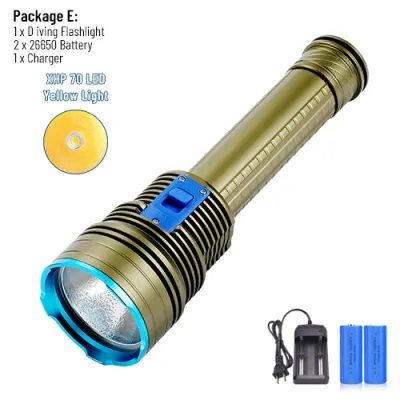
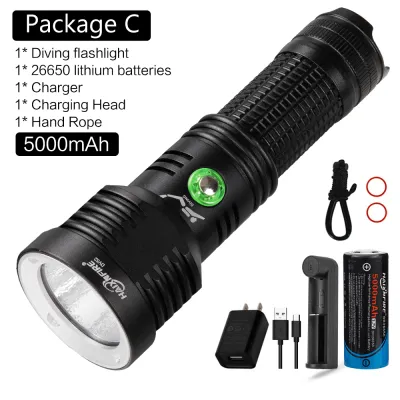
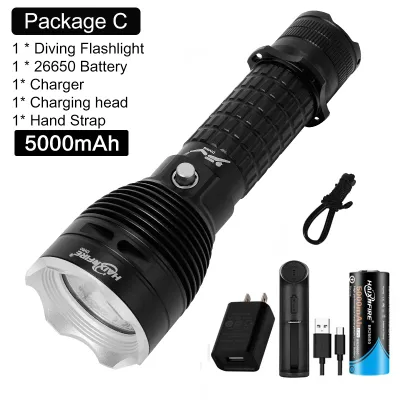
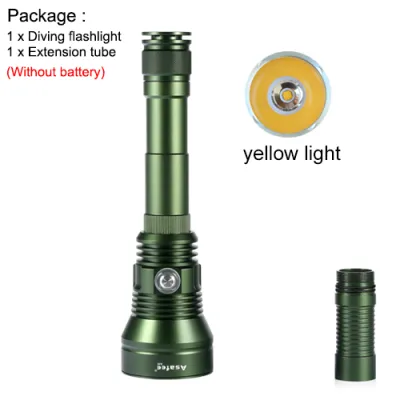
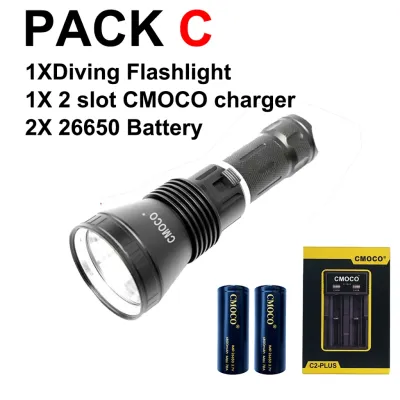
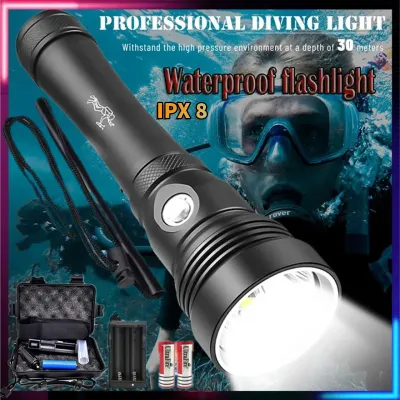
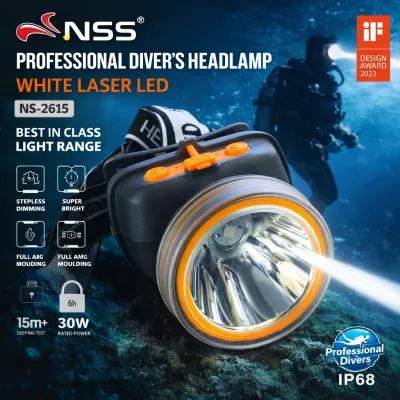
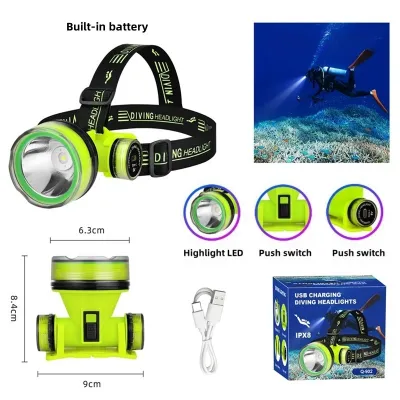
Prices are valid at publication and may change. Please refer to the product page for the latest price.
In contrast, ATM (Atmospheres) or direct depth ratings in meters are designed specifically for underwater environments where pressure increases rapidly with depth. Every 10 meters of ocean depth adds approximately one atmosphere of pressure. A flashlight rated for 10 ATM is engineered to withstand the pressure equivalent to 100 meters of depth. These pressure-specific metrics are far more reliable for diving because they account for the dynamic forces exerted on the flashlight’s body, lens, and seals as you descend.
Matching Waterproof Ratings to Your Diving Activity
Your diving profile and environment dictate the level of water resistance your flashlight requires. Using a light rated for shallow depths in deep water is a major risk, as the increased pressure will compress the rubber seals, deform the housing, and cause immediate flooding.

For snorkeling, shallow free-diving, or surface water sports in warm tropical waters, a basic splash-resistant or shallow-submersion light is often sufficient. Even at the surface, however, you still demand verified seals to protect against waves and accidental drops. A light rated to 5 or 10 meters provides a comfortable safety margin for these activities, ensuring that casual submersion does not ruin your equipment.
Recreational scuba diving typically takes you to depths between 18 and 40 meters. For these dives, you must use a flashlight that is explicitly rated by the manufacturer for standard recreational depths, usually at least 40 to 60 meters to provide a safety buffer. Always check the specific depth limit printed on the product label or packaging, and never exceed this limit, as the seals are not designed to handle the pressure beyond these boundaries.
Technical and deep diving, which involves descending beyond 40 meters into overhead environments like caves or wrecks, demands specialized high-pressure ratings. These activities require heavy-duty canister lights or backup lights rated to 100 meters or more. For these extreme depths, users must strictly verify manufacturer certifications and independent test ratings, as equipment failure in a dark, deep environment can compromise dive safety.
Key Specifications and Features to Verify Before Buying
Before purchasing a flashlight for diving waterproof performance, you should run through a pre-purchase checklist to ensure the device will remain reliable under real-world conditions. High-quality construction and smart design features are just as important as the depth rating itself.
First, examine the O-ring design and maintenance requirements. The O-ring is the primary barrier preventing water from entering the flashlight body. Check if the flashlight features user-replaceable O-rings and review the manufacturer’s lubrication and replacement guidelines. High-quality dive lights often utilize double O-rings at joint connections to provide redundant protection against leaks.
Next, consider how the switch operates underwater. Standard clicky buttons can be difficult to press under high pressure, or the pressure can compress the button and turn the light on or off automatically. Look for magnetic rotary switches or locking mechanical switches that are easy to operate even when wearing thick neoprene diving gloves. The switch design should also include features to prevent accidental activation during transport, which can drain your battery before you even enter the water.
Additionally, inspect the battery compartment sealing. Some advanced dive lights feature an isolated battery compartment, meaning that even if a minor leak occurs in the light head, the water cannot reach the batteries to cause a short circuit. Finally, always read the manufacturer warnings regarding maximum operating depth, water temperature thresholds, and required maintenance intervals to ensure the light matches your local diving conditions.
Maintenance and Safety Checks for Dive Lights
Even the highest-rated diving flashlight will fail if it is not properly maintained. Establishing a strict pre-dive and post-dive routine is essential for preserving the waterproof integrity of your gear and ensuring your safety underwater.
Before every dive, perform a thorough pre-dive inspection. Open the flashlight compartment and visually check the O-rings and sealing surfaces for hair, sand, salt crystals, or signs of wear. A single strand of hair or a grain of sand across an O-ring can create a micro-gap that allows water to bypass the seal under pressure. Apply a thin layer of manufacturer-approved silicone grease to keep the rubber supple, but avoid over-lubricating, as excess grease can attract debris.
After your dive, especially in saltwater, immediate post-dive care is crucial. Rinse the flashlight thoroughly in fresh water while operating the switches to flush out trapped salt and sand. Allow the light to air dry completely in a shaded, well-ventilated area, and store it away from direct sunlight, as ultraviolet rays and high tropical heat can rapidly degrade rubber O-rings and plastic components.
If you observe internal condensation behind the lens, sticky or unresponsive buttons, or deformed seals, you must immediately cease using the flashlight. Do not attempt to take a compromised light on a dive. Consult the manufacturer or a qualified technician to service the seals and pressure-test the housing before trusting it underwater again.
Frequently Asked Questions (FAQ)
Can I use a regular IPX8 waterproof flashlight for scuba diving?
A standard IPX8 flashlight is generally not suitable for scuba diving unless the manufacturer explicitly states a depth rating suitable for diving. Standard IPX8 testing often involves static immersion in shallow water, which does not simulate the dynamic pressure changes, movement, and deeper depths encountered during a scuba dive. Always verify that the product specifications explicitly certify the light for underwater diving depths.
What should I do if my diving flashlight gets flooded?
If you notice water inside your flashlight, turn it off immediately if possible and surface safely. Once on land or the boat, open the compartment and remove the batteries immediately to prevent short circuits. If the light was exposed to saltwater, gently rinse the internal components with fresh water to remove salt deposits, dry all parts thoroughly with a lint-free cloth, and contact the manufacturer for repair options rather than attempting to power it back on.

Community discussion
Share your experience or ask a question. Comments are reviewed before publication.