
Introducing a wheeled toy to a young child is an exciting milestone, but there is no single universal age for a child to start riding a scooter. Physical readiness depends entirely on individual developmental milestones and the specific manufacturer’s guidelines. While some toddlers begin with parent-assisted push-along models as soon as they can walk independently, others may wait until they have the balance required for a standing kick scooter. This guide will help you diagnose your child’s physical readiness and match them with the correct scooter type for their current developmental stage.
How to Tell If Your Child Is Ready for a Scooter
Before purchasing a scooter for baby, parents must assess both physical and cognitive readiness. Gross motor skills are the primary physical indicators. Observe whether your child can walk independently with a steady gait, maintain basic balance on uneven ground, and push off the floor with one foot while standing. If a child still wobbles significantly while walking or struggles to stand on one leg momentarily, their core strength may not yet support a scooter.
Cognitive signals are equally critical for outdoor play. A child needs to understand basic direction and show an ability to avoid obvious obstacles like walls, furniture, or garden pots. They must also be able to follow simple, immediate instructions such as “stop” and “go.” Without this basic level of impulse control, introducing a wheeled toy can quickly lead to minor accidents, even in a controlled environment.
Products mentioned in this guide
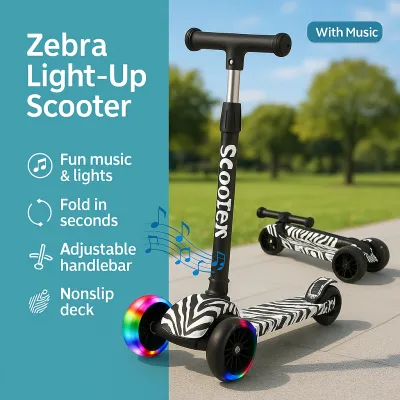
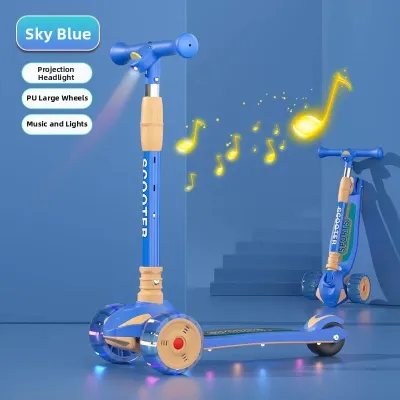
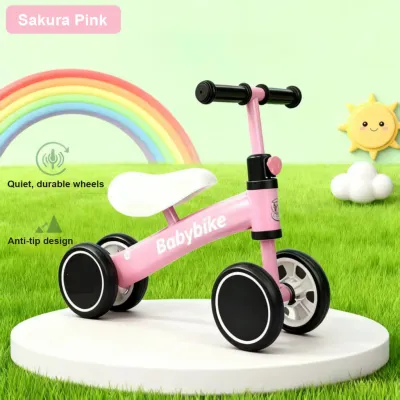
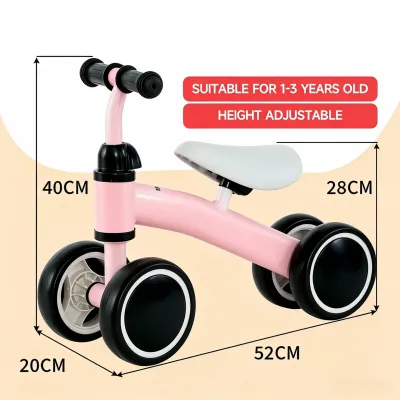
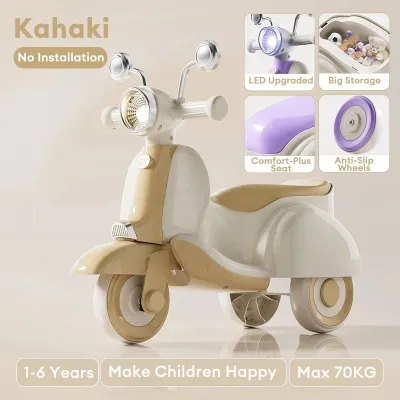
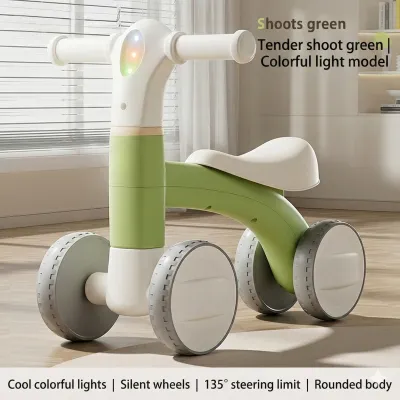
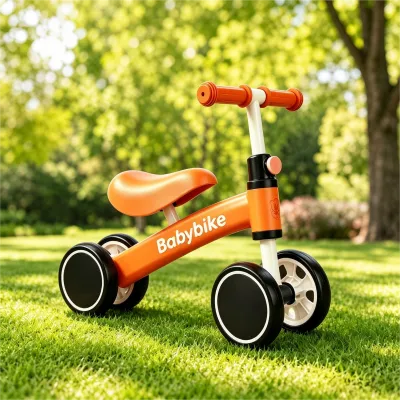
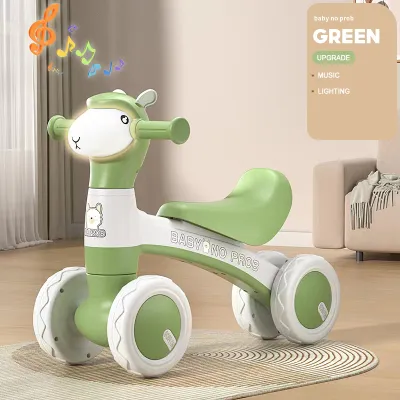
Prices are valid at publication and may change. Please refer to the product page for the latest price.
Finally, always verify the manufacturer’s limits before letting a child ride. Every scooter model comes with specific guidelines regarding minimum age, maximum weight capacity, and height requirements. These specifications are engineered for structural safety and stability. Never rely solely on a general age recommendation on the box; instead, measure your child’s height and weight to ensure they fall safely within the product’s tested limits.
Matching Scooter Types to Developmental Stages
Selecting the right scooter configuration is not about buying the most advanced model, but about matching the toy to your child’s current mobility and balance level. As children grow, their coordination shifts, requiring different levels of support and steering mechanisms to keep them safe and engaged.

Push-Along and Ride-On Scooters for Early Toddlers
For early toddlers who are just mastering their first steps, push-along and ride-on scooters offer a gentle introduction to wheeled movement. These designs typically feature a secure, contoured seat, a low center of gravity, and a parent push-bar at the rear. This setup allows parents to guide the movement while the toddler enjoys the sensation of rolling, helping them build spatial awareness without the risk of tipping over.
When evaluating these early-stage models, pay close attention to stability features. Look for a wide wheelbase, anti-tip mechanisms at the front or rear, and a secure harness system if the seat is elevated. The deck should be low to the ground so that when the child is seated, their feet can easily flat-foot the floor, allowing them to practice pushing forward using their own leg power.
Recognizing when to transition away from a ride-on model requires observing your child’s behavior. If they consistently try to stand up on the deck while holding the handlebars, or if they repeatedly push the seat away in favor of walking alongside the toy, they are signaling readiness for the next stage. This transition typically occurs when their leg strength and standing balance have matured enough to support their full weight on a moving platform.
Three-Wheel Kick Scooters for Preschoolers
Preschoolers who have outgrown ride-on models but are still developing active balance are best suited for three-wheel kick scooters. These models feature two wheels in the front and one in the back, providing a self-standing base that does not tip over when stationary. This design allows young riders to focus on the mechanics of kicking and steering without the constant challenge of maintaining lateral balance.
When choosing a three-wheel model, compare the steering mechanisms carefully. Many preschool scooters utilize a “lean-to-steer” system, where the front wheels pivot when the child shifts their body weight from side to side. This mechanism is highly intuitive for young children and helps develop core coordination. Alternatively, some models feature a traditional “turn-to-steer” handlebar, which requires more precise hand-eye coordination and can sometimes feel less stable for beginners.
Adjustability is another crucial factor for ergonomics and safety. Ensure the handlebar height can be adjusted so that it aligns comfortably with the child’s waist or lower chest. If the handlebars are too high, the child will struggle to steer and may suffer from shoulder fatigue; if they are too low, they will hunch forward, compromising their posture and control. Additionally, inspect the deck for adequate width to accommodate both feet, a textured grip surface to prevent slipping, and sufficient ground clearance to avoid scraping on uneven pavement.
Two-Wheel Kick Scooters for Older Children
Transitioning to a traditional two-wheel kick scooter requires a higher level of physical coordination and confidence. Before making this upgrade, assess your child’s advanced balance skills. A reliable indicator of readiness is their ability to ride a two-wheel bicycle (with or without training wheels) or their capacity to navigate a three-wheel scooter at high speeds while executing sharp turns without tipping over.
Braking competence is another non-negotiable skill for two-wheel riding. Unlike three-wheel models where children often stop by dragging their feet, two-wheel scooters require the active use of a rear fender brake. Ensure your child can apply pressure to the rear brake with their heel without losing balance, veering off course, or stepping off the deck abruptly while the scooter is still in motion.
Parents should also note the structural differences of two-wheel models. These scooters feature narrower decks and lighter, more agile frames. Because they lack the self-standing stability of three-wheel designs, they require active weight shifting, constant core engagement, and continuous forward momentum to stay upright. This makes them ideal for older children who crave speed and maneuverability but unsuitable for toddlers still mastering basic balance.
Essential Safety Checks and Gear Before the First Ride
Regardless of the scooter type or your child’s age, safety gear is a non-negotiable prerequisite for every single ride. A properly fitted helmet is the most critical piece of equipment. Ensure the helmet meets recognized safety standards, sits level on the head (covering the forehead), and has straps that adjust snugly without pinching. Pair the helmet with durable knee and elbow pads to protect against the inevitable scrapes that occur during the learning process.
Selecting the right environment is just as important as wearing the correct gear. For beginners, choose flat, dry, paved surfaces well away from vehicle traffic, steep hills, and crowded walkways. In the tropical climate of the Philippines, smooth village roads, subdivision pavements, or local barangay basketball courts during dry hours are ideal. Avoid riding immediately after a heavy downpour, as wet concrete, puddles, and damp leaves drastically reduce tire traction and increase the risk of slipping.
Finally, establish a routine of performing pre-ride inspections before your child steps onto the deck. Check that all bolts and folding mechanisms are tightly secured, the wheels spin smoothly without excessive play, and the handlebar grips are firmly attached. Over time, exposure to humidity and outdoor dust can affect moving parts, so regular maintenance according to the manufacturer’s guidelines is essential to keep the equipment functioning safely.
Frequently Asked Questions (FAQ)
Can a baby use a regular kick scooter with a seat attachment?
It is highly recommended to use dedicated ride-on models rather than modifying a standard kick scooter with an aftermarket seat attachment. Dedicated ride-on scooters are specifically engineered with lower decks, wider wheelbases, and reinforced steering columns designed to distribute a seated child’s weight safely. Adding an unapproved aftermarket seat to a standard kick scooter can alter the toy’s center of gravity, making it prone to tipping forward or sideways. Furthermore, using unauthorized modifications often voids the manufacturer’s warranty and compromises the structural integrity of the frame.
How do I know when it is time to upgrade to the next scooter stage?
You can identify the need for an upgrade by watching for physical and behavioral signs. Physically, your child may have outgrown their current model if their knees consistently hit the handlebars, their feet hang off the edges of the deck, or they have adjusted the handlebars to the maximum height limit. Behaviorally, a child who has mastered their current scooter will often show signs of boredom, attempt to perform tricks that the scooter is not designed for, or express frustration that they cannot ride as fast or turn as sharply as they would like.

Community discussion
Share your experience or ask a question. Comments are reviewed before publication.