
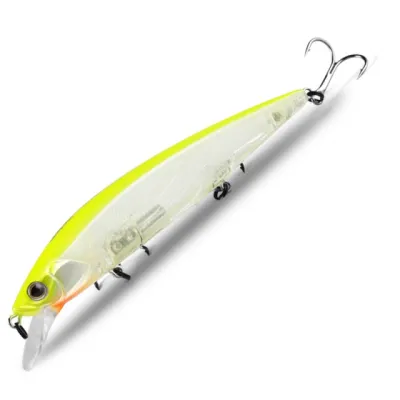
A 20g sinking minnow lure is a highly versatile tool for saltwater and deep-water angling in the Philippines, particularly when you need to cut through strong coastal winds, reach mid-water columns quickly, or cast long distances from the shore. This specific weight and profile excel when targeting predatory fish feeding in deeper channels, rocky drop-offs, and estuaries where lighter lures would easily drift off course. Knowing exactly when to deploy this lure depends on your ability to read the water depth, assess current speeds, and match your tackle to the weight of the lure.
Using a 20g sinking minnow requires an understanding of how gravity and water resistance interact with your gear. In the tropical waters of the archipelago, where tidal currents can change rapidly, a heavier sinking profile allows you to maintain control over your presentation. It bridges the gap between light estuary lures and heavy offshore jigs, making it a suitable choice for shore-casting along rocky coastlines or casting from a boat toward reef edges.
However, this lure is not a universal solution for every fishing scenario. Using it in shallow, coral-rich flats or heavily structured mangrove roots often leads to snagging and lost gear. To maximize your success and avoid frustration, you must evaluate the environmental conditions, target species, and your rod and reel setup before tying one on.
Products mentioned in this guide
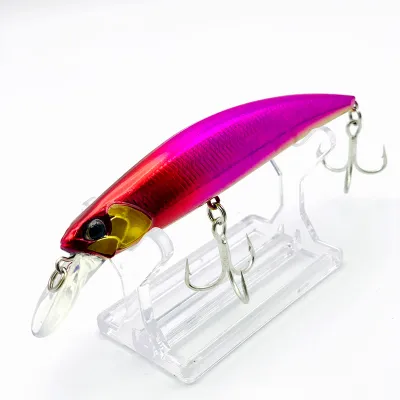
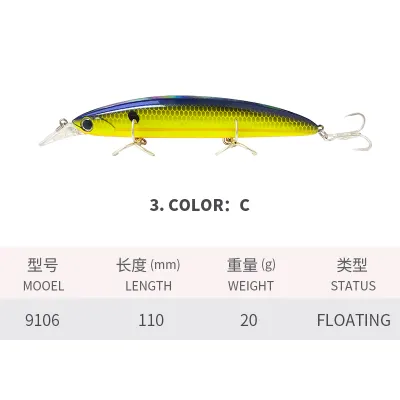
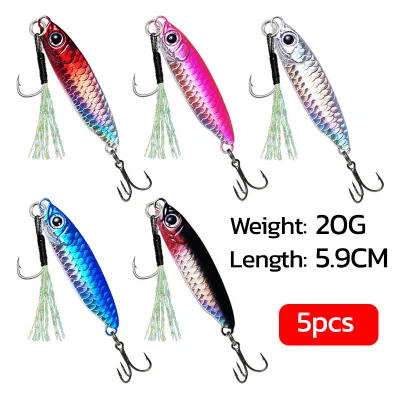
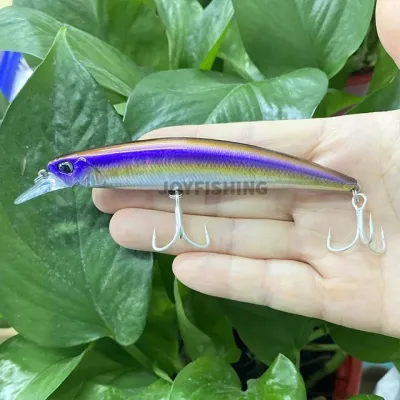
Prices are valid at publication and may change. Please refer to the product page for the latest price.
Matching Water Depth and Current Conditions
To use a 20g sinking minnow effectively, you must first evaluate the depth of your fishing spot and the speed of the water movement. A 20g lure sinks relatively fast, which is advantageous when you need to target fish holding several meters below the surface. In deep coastal drop-offs, harbors, or steep rocky shores, this weight allows the lure to descend through the water column efficiently, ensuring it reaches the active strike zone before the current sweeps it away.
Evaluating the sink rate is crucial for precise depth control. When casting into a current, a lighter lure often stays near the surface or drifts too quickly, failing to reach the bottom-dwelling predators. A 20g profile provides enough ballast to cut through moderate currents, allowing you to count down the seconds as it sinks and estimate its position. This ensures your lure spends more time in front of target fish rather than hovering in unproductive upper water layers.
In areas with moderate tidal currents, such as channels between islands or river mouths during an outgoing tide, a 20g sinking minnow maintains excellent stability. The weight helps the lure track straight and resist rolling over, even when retrieved against a strong flow, mimicking a swimming baitfish fighting the current.
However, you must identify the physical limitations of this lure weight in shallow environments. If you are fishing over shallow coral reefs, seagrass beds, or dense mangrove structures where the water depth is less than two meters, a 20g sinking minnow will likely sink too quickly. This rapid descent increases the risk of the hooks catching on rocks, corals, or debris, resulting in lost tackle. In these shallow zones, a floating minnow, a lighter sinking model, or a shallow-running lure is generally a more suitable and productive choice.
Identifying Suitable Target Species
Matching your lure to the natural forage of local predatory fish is a fundamental rule of angling. In Philippine coastal waters, a 20g sinking minnow closely mimics the size and profile of common baitfish, such as small herrings, sardines, and silversides. When local predators are actively feeding on these schooling baitfish, presenting a lure of similar dimensions and weight can trigger immediate feeding responses.

This lure is particularly effective for targeting mid-water and bottom-dwelling predators rather than species that feed exclusively on the surface. Predatory species like groupers (lapu-lapu), mangrove jacks (mangagat), and medium-sized trevallies (talakitok) often patrol deeper structures, rocky ledges, and the edges of drop-offs. A 20g sinking minnow can be allowed to sink close to these structures, putting it directly in the path of these ambush predators.
Groupers and mangrove jacks are structure-oriented fish that prefer to strike from cover. Casting your sinking minnow near underwater rocks or reef edges and letting it sink to the appropriate depth can entice these fish to dart out and strike. For faster pelagic species like trevallies or small barracudas, a faster retrieve through the mid-water column can trigger high-speed chase-and-strike reactions.
Before heading out to your chosen fishing ground, always check local fishing regulations, seasonal closures, and size limits for your target species. Responsible angling practices help preserve local fish populations and ensure sustainable fishing for future generations. If you are fishing in marine protected areas or community-managed sanctuaries, verify the specific rules regarding lure types, hook configurations, and catch-and-release policies.
Rod and Reel Setup for 20g Lures
Casting and manipulating a 20g sinking minnow effectively requires a balanced tackle setup. The first step is to verify your fishing rod’s lure weight rating, which is typically printed just above the foregrip. A rod rated for 10g to 30g or 15g to 40g is suitable for casting a 20g lure. Using a rod with a rating that is too light can overload the blank during casting, leading to poor distance, reduced accuracy, or even rod damage. Conversely, a rod that is too heavy will lack the sensitivity needed to feel the lure’s action and subtle strikes.
Your choice of mainline and leader strength should be tailored to the underwater structure and the size of the fish you expect to encounter. For general coastal casting in the Philippines, a braided mainline rated between 15 lb and 30 lb offers an excellent balance of strength, thin diameter, and casting distance. Pair this with a fluorocarbon leader of 20 lb to 40 lb. The fluorocarbon leader provides crucial abrasion resistance against sharp rocks, barnacles, and coral edges, while also being less visible to wary fish in clear water.
The reel gear ratio is another critical factor in how you present the lure. A spinning reel with a medium to high gear ratio, such as 5.8:1 to 6.2:1, is highly versatile for working sinking minnows. A high gear ratio allows you to retrieve line quickly, which is beneficial when you want to mimic a fast-fleeing baitfish or when you need to gather slack line rapidly after twitching the rod. It also helps you keep up with fast-swimming predators that might swim toward the boat or shore after being hooked.
Ensure your reel’s drag system is smooth and properly adjusted before your first cast. When fishing near heavy structures like rocks or pylons, a tight but smooth drag is necessary to stop powerful fish from diving back into cover. Regularly inspect your knots, line guides, and leader for any signs of wear or fraying, especially after casting near abrasive structures.
Retrieval Techniques to Trigger Strikes
The way you manipulate a 20g sinking minnow in the water can make the difference between a successful day and an empty cooler. One of the highly reliable techniques is the countdown method. After casting your lure, allow it to sink while counting slowly in your head. By experimenting with different count times—such as three, six, or nine seconds—you can systematically search different depth layers of the water column. Once you find the depth where fish are holding or striking, you can repeat that exact countdown on subsequent casts to keep your lure in the strike zone.
Executing a twitch-and-pause cadence is highly effective for triggering reaction strikes. Instead of a simple, steady retrieve, pull the rod tip sharply to the side or upward to make the lure dart erratically, then pause for a brief second to let it sink slightly. This erratic motion mimics an injured or panicked baitfish, which is an easy target for predators. Many strikes occur during the brief pause when the lure flutters downward, so remain highly alert and keep your line relatively taut to feel any sudden resistance.
You should also adjust your retrieve speed based on water conditions and observed fish activity. In warmer tropical waters, predatory fish are often highly active and may prefer a fast, aggressive retrieve with frequent twitches. However, if the water is unusually turbid after a heavy rain or if the fish seem sluggish, slowing down your retrieve and extending the pauses can give predators more time to locate and strike the lure.
Pay close attention to how the lure behaves as it approaches the shore or boat. Many predators will follow a sinking minnow for a long distance before deciding to strike. Keep your rod tip low as the lure nears you, and be prepared for a sudden strike just before you lift the lure out of the water.
Frequently Asked Questions (FAQ)
Can I use a 20g sinking minnow in freshwater lakes?
Yes, you can use a 20g sinking minnow in freshwater lakes, provided the water depth and target species are appropriate. In deep freshwater reservoirs or volcanic lakes in the Philippines, this lure can be effective for targeting deep-dwelling predators like large snakeheads (dalag) or introduced bass. When fishing in freshwater, you will need to adapt your retrieve to account for the lower buoyancy of freshwater compared to saltwater, which causes the lure to sink slightly faster. Always check local freshwater fishing rules, permit requirements, and conservation guidelines before fishing in inland lakes or rivers.
How do I prevent the treble hooks from snagging on rocks?
To minimize the risk of snagging your 20g sinking minnow on rocky bottoms or underwater structures, you can make a few practical rigging adjustments. One effective method is to replace the standard belly and tail treble hooks with inline single hooks. Single hooks point upward or downward in a single plane, significantly reducing the chances of catching on rocks while still maintaining excellent hook-up rates on fish. You can also check the orientation of your hooks and ensure they are rigged correctly, or choose to fish the lure with a faster, more active retrieve to keep it suspended safely above the bottom structure.

Community discussion
Share your experience or ask a question. Comments are reviewed before publication.