
Finding a replacement 3×3 tent cover in the Philippines requires navigating local canvas fabricators, specialized outdoor retailers, and major online marketplaces. Because a “3×3” designation can vary slightly between manufacturers, the absolute first step is verifying your frame’s exact dimensions and attachment mechanisms before spending any money.
Quick Guide to Sourcing Your Replacement Canopy
When your outdoor canopy begins to wear out from intense tropical sun exposure or heavy monsoon rains, replacing just the fabric cover is a highly cost-effective alternative to buying an entirely new frame. In the Philippines, buyers have access to three primary sourcing channels: official outdoor brand stores, specialized camping and event equipment retailers, and general online marketplaces. Each channel serves a different need, ranging from guaranteed original equipment manufacturer (OEM) fits to budget-friendly third-party alternatives.
Before clicking “add to cart” or visiting a local supplier, you must understand that there is no single universal standard for a 3×3-meter tent. Slight variations in peak height, truss bar design, and corner attachments can make an otherwise identical-looking cover completely unusable. Therefore, verifying your exact frame dimensions and attachment mechanisms is a mandatory first step.
Products mentioned in this guide
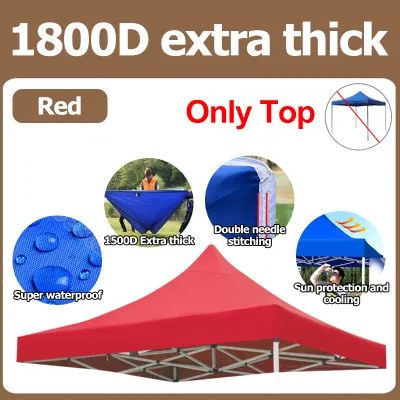
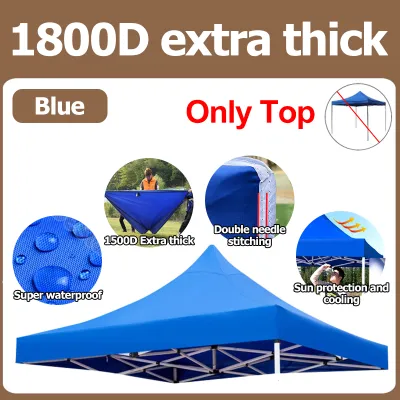
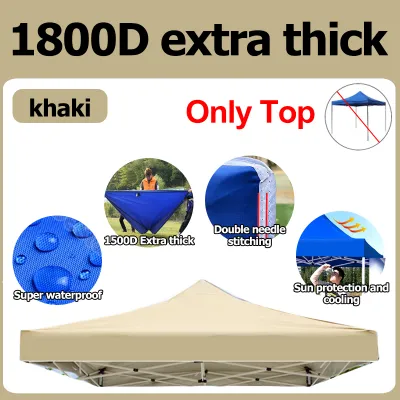
![[Local stock]2*2/3*3M Thickened Durable Tent Cover Retractable tent Replacement Cover Replacement Pop Up Canopy Top Tent Outdoor Waterproof Sunscreen Tent for Car Parking Street stall Camping](https://img.lazcdn.com/g/p/2a07012f3c2259da1a13e28cad572d93.jpg_400x400q80.jpg_.webp)
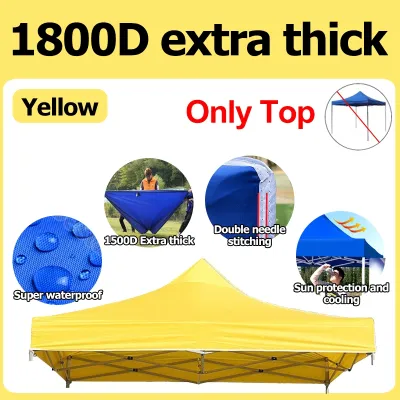
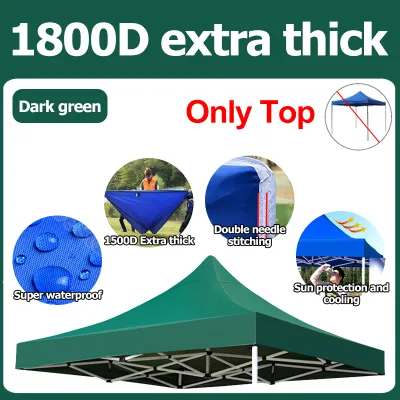
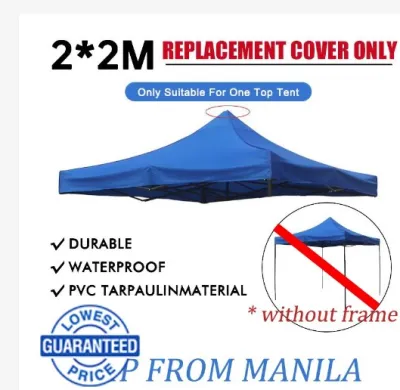
Prices are valid at publication and may change. Please refer to the product page for the latest price.
Additionally, if you decide to purchase from third-party sellers on e-commerce platforms, always scrutinize their return and exchange policies. Because fitment issues are common with aftermarket covers, choosing a seller that allows hassle-free returns for unused items will protect your investment and save you from being stuck with an incompatible product.
How to Verify Frame Compatibility Before Ordering
Achieving a secure, weather-resistant fit requires precise physical measurements of your existing metal frame. Do not rely solely on the retail box label, as a “3×3” description often refers to the nominal footprint of the canopy rather than the exact distance between the support legs. To get accurate numbers, extend your tent frame fully and use a reliable steel measuring tape to record the outer distance from leg to leg along the perimeter.

Next, measure the inner distance between the truss bars and, most importantly, the vertical height from the side valance to the peak of the roof. The peak height is a critical variable; some frames feature an adjustable center pole that can be raised or lowered, while others have a fixed apex. If your replacement cover is too short for the peak, the fabric will stretch to its breaking point or prevent the frame from locking into place. If it is too tall, the fabric will sag, creating pockets where rainwater can pool during sudden afternoon downpours.
Additionally, pay attention to the shape and configuration of the truss bars. Some frames utilize flat, oval, or square metal tubes, and the spacing between these bars can affect how the cover rests on the structure. A cross-truss design requires a cover with specific interior reinforcement strips to prevent the metal from rubbing directly against the fabric under windy conditions. If your frame features a central spring-loaded peak pole, ensure the replacement cover has a reinforced center cap to absorb the constant upward pressure without puncturing.
You must also inspect how the cover attaches to the frame. Look closely at the corners and along the trusses to identify the specific connection systems used. Common designs include:
- Velcro straps: Hook-and-loop fasteners sewn along the inside seams that wrap around the upper truss bars.
- Corner pockets: Deep fabric sleeves at the four corners that slide over the top of the frame legs.
- Grommets: Metal-reinforced eyelets designed for bungee cords, hooks, or ropes to anchor the cover to the lower frame.
- Hook-and-loop ties: Simple fabric ties that secure the valance to the side supports.
Before searching online, check the frame joints, legs, or crossbars for any original manufacturer labels, stickers, or stamped model numbers. Finding an exact model match allows you to search for original equipment manufacturer (OEM) replacements, which guarantee a perfect fit without the guesswork. Assuming a universal fit is a common mistake that often results in premature tearing, wind damage, or flapping fabric that compromises the structural integrity of your entire shelter.
Reliable Channels to Buy Tent Cover Replacements
Navigating the market for a replacement canopy in the Philippines generally leads down two distinct paths: purchasing from authorized outdoor retailers or sourcing from general online marketplaces and local custom fabricators. Each route presents unique trade-offs regarding cost, convenience, material durability, and guaranteed compatibility.
Choosing the right channel depends heavily on your tent’s original brand, your budget, and how quickly you need the replacement. While official outlets offer peace of mind and high-quality materials, alternative channels provide budget-friendly options and custom solutions for non-standard or discontinued frames.
Official Brand Outlets and Specialty Outdoor Retailers
For owners of premium camping gear or high-end commercial pop-up tents, purchasing directly from authorized brand outlets and specialty outdoor retailers in the Philippines is highly recommended. These established businesses stock genuine OEM replacement covers designed specifically for their proprietary frame designs. Buying an official replacement ensures that the fabric weight, UV treatments, and attachment points align perfectly with your original setup, backed by manufacturer warranties.
These specialty channels are particularly crucial for technical camping tents where water resistance and wind stability are paramount. If you are unsure of your tent’s exact model, visiting a physical specialty store allows you to consult with knowledgeable staff who can help identify the correct replacement part. Some retailers may even allow you to bring your frame in to test the fit of various floor models, eliminating any risk of purchasing the wrong size.
General E-commerce Platforms and Local Canvas Shops
If you are using a budget-friendly, unbranded, or generic 3×3 promotional tent, general e-commerce platforms offer a vast selection of aftermarket replacement covers. To find these options, use precise search terms such as “heavy duty 3×3 canopy replacement cover” or “waterproof 3×3 tent top roof” on local digital marketplaces. Always filter your searches by seller rating and prioritize listings that feature detailed customer reviews with real-life photos. These photos are invaluable for verifying the actual color, fabric texture, and attachment style of the cover in real-world Philippine conditions.
When online options fail to match your specific frame dimensions, local canvas and tarpaulin shops present an excellent alternative. These custom fabricators, widely found in commercial districts across the Philippines, can copy your old, damaged cover to sew a brand-new, custom-fitted replacement. This route allows you to select your preferred fabric thickness, reinforce high-stress areas, and choose custom colors, making it the perfect solution for discontinued frames or unique setups.
Material and Feature Checklist for Replacement Covers
The harsh tropical climate of the Philippines—characterized by intense UV exposure, high humidity, and sudden torrential rains—demands careful consideration of the replacement cover’s material composition. Selecting the wrong fabric can lead to rapid color fading, dry rot, or catastrophic leaks during a storm.
When evaluating available replacement covers, consider the following material options and their trade-offs:
- Polyester with Polyurethane (PU) Coating: This is the most common material for mid-range and camping tents. It offers a great balance of lightweight packability, decent water resistance, and affordability. However, thin polyester can degrade quickly under constant, direct tropical sunlight if not treated with UV inhibitors.
- Oxford Cloth (e.g., 420D, 600D, or 800D): The "D" stands for denier, which measures the thickness of the individual threads. A higher denier rating indicates a thicker, more durable fabric. Oxford cloth is highly resistant to tearing and abrasion, making it ideal for frequent setup and teardown at outdoor markets or events.
- Heavy-Duty PVC-Coated Canvas: This is the gold standard for semi-permanent installations or commercial stalls. It is exceptionally waterproof and durable, but it is significantly heavier and bulkier to transport than polyester or Oxford cloth.
In the Philippines, many replacement covers feature an inner silver or black lining. This specialized coating is designed to reflect solar radiation, significantly reducing the temperature underneath the canopy during hot midday events. While highly effective at blocking heat, these coatings can peel or crack over time if the cover is folded tightly while still damp. Therefore, proper drying before storage is essential to maintain the integrity of the reflective layer.
Beyond the base material, pay close attention to the water resistance specifications. Look for covers that explicitly state a hydrostatic head rating (measured in millimeters, such as 1500mm or 2000mm) to verify how much water pressure the fabric can withstand before leaking. Additionally, ensure the cover features factory-sealed or taped seams. Unsealed seams are the primary entry point for water during heavy downpours, regardless of how waterproof the main fabric is.
Structural reinforcements are equally vital for longevity. High-quality replacement covers feature double-layered fabric at the corners and peak where the frame poles exert the most pressure. Built-in wind vents or ventilation panels at the apex are also highly beneficial; they allow hot air to escape, reducing the internal temperature of the tent while preventing strong wind gusts from lifting the canopy off the ground. Finally, verify if the replacement package includes essential accessories like tensioning straps, heavy-duty guy lines, or metal stakes to help secure the canopy in windy conditions.
Step-by-Step Measurement and Ordering Process
To ensure a seamless purchasing experience and avoid the hassle of returning an ill-fitting product, follow this systematic workflow when measuring and ordering your replacement 3×3 tent cover:
- Step 1: Inspect and Prepare the Frame
Before taking any measurements, fully erect your tent frame on a flat surface. Inspect the entire structure for bent truss bars, cracked plastic joints, or loose screws. A warped frame will distort the canopy’s shape, making it impossible for a new cover to fit correctly. Clean off any rust, dirt, or debris from the poles to prevent staining or tearing your new fabric during installation.
- Step 2: Document and Measure
Using a steel tape measure, record three critical dimensions: the exact width of the outer frame legs, the length of the sides, and the vertical distance from the lower valance line to the highest point of the center peak. Take clear, well-lit photos of the frame’s corner joints, center pole mechanism, and any existing attachment points (such as Velcro tabs or grommet holes).
- Step 3: Cross-Reference Specifications
Compare your recorded measurements against the detailed sizing charts provided by online sellers or local manufacturers. Pay close attention to the listed tolerance margins; even a minor discrepancy of two to three centimeters can result in an excessively tight or loose fit. Do not rely on generic product titles alone.
- Step 4: Consult the Seller Before Buying
Before finalizing your purchase on any e-commerce platform, send a direct message to the seller. Share your precise measurements and the photos of your frame joints. Ask them to confirm if their specific 3×3 cover model is compatible with your frame style. This step creates a written record of your inquiry, which can be incredibly helpful if you need to initiate a return due to compatibility issues later on.
When installing your new cover for the first time, do so during a calm, dry day. Avoid pulling excessively on the corners; instead, gradually work the fabric over the frame from one side to the other. If the fit is extremely snug, let the fabric sit in the warm sun for a few minutes to allow it to become more pliable before attempting to lock the frame legs into their final position.
Frequently Asked Questions (FAQ)
Can I use a 3×3 cover on a slightly different frame size?
Attempting to force a 3×3-meter cover onto a frame of a different size is highly discouraged. If the frame is even slightly larger than the cover, the fabric will be subjected to extreme tension, leading to ripped seams, torn corners, or bent frame poles during setup. Conversely, if the frame is smaller than the cover, the fabric will sag significantly. This loose fabric will flap violently in the wind, accelerating wear, and will collect large pools of rainwater that can collapse the entire structure. If you cannot find an exact match, look for covers with adjustable tensioning straps or consult a local canvas shop to modify an existing cover to fit your specific frame dimensions.
What should I do if the replacement cover does not fit?
If your new replacement cover does not fit upon arrival, do not force it onto the frame, as this can damage both the fabric and the metal structure. First, carefully remove the cover and lay it flat on a clean surface to measure its actual dimensions, then re-measure your frame to identify where the discrepancy lies. If you purchased the item from an online marketplace, keep all original packaging, tags, and accessories intact. Document the fitment issue with clear photos showing where the cover is too tight or too loose, and initiate a return or exchange request through the platform’s official customer service channel. For expensive, high-quality OEM covers, you may also consider contacting the manufacturer or a professional outdoor gear repair service to see if minor, professional alterations can resolve the issue.

Community discussion
Share your experience or ask a question. Comments are reviewed before publication.