
Finding a compatible 2×2-meter tent cover replacement in the Philippines is a practical way to extend the life of your outdoor shelter without buying an entirely new frame. Whether you use your tent for weekend markets, backyard shade, or beach camping, the intense tropical sun and heavy monsoon rains eventually take a toll on the fabric. Replacement covers are widely available through local hardware chains, specialized outdoor retailers, and domestic online marketplaces. However, securing a perfect fit requires distinguishing between different tent types and verifying physical dimensions before making a purchase.
In the Philippine market, “2×2” typically refers to a 2×2-meter (approximately 6.6×6.6 feet) structure. Because there is no single universal standard for frame designs, buying a replacement cover blindly often leads to sagging fabric, torn seams, or alignment issues. By understanding your specific frame type, identifying reliable local sourcing channels, and selecting materials built for tropical humidity, you can ensure your tent remains fully functional and weather-resistant.
How to Measure and Confirm Your 2×2 Frame Compatibility
Before browsing for a replacement cover, you must identify whether your structure is a folding canopy tent or a camping dome tent. These two categories serve entirely different purposes, and their covers are completely non-interchangeable.
Products mentioned in this guide
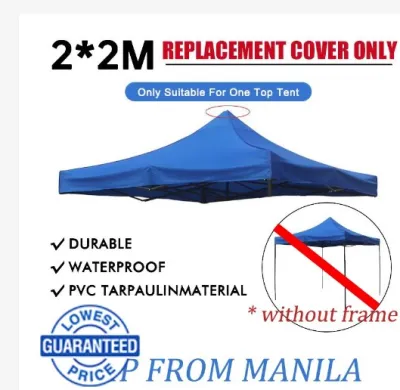
![[Local stock]2*2/3*3M Thickened Durable Tent Cover Retractable tent Replacement Cover Replacement Pop Up Canopy Top Tent Outdoor Waterproof Sunscreen Tent for Car Parking Street stall Camping](https://img.lazcdn.com/g/p/2a07012f3c2259da1a13e28cad572d93.jpg_400x400q80.jpg_.webp)
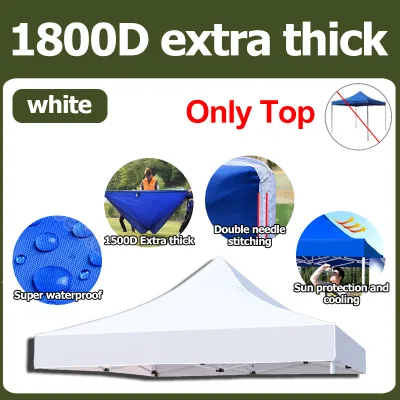
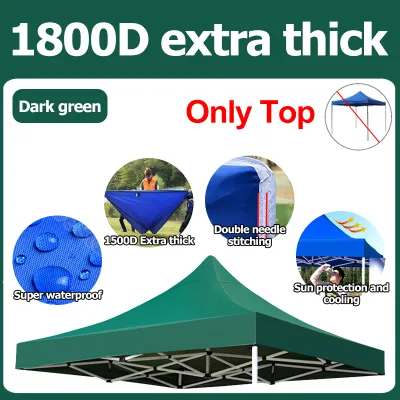
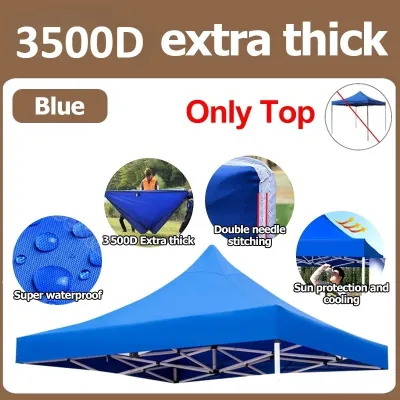
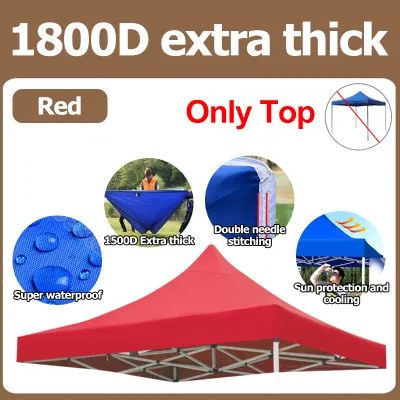
Prices are valid at publication and may change. Please refer to the product page for the latest price.
- Folding Canopy Tents: Also known as pop-up or gazebo tents, these feature heavy-duty steel or aluminum accordion-style frames. They are commonly used for commercial vending, outdoor events, or carports. The replacement cover for this type is a structured, pyramid-shaped roof canvas.
- Camping Dome Tents: These are lightweight, flexible-pole structures designed for backpacking and sleeping outdoors. The replacement cover here is typically a rainfly (or flysheet) that drapes over the inner mesh tent to provide weather protection.
Measuring a Folding Canopy Frame
To ensure a replacement canopy roof fits snugly, do not rely solely on the nominal “2×2” label. Manufacturing tolerances vary, and a discrepancy of just two centimeters can make a cover impossible to install or cause it to sag and collect rainwater. Take the following measurements while your frame is fully extended:
- Outer Edge Length: Measure the horizontal distance from the outer edge of one corner leg to the adjacent corner leg. Verify if it is exactly 2.0 meters, as some imported frames measure closer to 1.9 meters or 2.1 meters.
- Clearance and Valance Height: Measure the vertical distance from the corner joint (where the roof fabric attaches) to the ground, as well as the height of the hanging valance (the fabric overhang).
- Peak Slope Length: Measure from the outer corner joint diagonally up to the center peak hub. This determines the slope of the roof. If the replacement cover's peak height is too short, the fabric will tear at the corners; if it is too tall, the center will sag.
Measuring a Camping Dome Tent
For dome tents, compatibility depends on pole configuration and overall footprint. Set up your inner tent and measure:
- Base Dimensions: Confirm the length and width of the tent floor. A standard 2-person dome tent often measures close to 2×2 meters, but variations exist.
- Pole Arc Length: Measure the curved length of a single pole from one corner grommet over the apex to the opposite corner.
- Apex Height: Measure the vertical distance from the ground to the highest point where the poles cross. This ensures the replacement flysheet provides adequate clearance without touching the inner tent wall, which can cause condensation transfer.
Inspecting Attachment Systems
Different manufacturers use distinct methods to secure the cover to the frame. Inspect your existing setup to ensure the replacement cover features compatible attachment mechanisms:
- Velcro Straps: Look for heavy-duty Velcro strips along the inside seams of the cover that wrap around the truss bars of a canopy frame.
- Corner Pockets: Many canopy covers feature reinforced pockets at the four corners that slide over the top of the frame legs.
- Hooks and Elastic Cords: Dome tent flysheets often rely on plastic hooks or elastic loops at the corners that clip directly to the pole pins or stake rings.
- Grommets and Ties: Some heavy-duty canvas covers use brass grommets that require separate bungee cords or ropes to tie down to the frame.
Where to Source 2×2 Replacement Covers in the Philippines
Sourcing your replacement cover locally is highly recommended over ordering from overseas. Local purchases allow for faster delivery times, more straightforward return policies if the sizing is slightly off, and direct communication with sellers who understand the demands of the Philippine climate.

Official Brand Stores and Specialty Outdoor Retailers
For guaranteed compatibility and to preserve any remaining warranties on your frame, check with the original manufacturer or authorized distributors first.
If you own a premium brand tent, visit their physical flagship stores or official local websites. Established outdoor brands often stock dedicated replacement flysheets and canopy tops specifically designed for their models.
For generic or unbranded frames, visiting major local home improvement and hardware chains is a reliable strategy. Retailers such as Ace Hardware, Handyman, and True Value frequently carry universal 2×2 replacement canopy roofs in their seasonal or outdoor living sections.
The primary advantage of physical retail is the ability to interact with knowledgeable store staff. You can bring your frame measurements, detailed photos of your frame’s joint connections, or even your old torn cover to compare dimensions directly on the sales floor. This eliminates the guesswork associated with online shopping.
Major E-commerce Platforms and Online Marketplaces
When official brand replacements are unavailable or too costly, domestic online marketplaces offer a vast selection of budget-friendly options. To find the right product quickly, you must bypass generic results by using precise search terms.
- For Pop-Up Canopies: Search for "2×2 folding tent roof cover replacement," "2×2 canopy replacement top," or "2×2 tent roof canvas."
- For Camping Tents: Search for "2×2 dome tent flysheet," "2×2 replacement rainfly," or "waterproof tent outer cover."
To ensure a smooth transaction, utilize platform search filters to prioritize local sellers with “ready stock” located within the Philippines, such as in Metro Manila, Cavite, Laguna, or Cebu. This avoids the long transit times, high shipping fees, and complicated return processes associated with cross-border shipping.
Evaluate seller credibility by reading customer reviews thoroughly. Look specifically for buyer-uploaded photos showing the cover successfully installed on a frame similar to yours. Pay close attention to feedback regarding fabric thickness and water resistance during heavy rains. Additionally, check the seller’s chat response rate; a responsive seller who can confirm exact centimeter measurements before you purchase is a strong indicator of reliability.
Essential Material and Design Features for Philippine Weather
The tropical climate of the Philippines subjects outdoor fabrics to extreme conditions, including intense UV exposure, high humidity, and sudden torrential downpours. Selecting the right material and design features is critical to ensuring your replacement cover lasts more than a single season.
Fabric Denier and Material Types
Fabric thickness is measured in Denier (D), which indicates the linear mass density of the fibers. A higher denier count generally translates to a thicker, stronger, and more tear-resistant fabric.
- Polyester (typically 150D to 300D): Lightweight and flexible, polyester is the standard material for camping dome tent flysheets. It dries quickly and resists stretching when wet.
- Oxford Cloth (typically 420D, 600D, or 800D): This is the preferred material for folding canopy covers. A 600D or 800D Oxford cloth provides excellent durability, making it highly resistant to tearing along the frame joints and friction points.
- Canvas: Extremely durable and heavy, canvas is excellent for long-term semi-permanent setups, though it requires a sturdy frame to support its weight.
Waterproof Coatings and Seam Construction
To withstand the heavy rains of the Philippine wet season, a replacement cover must have an active waterproof barrier. Look for fabrics treated with Polyurethane (PU) or Polyvinyl Chloride (PVC) coatings.
- PU Coatings: Flexible and lightweight, PU coatings are rated by hydrostatic head (e.g., 1500mm to 3000mm). For reliable protection during heavy downpours, verify that the cover has a rating of at least 2000mm.
- PVC Backing: Often found on heavy-duty canopy covers, PVC provides an absolute water barrier but adds significant weight and can become stiff over time under direct sunlight.
- Taped Seams: Even the most waterproof fabric will leak if water penetrates the stitching holes. Ensure the product description specifies heat-sealed or taped seams, where a waterproof tape is applied over the interior stitching to seal out moisture.
UV Resistance and Heat Mitigation
Intense solar radiation degrades untreated synthetic fabrics, causing them to become brittle, fade, and tear easily. To combat this, look for replacement covers featuring UV-resistant treatments or a silver-coated inner layer (often labeled as UV50+ protection). This silver lining not only protects the fabric from UV degradation but also reflects sunlight, significantly reducing the temperature underneath the tent during hot afternoons.
Wind Resistance and Ventilation
Sudden afternoon wind gusts can easily turn a 2×2 canopy into a sail, putting immense stress on the frame and potentially causing it to bend or collapse. Look for covers designed with built-in air vents or wind flaps at the peak. These vents allow rising hot air and sudden gusts of wind to escape through the top, reducing wind resistance and stabilizing the entire structure.
What to Do When Original Replacements Are Unavailable
If your specific tent brand has been discontinued, or if you cannot find an exact OEM replacement, you still have viable options to restore your shelter.
Opting for Universal Fit Covers
Many manufacturers produce “universal fit” 2×2 replacement covers designed to accommodate minor frame variations. While highly accessible and affordable, these covers may not align perfectly with your frame’s original attachment points.
To secure a loose-fitting universal cover, you can use adjustable ball bungees, heavy-duty utility straps, or UV-resistant zip ties. Secure the fabric tightly to the truss bars to prevent wind flapping and water pooling. Keep in mind that using non-standard covers may void any remaining manufacturer warranties on your frame.
Commissioning a Custom Cover
For unique frame shapes or heavy-duty commercial requirements, you can have a cover custom-made by local tarpaulin (trapal), canvas, or awning makers. These shops are widely available in commercial and industrial districts across the Philippines.
When commissioning a custom cover, provide the fabricator with the following details:
- Exact Frame Measurements: It is highly recommended to bring the physical frame or the old cover to the shop so they can use it as a direct template.
- Reinforcement Patches: Request double-layered fabric patches at the corners and peak where the frame contacts the cover, as these are the most common friction and tear points.
- Grommet and Tie-Down Locations: Specify where you need brass grommets or heavy-duty webbing loops installed to secure the cover to your specific frame.
- Material Selection: For maximum durability in outdoor commercial settings, opt for heavy-duty, UV-stabilized PVC tarpaulin.
While custom covers are highly durable and offer a perfect fit, they are significantly heavier than standard polyester covers. Ensure your existing frame is structurally sound and made of thick-walled steel or aluminum before loading it with a heavy custom tarpaulin cover.
Installation and Maintenance Tips for High Humidity
Proper installation and regular maintenance are essential to preventing premature wear, fabric rot, and coating degradation, especially in the high-humidity environment of the Philippines.
Step-by-Step Installation Sequence
To avoid overstressing the fabric or bending the frame during installation, follow a balanced setup sequence:
- Inspect the Frame: Ensure the frame is free of rust, sharp burrs, or loose screws that could snag and tear the new fabric.
- Drape the Cover: Lay the replacement cover loosely over the partially opened frame (about 50% extended).
- Align the Corners: Align the cover's corner pockets or Velcro attachments with the frame's corner posts. Secure them loosely.
- Gradually Extend: Slowly extend the frame to its fully locked position, working with a partner if possible to apply even tension across all sides.
- Secure Inner Fasteners: Once the frame is locked, go underneath and secure all interior Velcro straps and truss ties to prevent the fabric from shifting in the wind.
Preventing Mold and Mildew
The golden rule of tent maintenance in a tropical climate is to never pack away a wet or damp cover. Storing fabric with trapped moisture in a hot, humid environment will trigger mold and mildew growth in as little as 24 to 48 hours. This not only causes foul odors but also permanently degrades the waterproof PU or PVC coatings.
If you must pack up your tent during a sudden downpour, unfold the cover as soon as you return home. Hang it up or drape it over a clothesline in a shaded, well-ventilated area until it is completely dry before folding it for long-term storage.
Safe Cleaning Methods
Keep your replacement cover clean to prevent dirt build-up from trapping moisture and abrading the fabric fibers. Use low-risk cleaning methods:
- Use Mild Soap: Clean the fabric using lukewarm water, a mild dishwashing liquid, and a soft sponge or soft-bristled brush.
- Avoid Harsh Chemicals: Never use bleach, harsh laundry detergents, or chemical solvents, as these will strip away the waterproof and UV-resistant coatings.
- Do Not Machine Wash: Machine washing or using a high-pressure washer can delaminate the interior waterproof backing and tear the seam tape. Always hand-wash and air-dry the cover in the shade.
Frequently Asked Questions (FAQ)
Can I use a universal 2×2 cover if my frame is slightly off-size?
Yes, but with caution. If your frame is slightly smaller than the universal cover, the fabric will sag. Sagging fabric allows rainwater to pool, and the accumulated weight of the water can easily bend or collapse your tent frame. If you must use a slightly larger cover, use tensioners, ball bungees, or pool noodles placed over the truss bars to push the fabric upward and maintain a taut slope. If your frame is larger than the cover, do not force the installation, as the excessive tension will split the seams and tear the corner pockets.
How can I verify the waterproof rating of an unbranded replacement cover?
If you purchase an unbranded cover that lacks official specifications, you can assess its water resistance through a few simple checks. First, inspect the interior side of the fabric; a quality waterproof cover will have a visible, slightly shiny PU coating or a rubbery PVC backing, along with clear tape sealed over all stitched seams. Upon delivery, perform a low-risk water bead test: pour a small cup of water onto an inconspicuous area of the outer fabric. If the water beads up and rolls off immediately without soaking into the fibers, the water-repellent coating is active. If the fabric darkens and absorbs the water, the cover will require an aftermarket waterproofing spray treatment before use in rainy conditions.

Community discussion
Share your experience or ask a question. Comments are reviewed before publication.