
Upgrading your insulated water bottle with accessories can transform a simple hydration tool into a highly customized daily companion, but not every add-on is a necessary investment. In a tropical climate where high humidity and daily commutes demand constant hydration, choosing the right accessories is about balancing practical utility with maintenance effort. The most valuable accessories solve specific daily challenges—such as preventing loud clangs on office desks, protecting the exterior from accidental drops on concrete, or making sipping easier during a workout. Conversely, unnecessary add-ons often introduce hard-to-clean crevices that trap moisture, leading to mold and hygiene issues. By focusing on your actual daily routine and environmental needs, you can build a streamlined, functional setup that keeps your water cold and your bottle clean without adding unnecessary bulk.
Core Criteria: How to Tell if an AquaFlask Accessory Is Worth It
Before purchasing any add-on, establish a practical framework to evaluate whether it solves a real daily problem or simply adds bulk and maintenance. The first step is to verify compatibility with your specific bottle size and mouth width. Insulated bottles come in various capacities, such as 18, 22, 32, or 40 ounces, and accessories like lids and boots are rarely one-size-fits-all. A boot that is even slightly too loose will slide off, while an incompatible lid can lead to slow leaks that ruin the contents of your bag.
Next, evaluate the maintenance burden of the accessory. In warm, humid environments, moisture traps are a breeding ground for mold and mildew. If an accessory features deep grooves, complex valves, or non-removable silicone gaskets, it will require frequent, meticulous cleaning. If you do not have the time to scrub these intricate parts daily, a simpler, low-maintenance alternative is always the wiser choice.
Products mentioned in this guide
Prices are valid at publication and may change. Please refer to the product page for the latest price.
Your primary environment should also dictate your accessory choices. An office worker who primarily keeps their bottle on a wooden desk has very different needs than an outdoor enthusiast navigating rocky trails or a gym-goer placing their bottle on concrete floors. If your bottle rarely leaves a carpeted or smooth indoor environment, heavy-duty protective gear may simply add unnecessary weight to your daily carry.
Finally, always verify manufacturer specifications regarding material safety, temperature limits, and warranty implications. Using non-standard or low-quality third-party parts can compromise the bottle’s vacuum seal or expose you to materials that are not food-grade. Prioritize accessories made from BPA-free plastics and high-grade silicone to ensure your drinking water remains safe and uncontaminated.
Hydration Convenience: Are Alternative Lids and Straws Practical?
Swapping your standard lid for a straw or spout cover can significantly change your drinking experience, but it is essential to weigh the convenience against potential drawbacks. Straw lids allow you to sip without tilting the bottle, which is highly convenient when driving, working at a computer, or walking. However, straw lids generally offer a slower flow rate compared to wide-mouth openings or spout lids, making them less ideal for rapid hydration after intense physical exertion.

Temperature limits are a critical safety consideration when choosing alternative lids. Straw lids are typically designed only for cold beverages. Using them with hot liquids can cause pressure to build up inside the double-walled chamber, leading to sudden, hot sprays when you open the mouthpiece. For hot tea or coffee, a standard screw cap or a dedicated flip-top lid is much safer and more effective at retaining heat.
Material durability is another factor to check, particularly when comparing silicone and hard plastic straws. Soft silicone bite valves offer a comfortable texture but are susceptible to wear, tear, and bite marks over time. Hard plastic straws are highly durable and resist wear, but they lack flexibility. Regardless of the material, inspect the seal mechanisms regularly. High-quality lids feature robust silicone gaskets that prevent leaks when the bottle is tipped sideways, but these gaskets must be properly seated to maintain a tight seal.
Hygiene remains the biggest challenge with alternative lids. Straws, bite valves, and folding spouts contain narrow channels that easily harbor bacteria and mold if not cleaned thoroughly. When selecting a lid, look for designs that allow you to easily remove the straw and gasket for deep cleaning. If the lid has inaccessible crevices that cannot be reached with a small detail brush, it is highly likely to develop hygiene issues over time.
Drop Protection and Grip: Do Silicone Boots Actually Help?
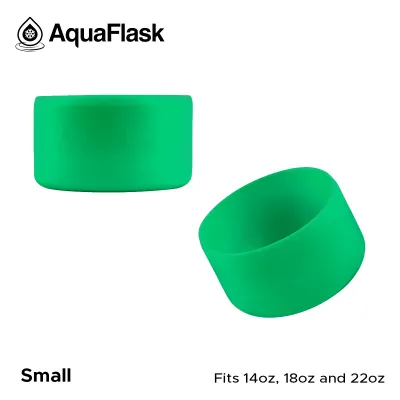
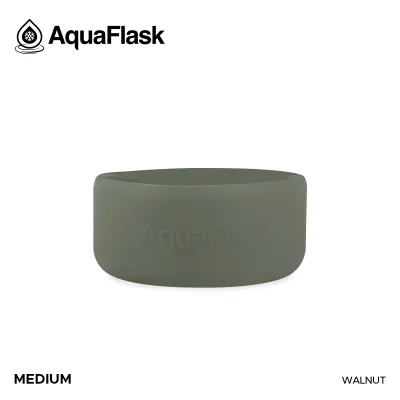
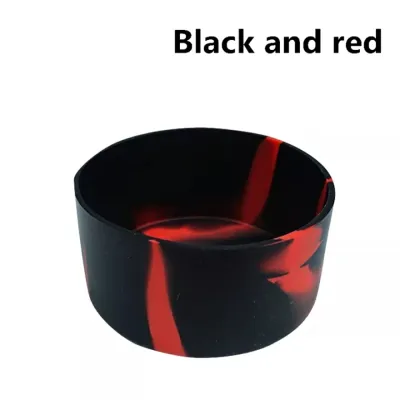
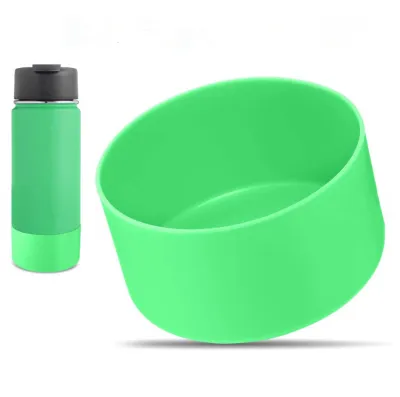
Silicone boots are among the most popular accessories, primarily because they shield the vulnerable bottom of your stainless steel bottle from dents and scratches. If you frequently place your bottle on hard surfaces like concrete sidewalks, tiled office floors, or outdoor court surfaces, a silicone boot provides excellent impact absorption. It also eliminates the loud metallic clanging sound when setting the bottle down, which is a major benefit in quiet office environments or classrooms.
However, the utility of a boot depends heavily on its fit and how well you manage moisture. A snug-fitting boot is essential; if it is too loose, dirt and water will slip inside, scratching the paint and trapping moisture. In humid tropical climates, trapped water between the boot and the bottle cannot evaporate easily. This creates a damp environment that quickly produces sour odors and mold. To prevent this, you must regularly remove the boot, wash both surfaces, and let them dry completely before reassembling.
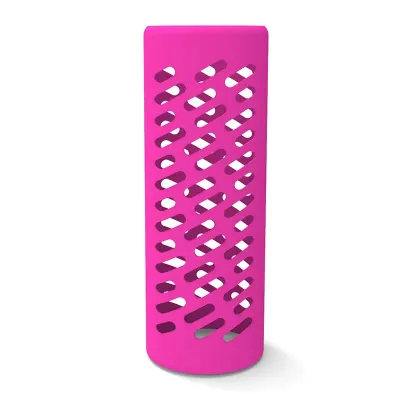
In addition to protection, a silicone boot improves your grip when handling a large or heavy bottle. While double-walled vacuum insulation prevents condensation on the exterior, sweat, rain, or wet hands can still make the smooth powder-coated steel slippery. A textured silicone boot or a mid-bottle sleeve provides a secure holding surface, reducing the likelihood of accidental drops.
Before buying, consider the aesthetic and bulk trade-offs. A thick, heavy-duty boot adds diameter to the base of your bottle. If you rely on standard car cup holders or tight side pockets on your backpack, a bulky boot might prevent the bottle from fitting securely. Measure your daily storage spaces and compare them to the outer diameter of the boot to ensure it remains practical for your commute.
Maintenance Tools: Choosing the Right Brushes and Drying Racks
Keeping the interior of your insulated bottle clean is vital for your health, making high-quality maintenance tools some of the most practical accessories you can own. To preserve the integrity of the interior stainless steel, avoid using abrasive steel wool or stiff wire brushes. These harsh materials can create micro-scratches on the metal walls, which then act as microscopic pockets where bacteria, mold, and mineral scale can easily cling. Instead, opt for soft nylon bristles or food-grade silicone bottle brushes that clean thoroughly without scratching.
Handle length and flexibility are crucial when selecting a cleaning brush. A short brush will not comfortably reach the bottom corners of taller 32-ounce or 40-ounce bottles, leaving a residue buildup over time. Look for a brush with a long, sturdy handle and a flexible head that can bend slightly to scrub the hard-to-reach joint where the bottle’s wall meets the base.
Proper drying is just as important as washing. While dedicated bottle drying racks with angled pegs keep your bottle upright and well-ventilated, they are not strictly necessary if you have a clean, dry towel and a well-ventilated kitchen. The key is to dry the bottle upside down at an angle so air can circulate inside, preventing stale air and moisture from being trapped. Never store your bottle with the lid tightly closed while it is still damp inside.
Your cleaning routine should match the types of beverages you consume. If you only use your bottle for plain water, a daily rinse with warm water and a thorough weekly scrub with mild dish soap is usually sufficient. However, if you use your bottle for sports drinks, electrolytes, or protein shakes, you must wash the bottle and all lid components immediately after use. Sugars and proteins encourage rapid bacterial growth, especially in warm weather, requiring immediate and thorough sanitization.
Portability Solutions: Carriers, Slings, and Handles Evaluated
Carrying a fully loaded water bottle can become tiring, especially during long commutes or outdoor activities. A full 40-ounce bottle weighs over one kilogram, making portability accessories highly useful if you are constantly on the move. When evaluating carrying solutions, look closely at the attachment mechanisms. Screw-on lid handles or rigid collar rings that lock securely under the bottle’s neck rim are far more reliable than adhesive-based loops or simple friction-fit silicone bands, which can slip off when subjected to sudden movement.
Weight distribution is another key factor for comfort. If you carry a high-capacity bottle, a thin finger loop or a narrow plastic handle can dig into your hands over time. For larger bottles, a wide, adjustable shoulder sling or a padded crossbody strap is a much better choice. These slings distribute the weight evenly across your torso, leaving your hands completely free during walks or public transit commutes.
Quick-release features add significant convenience to daily use. Look for carriers or slings that feature durable plastic buckles or metal carabiners. This allows you to quickly detach the bottle from your bag or shoulder strap to take a drink, rather than struggling to slide the entire carrying harness off your body every time you are thirsty.
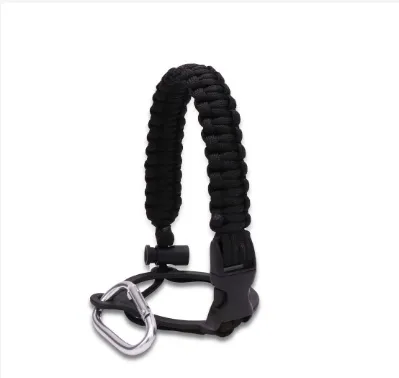
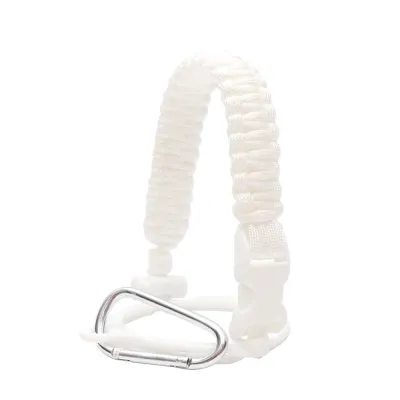
Finally, inspect the durability and wear resistance of the carrying materials. Paracord handles are popular for their rugged look and comfortable grip, but woven fibers easily absorb sweat, dirt, and rain. In tropical weather, wet paracord takes a long time to dry and can develop a damp, musty smell if not washed and dried regularly. Webbing straps or water-resistant nylon sleeves are often more practical for daily use because they dry quickly and can be easily wiped clean with a damp cloth.
Decision Checklist: Matching Accessories to Your Daily Routine
To help you finalize your accessory setup, use this quick reference guide to match your purchases to your primary lifestyle and daily environment:
- The Office Commuter: Focus on a leak-proof spout lid to prevent keyboard spills, a slim silicone boot to eliminate loud clanging on desks, and a low-profile handle for carrying between meeting rooms.
- The Gym Goer: Opt for a high-flow straw lid for quick sips between sets, a textured boot for grip on sweaty hands, and a simple bottle brush for daily cleaning of sports drink residues.
- The Outdoor Enthusiast: Choose a heavy-duty padded shoulder sling, a protective full-body sleeve to guard against rocks, and a dust cover for the mouthpiece.
- The Student: Stick to the essentials—a reliable, easy-to-clean straw lid for lectures, a basic silicone boot to protect against drops in lecture halls, and a standard nylon brush set to keep maintenance simple and low-cost.
Frequently Asked Questions (FAQ)
Can I use third-party lids and boots on my AquaFlask?
Many third-party accessories are marketed as universally compatible with wide-mouth vacuum-insulated bottles. However, thread patterns and diameters can vary slightly between different brands. Using a non-OEM lid increases the risk of cross-threading, which can permanently damage the plastic threads and cause slow, frustrating leaks. Additionally, ensure any third-party plastic or silicone is certified food-grade and BPA-free. Keep in mind that using unofficial accessories that cause damage or leaks might affect your ability to claim warranty support from the manufacturer.
Do paracord handles or adhesive carriers damage the bottle neck?
Friction-fit paracord loops and tight plastic collar rings can rub against the bottle’s powder-coated exterior. Over time, constant movement and vibration during walks can wear down the paint, leaving shiny metal rings or scratches around the neck. Adhesive carriers can leave a sticky residue that is difficult to clean without harsh solvents. To preserve the bottle’s aesthetic finish, consider using lid-integrated handles or carriers that do not rub directly against the painted metal surfaces.

Community discussion
Share your experience or ask a question. Comments are reviewed before publication.