
Choosing the right baby scooter for kids is not a matter of matching a birthdate to a box; it is about aligning the scooter’s design with your child’s physical development, balance, and coordination. While manufacturers print age guidelines on packaging, every child develops motor skills at their own pace. A toddler who walks confidently might be ready for a seated model, while an older child who still struggles with dynamic balance may need more time on a stable three-wheel platform. By focusing on physical milestones rather than chronological age, you can select a scooter that supports their growth, builds confidence, and keeps them safe during outdoor play.
Before introducing any wheeled toy, carefully observe your child’s daily physical activities. Watch how they navigate your home or local park. A child who walks with a steady, wide gait and can easily change directions without tripping shows the foundational balance required for a scooter. They should also demonstrate basic spatial awareness, such as steering around furniture or stopping before they bump into obstacles. If your child frequently loses balance while walking on flat ground, they may need more time to develop their gross motor skills before stepping onto a deck.
Leg strength and bilateral coordination are also essential for operating a baby scooter for kids. Riding requires a child to stand on one leg while using the other to push off the ground, a motion that demands significant core stability and hip strength. Observe whether your child can kick a soft ball, climb low steps without holding onto a wall, or stand on one foot for a second or two. These movements indicate that their muscles and joints are ready to handle the weight shifts and repetitive pushing motions of scooting.
Products mentioned in this guide
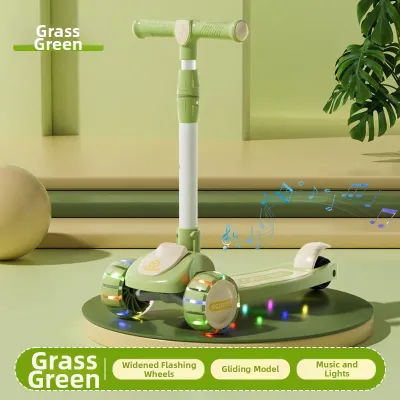
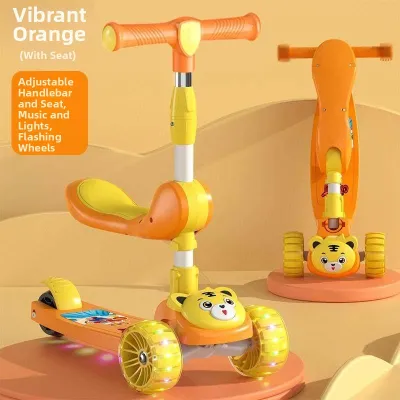
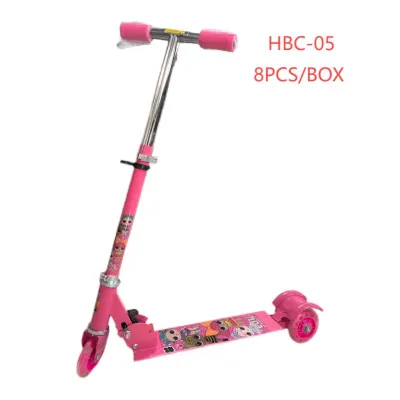
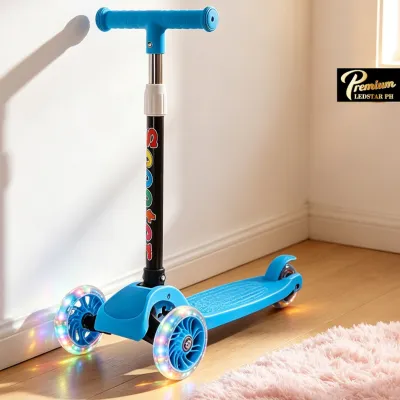
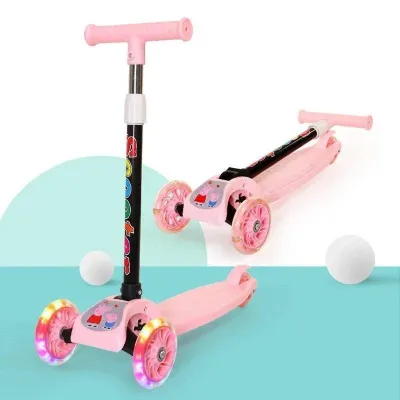
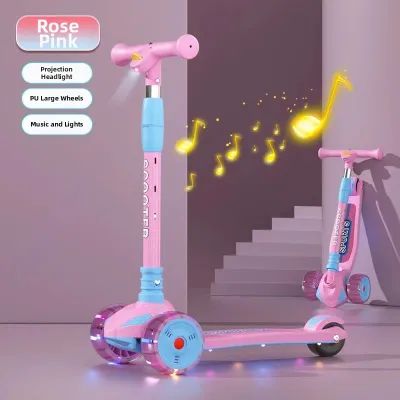
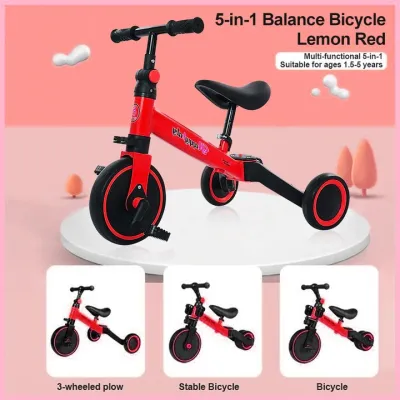
Prices are valid at publication and may change. Please refer to the product page for the latest price.
Cognitive readiness is just as critical as physical capability. A child must understand basic cause-and-effect relationships, such as knowing that turning the handlebars changes their direction or that stepping off the deck will stop their momentum. If a toddler tends to ignore boundaries, runs headlong into hazards, or lacks the attention span to follow simple safety instructions, they may not be ready for a moving toy. In such cases, waiting a few months is the safest decision, allowing their cognitive control to catch up with their physical energy.
Match Scooter Types to Developmental Stages
Understanding how different scooter configurations support specific phases of motor skill development helps you make an informed choice. Scooters generally fall into three categories: seated ride-ons, three-wheel kick models, and traditional two-wheel designs. Each configuration offers a different level of stability and requires a distinct set of physical skills. Transitioning your child between these types should always be guided by their observed coordination and confidence, rather than a rigid timeline or peer pressure.
Ride-On and Sit-to-Stand Scooters
For the youngest toddlers who are just finding their footing, ride-on and sit-to-stand scooters offer an excellent entry point into wheeled mobility. These designs feature a low seat that allows the child to sit comfortably while pushing themselves forward with both feet, keeping their center of gravity low and stable. When evaluating these models, look for a wide, stable base that resists tipping and steering limiters that prevent the front wheels from turning too sharply. A smooth transition mechanism is also highly beneficial, allowing you to remove the seat and convert the toy into a standing scooter once your child’s balance improves.
Before letting your toddler ride, verify that they can sit upright independently without slouching and that their feet rest flat on the floor while seated. This contact with the ground is crucial, as it gives them complete control over their speed and stopping power. They should also demonstrate an understanding of basic steering, realizing that turning the handles guides their path. Always check the manufacturer’s manual for the minimum age, height, and weight requirements for the seated mode to ensure the frame can safely support your child’s proportions.
Three-Wheel Kick Scooters
As toddlers transition into active preschoolers, three-wheel kick scooters provide the perfect balance of stability and challenge. Typically configured with two wheels in the front and one in the back, these scooters stand upright on their own, reducing the effort required to stay balanced. This design allows children to focus on mastering the kicking motion and developing their steering coordination. When choosing a three-wheel model, you will encounter two main steering mechanisms: lean-to-steer, where the child shifts their body weight to turn, and traditional fixed steering, where the handlebars turn like a bicycle. Lean-to-steer models are excellent for building core strength and preparing kids for future sports, while fixed steering can feel more intuitive for beginners.
To ride a three-wheel scooter safely, your child must be able to stand on one foot briefly to push off and shift their weight smoothly from side to side. They should also understand how to use the rear foot brake or have the coordination to step off the deck safely when they need to stop. While the three-wheel configuration offers excellent tip-resistance, it is not self-correcting; the rider must still maintain an upright posture, manage their momentum, and actively steer around obstacles to avoid spills.
Two-Wheel Scooters
Traditional two-wheel scooters represent the final stage of early scooter development, requiring advanced coordination, rapid reflexes, and dynamic balance. Unlike three-wheel models, these scooters will fall over if they are not in motion, meaning the rider must constantly adjust their body weight to stay upright. This style is best suited for older children who have fully mastered the three-wheel design and are looking for more speed, maneuverability, and a greater physical challenge.
Before upgrading to a two-wheel model, evaluate your child’s ability to balance while gliding. They should be able to coast for several meters on a three-wheel scooter without putting their foot down. They must also demonstrate quick reaction times to obstacles, the ability to steer smoothly around tight corners, and the coordination to use hand brakes or rear foot brakes effectively. Because two-wheel scooters travel faster, your child needs a high level of spatial awareness and hazard recognition to avoid collisions. Always test their readiness on a flat, empty, and controlled surface, such as a paved driveway or a quiet basketball court, before allowing them to ride independently.
Check Safety Specifications and Manufacturer Limits
Selecting the right baby scooter for kids requires a close inspection of safety specifications and physical dimensions to ensure a proper fit. Never buy a scooter that is too large with the intention of having your child “grow into” it, as an oversized scooter is difficult to control and increases the risk of injury. Start by verifying the maximum weight capacity and the recommended age range printed on the product label or manual. These limits are calculated based on the structural strength of the frame, the responsiveness of the brakes, and the flexibility of the steering components.

Handlebar height adjustability is one of the most important features to check. When your child stands on the deck, the handlebars should align comfortably between their waist and chest. If the handlebars are too high, the child will struggle to steer and may suffer facial injuries if they stop suddenly; if they are too low, the child will hunch forward, compromising their balance and putting strain on their back. Ensure the locking mechanism on the adjustable stem is robust and secure, preventing the handlebars from slipping down during a ride.
Next, inspect the deck and the wheels. The deck should be wide enough for your child to place both feet on it comfortably when coasting, and it must feature a high-traction grip tape or a molded non-slip surface to prevent their shoes from sliding off, especially in humid or damp conditions. The wheels should be made of high-quality polyurethane, which offers excellent grip and shock absorption on outdoor surfaces, rather than hard, slippery plastic. Finally, never modify the scooter’s frame, steering column, or braking system, and never exceed the specified weight limits, as doing so can cause structural failure and render the brakes useless.
Evaluate Riding Environment and Gear Requirements
Creating a safe riding environment is just as important as choosing the right scooter. In the Philippines, outdoor play often takes place on subdivision roads, local parks, or barangay multi-purpose courts. You must define clear, safe riding zones that are flat, paved, and entirely free of motorized traffic. Avoid areas with steep inclines, loose gravel, sand, or deep cracks in the concrete, as these can easily catch small scooter wheels and cause sudden falls. Be especially mindful of the weather; tropical downpours can quickly make concrete surfaces slick and reduce visibility, so establish a strict rule that riding must stop immediately when it starts to rain.
Protective gear is non-negotiable every time your child steps onto their scooter. A properly fitted helmet is the most critical piece of equipment; it should sit level on the head, covering the forehead, with the straps adjusted to form a snug “Y” shape under the ears. Depending on your child’s skill level and the type of scooter they ride, additional padding—such as knee and elbow pads—can prevent painful scrapes and bruises during the learning phase. Encourage your child to wear closed-toe shoes with rubber soles for maximum grip and foot protection, avoiding sandals or slippers.
Supervision rules must be tailored to your child’s age and cognitive development. For toddlers on ride-ons or three-wheel scooters, an adult should always remain within arm’s reach to assist with steering and prevent unexpected tumbles. As children grow older and transition to faster two-wheel models, you can establish clear distance limits, ensuring they always remain within your line of sight. Teach them to stop at every driveway or intersection, look both ways, and wait for your permission before crossing, building safe habits that will last a lifetime.
Frequently Asked Questions (FAQ)
When should I transition my child from a 3-wheel to a 2-wheel scooter?
The transition from a three-wheel to a two-wheel scooter depends entirely on your child’s dynamic balance and coordination rather than a specific age. Observe your child while they ride their three-wheel scooter: if they can glide for long distances with their feet off the ground, steer smoothly around tight corners without tipping, and use the brake confidently, they are likely ready. If they seem bored by the stability of three wheels and actively seek more speed or sharper turns, it is a good time to let them try a two-wheel model on a flat, grassy, or carpeted surface to test their balance before moving to concrete.
Are baby scooters with seats safer for toddlers?
Baby scooters with seats can be safer for toddlers who are still developing their standing balance and leg strength, as they keep the child’s center of gravity low and reduce the risk of falling from a standing height. However, their safety depends heavily on proper design and active supervision. Ensure the model has a wide wheel track to prevent sideways tipping, steering limiters to avoid sudden sharp turns, and that your child’s feet can rest flat on the ground to control their speed. Even with a seat, toddlers must wear a helmet and be supervised closely to prevent collisions or tipping on uneven ground.

Community discussion
Share your experience or ask a question. Comments are reviewed before publication.