
Selecting the right ball for volleyball depends entirely on where you plan to play. A ball designed for a polished indoor hardwood court will quickly deteriorate if used on a concrete neighborhood court, while a heavy outdoor ball will feel sluggish on an indoor court. Matching the ball’s construction to your primary playing surface ensures optimal performance, protects your investment, and prevents hand or wrist discomfort. By evaluating your playing environment, understanding the structural differences between ball types, and verifying key specifications, you can confidently choose the ideal volleyball for your needs.
Step 1: Diagnose Your Primary Playing Environment
Before browsing online marketplaces or local sports shops, take a close look at where you spend most of your playing time. The physical surface is the most critical factor. In the Philippines, volleyball is played across a wide variety of settings, from polished indoor hardwood and synthetic courts to sandy coastal beaches, grassy parks, and concrete barangay courts. Each of these surfaces interacts differently with the ball’s cover material. Hardwood and synthetic indoor courts require a ball that bounces predictably and offers a consistent grip, whereas concrete and asphalt demand extreme abrasion resistance.
Environmental factors also play a massive role, especially in tropical climates. High humidity, intense sun exposure, and sudden rain showers can rapidly degrade certain materials. If you play outdoors, your ball must withstand UV rays without cracking and resist moisture absorption, which can make the ball heavy and waterlogged. Wind is another variable; lighter balls are easily swept off course outdoors, requiring a slightly different design for open-air play.
Products mentioned in this guide
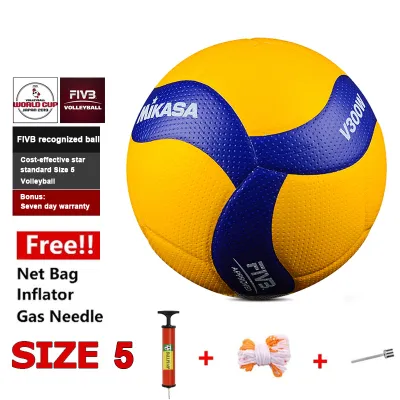
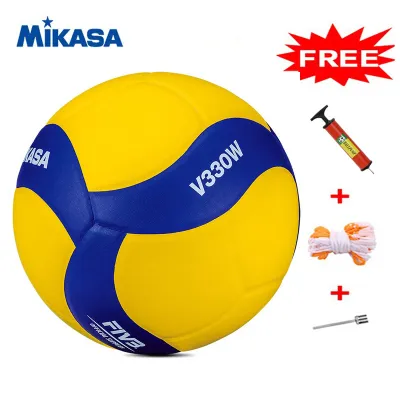
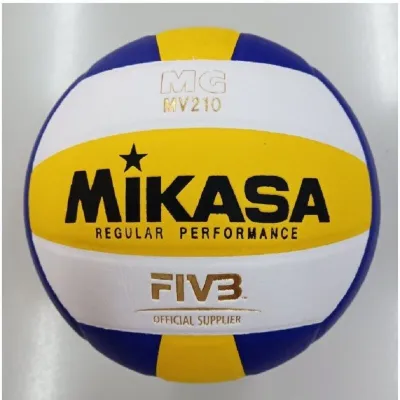
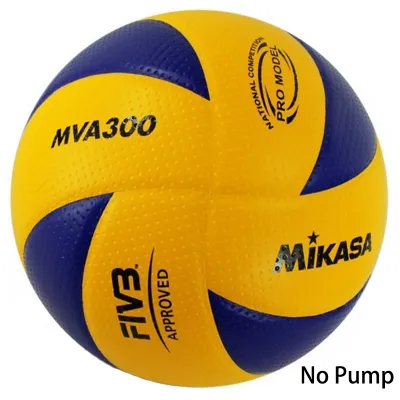
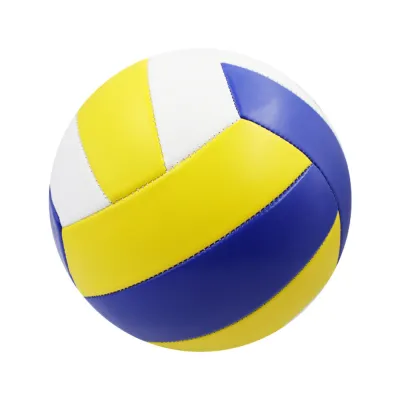
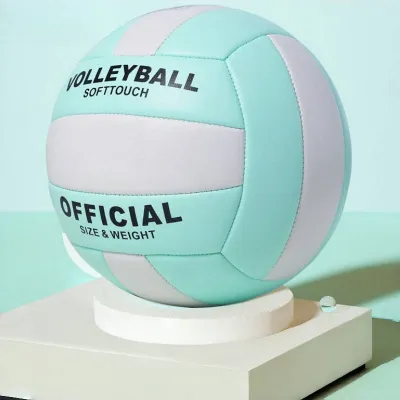
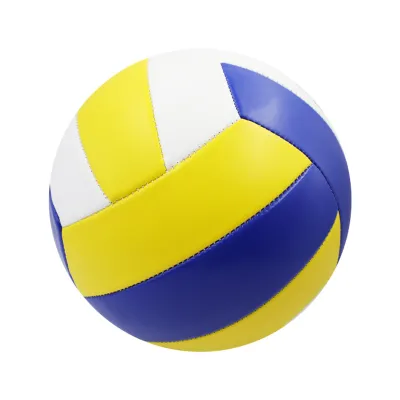
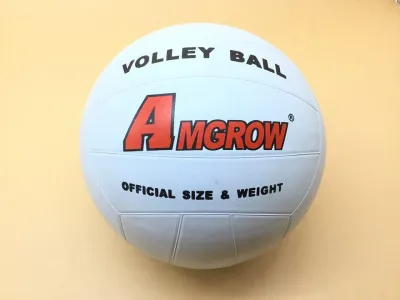
Prices are valid at publication and may change. Please refer to the product page for the latest price.
Finally, consider your typical play intensity. Are you engaging in casual weekend recreation, participating in competitive league matches, or performing repetitive solo drills? High-intensity training requires precise weight and pressure specifications, while casual play on mixed surfaces prioritizes durability and comfort.
Step 2: Match Your Environment to the Right Ball Type
Once you have identified your primary playing conditions, you can match them to one of the four main categories of volleyballs: indoor, beach, outdoor, or training. Each category features distinct structural differences in size, weight, internal pressure, and cover material. These variations are engineered to optimize performance and safety under specific conditions.

Using the wrong ball type in an environment it was not designed for can lead to a poor playing experience and rapid wear. For instance, using a lightweight, soft beach volleyball indoors results in a slow, floaty game that lacks the fast-paced power of traditional indoor play. Conversely, bringing a premium indoor ball to a concrete court will scuff the delicate cover within minutes, leading to seam failure. Understanding these categories helps you avoid costly mistakes and ensures your gear lasts.
Indoor Volleyballs for Hard Courts
Indoor volleyballs are engineered specifically for clean, smooth indoor surfaces like hardwood or synthetic courts. These balls typically feature a smooth cover made from high-grade composite leather or genuine leather. The panels are molded or glued onto an internal bladder rather than stitched, creating a seamless surface that ensures a perfectly round shape and a highly predictable bounce. This smooth texture allows players to execute precise sets, passes, and high-speed spikes.
When selecting an indoor ball, you should verify the weight and internal pressure characteristics on the product label. Indoor balls are inflated to a higher pressure than beach volleyballs, resulting in a faster, crisper bounce. However, this high-pressure, molded construction makes them highly vulnerable to rough surfaces. You should avoid using indoor balls on concrete, asphalt, or even grass, as abrasive contact will quickly scuff the composite cover, compromise the seams, and ruin the ball’s aerodynamic properties.
Beach Volleyballs for Sand and Elements
Beach volleyballs are built to withstand the harsh elements of outdoor sand courts, where wind, bright sunlight, and moisture are constant factors. These balls are slightly larger and lighter than indoor balls, which helps them float through the air and allows players to track them more easily in windy conditions. The covers are typically made from water-resistant synthetic materials that prevent the ball from absorbing water and becoming heavy during play near the shoreline or in high humidity.
The surface of a beach volleyball often features a textured or dimpled pattern to improve visibility against the bright sky and enhance grip when hands are sweaty or sandy. Unlike molded indoor balls, beach volleyballs are usually hand-stitched or machine-stitched. This specialized seam construction is designed to keep sand and moisture from penetrating the internal bladder, ensuring the ball maintains its shape and weight throughout long sessions under the tropical sun.
Outdoor and Training Balls for Versatility
If your games transition frequently between backyard grass, concrete neighborhood courts, and school grounds, an outdoor recreational ball is your best option. These versatile balls are built for durability, featuring thicker rubber or heavy-duty synthetic covers that can survive repeated impact with rough surfaces without tearing. While they may lack the soft, premium touch of an official indoor match ball, they offer excellent longevity and are highly resistant to punctures and abrasions.
Training balls, on the other hand, serve a highly specific purpose in skill development rather than standard match play. This category includes weighted balls designed to build setter wrist strength, oversized balls for beginners, or tethered balls for solo spiking practice. When choosing between these options, consider the trade-offs: a durable outdoor ball is perfect for casual, multi-surface play, while specialized training balls should be reserved for targeted practice sessions to avoid premature wear.
Step 3: Verify Specifications and Construction Before Buying
Before finalizing your purchase, whether at a local sporting goods store or through an online marketplace, it is essential to verify the ball’s specifications. Check the manufacturer’s stated circumference, weight, and recommended inflation pressure against standard guidelines for your chosen category. For example, standard indoor balls typically have a circumference of 65 to 67 centimeters, while beach volleyballs are slightly larger at 66 to 68 centimeters. Ensuring these numbers align with official standards guarantees a familiar feel during play.
Next, inspect the valve type and seam construction. Look for self-sealing valves that prevent air leakage, especially in hot and humid climates where air pressure can fluctuate. Decide between molded seams (ideal for indoor precision) and stitched seams (preferred for outdoor durability and sand resistance).
Always review the product label or online description for specific surface recommendations, water-resistance claims, or warranties. If a product lacks clear specification labels, category designations, or manufacturer details, plan to stop and consult the retailer or manufacturer before spending your money. Investing a few minutes to verify these details ensures you receive a high-quality ball that matches your playing style and budget, which typically ranges from ₱1,000 for recreational models to ₱4,000 or more for professional-grade match balls.
Frequently Asked Questions (FAQ)
Can I use an indoor volleyball for casual outdoor play?
It is highly discouraged to use an indoor volleyball on rough outdoor surfaces like concrete, asphalt, or gravel. The delicate composite or genuine leather cover of an indoor ball is designed for smooth hardwood and will quickly scuff, peel, or tear upon contact with rough ground. Additionally, outdoor moisture, dirt, and sand can easily penetrate the molded seams, degrading the internal bladder and ruining the ball’s balance and grip. For casual outdoor play, it is much better to invest in a dedicated outdoor or recreational ball with a durable synthetic or rubber cover.
How do I know if a volleyball is the correct size and weight?
To ensure a volleyball is the correct size and weight, always check the printed specifications on the ball’s surface or its packaging. Official indoor and outdoor balls generally weigh between 260 and 280 grams. If you are purchasing in person, you can compare the feel, weight, and bounce of the ball against a known standard model. For online purchases, rely strictly on the manufacturer’s detailed specification sheet. Avoid buying balls that do not list these exact measurements, as off-brand or toy volleyballs are often too light or poorly balanced for proper play.

Community discussion
Share your experience or ask a question. Comments are reviewed before publication.