
Before heading out onto the water, remember that having the correct gear is only one part of water safety. Equipment cannot replace proper training, swimming ability, local weather awareness, and the consistent use of a certified personal flotation device (PFD). Always assess water conditions, wind speeds, and tidal currents before launching your craft.
To choose the right paddle, you must match the physical design of your watercraft and your seating position to the paddle’s mechanical design. Using the wrong tool leads to rapid fatigue, poor control, and unnecessary physical strain. The boat’s physical dimensions, its hull design, and your height relative to the waterline dictate the paddle type, rather than personal preference.
Quick Diagnostic: Match Your Watercraft to the Right Paddle Type
Identifying the correct category of paddle depends on three main watercraft designs:
Products mentioned in this guide
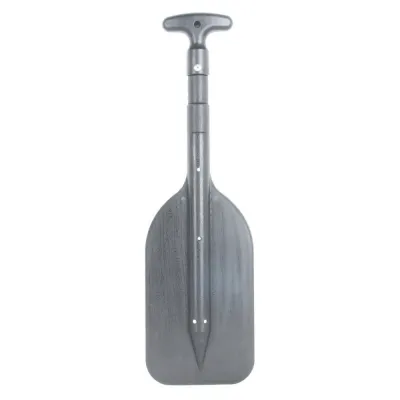
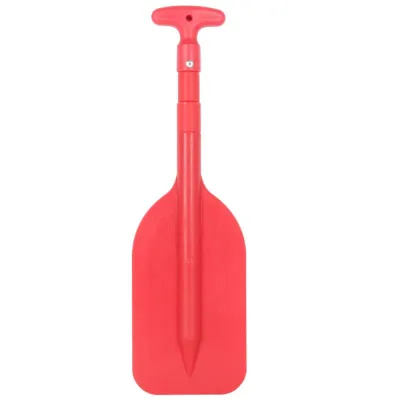
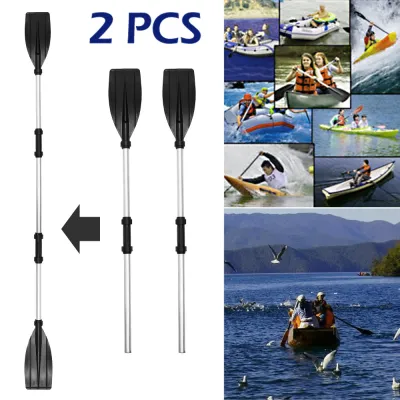
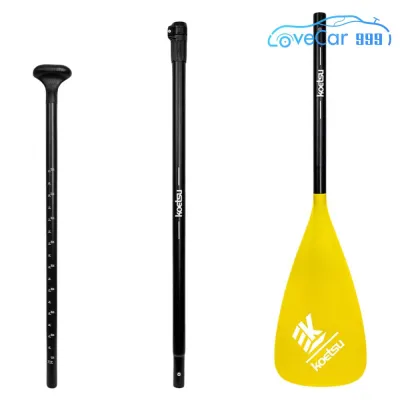
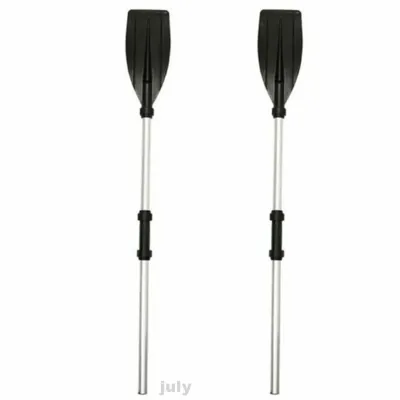
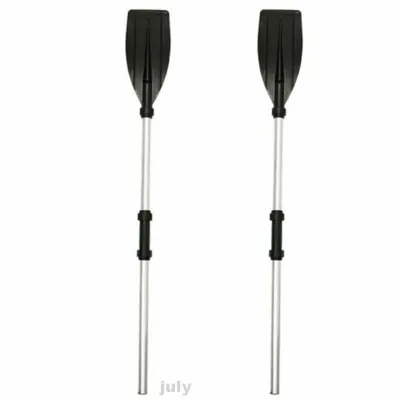
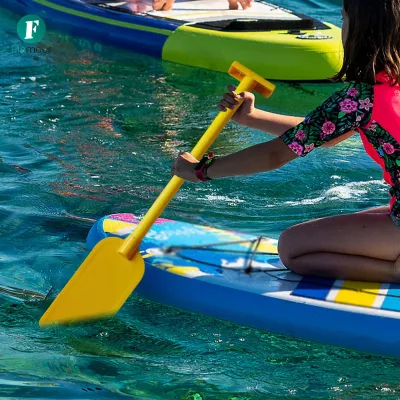
Prices are valid at publication and may change. Please refer to the product page for the latest price.
- Outrigger Paddles (Sagwan): Single-blade paddles designed for traditional bangkas and outrigger canoes where you sit or kneel relatively high above the water.
- Double-Blade Kayak Paddles: Features a blade on both ends of a single shaft, ideal for low-seated paddlers who need to alternate strokes.
- Oars and Single-Blade Inflatable Paddles: Oars attach to fixed pivot points (oarlocks) on a boat's gunwale, while inflatable paddles are handheld tools used for light maneuvering.
To determine your needs, run through this quick diagnostic checklist:
- What type of boat are you piloting? (Traditional wooden or fiberglass bangka, sit-on-top/sit-in kayak, or a PVC inflatable raft?)
- What is your seating position? (Are you elevated on a wooden bench, seated low near the floorboards, or kneeling?)
- Does your watercraft have oarlocks? (Fixed metal or plastic rings designed to hold oars in place?)
Outrigger Paddles (Sagwan ng Bangka) for Traditional Boats
Paddling a traditional Philippine bangka requires a deep understanding of how outriggers (katig) affect your movement. Because you sit on a raised bench or kneel on the floorboards, you are positioned higher above the water than in a kayak. You paddle primarily on one side of the craft, using J-strokes or switching sides occasionally to maintain a straight line. This requires a single-blade paddle, locally known as a sagwan ng bangka.

The anatomy of a traditional sagwan is simple but highly functional. It consists of a grip at the top of the shaft (usually a T-grip or a rounded palm grip), a straight, rigid shaft that transfers your physical energy directly to the water, and a wide, flat lower portion known as the blade.
Material selection plays a critical role in how well your paddle performs in local tropical waters:
- Wood: Traditional, highly buoyant, and possesses a natural flex that cushions the impact on your shoulders. However, untreated wood is highly susceptible to tropical humidity, rot, and marine woodborers.
- Aluminum and Fiberglass/Plastics: Modern alternatives offering high durability and low maintenance. Aluminum shafts are budget-friendly but can become extremely hot under the Philippine sun. Fiberglass shafts offer a balanced strength-to-weight ratio and do not rust in saltwater.
Before pushing off from the shore, inspect wooden shafts for splinters, deep cracks, or signs of dry rot. Ensure the blade-to-shaft joint on composite paddles is completely secure.
Choosing the Right Blade Shape and Grip
- Teardrop Blades: These blades feature a wider bottom section. They are highly efficient for calm coastal waters, estuaries, and shallow reefs because they grab a large volume of water immediately upon entry, allowing for quick acceleration and precise maneuvering.
- Rectangular Blades: These are narrower and longer, distributing the surface area evenly. They excel in moving water, deep channels, or when propelling a heavily loaded bangka, as they provide a consistent, powerful pull throughout the entire stroke.
- T-Grip vs. Palm Grip:
- T-Grip: Best for rough coastal chop or rapid river currents. The T-shape allows your fingers to wrap securely around the handle, giving you maximum leverage to twist and angle the blade.
- Palm Grip: A contoured, rounded top that fits naturally into the palm of your hand. It is highly recommended for long, flatwater journeys where comfort and preventing hand fatigue are your primary goals.
Double-Blade Paddles for Kayaks
Kayaks place the paddler very close to the waterline. Because of this low seating position, a single-blade paddle would require constant, exhausting side-to-side switching to keep the kayak tracking straight. A double-blade paddle allows you to execute alternating strokes on either side of the hull in a continuous, fluid rhythm, keeping the kayak balanced and moving forward efficiently.
When selecting a double-blade paddle, you must choose between recreational and touring designs:
- Recreational Paddles: Typically feature wider, shorter blades. They are designed for casual, short-distance paddling on calm lakes, slow-moving rivers, or sheltered bays. They provide immediate power but can cause fatigue over long distances.
- Touring and Sea Kayak Paddles: Feature longer, narrower blades. They are engineered for efficiency, allowing you to maintain a steady, low-angle paddling style over several hours without putting excessive strain on your shoulders and back.
Shaft materials directly impact the weight of the paddle and the amount of fatigue you will experience:
- Aluminum: The most affordable option, but it is heavy and transfers cold or heat easily.
- Fiberglass: Lighter than aluminum, offering a comfortable flex that reduces joint fatigue during extended trips.
- Carbon Fiber: The premium choice, offering the lightest weight and maximum rigidity. This material significantly minimizes muscle fatigue, though it sits in a much higher price band (often exceeding ₱5,000 to ₱15,000 depending on the brand and construction).
Understanding Feather Angles and Shaft Designs
- Feather Angle: This refers to the angle at which the two blades are offset from each other along the shaft.
- 0 to 15 Degrees: Recommended for beginners and casual paddlers. It allows for a natural, symmetrical stroke without requiring you to twist your wrists.
- 45 to 60 Degrees: Ideal for windy coastal conditions. Feathering the blades allows the blade that is out of the water to slice through the air with minimal wind resistance, though it requires proper wrist rotation technique to avoid strain.
- Straight vs. Bent Shafts:
- Straight Shafts: The traditional, widely available design. They are highly versatile and cost-effective but require a consistent grip angle.
- Bent Shafts: Feature a kinked or curved section where your hands naturally rest. This ergonomic design aligns your wrists more naturally with your forearms, significantly reducing joint strain and the risk of developing repetitive strain injuries during long-distance touring.
Paddles and Oars for Inflatable Boats
It is crucial to distinguish between oars used for rowing and paddles used for paddling. Rowing involves using oars that are secured to the boat via oarlocks. The rower typically sits facing the stern (backward) and pulls the oars, using the oarlocks as a fulcrum to generate immense leverage and power. Paddling, on the other hand, involves holding a single- or double-blade paddle freely with both hands, facing forward, and pushing the water backward.
Inflatable dinghies and small rafts used for fishing or tenders generally rely on oars. Because inflatable tubes are wide and buoyant, you need oars that can clear the sides of the tubes easily. Look for oars made of lightweight aluminum or heavy-duty plastic that can withstand the friction of plastic oarlocks.
If you are operating a narrow inflatable kayak or a small utility boat that lacks built-in oarlocks, a double-blade kayak paddle is the most efficient choice. This setup allows you to sit low on the inflatable floor and maneuver the craft quickly, especially in tight spaces like mangrove channels or narrow rivers where oars would strike the banks.
Sizing Oars for Inflatable Dinghies and Rafts
- The Inboard/Outboard Rule: To achieve proper rowing leverage without your hands colliding in the center, apply the classic "one-third inboard, two-thirds outboard" rule. This means that one-third of the oar's total length (from the grip to the oarlock) should extend inside the boat, while the remaining two-thirds (from the oarlock to the blade tip) extends outside.
- Verification Steps:
- Measure the distance between your boat's port and starboard oarlocks (the span).
- Check the manufacturer's specification manual for recommended oar lengths, as some inflatable hulls require specific lengths to prevent the blades from diving too deep or slipping out of the water.
- Ensure the shaft diameter of the oars matches the internal diameter of your boat's oarlocks to prevent excessive rattling or slipping.
How to Measure and Verify the Correct Paddle Length
Using a paddle that is poorly sized can lead to shoulder impingement, blisters, and inefficient tracking. Before purchasing your gear, use these practical, at-home measurement techniques to verify the correct size.
- The "Arms Up" Reach Test (Single-Blade & Sagwan):
1. Stand barefoot on a flat surface with the paddle standing vertically next to you, blade resting on the ground.
2. Reach your arm straight up overhead.
3. For a traditional sagwan ng bangka or a single-blade canoe paddle, the grip of the paddle should rest comfortably in your palm or reach between your chin and nose when your arm is slightly bent. If you must stretch excessively to reach the grip, the paddle is too long. - Torso-Length Method (Double-Blade Kayak Paddles):
1. Sit straight up on a flat chair, mimicking your seating position inside the kayak.
2. Measure the distance from the seat of the chair to your nose.
3. Combine this torso measurement with the width of your kayak. Wider kayaks (common in sit-on-top and inflatable models, often exceeding 30 inches or 76 cm) require longer paddles (typically 230 cm to 240 cm) to ensure the blades clear the wide sides of the boat without scraping the hull. Narrower touring kayaks (under 25 inches or 64 cm) pair well with shorter paddles (210 cm to 220 cm). - Adjustable vs. Fixed-Length Paddles:
- Adjustable Paddles: Feature a telescoping shaft with a ferrule or push-button lock. They are highly practical for families, shared boats, or inflatable kayaks where multiple users of different heights will use the same gear. They also allow you to adjust the length based on different seating heights.
- Fixed-Length Paddles: Offer superior structural integrity, lighter weight, and zero play in the shaft. They are preferred by experienced paddlers who prioritize performance, durability, and a seamless energy transfer during long trips.
Maintenance and Storage for Tropical Climates
The tropical climate of the Philippines—characterized by intense UV radiation, high humidity, and highly corrosive saltwater—can rapidly degrade paddling equipment if left unchecked.
- Essential Cleaning Steps: Always rinse your paddles thoroughly with clean, fresh water after every outing in saltwater or brackish estuaries. Pay close attention to the joints of adjustable shafts, push-button mechanisms, and the areas around the grips, as salt crystals can crystallize and seize these moving parts permanently.
- Storage Guidelines: Store your paddles in a cool, dry, shaded area away from direct sunlight. Prolonged UV exposure breaks down the chemical bonds in plastics, rubber drip rings, and fiberglass resins, making them brittle and prone to cracking under load. Never store heavy gear on top of your paddles, which can warp the shafts or bend plastic blades.
- Pre-Trip Inspection Routine:
- Inspect the blade edges for deep chips, cracks, or stress fractures.
- Check the shaft for any deep dents (on aluminum) or splintering fibers (on fiberglass/carbon).
- Verify that the hand grips are firmly glued and do not twist under pressure.
- Test the locking mechanism on adjustable shafts to ensure it holds securely without slipping.
Frequently Asked Questions (FAQ)
Can I use a double-blade kayak paddle for a traditional bangka?
While it is physically possible to hold a double-blade paddle while sitting in a traditional bangka, doing so is highly inefficient and physically awkward. Traditional bangkas have a relatively high seating position and feature wide outriggers (katig) supported by wooden struts (aklo).
A double-blade paddle requires a low, centered seating position to allow for comfortable alternating strokes. On a bangka, the wide outrigger structure will physically obstruct the path of a double-blade paddle, forcing you to hold the shaft at an awkward, elevated angle. This position quickly causes severe shoulder fatigue and increases the risk of hitting the wooden outrigger frame. For safe, comfortable, and historically proven boat handling, always use a properly sized single-blade sagwan ng bangka.

Community discussion
Share your experience or ask a question. Comments are reviewed before publication.