
Choosing the right Bone Voyage rod requires matching your specific target species and casting environment to the physical specifications printed on the rod blank. By understanding how power, action, and length interact with your fishing technique, you can select a model that maximizes casting efficiency, hook-setting success, and overall durability without relying on guesswork. Choosing a rod that aligns with your chosen fishing style ensures that you do not overload the blank while maximizing your control over every hookset and fight.
Understanding Bone Voyage Rod Specifications and Limits
Every fishing rod has its physical limits and performance characteristics printed directly on the blank, usually just above the foregrip. Understanding these specifications is the first step in selecting a model that will perform reliably on the water. The most critical metrics to evaluate are power, action, line weight, and lure weight. These ratings are not merely suggestions; they represent the engineering boundaries of the carbon fiber blank.
Power refers to the rod’s resistance to bending under load, ranging from Ultra-Light to Extra-Heavy. An Ultra-Light rod bends easily, making it highly sensitive to tiny bites but lacking the lifting power needed to stop a large fish. Conversely, a Heavy or Extra-Heavy rod requires significant force to bend, providing the backbone necessary to pull powerful fish out of heavy cover. When selecting a power rating, consider the average size of your target species and the amount of drag pressure you plan to apply during the fight.
Products mentioned in this guide
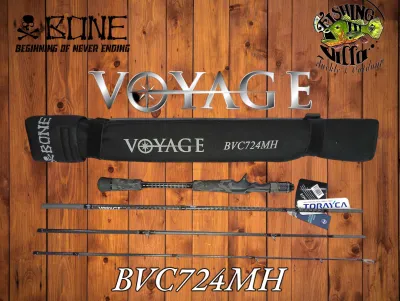
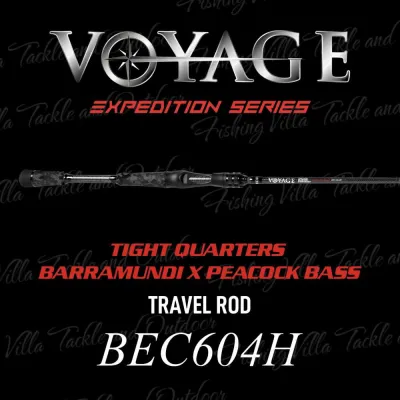
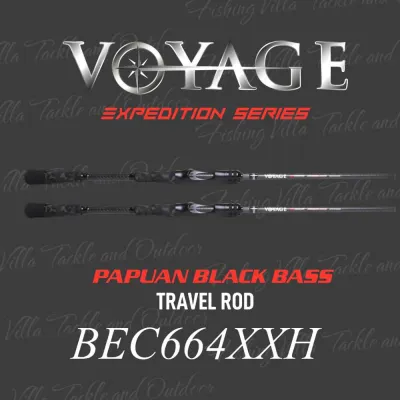
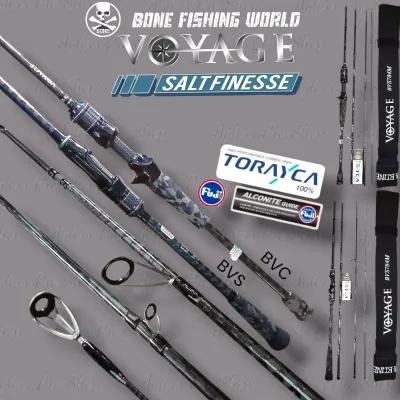
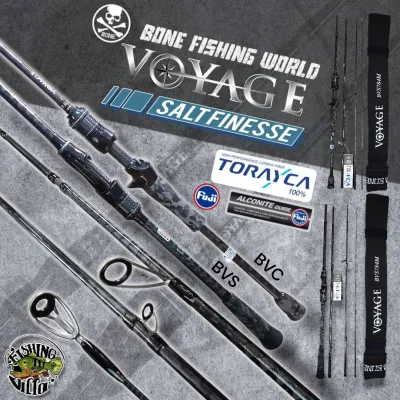
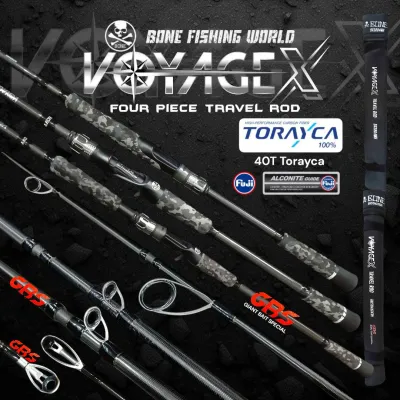
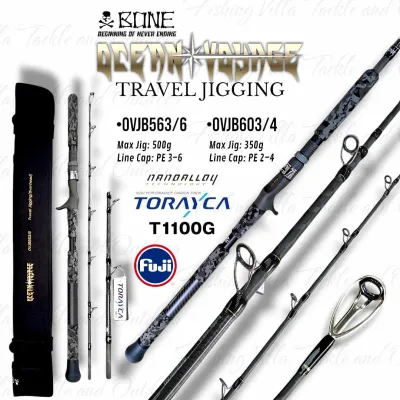
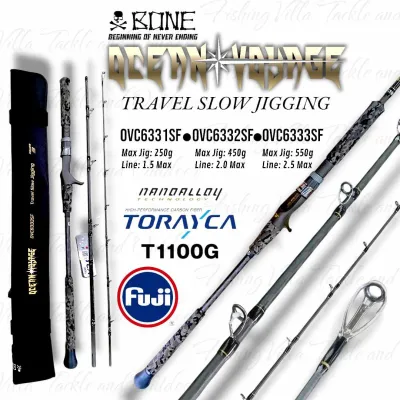
Prices are valid at publication and may change. Please refer to the product page for the latest price.
Action describes where the rod blank bends along its length when pressure is applied. A Fast action rod bends primarily in the top third of the blank, near the tip. This design offers excellent sensitivity, quick hooksets, and precise lure control, making it ideal for single-hook presentations like soft plastics and jigs. A Moderate or Slow action rod bends deeper down the blank, closer to the middle or lower section. This slower bend acts as a cushion, absorbing the shock of sudden runs and preventing treble hooks from tearing out of a fish’s mouth.
Line weight and lure weight ratings define the safe operating limits of the rod. The line weight rating (often expressed in pound-test or PE ratings for braided lines) indicates the strength of the line the rod is designed to handle. Using a line that exceeds this rating increases the risk of breaking the rod blank before the line snaps. The lure weight rating specifies the range of lure weights that the rod can cast efficiently. Casting a lure that is too light will result in poor distance and accuracy, while casting a lure that is too heavy overstresses the blank and can cause catastrophic structural failure during the cast.
Matching Rod Power and Action to Your Target Species
Selecting the right power and action combination requires a clear understanding of your target species and the environments they inhabit. In tropical estuaries, coastal flats, and freshwater rivers, anglers target a wide variety of species that demand different rod characteristics. Matching your gear to the specific fight dynamics of these fish is essential for both success and equipment longevity.

For small to medium freshwater or inshore species, such as dalag (mudfish), hito (catfish), or mangrove jack (mangagat) in brackish estuaries, sensitivity and precision are paramount. These species often hide deep within submerged roots, overhanging branches, or rock piles. A Medium-Light to Medium power rod with a Fast action is highly suitable for this style of fishing. The fast tip allows you to feel subtle bites and make accurate, short-distance casts into tight pockets. Once a fish strikes, the quick hook-setting speed of a fast action rod helps you drive the hook home instantly, while the medium backbone provides enough leverage to steer the fish away from sharp structure.
When targeting larger, hard-fighting saltwater or pelagic species like talakitok (giant trevally), dorado (mahi-mahi), or Spanish mackerel (tanguigue), the demands on your gear change dramatically. These fish are known for explosive strikes, blistering runs, and immense physical strength. For these species, a Medium-Heavy to Heavy power rod with a Moderate-Fast or Moderate action is highly recommended. The heavier power provides the lifting leverage needed to pump a deep-running fish back to the surface. The moderate action is crucial because it cushions the violent head shakes and sudden runs of large pelagics, reducing the strain on your knots, leader, and hooks.
Always cross-reference the average weight of your target fish and the structure you are fishing around with the manufacturer’s recommended limits. If you are fishing in open water with few obstructions, you can often use a lighter, more sensitive rod. However, if you are casting near barnacle-encrusted concrete pilings, coral heads, or heavy vegetation, you must scale up your rod power and line rating. This ensures you have the physical leverage to stop a powerful fish before it cuts your line on the sharp structure, even if the fish itself is relatively small.
Choosing Rod Length and Ergonomics for Your Fishing Technique
The physical dimensions of your rod, including its overall length and handle design, directly impact your casting distance, accuracy, and physical comfort during long days on the water. Additionally, because Bone Voyage rods are designed with travel in mind, understanding how the rod’s physical construction fits into your lifestyle is a key part of the selection process.
Rod length is a trade-off between casting distance and control. Shorter rods, typically measuring between 6 feet and 6 feet 8 inches, are excellent for close-quarters fishing. They allow for highly precise, underhand, or sidearm casts in tight spaces, such as narrow mangrove channels or when fishing from a kayak or small boat. Shorter rods also provide better leverage when fighting a fish directly underneath the boat. Longer rods, ranging from 7 feet to 8 feet or more, are designed for open-water scenarios where casting distance is critical. A longer blank allows you to launch lures much further, making them ideal for shore casting, surf fishing, or reaching surface-feeding schools of fish from a distance.
Handle ergonomics and materials play a significant role in reducing fatigue, especially in hot and humid tropical climates. High-density EVA foam and premium cork are the two primary handle materials used on modern rods. In humid environments where hands are often wet from sweat or saltwater, EVA foam grips offer a highly secure, non-slip surface that is easy to clean and highly resistant to degradation. Cork handles provide a classic aesthetic and a lightweight feel, but they require more frequent maintenance to prevent rot from moisture. The length of the rear grip is also important; a longer rear grip allows you to tuck the rod under your forearm for extra leverage during a tough fight or use two hands to generate maximum casting power.
Because Bone Voyage rods are built for mobility, they typically feature multi-piece designs, such as 4-piece travel configurations. This makes them exceptionally easy to transport on flights, in compact vehicles, or even on a motorcycle or scooter. When choosing a multi-piece rod, verify that the joint connections (ferrules) are engineered to fit snugly without slipping. A well-designed multi-piece rod should distribute stress evenly across the joints, mimicking the smooth bending curve of a traditional one-piece rod while offering the convenience of easy storage and transport.
Verifying Reel and Line Compatibility for Your Setup
A high-quality rod can only perform to its full potential when paired with a compatible reel and line. An unbalanced setup not only reduces casting efficiency but can also lead to premature gear failure or physical fatigue during extended fishing sessions. Ensuring that all components of your tackle system work in harmony is essential for a seamless on-water experience.
Start by matching the rod’s line weight rating with your reel’s line capacity and drag capabilities. If your selected rod is rated for PE 1.5 to PE 3 (approximately 15 to 30-pound test braided line), your reel should be spooled with line that falls within this range. Pairing a light rod with an excessively heavy reel and line can lead to accidental overloading. For example, if you lock down the drag on a heavy reel spooled with 50-pound braid while using a medium-light rod, a sudden surge from a large fish could snap the rod blank before the reel’s drag slips or the line breaks. Whether you are pairing your rod with a ₱5,000 spinning reel or a high-end casting reel, ensuring that all components of your tackle system work in harmony is essential.
Physical balance is another critical factor. When you mount your reel onto the rod, the balance point should ideally sit near the top of the reel seat or just forward of the grip. A setup that is too tip-heavy will require constant wrist pressure to keep the tip up, leading to rapid fatigue. A setup that is too butt-heavy will feel sluggish during casts. Generally, smaller spinning reels (sizes 2000 to 3000) pair well with light to medium-power rods, while larger reels (sizes 4000 to 5000) are better suited for medium-heavy to heavy-power rods.
Finally, inspect the rod’s guides to ensure they are compatible with your chosen line type. Modern braided lines are highly abrasive and generate significant friction and heat during a fast run. High-quality guides with ceramic inserts, such as silicon carbide or alconite, are designed to dissipate this heat quickly, protecting both the line from weakening and the guide from grooving. Always verify that the guides are securely wrapped and aligned along the blank to ensure smooth line flow during casts and retrieves.
Frequently Asked Questions (FAQ)
Can I use a freshwater Bone Voyage rod for saltwater fishing?
While you can physically use a freshwater-rated rod in saltwater, doing so carries a high risk of rapid corrosion if the rod lacks marine-grade components. Saltwater is highly corrosive to metal parts, including guide frames, reel seat hoods, and hook keepers. If these components are not specifically treated or made from corrosion-resistant materials like titanium or high-grade stainless steel, they will quickly develop rust and fail. Always check the manufacturer’s specifications to verify saltwater compatibility before exposure. If you do use a rod in saltwater, rinse it thoroughly with fresh, running water immediately after use, paying close attention to the guide feet and reel seat threads, and allow it to dry completely in a shaded area.
How do I know if my Bone Voyage rod is overloaded?
An overloaded rod will display clear physical and visual warning signs that indicate it is being pushed past its structural limits. Visually, if the rod bends deeply into the lower third of the blank (the butt section) under normal casting or retrieving, or if the tip bends past a 90-degree angle relative to the handle, the rod is overloaded. Avoid ‘high-sticking,’ which occurs when you point the rod straight up while landing a fish or trying to free a snag, as this concentrates all the pressure on the fragile tip section. If you hear any creaking, clicking, or notice tiny hairline cracks in the epoxy coating around the guide wraps, stop using the rod immediately and inspect the blank for micro-fractures or splintering.

Community discussion
Share your experience or ask a question. Comments are reviewed before publication.