
Selecting the right Capung fishing rod model requires matching the rod’s specific action, power, and length to your preferred angling technique, target species, and local fishing environment. These rods are highly regarded across Southeast Asia for their lightweight design and sensitivity, making them a popular choice for finesse fishing. However, because different models are engineered for distinct scenarios, choosing the wrong configuration can lead to poor lure presentation, missed hook sets, or even structural failure under load. By understanding how to read the specifications printed on the blank and aligning them with your target environment, you can select a model that enhances your control and success on the water.
Identify Your Fishing Technique and Target Species
Before evaluating specific rod models, you must define your primary fishing techniques and the environments where you plan to fish. In the Philippines, anglers employ a wide variety of methods, ranging from casting lightweight lures in brackish estuaries to light jigging from a boat or bottom fishing near coastal reefs. Each of these techniques places unique demands on a fishing rod. For instance, casting micro-lures requires a highly flexible tip that can load with minimal weight, whereas bottom fishing demands a stiffer blank capable of lifting sinkers and resisting the steady pull of current.
The size, weight, and fighting style of your target species dictate the necessary backbone of your rod. If you are targeting freshwater species like dalag (striped snakehead) or wild tilapia in local lakes and ponds, you need a rod that can handle sudden, powerful runs into thick vegetation. Snakeheads are notorious for diving into weed beds the moment they are hooked, requiring a rod with enough lower-section power to steer the fish away from snags. Conversely, if you are targeting mangrove jack (mangagat) or small trevally (talakitok) in brackish estuaries, you must account for their aggressive strikes and sharp teeth, which require a rod that can cushion the initial shock while maintaining enough pulling power to keep the fish out of submerged mangrove roots.
Products mentioned in this guide
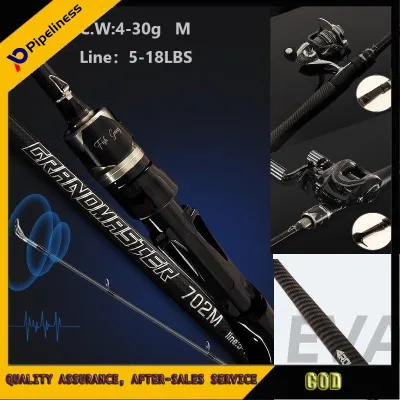
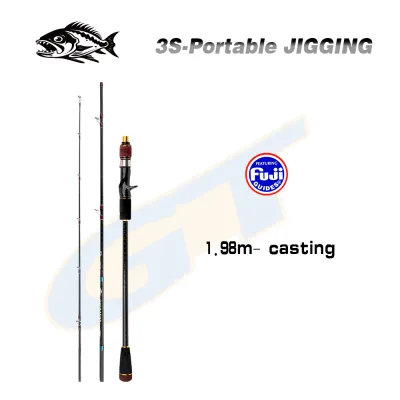
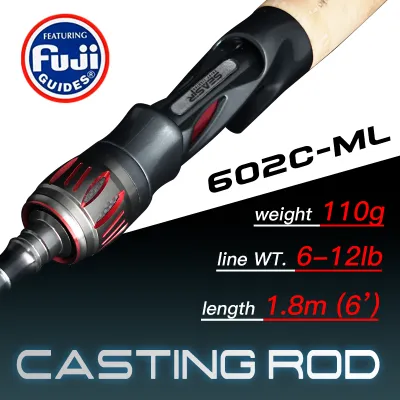
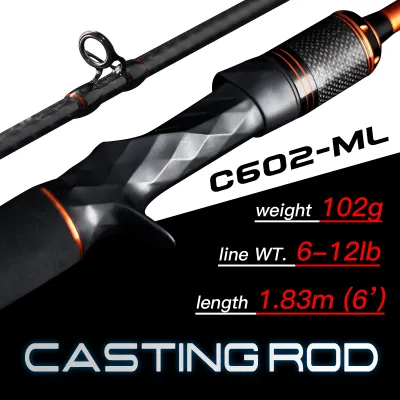
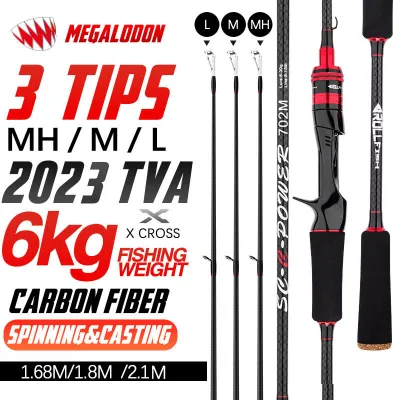
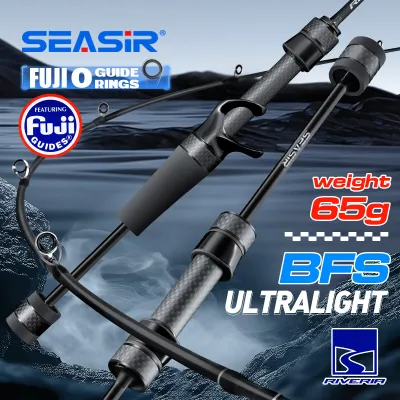
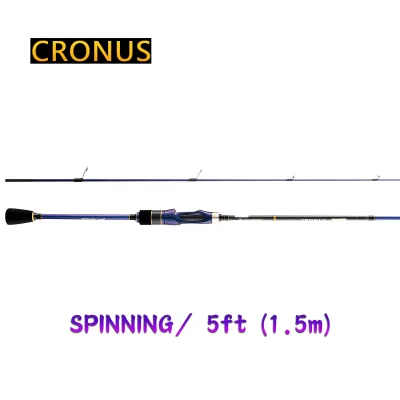
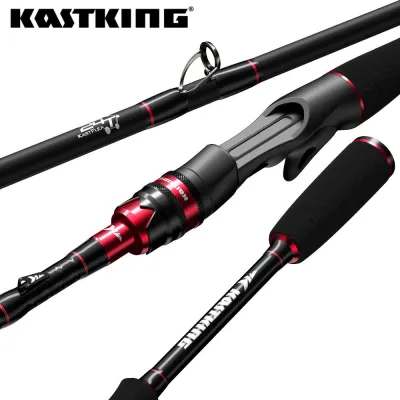
Prices are valid at publication and may change. Please refer to the product page for the latest price.
Your primary fishing environment also dictates the optimal rod length and handling characteristics. Anglers fishing from a narrow bangka, kayak, or heavily vegetated riverbank often benefit from shorter rods, typically under six feet. Shorter blanks provide superior maneuverability in tight spaces, allowing you to make accurate underhand or sidearm casts without striking overhanging branches or boat rigging. On the other hand, if you are fishing from a wide pier, sandy shoreline, or open rocky outcrop, a longer rod is highly advantageous. Longer blanks allow for greater casting distance, helping you reach deeper drop-offs where larger predatory fish tend to patrol.
Key Specifications to Evaluate on Capung Rods
To select the right Capung model, you must understand how to interpret the technical specifications printed directly on the rod blank or listed in official product catalogs. The first specification to consider is the overall rod length. Length directly influences casting distance, leverage, and your ability to control a fish during the fight. A longer rod acts as a longer lever, allowing you to generate higher tip speed during a cast, which translates to longer distance. However, this increased length also places more leverage against the angler during a prolonged fight, which can lead to fatigue if the rod is not balanced correctly with your reel.

Rod power and action are equally critical specifications that define how a blank behaves under load. Power refers to the rod’s resistance to bending and is typically classified from ultra-light to medium or heavy. This rating determines the recommended line weight and lure weight ranges for the rod. Action, on the other hand, describes where the rod bends along its length when pressure is applied. A fast-action rod bends primarily in the top third of the blank, offering excellent sensitivity and rapid hook-setting capability. A moderate-action rod bends deeper into the middle section, providing a more forgiving taper that cushions the violent head shakes of fish and helps prevent hooks from pulling out of soft mouths.
The material composition of the rod blank determines its sensitivity, weight, and overall durability. Capung rods typically utilize high-modulus carbon or graphite construction, which provides an exceptionally lightweight feel and high sensitivity. This sensitivity allows you to feel the subtle vibrations of a spinning lure or the faint tap of a fish picking up a soft plastic bait. However, high-modulus carbon blanks are more susceptible to damage from high-sticking—bending the rod at an acute angle past 90 degrees—or impact against hard surfaces. Understanding this material trade-off is essential for maintaining the longevity of your equipment.
Finally, pay close attention to the guide types, frame materials, and handle ergonomics. Because tropical environments present high humidity and salt exposure, guides must be constructed from corrosion-resistant materials. Look for guide frames made from high-grade stainless steel or specialized alloys paired with smooth ceramic inserts that minimize line friction and heat buildup during long casts. The handle design, whether featuring a split-grip EVA configuration or classic cork, should offer a comfortable, non-slip grip that fits your hand size and casting style, ensuring comfort during extended fishing sessions.
Matching Rod Profiles to Common Fishing Scenarios
To simplify your decision, you can match specific rod profiles to the most common fishing scenarios you will encounter. For light tackle and finesse fishing, which is highly popular in local rivers, estuaries, and managed ponds, an ultra-light (UL) rod profile is highly suitable. This scenario requires a rod with a fast action and a very low lure weight rating, typically designed for casting lures weighing between 1 and 6 grams. The high sensitivity of a carbon blank in this category allows you to detect the lightest bites from species like tarpon or active tilapia, while the flexible tip ensures that lightweight lures can be cast accurately over reasonable distances.
When fishing in heavy cover, such as submerged timber, mangrove roots, or dense lily pads, you must transition to a rod profile with more power. A medium-light or medium power rod with a moderate-fast action is ideal for these challenging environments. This profile provides the necessary lifting power to pull a fighting mangrove jack or snakehead away from sharp structures before your line can be severed. The moderate-fast action ensures that the rod loads smoothly when casting heavier weedless lures, such as hollow-body frogs or weighted soft plastics, while still offering enough stiffness in the lower section to drive a thick hook home.
For surf casting or long-distance shore fishing along coastal beaches and rocky headlands, you require a specialized long-distance profile. This setup demands a rod length of seven feet or more, paired with a moderate action that allows the blank to load deeply during a powerful, two-handed cast. This configuration is designed to launch heavier lures or bait rigs past the breaking surf into deeper water where larger predators feed. The extended handle design of these longer rods provides the necessary leverage for your bottom hand, allowing you to generate maximum casting force with minimal physical strain.
Before making a final selection, cross-reference these required profiles with the current Capung model specifications listed on official brand channels or authorized retailers. Because product lineups can evolve, verifying the exact line class (typically measured in PE ratings or pound-test) and lure weight limits printed on the specific model you are considering ensures that the rod will perform safely within its engineered limits. Matching these specifications to your existing reel and preferred line type is the most reliable way to guarantee a balanced and effective setup.
Pre-Purchase Inspection and Verification Checklist
When purchasing a Capung fishing rod, performing a thorough physical inspection is crucial to ensure you receive a genuine, high-quality product. Begin by carefully examining the rod blank from the butt to the tip under good lighting. Run your fingers gently along the carbon surface to check for any scratches, nicks, or uneven resin applications that could compromise the structural integrity of the blank. Look down the length of the rod from the reel seat to ensure that all line guides are perfectly aligned in a straight line; misaligned guides can cause uneven line friction and reduce casting distance.
Next, verify the functionality of the reel seat and the quality of the handle assembly. Mount your preferred spinning or baitcasting reel onto the reel seat to ensure the locking hood screws down smoothly and holds the reel foot securely without any wobbling or play. Inspect the EVA or cork grips to confirm they are firmly bonded to the blank without any gaps, slipping, or soft spots. The handle should feel balanced and comfortable in your hand, matching your natural grip style and casting motion.
Finally, confirm the warranty terms, return policy, and the authorized status of the seller before finalizing your purchase. Genuine Capung rods are distributed through authorized tackle shops and official online retail channels, with prices typically ranging from ₱1,500 to ₱3,500 depending on the specific model and series. Be cautious of deals on online marketplaces that are priced significantly below these standard retail guidelines, as counterfeit products often lack the high-quality carbon construction and warranty support of genuine rods. Verifying these details protects your investment and ensures you receive a reliable tool for your fishing adventures.
Frequently Asked Questions (FAQ)
How do I maintain the guides and blank after saltwater use?
To prevent corrosion and material degradation after fishing in saltwater or brackish environments, you must rinse your rod thoroughly with fresh water as soon as possible after your trip. Use a gentle stream of low-pressure water to wash away salt deposits, paying close attention to the guide frames, ceramic inserts, and the reel seat mechanism. Avoid using high-pressure sprays directly on the guide inserts, as this can dislodge the ceramic rings from their metal frames. After rinsing, wipe the entire rod down with a clean, dry microfiber cloth and allow it to air dry completely in a shaded, well-ventilated area before storing it in a rod sleeve or rack.
Can I use a freshwater Capung model for light saltwater fishing?
You can use a freshwater-designated Capung model for light saltwater fishing, provided you take extra precautions regarding maintenance and hardware limitations. Before heading to brackish or saltwater environments, check the manufacturer’s specifications to confirm if the guide frames and reel seat components are constructed from corrosion-resistant materials. Saltwater accelerates the oxidation of standard metal hardware, meaning that any rod used in these conditions requires immediate, thorough freshwater rinsing after every session. Be aware that using a rod outside its designated environment may increase the rate of wear and could potentially void the manufacturer’s warranty if corrosion-related damage occurs.
What line and leader setup should I pair with my chosen rod?
You should always pair your rod with a line and leader setup that adheres strictly to the recommended line weight range printed on the rod blank. Using a line that exceeds the maximum rated strength of the rod increases the risk of blank breakage under heavy loads, while using a line that is too light can result in frequent line snaps. For the leader, select a high-quality fluorocarbon or monofilament material based on your target species and environment. If you are fishing around sharp rocks or abrasive mangrove roots, a thicker fluorocarbon leader provides essential abrasion resistance, while the rod’s moderate action helps absorb the sudden shocks of hard-striking fish to prevent line breakage.

Community discussion
Share your experience or ask a question. Comments are reviewed before publication.