
Choosing your first camping tent is the most critical decision you will make before heading out into the diverse landscapes of the Philippines. Whether you are planning a weekend getaway on the sandy shores of Anawangin Cove, a cool mountain retreat in Sagada, or a damp forest trek up Mt. Daraitan, your tent is your primary shield against the elements. Decathlon’s extensive lineup offers highly accessible options for beginners, but navigating the choices requires a clear understanding of your specific needs. Instead of relying on guesswork or marketing buzzwords, you can make a confident purchase by evaluating how a tent’s design, materials, and specifications align with the local climate and your travel style.
To find the ideal shelter, you must balance three core factors: the specific weather challenges of tropical environments, the physical demands of your trip, and your budget. This guide provides a practical framework to help you assess Decathlon’s tent categories, understand critical technical specifications, and conduct a thorough pre-purchase inspection. By focusing on verifiable features rather than universal performance claims, you will ensure your first camping investment keeps you dry, comfortable, and safe on the trail.
Define Your Trip Style and Local Weather Challenges
Before browsing any product catalog, you must define how you plan to use your tent and the environmental conditions it must endure. A common mistake among beginner campers is purchasing a tent based solely on the number of people it is rated to hold. Manufacturer capacity ratings typically assume that occupants will lie side-by-side with minimal personal gear. If you are sharing a two-person tent with a companion and both of you have large backpacks, duffel bags, and muddy hiking shoes, the interior will quickly feel cramped and disorganized.
Products mentioned in this guide
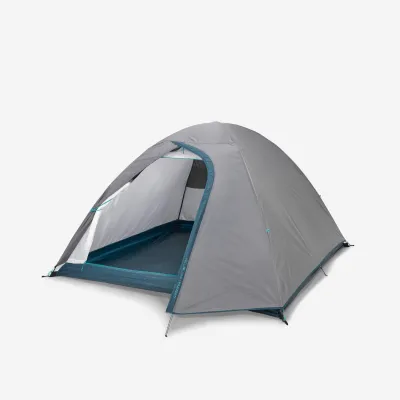
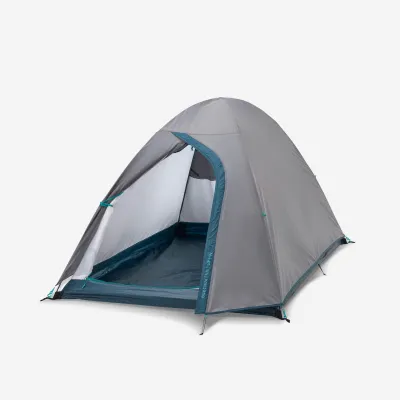
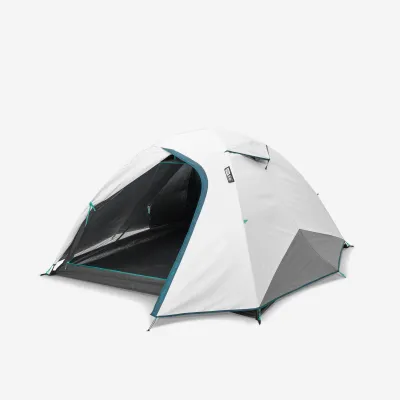
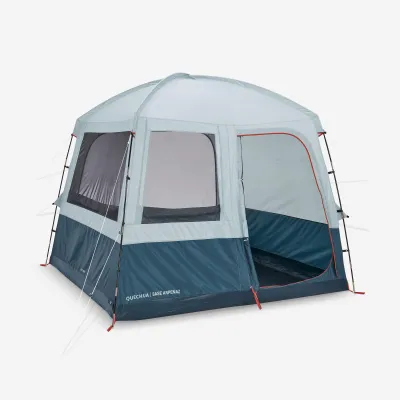
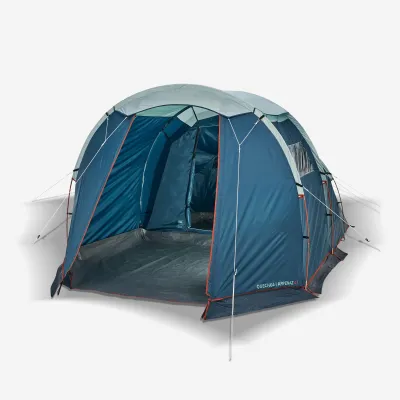
Prices are valid at publication and may change. Please refer to the product page for the latest price.
To avoid this discomfort, apply the “plus-one” rule for campsite-focused trips where weight is not a primary concern. If you plan to camp as a couple, choosing a three-person tent provides the necessary breathing room to store your gear inside and move around comfortably. However, if you are backpacking and must carry all your equipment on your back, you must balance this desire for interior space against the physical toll of carrying extra weight. In backpacking scenarios, sticking to the exact capacity rating and utilizing external vestibules for gear storage is often the more practical choice.
Your choice of tent is also heavily dictated by your transportation method. Car camping allows you to prioritize comfort, headroom, and ease of movement, meaning you can opt for heavier, bulkier dome or cabin-style tents. These shelters often feature higher ceilings that allow you to stand up or sit comfortably in camping chairs. On the other hand, backpacking requires a strict focus on packed size and weight. If you plan to hike up steep trails, every hundred grams matters, making compact, lightweight shelters with streamlined profiles the only viable option.
The tropical climate of the Philippines introduces distinct environmental challenges that your tent must overcome. High humidity is a constant factor, meaning that poor ventilation will quickly lead to heavy condensation forming on the interior walls, leaving you and your sleeping gear damp by morning. Furthermore, sudden tropical downpours—common during the southwest monsoon (habagat) season and localized afternoon thunderstorms—require robust waterproofing. You must look for tents designed with high hydrostatic head ratings and extensive mesh panels that promote continuous airflow while keeping tropical insects at bay.
Essential Tent Features for Tropical Camping
Evaluating a tent’s technical specifications is the most reliable way to ensure it can handle the demands of tropical camping. Waterproofing is measured using a hydrostatic head rating, which indicates the height of a water column (in millimeters) that the fabric can support before water penetrates. For the unpredictable and often intense rainfall experienced in the Philippines, look for a rainfly with a rating of at least 2,000 mm. The tent floor requires an even higher rating, as the pressure of your body weight pressing down on damp ground can force moisture through low-quality fabrics.

In addition to fabric ratings, pay close attention to the structural design of the tent’s waterproofing. A full-coverage rainfly that extends all the way to the ground is essential for shedding heavy rain and protecting the inner tent body from wind-driven moisture. Avoid partial rainflies that only cover the very top of the tent, as these leave the lower walls vulnerable to leaks. Furthermore, ensure the tent features a “bathtub” floor design, where the waterproof floor material wraps several inches up the sides of the tent before meeting the wall seams, preventing standing water from seeping inside.
Ventilation is your primary defense against the stifling heat and humidity of local campsites. Double-layer tents, which consist of a separate inner mesh body and an outer waterproof rainfly, are far superior to single-layer designs for tropical use. This construction allows warm, moist air from your breath to pass through the inner mesh and condense on the underside of the rainfly, where it drains safely to the ground. Look for models equipped with adjustable roof vents, low-level vents, and dual-zipper doors that allow you to roll back the outer fabric to catch evening breezes while keeping the insect mesh securely closed.
The ease of setting up your tent can make or break your first camping experience, especially if you arrive at your campsite close to nightfall or during a sudden shower. Decathlon tents utilize several setup mechanisms, each with distinct trade-offs. Pop-up designs offer near-instant setup, making them highly appealing to beginners, but they fold into large, flat discs that are awkward to transport and can be difficult to pack away without practice. Traditional pole-sleeve systems offer excellent stability in windy conditions but require more time and patience to thread the poles through the fabric. Clip systems, where the inner tent clips directly onto an external pole frame, offer a balanced compromise by providing quick setup times, high wind resistance, and compact packed dimensions.
Finally, consider the durability and UV resistance of the materials. The intense tropical sun can rapidly degrade synthetic fabrics over time, making UV-resistant coatings highly valuable for extending the lifespan of your shelter. Additionally, the floor material must be tough enough to withstand rough, rocky, or sandy terrains common in local campsites. Heavy-duty polyethylene or high-denier polyester floors offer the best puncture resistance against sharp twigs, dry grass, and stones, reducing the risk of tears that could compromise the tent’s waterproof integrity.
Navigate Decathlon Tent Categories by Budget and Use
Decathlon organizes its tent lineup into distinct categories to help users match their budget to their intended usage frequency and camping style. Entry-level categories, often found under the campsite-focused ranges, are designed primarily for occasional weekend campers who prioritize comfort and affordability. These tents utilize reliable, basic waterproofing and sturdy fiberglass poles, making them excellent for backyard camping, established campgrounds, or gentle beach trips. While they are highly cost-effective, they tend to be heavier and bulkier when packed, making them unsuitable for long hikes.
Mid-range and technical categories, typically found under the hiking and trekking ranges, are engineered for regular use in more demanding environments. These tents utilize lightweight aluminum poles, advanced ripstop fabrics, and highly optimized ventilation systems to reduce weight and packed size. While they carry a higher price tag, they offer the durability and portability required for multi-day treks and high-altitude campsites where weather conditions can change rapidly. Investing in a technical tent is highly beneficial if you plan to transition from casual car camping to active trail hiking.
When planning your initial purchase, it is crucial to allocate your budget across the entire shelter system rather than spending all your funds on the tent alone. Set aside a portion of your ₱ budget for essential accessories that protect your gear and enhance your comfort. A dedicated footprint or groundsheet is highly recommended; placing this waterproof barrier under your tent protects the floor from sharp objects and damp soil, significantly extending its lifespan. Additionally, include a basic repair kit with seam sealer and tenacious tape for unexpected tears, and consider purchasing sturdier pegs if you plan to camp on loose sand or hard-packed clay.
To help you visualize how these categories align with your needs, the following matrix maps general Decathlon tent lines to specific user profiles and trip frequencies:
| Tent Range | Primary Focus | Best Suited For | Key Advantage | Key Limitation |
|---|---|---|---|---|
| Campsite / Arpenaz | Comfort & Value | Car camping, established campsites, beach trips | Spacious interiors, highly budget-friendly | Heavy, bulky packed size, fiberglass poles |
| Hiking / Forclaz Trek | Portability & Durability | Backpacking, mountain trails, multi-day treks | Lightweight, compact, aluminum poles | Higher price point, more compact interior space |
By identifying where you sit on this spectrum, you can avoid overpaying for technical features you do not need, or conversely, buying an entry-level tent that is too heavy and bulky for your hiking aspirations.
Pre-Purchase Checklist and In-Store Inspection
Before finalizing your purchase, conducting a thorough inspection of your chosen tent model can prevent unpleasant surprises on the field. If you are visiting a physical Decathlon store in the Philippines, take the opportunity to examine the display models closely. Run your fingers along the interior seams of the rainfly and floor to verify that the waterproof seam tape is smoothly applied without bubbles, peeling, or gaps. Test all the zippers multiple times to ensure they glide smoothly around corners and do not easily catch on the protective fabric flaps.
Next, verify the physical packed dimensions and total weight of the tent against your specific carrying capacity. If you plan to backpack, physically test whether the packed tent fits comfortably inside your pack or can be securely lashed to the exterior attachment points without throwing off your balance. For car campers, measure your vehicle’s trunk space to ensure the tent bag fits alongside your coolers, sleeping pads, and cooking equipment. Never rely solely on product photos, as tents often appear much smaller in promotional images than they do in reality.
It is also highly recommended to confirm the warranty terms, return policies, and the availability of replacement parts at the store’s service counter. One of the major advantages of purchasing from an established brand is the ability to source replacement pole sections, elastic cords, or rainflies locally if your gear suffers damage. Knowing that you can easily repair your tent rather than having to replace the entire unit adds significant long-term value to your purchase.
Finally, commit to a mandatory practice pitch in a safe, dry environment at home before departing for your actual trip. Set up the tent in your living room, garage, or backyard to familiarize yourself with the pole configuration, pegging points, and guyline tensioning. This practice run ensures that you understand the setup sequence, can pitch the shelter quickly in adverse weather, and can verify that all necessary components—including stakes, poles, and the rainfly—are present and undamaged in the bag.
Frequently Asked Questions (FAQ)
Can I use a basic Decathlon hiking tent for beach camping in the Philippines?
Yes, but you must make several critical adjustments to handle the unique challenges of coastal environments. Lightweight hiking tents are designed to shed wind, but their thin fabrics can degrade rapidly under the intense, direct UV exposure found on tropical beaches. To protect your tent, try to pitch it under natural shade or set up a protective tarp overhead. Additionally, standard tent pegs will easily slip out of loose sand; you must purchase specialized wide sand pegs or anchor your guylines to heavy rocks, driftwood, or sandbags to ensure your shelter remains secure in strong coastal breezes.
How do I prevent mold on my tent after a wet camping trip?
Preventing mold and mildew is essential for preserving the waterproof coatings and fabric strength of your tent in the humid Philippine climate. Never store a damp tent in its stuff sack for more than a few hours. If you must pack up your tent while it is raining, loosely stuff it into your pack, and as soon as you return home, pitch it or hang it up in a well-ventilated, shaded area until it is 100% dry. Once dry, store the tent loosely in a breathable mesh bag or a pillowcase in a cool, dry closet rather than tightly compressed in its original bag, which can cause the waterproof polyurethane coatings to degrade and stick together over time.

Community discussion
Share your experience or ask a question. Comments are reviewed before publication.