
Choosing the right diving fins is less about finding a universally “best” model and more about matching the gear to your specific diving environment, physical strength, and kicking technique. While your skill level influences your comfort and control, factors like water temperature, entry type, and local current conditions are the true drivers of your decision. No piece of equipment can replace proper training, physical conditioning, and sound underwater judgment; instead, your fins should act as a reliable extension of your body.
Before purchasing any gear, you must evaluate where and how you plan to dive. A fin that performs exceptionally well during a calm, warm-water boat dive may prove frustrating or even unsafe during a challenging shore entry in rough weather. By analyzing your typical diving scenarios, you can narrow down the options to a style that supports your safety and enjoyment underwater.
Assess Your Diving Conditions and Entry Types
Your diving environment dictates your exposure protection needs, which directly influences your choice of footwear and fins. In tropical destinations like the Philippines, water temperatures are generally warm, but the underwater terrain and entry points vary dramatically. If you are diving exclusively from boats over deep water, your feet face minimal risk of abrasion, allowing for simpler gear configurations. However, if your dives require walking through shallow tidal flats, over sharp volcanic rock, or across coral rubble, protecting your feet becomes a primary safety concern.
Products mentioned in this guide
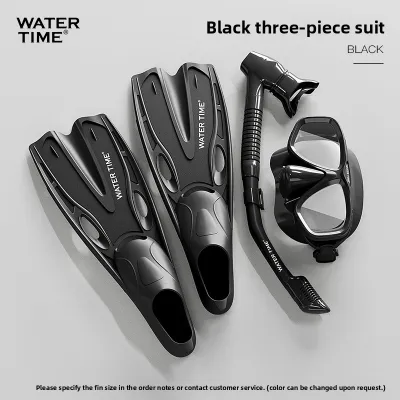
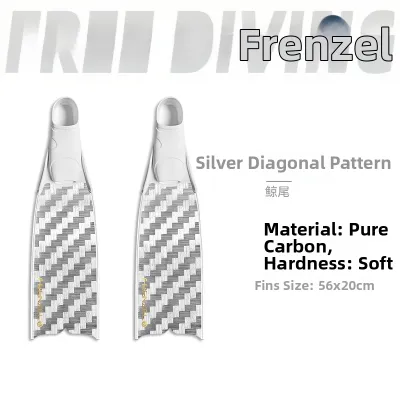
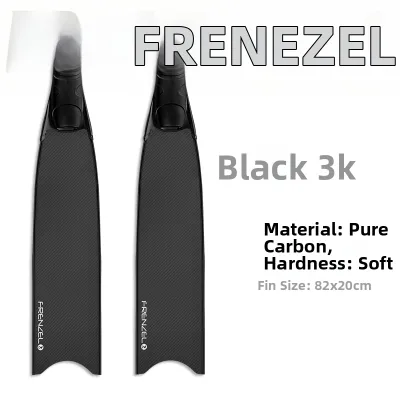
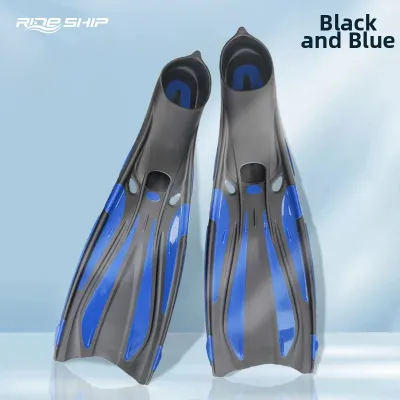
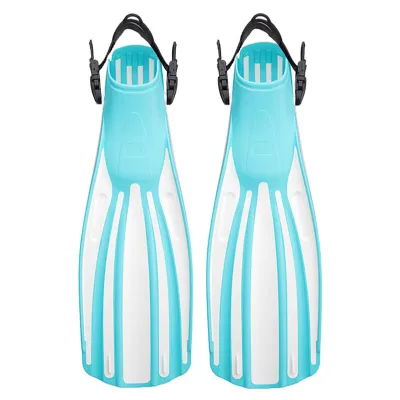
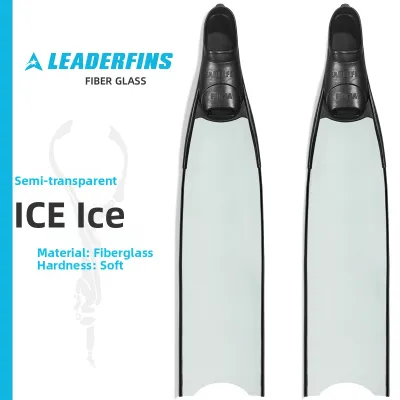

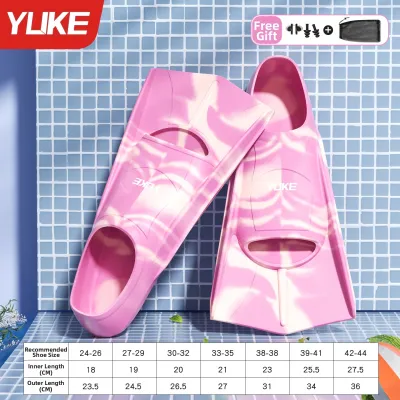
Prices are valid at publication and may change. Please refer to the product page for the latest price.
Shore entries demand robust footwear with thick soles to prevent slips, cuts, and punctures. Attempting to navigate these environments barefoot or in thin socks can lead to painful injuries before you even submerge. Consequently, the necessity of protective boots means you must opt for a fin style that accommodates bulky footwear rather than bare feet.
Water movement is another critical factor to analyze before selecting your gear. Relaxed reef drifting requires far less propulsive power than navigating strong tidal currents or performing search-and-recovery patterns. If you regularly encounter unpredictable currents, you need a fin design that offers immediate, authoritative power transfer to help you maintain position or swim safely against the flow when necessary.
Full-Foot vs. Open-Heel: Matching the Foot Pocket to Your Environment
Full-foot fins feature a soft, flexible pocket that completely encloses your heel. They are designed to be worn barefoot or with thin, soft neoprene socks. This design is highly popular for warm-water boat diving, snorkeling, and pool training because it is lightweight, easy to pack, and simple to slip on. Because there are no straps or buckles, there are fewer failure points to worry about while preparing for a dive.

Open-heel fins feature a larger, rigid foot pocket with an open back, secured by an adjustable strap. These are designed exclusively to be worn with thick, hard-soled dive boots. The primary advantage of this system is versatility; you can walk safely to the water’s edge in your boots, step into your fins just before swimming, and reverse the process when exiting. This setup is essential for cold-water diving where thermal protection is mandatory, as well as any shore-based diving over rough terrain.
When choosing open-heel fins, the strap system deserves close attention. Traditional adjustable rubber straps use plastic buckles that can be difficult to adjust with gloved hands and are prone to cracking over time. Modern bungee or stainless steel spring straps automatically adjust to the compression of your boot at depth, making them much easier to pull on and off, especially on a rocking boat or in choppy surface conditions. Checking the integrity of these straps before every entry is a fundamental safety practice.
Blade Design and Stiffness: Aligning with Your Kick Technique
Traditional paddle blades are solid, continuous pieces of plastic, rubber, or composite material. They provide direct, predictable feedback and excellent thrust when using a variety of kicking styles, including the standard flutter kick, the frog kick, and helicopter turns. Because they offer high resistance, they require decent leg strength and proper technique to avoid early fatigue, but they remain the standard for divers who need precise control and power in currents.
Split fins feature a blade that is split down the center, mimicking the dual-fin propulsion of marine mammals. As you kick, the two halves slice through the water, creating a pressure differential that propels you forward with significantly less effort. This design is highly effective at reducing leg strain and joint fatigue during a standard, rapid flutter kick. However, split fins are generally less effective for specialized maneuvers like the frog kick or backing up, and they can feel less authoritative when you need to push through a sudden, strong current.
Blade stiffness should align directly with your physical conditioning and diving frequency. Stiff blades act as powerful levers, translating small leg movements into massive forward thrust, but they can quickly cause painful calf cramps and rapid air consumption if your muscles are not accustomed to the load. Softer, more flexible blades are much gentler on the knees and ankles, making them ideal for casual divers, though they may lack the top-end power required for demanding technical environments. Testing different stiffness levels in a controlled environment, such as a local pool, is the best way to gauge your personal limits.
How to Test the Fit and Finalize Your Fin Choice
To verify the fit of a full-foot fin, slide your bare foot into the pocket and sit down. Lift your foot and shake it gently; the fin should remain secure without pinching your toes or digging into your Achilles tendon. If your heel slips out easily, or if you feel a distinct pressure point at the front of the pocket, try a different size or brand, as pocket shapes vary widely between manufacturers.
For open-heel fins, perform the fit test while wearing the exact dive boots you plan to use on your dives. Insert your foot into the pocket; approximately several centimeters of the boot sole should extend past the rear edge of the pocket floor. The pocket should feel snug around the sides of your foot without squeezing your toes uncomfortably. Ensure the strap rests securely on the hard heel counter of your boot rather than riding up onto your ankle or slipping down under your heel.
Finally, consider your travel habits and packing constraints. Heavy, rigid open-heel fins constructed from dense rubber provide incredible power but can easily consume a large portion of your airline baggage allowance. If you travel frequently to tropical destinations and primarily dive from boats, a pair of lightweight full-foot fins or compact travel-oriented open-heel fins may be more practical. Visiting a local dive shop in the Philippines allows you to try on various options with your boots, receive personalized fitting advice, and ensure your gear matches your physical capabilities before you head out into open water.
Frequently Asked Questions (FAQ)
Can I use open-heel fins without dive boots?
Using open-heel fins barefoot or with thin socks is highly discouraged. The rigid plastic and rubber of the open foot pocket, combined with the pressure of the heel strap, will quickly cause painful blisters and chafing on your skin. Furthermore, without the structured sole of a dive boot, your foot will slide around inside the pocket, resulting in poor power transfer, reduced control, and an increased risk of losing a fin during a dive.
Are split fins better for beginners?
Split fins can be highly beneficial for beginners who struggle with leg fatigue, joint pain, or calf cramps during their initial dives. They allow new divers to maintain a comfortable flutter kick with minimal physical strain. However, if you plan to progress to advanced training where the frog kick is the primary propulsion method, or if you intend to dive in areas known for strong currents, starting with a traditional paddle fin may help you develop better overall kicking technique and leg strength from the beginning.
How do I know if my fins are too stiff?
If your fins are too stiff for your current physical conditioning, your body will let you know through clear physical symptoms. Frequent calf cramps, strain in the front of your ankles, or knee discomfort during or after a dive are strong indicators that the blade resistance is too high. Additionally, if you find yourself quickly becoming exhausted or breathing heavily just to maintain a moderate pace, you should consider transitioning to a softer, more flexible blade or focusing on targeted leg-strengthening exercises.

Community discussion
Share your experience or ask a question. Comments are reviewed before publication.