
Selecting the right golf head cover for each club in your bag is essential for preserving your equipment’s performance, structural integrity, and aesthetic value. Because golf clubs vary significantly in head volume, shaft material, and outer finish, a single style of cover cannot provide uniform protection. Drivers require large, heavily padded covers to shield their expansive crowns, while putters need highly specialized shapes to protect delicate milled faces. By matching the correct cover size, material, and closure system to each club category, you can prevent costly dings, scratches, and shaft wear during transport and play.
Understanding Club Head Dimensions and Protection Needs
To build an effective protection system, you must first evaluate the physical differences among the clubs in your bag. Modern golf clubs are constructed from a variety of materials, including thin-walled titanium, carbon composites, soft forged carbon steel, and multi-material polymers. Each of these materials reacts differently to impact. For instance, the oversized crown of a modern driver is highly susceptible to cosmetic scratching and structural denting when it clatters against the hard steel heads of your irons.
When clubs sit unprotected in a golf bag, they shift constantly. This movement is especially pronounced when riding in a golf cart over uneven fairways or during transit in the back of a vehicle. The primary areas vulnerable to damage are the painted crowns of woods and hybrids, the delicate face inserts of putters, and the graphite shafts of your longer clubs. Graphite shafts are particularly prone to “bag wear,” a process where the rigid collar of the bag or the heavy heads of adjacent irons rub against the shaft, gradually wearing away the protective outer laminate and compromising the shaft’s strength.
Products mentioned in this guide

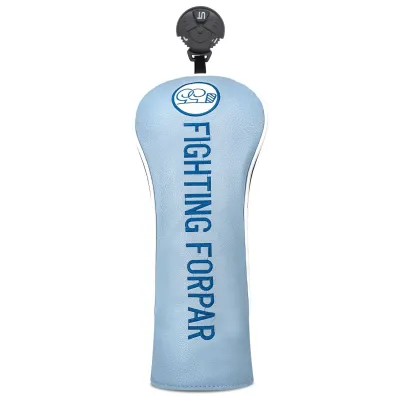
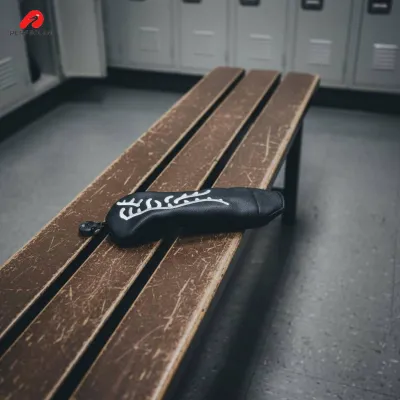
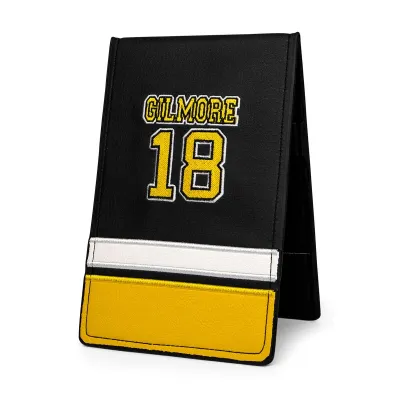
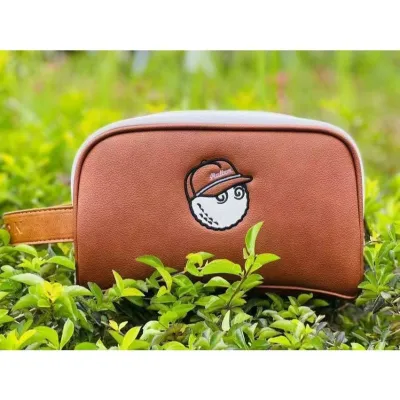

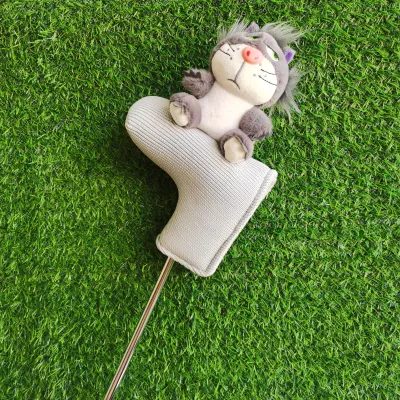
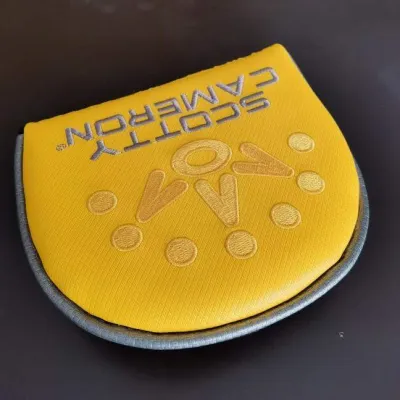
Prices are valid at publication and may change. Please refer to the product page for the latest price.
Before purchasing aftermarket covers, verify your club dimensions rather than relying solely on generic size labels. While standard drivers typically feature a head volume of 460cc, older models or fairway-finder designs may be smaller. Measure the maximum length, width, and depth of your club heads with a flexible tape measure. Compare these measurements against the manufacturer’s sizing charts to ensure a snug fit that will neither slip off prematurely nor strain the seams of the cover.
Sizing and Material Choices for Drivers and Fairway Woods
Drivers and fairway woods represent the largest club heads in your bag and often require the most substantial investment to replace. A standard driver cover must comfortably accommodate a 460cc head shape without requiring excessive force to slip on or off. Fairway wood covers are scaled-down versions designed for heads ranging from 130cc to 200cc. Using a driver-sized cover on a 3-wood or 5-wood is highly discouraged, as the loose fit allows the cover to slide off during a round, leaving the club completely exposed.

When evaluating materials for these large covers, consider your local playing conditions. In tropical climates characterized by high humidity and sudden downpours, material performance varies significantly:
- Synthetic Leather (Polyurethane/PU): This material offers excellent water resistance and is highly durable. It is easy to wipe clean after a muddy round and resists staining, making it a practical choice for year-round play.
- Genuine Leather: While offering a classic, premium look, genuine leather requires regular conditioning to prevent cracking and mold growth in humid environments. If it gets wet during a tropical rain shower, it must be dried slowly away from direct heat.
- Neoprene: Highly stretchable and form-fitting, neoprene provides excellent impact absorption. However, you must verify that the interior lining does not retain moisture, which can cause rust on metal shafts over time.
- Knit and Pom-Pom Styles: These vintage-style covers stretch easily and offer a unique aesthetic, but they provide minimal water resistance and can snag on branches, bag zippers, or velcro glove patches.
In addition to material, check the closure mechanism of the cover. Elasticated waistbands sewn into the collar of the cover provide a secure, self-adjusting grip on the club neck. Zippered closures allow for easy access but require you to verify that the zipper teeth are shielded by an inner fabric flap to prevent them from scratching the club’s painted finish. Magnetic closures offer a modern, quiet alternative that eliminates the wear-and-tear issues associated with traditional velcro.
Evaluating the Need for Hybrid and Iron Covers
Hybrids occupy a unique space in your bag, bridging the gap between fairway woods and long irons. Because they feature painted crowns and are frequently equipped with graphite shafts, they require dedicated protection similar to woods. Hybrid covers are typically narrow and elongated, designed to shield the club head while extending down the shaft to prevent bag wear. Many hybrid covers include rotatable dial indicators or interchangeable tags so you can easily identify the specific loft or club number at a glance.
Iron covers, on the other hand, are a subject of ongoing debate among golfers. Unlike woods, irons do not have painted crowns, but they are still susceptible to damage. If you play with soft, forged carbon steel irons, they will easily develop “chatter dings” and nicks as they strike one another during transport. Cast cavity-back irons are harder and more resilient, but they can still suffer cosmetic scratching.
If you decide to protect your irons, you can choose between individual slip-on covers and roll-up travel wraps. Individual neoprene covers protect each club head independently but can slow down the pace of play if you find them tedious to remove and replace before and after every shot. If you prefer a faster flow, consider using a golf bag with integrated molded dividers or a silencer top, which keeps the clubs physically separated without the need for individual covers. Whichever route you choose, verify that the covers fit snugly over the iron heads and do not interfere with the overall organization of your bag.
Matching Putter Covers to Blade and Mallet Shapes
Your putter is arguably the most precise instrument in your bag, making its protection paramount. The face of a putter often features delicate milled grooves or soft polymer inserts designed to deliver a consistent roll. Even a minor scratch or ding on the face can alter the ball’s launch angle and direction. Because putters come in vastly different geometries, you must match the cover style directly to the head shape.
Blade putters require narrow, L-shaped covers that wrap tightly around the heel and toe. Mallet putters, which feature larger, high-moment-of-inertia (MOI) footprints, require wide, square, or semi-circular covers. When selecting a mallet cover, check the alignment of your putter’s shaft. Center-shafted mallets require a cover with a specific slot or opening in the middle, whereas heel-shafted mallets use a standard closed-back design.
Furthermore, ensure the cover provides adequate clearance for any extended alignment wings, custom heavy weights, or oversized grips. The interior lining of a putter cover should consist of thick, soft fleece or microfiber to cushion the head against impacts. Inspect the internal seams to ensure there are no exposed, abrasive threads or stiff plastic piping that could rub against the putter’s finish. Magnetic closures are highly recommended for putters, as they are quiet on the green and do not lose their grip over time like velcro, which easily collects grass, dirt, and lint.
Finalizing Your Setup and Inspecting Existing Covers
To finalize your head cover configuration, start by creating a prioritized shortlist based on your current bag inventory. Allocate your budget first to protecting your driver, fairway woods, and putter, as these clubs are the most expensive to replace and the most vulnerable to impact damage. If you carry forged irons or travel frequently, individual iron covers should be your next priority.
Once you have established your setup, perform regular maintenance inspections on your covers. Turn the covers inside out to check for trapped sand, dirt, or dry grass. These small particles act like sandpaper when trapped inside a tight cover, scratching your club heads every time you slide the cover on or off. Shake out any debris and wipe the interiors clean.
Inspect the structural integrity of the covers at least once a season. Look for failing stitching, stretched-out elastic, or weakened magnets that could cause a cover to fall off unnoticed during a round. In warm, humid environments, check the inner linings for any signs of mildew or musty odors. If a cover is torn, loses its structural padding, or no longer stays securely on the club, replace or repair it promptly to ensure your clubs remain fully protected on the course.
Frequently Asked Questions (FAQ)
Do I really need head covers for all my irons?
Using iron covers is not strictly mandatory, but it depends on your club material and how you transport your gear. If you play with soft, forged irons, individual covers are highly beneficial for preventing cosmetic nicks and preserving resale value. However, if you use durable cast irons, you can often skip individual covers, especially if you find they slow down your pace of play. As an alternative, you can use a golf bag with individual full-length dividers or specialized shaft organizer tubes to keep your irons from clattering together during your round.
How do I clean and maintain my golf head covers?
Always check the manufacturer’s care label for specific washing instructions before cleaning. For synthetic leather (PU) and neoprene covers, hand washing with mild soap and warm water is generally the safest approach. Avoid using harsh detergents or bleach, which can degrade the materials. After washing, allow the covers to air dry completely in a shaded, well-ventilated area; avoid placing them in a hot dryer or leaving them in direct, intense sunlight, as extreme heat can warp synthetic materials and fade colors. For genuine leather covers, wipe them down with a damp cloth and apply a specialized leather conditioner periodically to keep the material supple and water-resistant.

Community discussion
Share your experience or ask a question. Comments are reviewed before publication.