
Selecting the ideal Hoka belt bag depends on matching your specific running distance, pace, and gear requirements with the bag’s structural design. In the tropical heat of the Philippines, where carrying hydration and sweat-resistant storage is crucial, choosing a model that sits securely without trapping heat can make or break your training session. By evaluating your daily essentials and understanding how different strap systems and compartment layouts handle movement, you can find a waist pack that remains completely imperceptible from your first kilometer to your last.
Define Your Running Essentials and Storage Requirements
Before browsing available models, take a physical inventory of what you actually carry on a typical run. For a quick morning jog around your neighborhood or a track session, you might only need to secure a house key, an ID, and a smartphone. Conversely, preparing for a long weekend run along the hilly trails of Nuvali or a marathon training block requires carrying multiple energy gels, salt tablets, a small soft flask of water, and perhaps emergency cash.
Categorizing these items by size, weight, and fragility helps determine the pocket layout you need. Heavy items like large smartphones require a centralized, snug compartment to prevent them from acting as a pendulum against your body. Fragile items, such as wired earphones or soft nutrition packets, should be kept away from sharp keys to avoid punctures or scratches.
Products mentioned in this guide
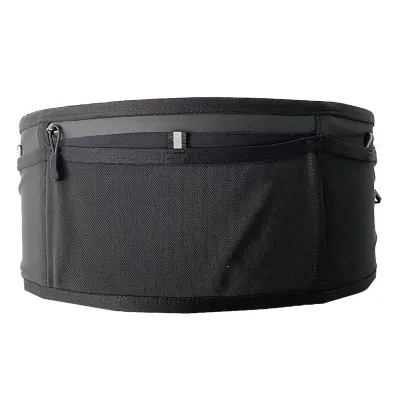
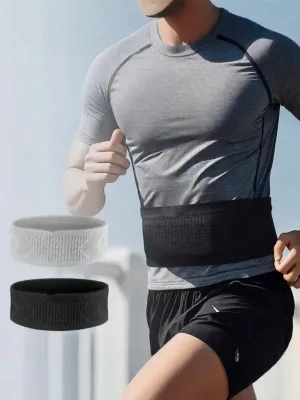
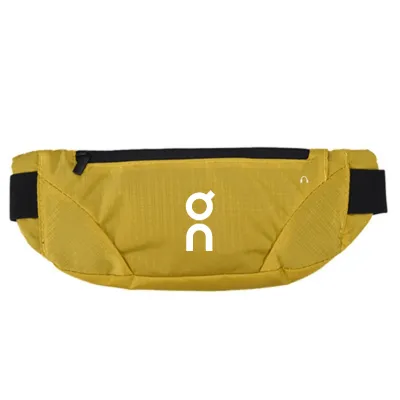
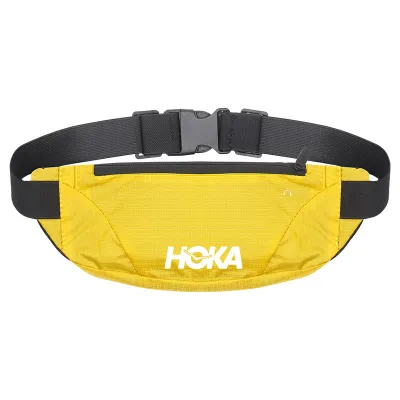
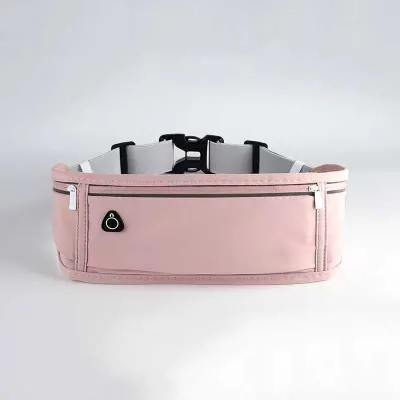
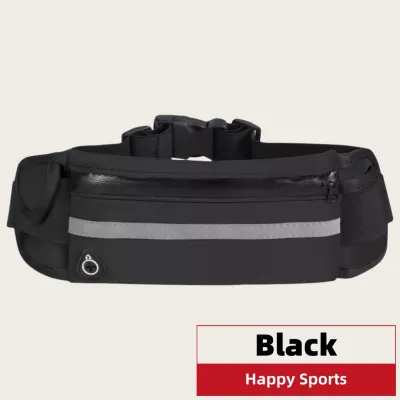
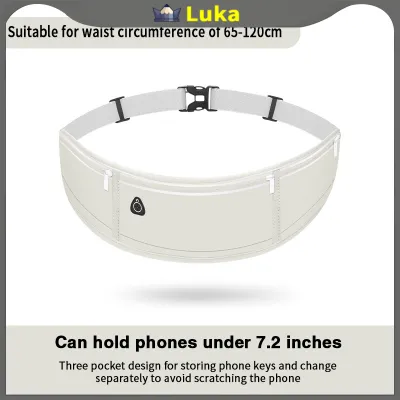
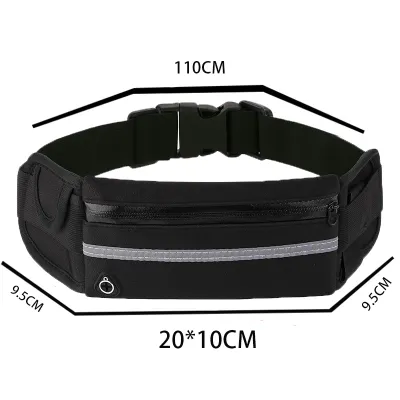
Prices are valid at publication and may change. Please refer to the product page for the latest price.
Always check your personal device dimensions, including the thickness of your protective phone case, against the manufacturer’s pocket specifications before making a purchase. A pocket designed for a standard phone may struggle to accommodate a rugged, heavy-duty case, leading to strained zippers or an uncomfortable, bulging fit against your lower back.
Align Bag Features With Run Distance and Intensity
The physical demands of your run dictate the ideal material and structure of your belt bag. For short, high-intensity workouts like interval training or hill repeats, your body undergoes rapid, explosive movements. In these scenarios, prioritize minimalist, highly elastic sleeve-style belts. These designs sit flush against your skin or waistband, distributing tension evenly around your torso to eliminate vertical bounce entirely.

For long-distance road runs or technical trail sessions, your needs shift toward capacity and accessibility. Look for structured belt bags featuring multiple dedicated compartments, which allow you to organize your gear so you can retrieve an energy gel mid-stride without risking dropping your phone. Durable ripstop fabrics and reinforced stitching are essential here to withstand the friction of hours of continuous movement and the occasional scrape from trailside brush.
In hot and humid climates, weather and sweat management are critical factors. Running in tropical conditions means you will sweat heavily, and sudden afternoon downpours are always a possibility. Check product labels for moisture-wicking, highly breathable mesh back panels that allow heat to escape. If you frequently carry moisture-sensitive items like key fobs or paper bills, look for models featuring water-resistant linings or dedicated dry pockets to shield your valuables from both external rain and body perspiration.
Evaluating Hoka Belt Bag Options for Your Profile
When comparing Hoka’s accessory lineup on their official store or through authorized local retailers, you will find designs tailored to different running profiles. To make an informed choice, evaluate each variant using a structured framework based on volume, pocket configuration, and strap adjustability. Look closely at the stated storage capacity, usually measured in liters, to ensure it aligns with your inventory of essentials without forcing you to overstuff the fabric.
Pay close attention to the closure mechanisms utilized across different models. Zippered compartments offer the highest level of security for valuable items like keys and cards, ensuring nothing slips out when you bend over to stretch. On the other hand, magnetic buckles or quick-pull elastic cords provide faster access to nutrition or hydration while you are moving at pace, though they require careful packing to maintain stability.
Ergonomic shaping and weight distribution are equally vital for long-term comfort. High-quality running belts are often contoured to match the natural curve of the human hip or waist, preventing the bag from riding up toward your ribs. Look for wide, adjustable straps that distribute pressure across a larger surface area rather than cutting into your waist. If you plan to carry a soft flask, verify if the model features dedicated external loops or a centered sleeve designed to keep the liquid weight balanced evenly across your center of gravity.
Achieving a Secure and Bounce-Free Fit
Even the most advanced running belt bag will bounce or chafe if it is not fitted and adjusted correctly. To achieve a stable ride, position the bag relative to your hips and center of gravity. For most runners, wearing the belt slightly lower on the hips—just above the widest part of the pelvic bone—provides the most secure anchor point. This positioning prevents heavier items, such as your phone, from shifting vertically with every stride.
Adjust the strap tension carefully to find the perfect balance between security and comfort. The belt should be snug enough to remain stationary during vigorous movement, yet loose enough to allow you to breathe deeply from your diaphragm without feeling restricted. If the belt features dual-adjustment straps, pull them evenly from both sides to ensure the main storage compartment remains perfectly centered on your lower back or abdomen.
Before heading out for a full training session, perform a quick test run. Pack the bag with the exact items you plan to carry, put on your running shoes, and complete your warm-up walk or a light jog. Pay attention to any shifting, rubbing, or pressure points. If you feel the bag bouncing, try tightening the strap slightly or repositioning heavier items closer to your body’s center line to eliminate the momentum.
Cleaning and Maintaining Your Running Belt Bag
Proper maintenance is essential to preserve the technical fabrics, elasticity, and zipper functionality of your running gear over time. After every run, make it a habit to empty all compartments completely. Shake out any loose debris, dirt, or dried salt crystals left behind by evaporated sweat, as these abrasive particles can prematurely wear down inner linings and clog zipper teeth.
Always refer to the manufacturer’s care label for specific washing instructions. While some minimalist belts can handle a gentle machine cycle inside a mesh laundry bag, hand-washing in cool water with a mild, sports-specific detergent is generally the safest way to clean technical fabrics. Avoid using fabric softeners or bleach, as these chemicals can destroy water-resistant coatings and degrade the elastic fibers that keep the belt snug.
Once washed, air-dry the bag completely in a well-ventilated, shaded area before storing it away. Avoid direct sunlight or high-heat tumble dryers, which can warp plastic buckles, melt adhesive seams, and ruin elastic tension. Ensuring the bag is thoroughly dry prevents the growth of mold and unpleasant odors, keeping your gear fresh for your next run.
Frequently Asked Questions (FAQ)
Can I use a Hoka belt bag for activities other than running?
Yes, the minimalist and ergonomic designs of these belt bags make them highly versatile for various outdoor and daily activities. They are excellent for short hikes, gym sessions, cycling, or even traveling, where you want to keep your hands free and your valuables secure. Before using the bag for other sports, check the product description to ensure the materials can withstand the specific demands, such as the friction of a backpack harness or exposure to heavy trail dust.
How do I prevent my phone from bouncing in the belt bag?
To minimize phone bounce, place the device in the center of the bag, ideally in a dedicated, snug pocket that limits internal movement. Position the belt bag firmly around the narrowest part of your waist or securely across your hips, tightening the straps evenly. Keeping the heaviest item closest to your spine or lower abdomen reduces the leverage it has to bounce, ensuring a much smoother and more comfortable running experience.

Community discussion
Share your experience or ask a question. Comments are reviewed before publication.