
Choosing the right inflatable rubber boat depends on your primary water activity, passenger count, and transport limits. For fishing, prioritize stability with a rigid floor and mount options; for island-hopping, choose a V-hull with an inflatable keel for tracking through waves; for family outings, focus on high-capacity flat-bottom boats with comfortable seating. By matching your specific environment and load requirements to the correct hull design and material, you can ensure a safe, durable, and enjoyable experience on the water.
Quick Diagnostic: Matching Your Inflatable Boat to Your Activity
To find your ideal vessel, start by defining where and how you will use it. Tropical waters, coastal breezes, and sudden afternoon rain showers require a clear understanding of your boat’s limits.
Fishing: Requires high stability for standing, puncture-resistant materials to handle hooks, and dedicated space for gear, coolers, and rod holders.
Products mentioned in this guide
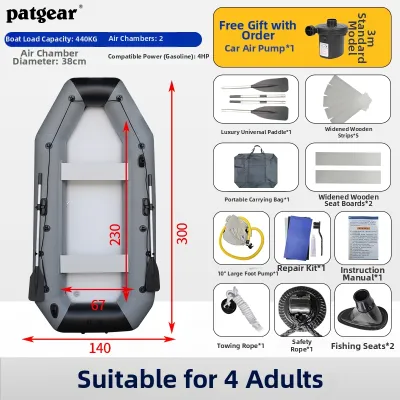
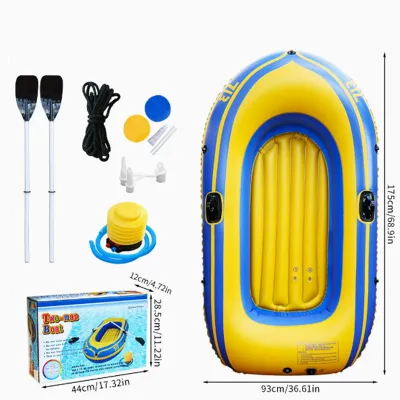
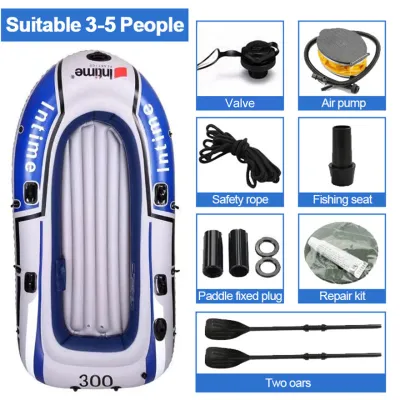
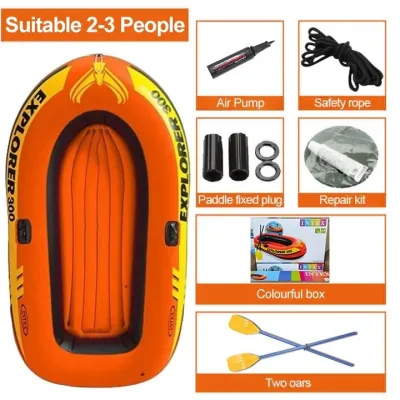
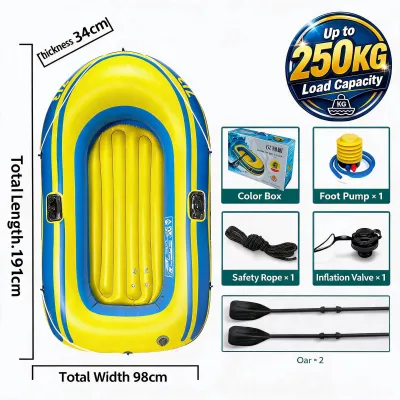
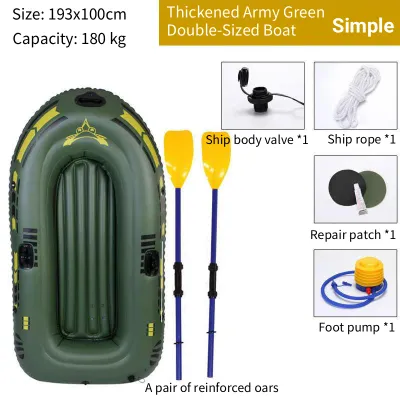
Prices are valid at publication and may change. Please refer to the product page for the latest price.
Island-Hopping: Demands a hull that can slice through choppy coastal waves, maintain a straight course (tracking), and handle moderate speeds safely.
Family Outings: Prioritizes interior space, high side walls for safety, comfortable seating, and easy boarding from the water.
Calculate the total weight of all passengers, personal flotation devices (PFDs), dry bags, fuel, and anchors. Always leave a safety margin rather than loading the boat to its absolute limit.
Choose an inflatable boat if you have limited storage space at home, lack a trailer, or need to transport the vessel in the trunk of a standard car. Reconsider and opt for a hard-hull boat if you plan to leave the vessel moored in the water permanently, frequently drag it over sharp rocks, or require high-speed performance in rough open seas.
Choosing the Right Hull and Floor Design for Your Activity
The shape of the hull determines how the boat behaves when it meets waves and currents.

Flat-Bottom Boats: These offer excellent stability on calm, flat waters like lakes, slow-moving rivers, or sheltered coves. They are easy to pack and quick to inflate, but they tend to slide or bump uncomfortably when encountering waves or choppy coastal waters.
V-Hull and Inflatable Keels: An inflatable keel sits beneath the floorboards, pushing the fabric floor downward into a sharp “V” shape. This design cuts through waves, improves steering control, and prevents the boat from drifting sideways in crosswinds, making it the preferred choice for island-hopping.
The floor construction inside the boat directly impacts rigidity, weight, and setup time.
Roll-Up Air Floors (Drop-Stitch): These floors inflate to high pressure, becoming remarkably rigid while remaining lightweight. They are ideal for quick family outings because they roll up easily with the boat, though they may feel slightly less stable underfoot than solid panels.
Aluminum Floorboards: Aluminum panels provide a completely flat, rock-solid platform that is highly durable and easy to clean. This is the best option for active fishing where you need to stand securely, though the panels add significant weight and require extra assembly time.
Plywood Floorboards: Marine-grade plywood offers similar rigidity to aluminum at a different weight profile, but it requires regular inspection to ensure the protective coating remains intact against moisture.
Before purchasing, always check the manufacturer’s technical specifications for the maximum wave height and wind force ratings. Never operate a flat-bottomed, low-profile inflatable boat in open coastal waters where sudden swells can easily swamp the bow.
Sizing Your Boat: Calculating Capacity, Gear, and Comfort
Selecting the right size prevents dangerous overloading and ensures everyone on board enjoys the trip.
Every certified inflatable boat features a manufacturer’s capacity plate, usually glued to the inside of the transom or pontoon. This plate lists the maximum number of passengers, the maximum weight capacity, and the maximum motor horsepower allowed.
To calculate your realistic payload, do not just look at the passenger count. Add the individual weights of your crew, then add the weight of your outboard motor, fuel tank, anchor, safety gear, coolers, and tackle boxes.
For a comfortable and safe family outing, a general rule of thumb is to subtract at least one or two people from the maximum rated capacity to account for gear, movement, and legroom.
Overloading reduces the boat’s freeboard—the height of the side tubes above the water line—which increases the risk of taking on water when waves hit.
Checking Material Labels and Construction for Durability
The durability of your inflatable boat depends heavily on the fabric used and how the seams are joined.
PVC (Polyvinyl Chloride): Most modern inflatable boats use multi-layer PVC reinforced with a polyester mesh core. While lightweight, affordable, and easy to patch, PVC is sensitive to prolonged ultraviolet (UV) exposure and high humidity, requiring protective sprays or canvas covers when stored in tropical climates.
Hypalon (CSM): This synthetic rubber material offers superior resistance to UV rays, fuel spills, and abrasions. It is highly durable and ideal for boats left inflated outdoors, though it is significantly heavier and more expensive than PVC.
Seam Construction: Look closely at how the seams are sealed. Welded seams use heat or radio frequency to fuse the fabric layers together, creating a permanent bond that resists heat degradation. Glued seams rely on chemical adhesives, which can weaken over time if exposed to constant high temperatures and humidity.
Perform a routine inspection before every launch to ensure your safety on the water. Check the inflation valves for slow leaks using a soapy water solution, inspect the seams for any signs of peeling or lifting, and verify that the transom—the rigid board where the motor mounts—is securely bonded to the inflatable tubes without any cracking or separation.
Verifying Motor Compatibility and Safety Boundaries
Adding a motor transforms your inflatable boat into a highly capable vessel, but it requires strict adherence to safety limits.
Never exceed the maximum horsepower rating shown on your boat’s capacity plate. Overpowering a flexible rubber boat can cause the transom to tear away, force the bow to rise dangerously, or cause the hull to fold under high speeds.
Ensure the outboard motor’s shaft length matches your transom height. A shaft that is too short will cause the propeller to draw in air (cavitate), while a shaft that is too long creates excessive drag and can damage the motor in shallow water.
Proper weight distribution is critical in an inflatable boat. Place heavy items like the fuel tank, battery, and anchor locker near the center or bow to counterbalance the weight of the motor and the operator at the stern.
Before pushing off from the shore, verify that you have all mandatory safety equipment on board. This includes a properly fitted life jacket (PFD) for every passenger, a manual air pump, a patch kit, oars, an anchor with sufficient rope, a bailer or bilge pump, a whistle or horn, and a reliable communication device kept in a waterproof dry bag.
Frequently Asked Questions (FAQ)
How long does an inflatable rubber boat typically last?
The lifespan of an inflatable boat depends on the material, frequency of use, and storage conditions. A PVC boat stored indoors and maintained regularly can last several years, while a Hypalon boat can endure much longer under harsh sun. Always check the manufacturer’s specific warranty terms and care manuals for precise longevity guidelines and recommended maintenance schedules.
Can I leave my inflatable boat inflated on the water or dock all season?
Leaving an inflatable boat permanently on the water exposes it to continuous UV radiation, marine growth, and water temperature fluctuations that cause internal air pressure to rise and fall. To prevent seam failure and material degradation, manufacturers recommend deflating, cleaning, and storing the boat in a dry, shaded area when not in use for extended periods.
What should I do if my inflatable boat gets a puncture on the water?
If you suspect a puncture while on the water, remain calm and head toward the nearest shore immediately. Most quality inflatable boats feature multiple independent air chambers, meaning a puncture in one chamber will not sink the entire boat. Use your manufacturer-provided emergency patch kit for temporary on-water fixes, keep your manual pump handy to top up pressure, and seek professional repair before using the boat again.

Community discussion
Share your experience or ask a question. Comments are reviewed before publication.