
For most families planning an outdoor outing, a single-line delta or diamond kite is the most reliable and frustration-free choice. These classic shapes launch effortlessly in light tropical breezes, maintain excellent stability without constant pilot adjustment, and are simple enough for young children to hold. While more advanced designs like box or parafoil kites offer unique visual appeal and performance in specific wind conditions, starting with a stable, high-visibility delta kite ensures your family spends more time watching the sky and less time untangling lines or recovering crashed gear.
Choosing the right kite requires balancing your flying location, the age of your family members, and the typical weather conditions of your outing. By understanding how different designs interact with the wind, you can select a model that matches your family’s skill level and ensures a successful, wind-swept afternoon of outdoor fun.
Assess Your Family's Flying Environment and Skill Level
Before purchasing a kite, you must evaluate the physical space where you plan to fly. Wide-open areas free of overhead obstructions are essential for both safety and successful flight. Look for local public parks, open sports fields, or wide sandy beaches. Always perform a quick visual sweep of the area to identify potential hazards such as overhead power lines, tall trees, busy roads, and low-hanging utility cables. Flying a kite near power lines carries a severe risk of electrical shock, so always maintain a distance of at least twice the length of your kite line from any obstacle.
Products mentioned in this guide
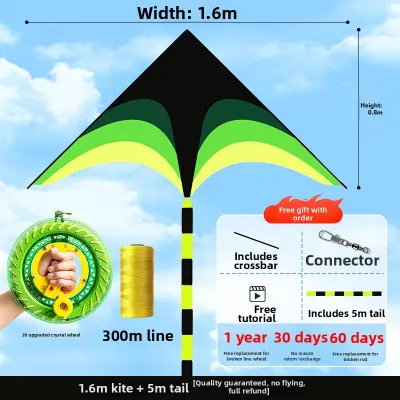
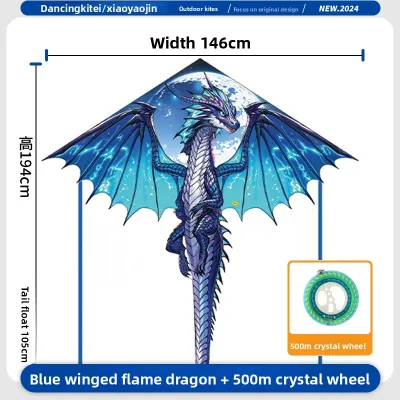
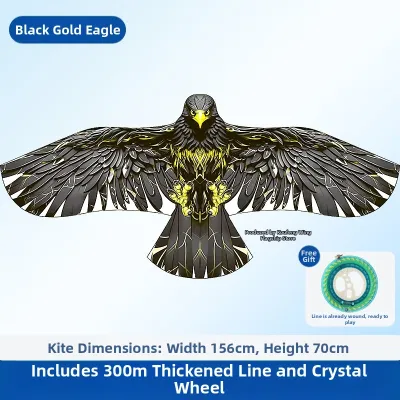
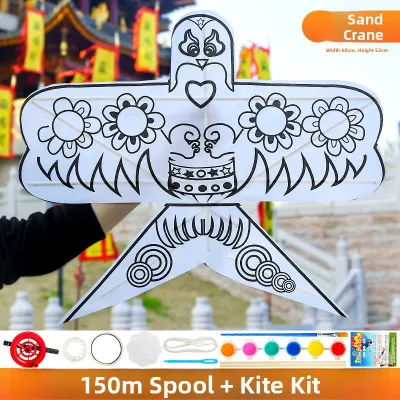
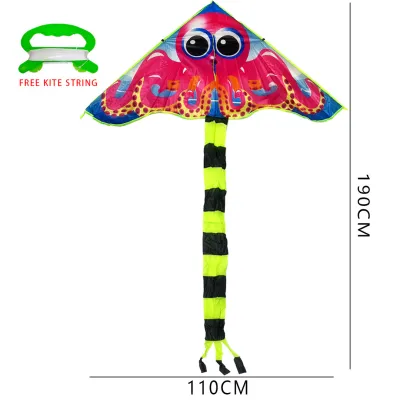
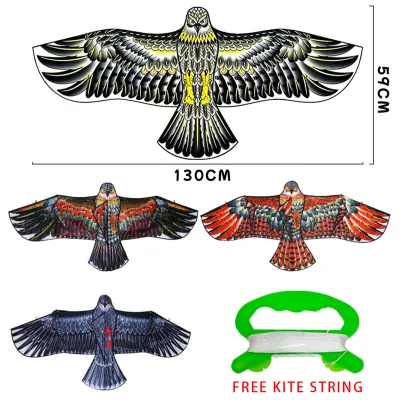
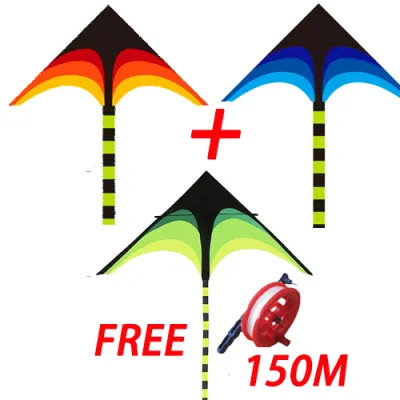
Prices are valid at publication and may change. Please refer to the product page for the latest price.
Estimating wind strength does not require specialized digital equipment; you can easily read the wind using simple environmental cues. A light, beginner-friendly breeze is characterized by the gentle rustling of leaves on trees and the feeling of wind against your face. If flags extend fully from their poles and small tree branches sway steadily, you are experiencing a moderate breeze, which is excellent for larger or heavier kites. However, if entire trees are bending, loose dust is swirling off the ground, or you find it difficult to walk comfortably against the wind, conditions are too turbulent for a safe family flying session.
You must also assess who will be handling the kite and how much collaboration is required. Young children under the age of eight generally lack the grip strength and quick reflexes needed to manage high-pull kites. For these younger family members, lightweight kites that generate minimal pull are necessary to prevent the line from slipping or causing mild friction burns. Determine whether your family members can launch a kite independently or if they will need to work in pairs—where one person holds the kite facing the wind and releases it on cue, while the other manages the reel and maintains line tension.
Match Kite Types to Your Diagnosed Conditions
Selecting the right kite design is a matter of matching its aerodynamic properties to your family’s physical capabilities and the wind conditions of your chosen spot. Different shapes handle wind pressure in distinct ways, directly affecting how hard the kite pulls on the line and how stable it remains in shifting air currents.

When choosing a kite, consider the trade-off between stability and pull. A kite that generates high lift but also high pull can quickly become exhausting or even painful for a child to hold for extended periods. Additionally, consider how easily the kite packs down. If you are traveling to a crowded beach or a distant park, a kite that disassembles into a compact, lightweight sleeve is far more practical than a rigid, bulky design that risks getting bent or broken in transit.
Delta and Diamond Kites for Easy Starts
Delta kites, named for their triangular shape resembling a stealth glider, are widely considered the easiest design for beginners to fly. They feature a wide wing surface area that captures even the faintest tropical breezes, allowing them to lift off with minimal effort. Because of their aerodynamic shape, delta kites naturally adjust to minor shifts in wind direction, maintaining a stable hover high in the air. They rarely require a tail to stay balanced, though adding a colorful ribbon tail can enhance visual tracking and provide extra stability in slightly gustier conditions.
Diamond kites offer the classic, nostalgic silhouette that most people associate with childhood kite flying. While they require slightly more wind to launch than a delta kite, they are exceptionally reliable once aloft in steady, moderate breezes. A diamond kite relies heavily on its tail to act as a rudder; without a tail of sufficient length, the kite will spin and dive unpredictably. If the wind drops suddenly, diamond kites tend to flutter down gently rather than nose-diving sharply, giving young flyers plenty of time to react and gently reel in the line.
Box and Parafoil Kites for Specific Conditions
Box kites are three-dimensional, cellular structures that look like flying sculptures. Because of their complex shape, they present multiple surfaces to the wind, which generates significant lift but also creates a strong, heavy pull on the line. This makes box kites less suitable for young children, as holding the reel requires steady physical effort. They perform best in strong, steady coastal winds and are ideal for older children or adults who enjoy a more physical flying experience and want a kite that stands out from the crowd.
Parafoil kites, also known as soft or pocket kites, are constructed entirely of fabric without any rigid wooden or fiberglass rods. They feature open cells on the leading edge that inflate with air to create an aerodynamic wing shape. The primary advantage of a parafoil kite is its extreme portability; because there are no frames to break, you can fold it tightly and stuff it into a pocket or backpack. However, they are highly sensitive to wind quality. If the wind drops suddenly or becomes turbulent, the cells will deflate, causing the kite to collapse and fall rapidly to the ground.
Key Features to Check Before Purchasing
When shopping for a family kite, look closely at the construction materials to ensure durability. The frame, or spars, should be made of flexible, shatter-resistant fiberglass or carbon fiber rods. Avoid cheap, brittle plastic frames, which are prone to snapping during hard landings on packed earth or sand. If you plan to fly your kite near coastal areas, check that any metal connectors, eyelets, or swivels are made of rust-resistant materials to withstand the corrosive effects of salty, humid sea air.
The quality of the included line and reel is just as important as the kite itself. Opt for packages that include braided polyester or nylon lines rather than cheap, twisted cotton string, which frays easily and tangles into tight knots. The reel should be designed for comfortable handling; a smooth-spinning hoop reel or a spool with an ergonomic handle allows small hands to wind and unwind the line without pinching their fingers. Ensure the line is securely tied to both the reel and the kite’s bridle before launching. While budget-friendly beginner kites often range from ₱300 to ₱1,000 on local online marketplaces, prioritizing these durable components over the lowest price point will save you from mid-outing disappointments.
Visual tracking is another critical factor for a successful outing. Select kites with bright, high-contrast colors and bold geometric patterns, such as neon orange, vibrant yellow, or deep blue. These colors stand out clearly against both bright blue tropical skies and grey, overcast rain clouds. High visibility helps you monitor the kite’s behavior from a distance, makes it easier to spot if it drifts behind a tree, and alerts other park visitors to the presence of your flying line so they can avoid walking into it.
When to Adjust, Upgrade, or Choose Alternatives
As your family gains experience, you will easily recognize when it is time to adjust your gear or transition to a different activity. If your children have mastered the basics of launching, maintaining altitude, and landing a single-line kite, they may begin to find static flying repetitive. This is a clear signal to upgrade to a dual-line stunt kite. Dual-line models allow the flyer to actively steer the kite, performing loops, sharp turns, and horizontal sweeps across the sky, which provides an engaging physical and mental challenge for older kids and teenagers.
Always prioritize safety by establishing clear stop conditions for your outings. In tropical climates, weather conditions can shift rapidly from sunny skies to sudden afternoon downpours or thunderstorms. If you hear thunder, see dark storm clouds rolling in, or feel the wind suddenly gusting violently, reel in your kite immediately and seek shelter. Wet kite lines can conduct static electricity from the atmosphere, and sudden high-velocity gusts can easily snap lines, damage your equipment, or pull the reel out of a child’s hands.
If you arrive at your destination only to find that the wind is completely still or the area is too crowded with picnic blankets and vendors, do not try to force a kite into the air. Running endlessly to keep a heavy kite aloft in zero wind quickly leads to exhaustion and frustration. Instead, keep alternative outdoor gear in your vehicle or beach bag. Lightweight foam gliders, aerodynamic flying discs, or simple catch-and-throw games require very little space and no wind at all, ensuring your family outing remains active and enjoyable regardless of the weather.
Frequently Asked Questions (FAQ)
What observable signs indicate the wind is too strong for a beginner kite?
You can tell the wind is too strong if flags on poles are fully extended and snapping loudly, or if you see leaves and small debris being lifted off the ground and swirled through the air. On the beach, blowing sand that stings your ankles is a clear sign of high winds. If you launch a beginner kite in these conditions, it will likely loop aggressively, dive uncontrollably, or pull so hard that the line becomes painful to hold.
Should I buy a kite with a single line or dual lines for a family outing?
For a relaxed family outing, especially one involving younger children, a single-line kite is highly recommended. Single-line kites require very little active management once they reach flying altitude, allowing children to easily hold the reel or even anchor it to a stationary object while enjoying their picnic. Dual-line kites require constant, active two-handed control and quick reflexes to prevent crashes, making them better suited for older teenagers and adults seeking an active sport rather than a casual pastime.

Community discussion
Share your experience or ask a question. Comments are reviewed before publication.