
Selecting the right knee support depends entirely on the location of your pain, the specific activities that trigger your discomfort, and whether your joint requires uniform compression, targeted tendon pressure, or rigid structural stability. Wearing the wrong type of gear can restrict your natural movement unnecessarily or, worse, fail to protect your joint from further strain. By matching your specific symptoms to the correct design, you can manage discomfort effectively while maintaining your active lifestyle.
Active men often face knee issues from high-impact sports, running on hard pavement, or heavy lifting in gym environments. In tropical climates like the Philippines, where heat and humidity are constant factors, choosing the right gear also means balancing structural support with breathability and skin comfort. Understanding the mechanical differences between compression sleeves, patellar straps, and hinged braces is the first step toward finding relief.
Identify Your Knee Pain Symptoms and Triggers
Before purchasing any protective gear, you must observe how and when your knee hurts. Note the exact location of the discomfort. A dull, generalized ache deep within the joint feels very different from sharp pain localized directly below the kneecap or a pinching sensation along the inner or outer sides of the knee. These distinct locations point to different mechanical stress areas that require specific types of physical support.
Products mentioned in this guide
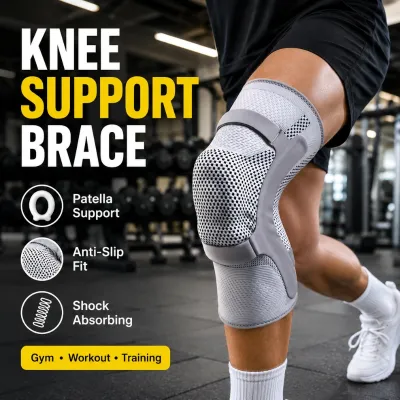
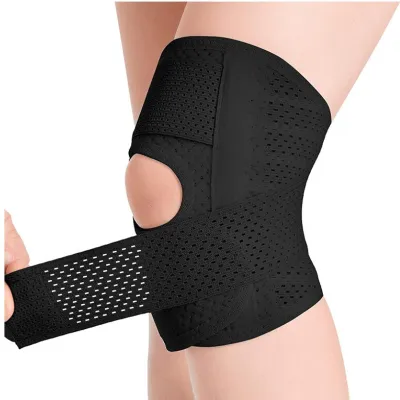
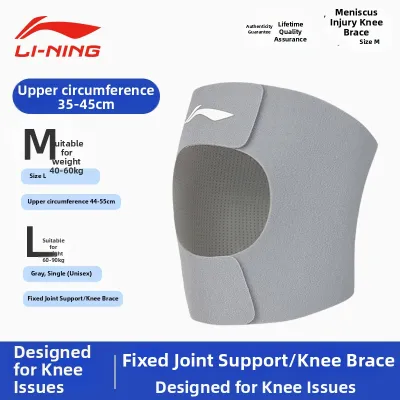
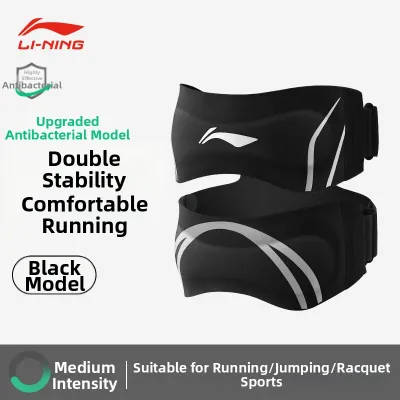
Prices are valid at publication and may change. Please refer to the product page for the latest price.
Next, identify the specific activities that exacerbate your pain. For instance, do your knees ache during repetitive, high-impact movements like running on concrete or jumping on basketball courts? Or does the discomfort flare up during deep knee bends, heavy squats, or prolonged walking? Tracking these triggers helps determine whether your knee needs general warmth and blood flow promotion or targeted mechanical offloading.
Pay close attention to physical signs that accompany the pain. Look for mild swelling around the joint line, stiffness after sitting for long periods, or a concerning sensation that your knee is unstable or “giving way” under your weight. These observable signs are critical indicators of whether your joint requires simple compression or rigid, structural stabilization.
Keep in mind that this self-assessment is designed solely to help you match supportive gear to your current symptoms. It is not a substitute for a professional medical diagnosis. Identifying these patterns simply allows you to make an informed choice when selecting temporary support for exercise or daily recovery.
Match Your Symptoms to the Correct Knee Support Type
Knee protective gear is generally divided into three primary categories: compression sleeves, patellar straps, and hinged braces. Each style features a distinct structural design engineered to address specific mechanical needs of the joint.

Choosing the wrong category can lead to poor pain relief or restrict your mobility. Understanding how compression, targeted tendon pressure, and rigid structural support function will guide you to the correct product for your daily activities.
Compression Sleeves for Mild Ache and General Support
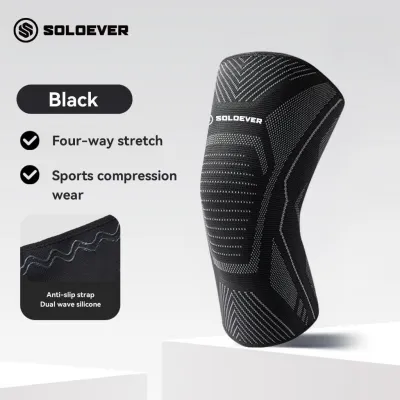
Compression sleeves are ideal for men experiencing mild, generalized knee discomfort, minor stiffness, or lingering soreness after workouts. They are highly beneficial for managing mild arthritis flare-ups, keeping the joint warm during exercise, and controlling minor swelling after prolonged standing or walking.
These sleeves work by providing uniform compression around the entire joint. This pressure promotes local blood flow and enhances proprioception, which is your brain’s awareness of the joint’s position and movement. Because they are typically made of flexible fabrics, they support the knee without restricting your natural range of motion during sports or daily chores.
However, compression sleeves have clear limitations. They do not provide structural stability for torn ligaments, nor do they offer targeted relief for specific tendon issues. In hot and humid environments, look for sleeves made from breathable, moisture-wicking circular knit fabrics rather than thick neoprene to prevent sweat buildup and skin chafing.
Patellar Straps for Tendon and Below-Knee Pain
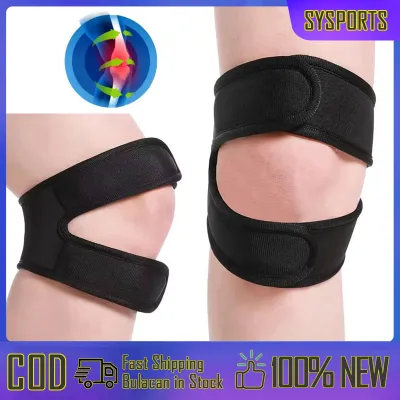
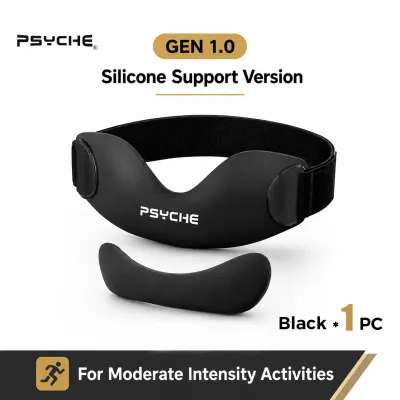
Patellar straps, also known as tendon bands, are designed specifically for localized pain situated directly below the kneecap. This type of discomfort is common among runners, basketball players, and those who engage in repetitive jumping or high-impact activities that place heavy stress on the front of the knee.
The strap functions by applying targeted, concentrated pressure directly to the patellar tendon. This pressure slightly alters the angle at which the tendon pulls, effectively distributing the mechanical stress and reducing the strain at the tendon’s attachment point on the shin. This targeted action helps alleviate pain during active movement.
The primary limitation of a patellar strap is its narrow focus. It offers absolutely no lateral stability for the sides of the knee and provides no compression for the rest of the joint. If your pain is widespread or stems from ligament instability, a patellar strap will not provide the support you need.
Hinged Braces for Instability and Post-Injury Recovery
Hinged braces are rigid support systems reserved for moderate to severe joint instability, ligament sprains or tears, and post-surgical recovery. They are also highly useful for managing advanced joint degeneration where the knee requires physical alignment and load redistribution to prevent painful bone-on-bone friction.
These braces utilize rigid side stays made of lightweight metal or composite materials, connected by mechanical hinges. This structure physically prevents lateral movement and hyperextension of the joint, protecting vulnerable ligaments while allowing controlled, safe bending. They provide the highest level of physical protection available in over-the-counter gear.
Despite their protective benefits, hinged braces are bulky, heavy, and significantly restrict your natural movement. Because they alter how your leg moves, they should generally be worn under the guidance of a physical therapist or medical professional to avoid muscle weakness or altered gait patterns over time.
Key Fit and Comfort Checks Before You Buy
To ensure your knee support performs effectively without causing secondary issues, you must achieve a precise fit. Avoid relying on generic sizing charts that estimate your size based on height and weight. Instead, use a flexible tape measure to find the exact circumference of your mid-thigh (typically 10 to 15 centimeters above the center of your kneecap) and your mid-calf, then compare these measurements to the manufacturer’s specific sizing guide.
Evaluate the grip mechanisms and materials used to keep the support in place. Many sleeves and straps feature silicone gel strips or adjustable hook-and-loop straps to prevent slipping. In warm, tropical climates, heavy sweating can cause silicone to slide or trap moisture, potentially leading to skin irritation or contact dermatitis. Check for hypoallergenic materials or breathable backing if you have sensitive skin.
Test the physical boundaries of the support before committing to long-term wear. Put the gear on and perform a few slow squats, walk around, and bend your leg fully. Ensure that rigid hinges or thick seams do not pinch the sensitive skin at the back of your knee or slide out of position during movement. The gear should feel snug and supportive, never painful or restrictive to your circulation.
Finally, verify the return and exchange policies of the online marketplace or local sports retailer before making your purchase. Because individual leg shapes vary greatly, you may need to exchange your initial selection for a different size or style to achieve the perfect balance of comfort and support during active use.
When to Stop and See a Medical Professional
While knee supports are excellent tools for managing minor discomfort and assisting recovery, they cannot cure structural tissue damage. You must recognize the physical red flags that indicate a serious injury requiring immediate clinical evaluation rather than self-treatment.
Seek immediate medical attention if you experience an inability to bear weight on your leg, visible deformity in the joint, sudden and severe swelling, or if you heard a loud “pop” at the moment of injury. These symptoms often point to acute ligament tears or fractures that require professional diagnostics and treatment.
Additionally, monitor how your knee responds to the support gear over time. If you notice increased swelling, numbness, tingling in your lower leg or foot, or if your pain steadily worsens despite wearing the brace, stop using the product immediately. These signs suggest the support may be restricting your circulation or failing to protect an unstable joint, requiring a professional assessment.
Frequently Asked Questions (FAQ)
Can I wear a knee support all day while sitting or resting?
Continuous wear of tight compression sleeves or braces during prolonged periods of sitting or resting is generally not recommended. When you are sedentary, tight gear can restrict blood flow and cause fluid to pool in your lower leg or ankle. It is best to remove the support while sleeping, resting on the couch, or sitting at a desk for hours, unless a healthcare provider has specifically instructed you to wear it continuously to manage an acute, recovering injury.
Should I wear a knee brace on both knees if only one hurts?
No, you should not wear a supportive brace on a healthy, pain-free knee. Doing so is unnecessary and can lead to over-reliance on the gear, potentially reducing the natural strength and stability of your healthy joint over time. Bilateral bracing is typically only recommended if you have a diagnosed systemic condition affecting both joints, such as bilateral osteoarthritis, or if you are participating in high-impact sports where both knees are equally vulnerable to contact injuries.

Community discussion
Share your experience or ask a question. Comments are reviewed before publication.