
Choosing the right Kubol tent depends entirely on matching your specific camping environment—whether it is a humid coastal beach, a windy mountain ridge, or a remote hiking trail—with the tent’s weight, ventilation, and structural specifications. Rather than searching for a single universal model, you must evaluate how a tent’s design balances portability against interior space and weather resistance. By identifying your primary outdoor activity and verifying key metrics on the product label, you can select a shelter that keeps you comfortable and secure without carrying unnecessary weight.
Identify Your Primary Camping Scenario
Before browsing specific tent models, you must pinpoint where and how you plan to spend most of your nights outdoors. Camping styles generally fall into three distinct categories: weight-sensitive backpacking, space-prioritized family basecamps, and weather-dependent mountain trekking. Each of these activities presents unique challenges that a tent must address to ensure a successful trip.
For backpackers, carrying fatigue is the primary obstacle, making every gram of gear critical. A heavy shelter quickly becomes a burden during long climbs, meaning portability and compact packed size must take precedence over spacious living areas.
Products mentioned in this guide
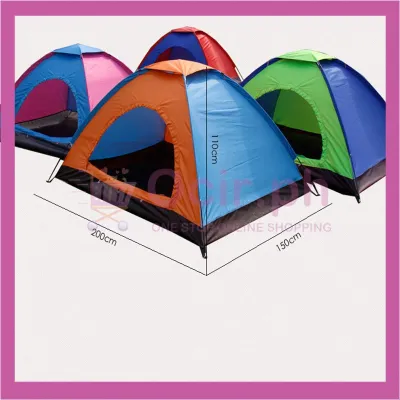
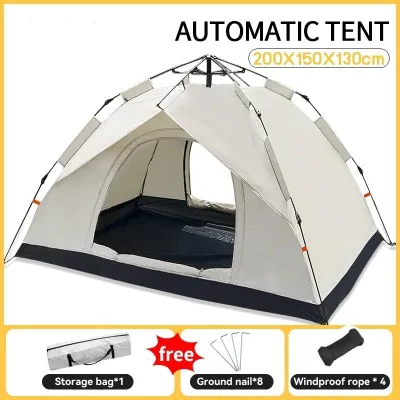
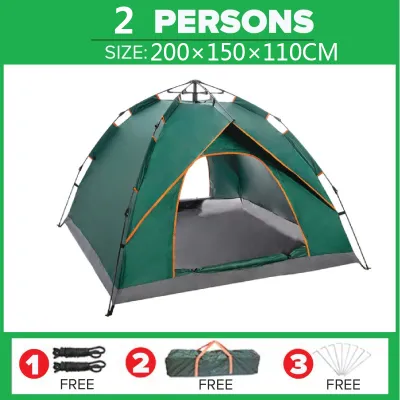
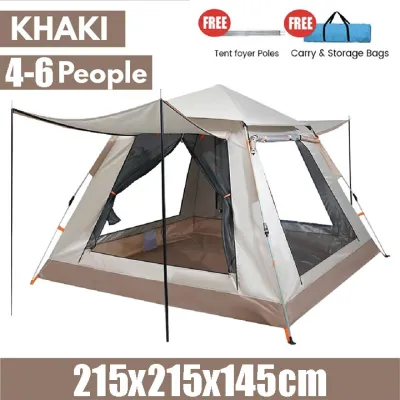
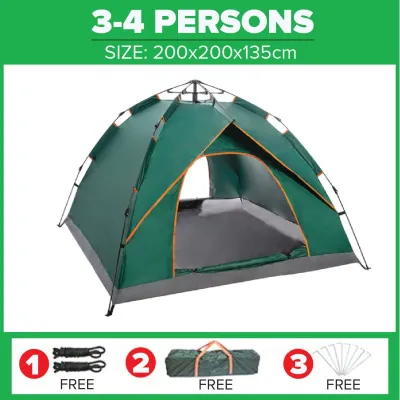
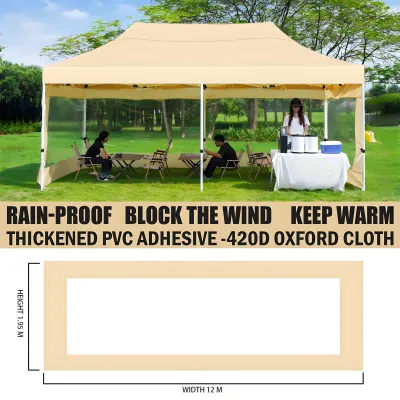
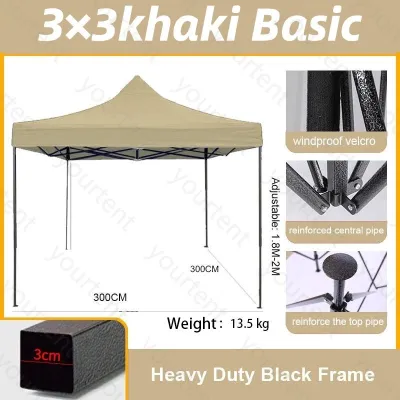
Prices are valid at publication and may change. Please refer to the product page for the latest price.
Conversely, family basecampers and beach campers prioritize comfort and interior volume. The main pain points here are cramped quarters, lack of headroom, and poor airflow in warm, humid environments. Since the vehicle does the heavy lifting, weight is secondary to livability and ease of movement.
Mountain trekkers face unpredictable high-altitude weather, where sudden wind shifts and heavy downpours are common. For these adventures, structural stability and robust water resistance are non-negotiable, as a collapsed shelter in remote areas poses a genuine safety risk.
Understanding that no single tent excels in all three areas is key to making a smart purchase. The most suitable model is not the most expensive one on the shelf, but the one designed specifically to handle the primary challenges of your chosen camping style.
Key Specifications to Check on Product Labels
When evaluating a Kubol tent in official brand shops or outdoor retail listings, understanding the technical specifications on the product label is essential. Manufacturers use standardized metrics that reveal how a tent will perform in the field, allowing you to compare models objectively.

One of the first specifications to examine is weight, which is often listed in two different ways: packed weight and trail weight. Packed weight includes everything that comes in the retail box, such as the tent body, rainfly, poles, stakes, guy lines, carry bag, and instruction manuals. Trail weight, on the other hand, refers only to the essential components needed to set up the shelter: the tent body, rainfly, and poles. If you are hiking long distances, the trail weight is the more accurate metric for planning your pack load.
Capacity ratings can also be misleading if you rely solely on the designated number of sleepers, such as a “two-person” or “four-person” label. These ratings assume occupants will sleep side-by-side with minimal gear inside the tent. To ensure a comfortable fit, always check the actual floor dimensions listed in centimeters or inches. Compare these measurements to the width of your sleeping pads to verify if there is enough room for your gear and elbow room.
Waterproofing capability is indicated by the hydrostatic head rating, measured in millimeters (mm). This rating represents the height of a water column that the fabric can withstand before moisture begins to penetrate. For general camping in moderate rain, a rating of 1,500 mm to 2,000 mm is typically sufficient, while high-altitude or heavy monsoon conditions require ratings of 3,000 mm or higher on both the rainfly and the floor.
Finally, inspect the pole material specifications, as they dictate the tent’s structural integrity and overall weight. Aluminum poles are highly valued for their excellent strength-to-weight ratio and flexibility under wind loads. Fiberglass poles are more budget-friendly but are heavier and more prone to splintering under extreme stress, making them better suited for casual, low-wind environments.
Matching Tent Features to Specific Camping Styles
Selecting the right shelter requires matching these verified specifications with the specific demands of your outdoor activities. Because different camping environments require mutually exclusive design priorities, you must align the tent’s features with your primary style.
Solo Hiking and Backpacking
For solo hikers and backpackers, keeping your pack light is the most critical factor for trail comfort. Ideally, a solo backpacking tent should have a packed weight of under two kilograms, and its packed size should be compact enough to fit horizontally inside your backpack or secure easily to the exterior straps.
When choosing a lightweight model, you will encounter the choice between single-wall and double-wall designs. Single-wall tents integrate the canopy and rainfly into a single layer of fabric, which drastically reduces weight and packed volume. However, they require careful ventilation management to prevent interior condensation from dampening your sleeping bag. Double-wall tents feature a separate mesh inner body and a waterproof outer rainfly, providing superior airflow and condensation control at the cost of a slightly higher trail weight.
Additionally, look for intuitive pitching mechanisms, such as hubbed pole systems or color-coded clips. After a grueling day of hiking, a tent that sets up quickly and easily in the fading light prevents unnecessary frustration and exposure to the elements.
Family Beach and Car Camping
When weight is not a constraint, such as during family beach trips or car camping adventures, your focus should shift entirely to livability and climate control. Look for models with a generous peak height that allows campers to stand upright or sit comfortably without hunching. A larger floor area per person and multiple door configurations are also highly beneficial, allowing family members to enter and exit without crawling over each other.
In tropical coastal environments, managing heat and humidity is a constant challenge. Prioritize tents with extensive mesh panels on the inner body to maximize cross-ventilation and keep the interior cool. A full-coverage rainfly that can be rolled back or configured as an awning allows you to enjoy the breeze while remaining ready for sudden tropical showers.
Beach camping also introduces specific environmental challenges like abrasive sand and intense sun exposure. Check product labels for UV-resistant fabric coatings to prevent premature degradation from solar radiation. Ensure the tent features robust, heavy-duty zippers that will not jam when exposed to fine sand particles, and verify that the stakes provided are suitable for securing the shelter in loose, sandy soil.
Mountain Trekking and Harsh Weather
Trekking in high-altitude mountain regions demands a shelter that can withstand high winds, heavy rain, and sudden temperature drops. Pay close attention to the pole geometry and the number of intersection points. Tents with crossing pole structures distribute wind loads more evenly, preventing the frame from buckling under strong gusts.
To prevent water ingress during prolonged downpours, verify that both the rainfly and the floor have high hydrostatic head ratings. A bathtub-style floor, which features waterproof fabric extending several inches up the sides of the tent before meeting the wall seams, is essential for keeping ground moisture and pooling water from seeping inside.
Vestibule space is another critical feature for harsh-weather trekking. A spacious vestibule created by the rainfly extension provides a protected area to store wet boots, muddy backpacks, and cooking gear outside the main sleeping compartment. This separation is vital for keeping the interior dry, clean, and free from excess moisture that contributes to condensation.
Cross-Scenario Compatibility and Trade-offs
Many campers wonder if they can find a single, versatile tent that handles every scenario, but doing so always involves practical compromises. Using a heavy, spacious family tent for a backpacking trip will quickly lead to physical exhaustion on the trail. Conversely, taking an ultra-lightweight, cramped solo tent to a beach campsite will leave you feeling hot, restricted, and uncomfortable during a relaxed weekend getaway.
When evaluating versatility, look closely at the “3-season” label. While a 3-season tent is designed to handle spring, summer, and autumn conditions, you must assess whether it can truly cope with the specific weather extremes of your region. In tropical climates, a 3-season tent must have exceptional ventilation to handle high humidity, whereas in cooler, windier regions, it needs a more solid inner canopy to block cold drafts.
If your budget is a primary consideration, use a clear decision framework to determine if purchasing multiple specialized tents is justified. If you camp frequently—such as ten or more times a year—and split your time evenly between hiking and family trips, investing in two distinct tents is highly practical. However, if you only go backpacking once a year, it may be more economical to allocate your budget of ₱5,000 to ₱15,000 toward a high-quality, mid-weight two-person tent that can serve as a cozy shelter for both solo trail trips and casual car camping.
Frequently Asked Questions (FAQ)
Is it better to buy one versatile tent or separate tents for different trips?
Owning a single hybrid tent is highly economical but requires accepting performance compromises, such as carrying extra weight on hikes or sacrificing living space at basecamps. If your outdoor activities are highly diverse—such as combining high-altitude mountaineering with casual beach camping—separate, specialized tents are generally the better choice. Base your decision on how often you participate in each activity; if one style represents eighty percent of your trips, prioritize a tent optimized for that specific scenario.
What label specifications indicate good ventilation for hot weather?
To ensure excellent airflow in hot and humid conditions, look for tents with a high mesh-to-fabric ratio on the inner tent body, which allows heat to escape easily. Check the specifications for dual-layer doors that feature both a mesh screen and a solid fabric panel, as well as adjustable rainfly vents that can be propped open even during rain. Additionally, proper site selection—such as pitching your tent perpendicular to the prevailing breeze—works in tandem with these built-in features to maximize cooling.

Community discussion
Share your experience or ask a question. Comments are reviewed before publication.