
Selecting the right Molten soccer ball requires matching the ball’s construction, materials, and bladder type to your playing frequency, skill level, and the specific pitch conditions you encounter. Because a ball that performs beautifully on a lush, natural grass field can quickly degrade on a hard concrete court or an abrasive artificial turf pitch, understanding how to read product specifications is the key to making a smart purchase. By evaluating the outer casing material, the seam construction, and the internal bladder, you can find a durable, high-performing ball that fits your budget and enhances your overall playing experience.
In the Philippines, where football is played across a wide variety of venues—ranging from premium indoor turf fields to open-air barangay concrete courts—the local climate also plays a massive role in your decision. High humidity, intense tropical heat, and sudden heavy downpours can severely impact a soccer ball’s lifespan and performance. Choosing a model with the right water resistance and material durability ensures that your investment survives the elements and maintains its shape, bounce, and weight over months of intense play.
Understanding Molten's Ball Tiers: Match, Training, and Recreational
To narrow down your options, it is helpful to understand how Molten categorizes its soccer balls into distinct tiers based on performance requirements, construction standards, and price points. Identifying where your playing style fits within these tiers will prevent you from overspending on features you do not need, or conversely, from buying a basic ball that cannot keep up with competitive play.
Products mentioned in this guide
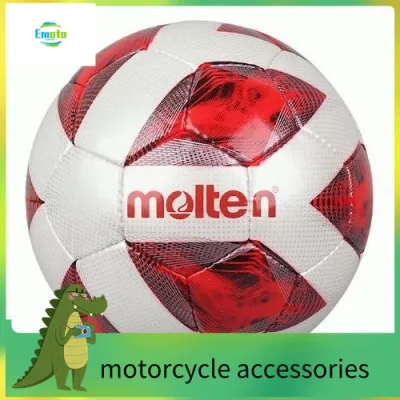
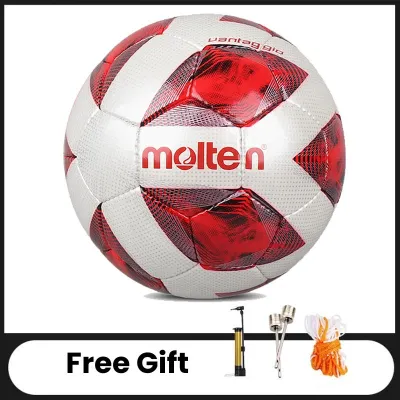
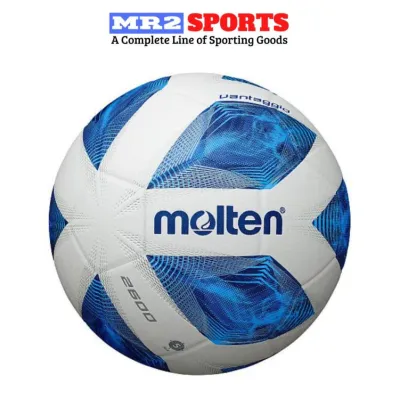
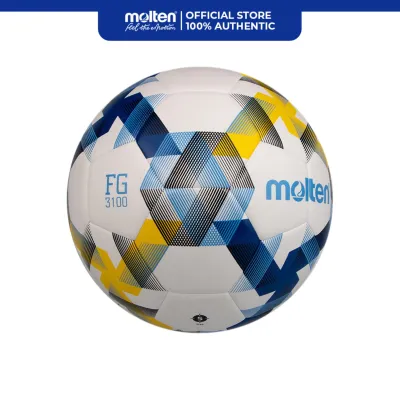
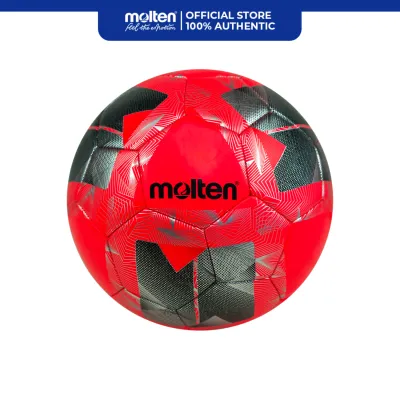
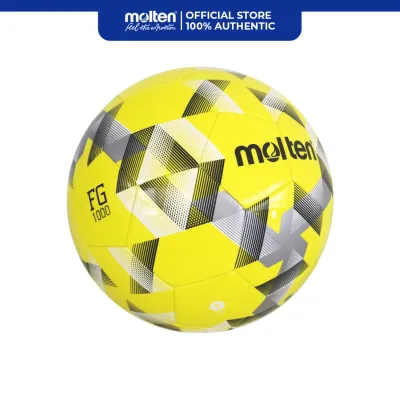
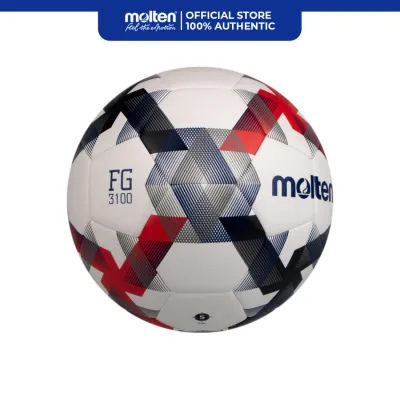
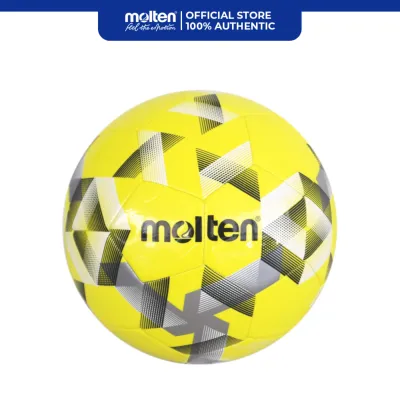
Prices are valid at publication and may change. Please refer to the product page for the latest price.
Match Balls for Competitive Play
Match balls represent the pinnacle of Molten’s engineering, designed specifically for official tournaments, high school or collegiate leagues, and competitive club matches. These balls are constructed to meet strict international standards, often carrying official certification marks such as the FIFA Quality Pro or FIFA Quality labels printed directly on the casing. These certifications guarantee that the ball has undergone rigorous testing for weight, circumference, roundness, bounce, water absorption, and pressure loss.
The outer cover of a match ball is typically made from premium, high-grade polyurethane (PU), which provides an exceptionally soft touch, responsive feel, and excellent elasticity. The panels are usually joined using advanced thermal bonding techniques, creating a seamless surface that minimizes water uptake and ensures a highly predictable flight path. If you are playing in organized leagues where precision passing, consistent bounce, and optimal ball control are critical, investing in a match-tier ball is highly recommended.
Training Balls for High-Frequency Use
For players, coaches, and clubs who require a reliable workhorse for daily drills, weekly practices, and high-frequency training sessions, training balls offer the ideal balance of durability and performance. These balls are engineered to withstand repeated impacts against hard surfaces, training gear, and heavy boots without losing their structural integrity or shape.
Training balls generally feature a slightly thicker, reinforced PU cover or a high-durability synthetic leather casing. While they may not offer the ultra-soft touch of a premium match ball, they provide a highly consistent feel that is perfect for developing core skills like passing, dribbling, and shooting. The construction of training balls often utilizes hybrid methods or heavy-duty machine stitching to ensure the seams remain intact even after months of rigorous use on various playing surfaces.
Recreational and Promotional Balls for Casual Play
If your primary goal is casual weekend kicks with friends, backyard play, beach soccer, or introducing young children to the sport, recreational and promotional balls are the most practical choice. These balls are designed with cost-effectiveness and basic playability in mind, making them highly accessible for beginners and casual players.
The outer cover of a recreational ball is often made from polyvinyl chloride (PVC) or durable rubber. PVC is a tougher, stiffer material than polyurethane, which makes it highly resistant to abrasions from rough surfaces like gravel or concrete, though it offers a harder feel upon impact. These balls are excellent for low-intensity play where technical precision is less important than pure durability and affordability.
Key Specifications to Check on the Product Label
When browsing online sports retailers or visiting a physical sporting goods store, you should look past the colorful graphics and focus on the technical specifications printed on the packaging or listed in the product description. Understanding these technical details allows you to verify the ball’s quality and suitability for your specific needs.

Panel Construction Methods
The way the panels of a soccer ball are held together directly influences its water resistance, shape retention, and aerodynamic stability. There are three primary construction methods you will encounter on Molten product labels:
- Thermal Bonding: This advanced method uses heat and adhesive to fuse the panels together seamlessly. Thermally bonded balls have virtually no exposed seams, which prevents water from penetrating the casing during wet-weather play. This seamless design also results in a perfectly spherical shape, leading to more accurate flight trajectories and a highly consistent touch across the entire surface of the ball.
- Hand Stitching: A traditional and highly respected method, hand stitching utilizes thick, high-tensile polyester threads to secure the panels. Hand-stitched balls are known for their deep, durable seams and excellent flexibility, providing a classic feel and high durability. However, because the seams are exposed, they can absorb water in wet conditions unless the manufacturer has applied a specialized seam sealant.
- Machine Stitching: This method is commonly used for training and recreational balls. Machine-stitched seams are shallower and use thinner threads than hand-stitched models. While highly cost-effective and perfectly adequate for dry-weather training and casual play, machine-stitched balls are more prone to water absorption and seam wear over time if subjected to wet conditions or highly abrasive surfaces.
Bladder Materials and Air Retention
The bladder is the inner chamber of the soccer ball that holds the air, and its material composition determines how often you will need to inflate the ball and how responsive it feels on your foot.
- Butyl Bladders: Made from a synthetic rubber compound, butyl bladders offer exceptional air retention. A ball with a butyl bladder can maintain its pressure for several weeks or even months without needing a top-up. This makes butyl bladders highly convenient for training sessions, school programs, and casual players who want a low-maintenance ball that is always ready to play.
- Latex Bladders: Commonly found in high-end match balls, natural latex bladders are highly prized for their superior elasticity, responsiveness, and soft feel. A latex bladder provides a livelier bounce and a more sensitive touch, which competitive players prefer. However, latex is a porous material that naturally leaks air over time, meaning you will need to inflate the ball before almost every training session or match.
Surface Textures and Aerodynamics
Modern soccer ball designs often feature specialized surface textures instead of a completely smooth outer cover. When examining a Molten ball, look for micro-textures, dimples, or raised aerodynamic grooves on the panels. These textures are engineered to disrupt the boundary layer of air surrounding the ball as it flies through the sky, reducing drag and preventing the unpredictable fluttering or “knuckling” effect that can occur with smooth balls. A textured surface also enhances your boot-to-ball grip, giving you better control when dribbling, passing, or spinning the ball, especially in humid or damp conditions.
Matching the Ball to Your Playing Surface and Frequency
Using a soccer ball on a surface it was not designed for is one of the quickest ways to ruin your gear. To maximize the lifespan of your Molten ball, you must match its material limits to the specific ground conditions of your typical playing venue.
Natural Grass vs. Artificial Turf
Natural grass pitches are highly forgiving on soccer balls, allowing you to use premium match balls with soft, thin PU covers without worrying about excessive wear. The natural moisture and soft soil cushion the ball, preserving its outer casing and graphics.
In contrast, artificial turf pitches—which are increasingly common in modern sports complexes across urban areas—are highly abrasive. The synthetic blades of grass and the black rubber infill generate significant friction and heat when the ball slides across them. This friction can quickly scuff, peel, or melt the delicate outer cover of a premium grass-only match ball. If you regularly play on artificial turf, look for Molten models specifically labeled for “Turf” or “Artificial Grass” (AG) use, which feature reinforced, abrasion-resistant PU covers designed to withstand this harsh friction.
Hard Courts and Street Play
In many local communities, football is played on concrete basketball courts, asphalt driveways, or indoor multi-purpose gym floors. These hard, unforgiving surfaces will rapidly destroy standard match or training balls, tearing the synthetic leather covers and popping the seams within a few sessions.
For street play and concrete courts, you should strictly avoid premium PU match balls. Instead, opt for specialized street soccer balls or heavy-duty rubberized models. These balls are constructed with thick, durable rubber or highly resilient synthetic materials designed specifically to resist the extreme abrasion of concrete and asphalt, ensuring your ball lasts through countless street matches.
Weather and Moisture Management
The tropical climate of the Philippines brings unique challenges, particularly high humidity and sudden, heavy downpours during the rainy season. When a stitched soccer ball absorbs water, it becomes heavy, waterlogged, and sluggish. A heavy ball not only ruins the quality of play but also increases the risk of foot, ankle, and neck injuries during headers.
If you frequently play outdoors during the rainy season, prioritize thermally bonded Molten balls. The seamless construction acts as a barrier against moisture, ensuring the ball maintains its official weight and bounce even on a saturated pitch. If you use a stitched training ball, ensure it features a water-resistant coating or seam-sealing technology to minimize water uptake.
Sizing Guide: Choosing the Right Circumference for Your Age Group
Using the correct ball size is essential for proper skill development, compliance with league regulations, and preventing physical strain or injury. Soccer balls are divided into standard sizes based on the age of the players.
Size 5: The Standard for Adults and Youth
Size 5 is the official standard size for adult players, collegiate leagues, and youth players aged 12 and older. Before purchasing a Size 5 ball, you can verify its compliance by checking the specifications printed on the box or the ball itself. A standard Size 5 ball should have a circumference of 68 to 70 centimeters and a weight ranging between 410 and 450 grams. Playing with a standard Size 5 ball ensures that players develop the correct muscle memory and kicking power required for competitive, full-sized pitch play.
Size 4: Designed for Youth Development
Size 4 balls are specifically engineered for youth players aged 8 to 12 years old. With a circumference of 63.5 to 66 centimeters and a weight of 350 to 390 grams, these balls are lighter and smaller than adult balls. This reduced size allows younger players to practice essential skills like passing, shooting, and heading with greater control and confidence, while significantly reducing the risk of muscle strain or joint injuries on smaller feet.
Size 3 and Below: For Early Beginners and Skill Training
Size 3 balls are intended for toddlers and young children under the age of 8. They feature a circumference of 58.5 to 61 centimeters and are exceptionally lightweight. These balls focus on soft-touch materials that build confidence and make the game fun for early beginners. Mini balls (Size 1 or promotional sizes) are also highly useful for older players as training tools to practice fine footwork, coordination, and reaction drills.
Purchasing Tips and Verifying Authenticity
Because Molten is a highly popular and respected brand in the local football community, counterfeit products are unfortunately common on online marketplaces and informal street stalls. Purchasing a fake ball results in poor performance, rapid air loss, and a short lifespan. Follow these practical tips to ensure you are buying a genuine Molten product.
Buy from Authorized Channels
The safest way to guarantee authenticity is to purchase your ball from official brand stores, established national sporting goods chains, or verified mall sellers on major ecommerce platforms. These authorized retailers source their inventory directly from official distributors, ensuring you receive genuine gear backed by standard return and exchange policies.
Inspect the Physical Details
When your ball arrives or when examining it in a store, perform a quick physical inspection to verify its authenticity:
- Holographic Stickers: Genuine Molten balls sold in the local market often feature a holographic authenticity sticker on the packaging or near the valve.
- Printing Quality: Inspect the logos, text, and specifications printed on the ball. Genuine balls have crisp, clear, and perfectly aligned printing with no smudges or spelling errors.
- Valve Alignment: The inflation valve should be perfectly centered within its housing, flush with the surface of the ball, and free of excess glue or rough edges.
- Seam Precision: On thermally bonded or stitched models, the seams should be uniform, tight, and perfectly aligned. Any visible gaps, loose threads, or uneven panels are strong indicators of a counterfeit product.
Beware of Unrealistic Prices
While it is always tempting to look for a bargain, extremely low prices are a major red flag. A premium, tournament-grade Molten match ball typically costs several thousand pesos due to its advanced materials and certifications. If you see a listing on an online marketplace offering a top-tier match ball for ₱300 to ₱800, it is almost certainly a counterfeit. Genuine entry-level training and recreational balls are priced reasonably, but high-end match equipment requires a realistic investment. Investing in a genuine ball ensures safety, durability, and a true playing experience.
Frequently Asked Questions (FAQ)
How often should I pump my Molten soccer ball?
The frequency of inflation depends entirely on the type of bladder inside your ball. If your Molten ball features a latex bladder, you should expect to pump it before every single playing session, as latex naturally loses air pressure within 24 hours. If the ball has a butyl bladder, it will retain air much longer, typically requiring a top-up only once every few weeks. Always check the recommended inflation pressure (measured in PSI or bar) printed directly around the inflation valve, and use a reliable pressure gauge to avoid over-inflation, which can stretch the seams and warp the ball’s shape.
Can I use an indoor Molten futsal ball for outdoor grass play?
It is highly discouraged to use an indoor futsal ball on an outdoor grass pitch. Futsal balls are specifically designed for hard, flat indoor courts; they are smaller (typically Size 4) but heavier than standard soccer balls and are filled with low-bounce materials like foam or synthetic fibers to keep the ball low to the ground. If you play with a futsal ball on outdoor grass, the ball will have an unnaturally dead bounce, and its heavy weight can make long passes and headers difficult and uncomfortable. Additionally, the outer cover of an indoor futsal ball is not designed to handle wet grass or mud, which can lead to rapid waterlogging and damage.
What is the best way to clean a muddy training ball?
To clean a muddy training ball without damaging its synthetic materials or seam adhesives, start by letting any large clumps of mud dry, then gently brush them off with a soft-bristled brush. Next, wipe the entire surface of the ball with a clean cloth dampened with warm water and a small amount of mild, non-abrasive dish soap. Never submerge the ball completely in water, and avoid using harsh chemical cleaners, bleach, or stiff wire brushes, as these can degrade the polyurethane cover and weaken the seam bonds. Once clean, wipe the ball dry with a towel and allow it to air dry completely in a cool, well-ventilated indoor space away from direct sunlight and heat sources.

Community discussion
Share your experience or ask a question. Comments are reviewed before publication.