
Choosing the right MountPeak camping tent depends on balancing your group size with your specific trip conditions. For solo hikers or couples in the Philippines, a lightweight 2-person or 4-person tent offers the right balance of packability and protection against tropical humidity. For larger families heading to coastal campsites, a 6-person or larger family tent provides the necessary standing height and ventilation.
By matching your shelter to your environment, you ensure a comfortable and safe outdoor experience. Whether you are facing sudden tropical downpours or warm, humid nights, selecting the correct specifications will make all the difference on your next adventure.
Quick Decision Framework: Matching MountPeak Tents to Your Needs
Selecting a tent requires a clear understanding of how your group size and trip type interact. A tent that is perfect for a backyard campout may fail during a windy beach trip, while a heavy family tent will quickly exhaust a solo backpacker on a mountain trail.
Products mentioned in this guide
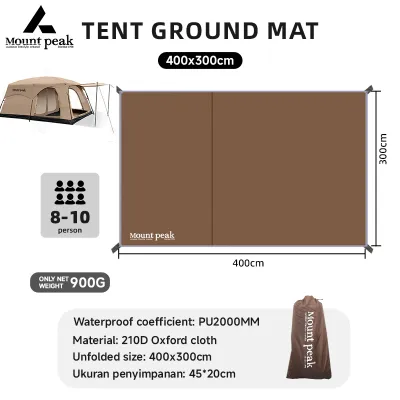
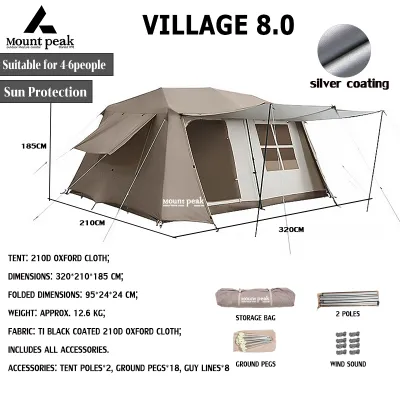
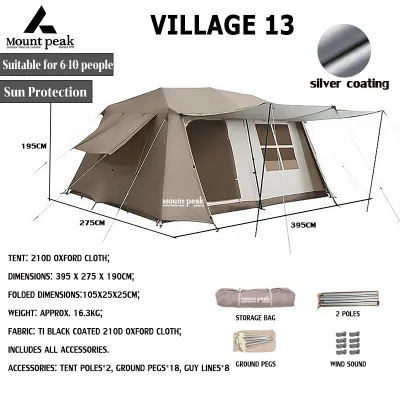
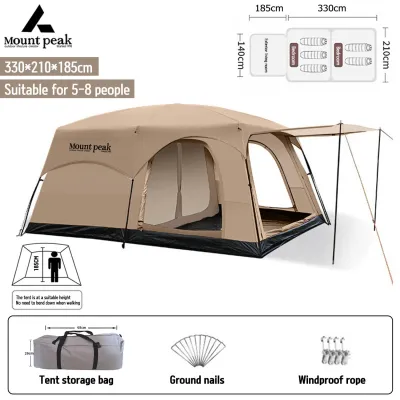
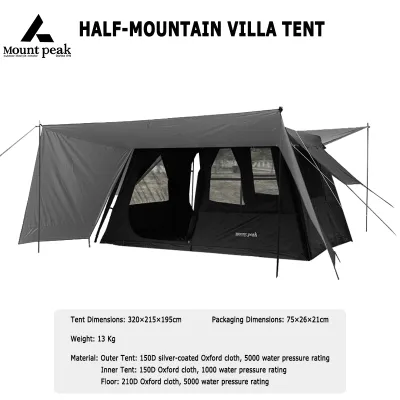
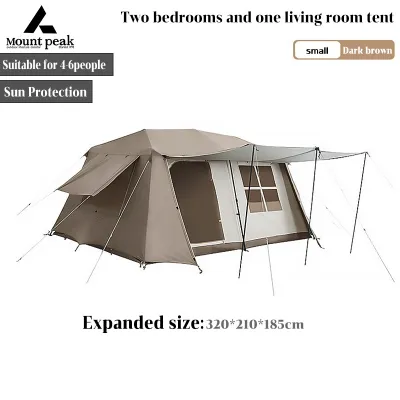
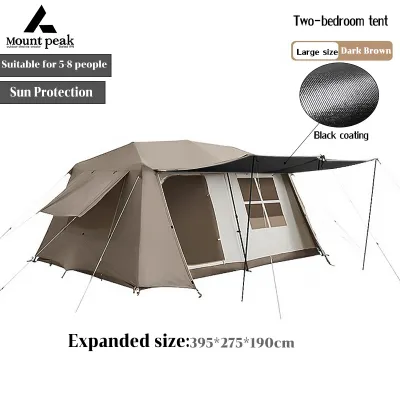
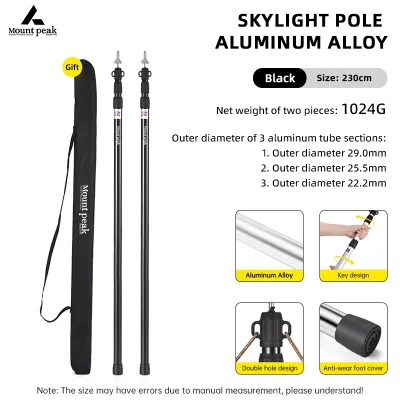
Prices are valid at publication and may change. Please refer to the product page for the latest price.
To help you quickly narrow down your options, consider this general mapping of camping scenarios to tent capacities:
- Solo Backpacking: A 2-person tent is ideal, providing extra space to keep your gear dry and secure inside the tent body.
- Couple's Getaways: A 4-person tent offers a comfortable balance of extra floor space, gear storage, and ease of setup.
- Family Beach or Park Camping: A 6-person or larger family tent is recommended to accommodate sleeping pads, luggage, and active children.
Before making a final decision, always verify specific MountPeak model availability, current specifications, and sizing options on official brand stores or authorized outdoor retailers.
Translating Tent Capacity to Real-World Group Comfort
Manufacturer capacity ratings are based on the maximum number of standard-sized sleeping pads that can fit shoulder-to-shoulder on the tent floor. This rating does not account for luggage, personal space, or the freedom to move around without stepping on your campmates.

2-Person Tents
These models are highly suitable for solo hikers who require extra room for their backpacks, or couples who prioritize a lightweight, compact setup. When evaluating a 2-person model, check the interior peak height and floor dimensions to ensure you can sit up comfortably. If you are taller than average, verify that the length of the tent floor accommodates your sleeping bag without pressing against the tent walls.
4-Person Tents
A 4-person tent is often the sweet spot for couples who want extra room to stretch out, or small families with a single child. These tents frequently feature larger vestibules, which are external covered areas created by the rainfly. Vestibules are excellent for storing muddy boots, wet gear, and backpacks, keeping the main sleeping area clean and dry.
Family Tents (6+ Person)
Designed for larger groups or extended stays, family-sized tents prioritize livability and comfort. Look for models that offer room dividers for privacy, multiple doors to prevent midnight traffic jams, and a high peak height that allows adults to stand upright. These features make a significant difference during rainy days when your group is forced to stay indoors.
When reading MountPeak capacity labels, always adjust for your specific gear. If you plan to use bulky air mattresses or cot beds instead of thin sleeping pads, you will need to size up. In the warm and humid climate of the Philippines, crowding a tent to its maximum rated capacity can severely restrict airflow, leading to an uncomfortable and stuffy night.
Prioritizing Tent Features for Specific Trip Types
Different environments demand different tent features. Prioritizing the right materials and design elements will ensure your tent performs well under the physical demands of your specific trip.
Solo Hiking & Backpacking
For backpacking, every gram counts. Prioritize a low packed weight and a compact folded size that fits easily inside or on the outside of your pack. Look for quick-pitch mechanisms, such as clip-on pole attachments, which allow you to set up shelter rapidly during sudden weather changes. Always verify the pole materials and fabric denier on the product tag; aluminum poles and higher-denier fabrics generally offer better durability in rugged terrain.
Couple Getaways & Car Camping
When car camping, weight is less of a concern, allowing you to focus on comfort and weather resistance. Look for tents with enhanced ventilation systems, such as ground vents and large mesh windows, to manage condensation. A robust waterproof rating and a full-coverage rainfly are essential for handling unpredictable tropical downpours.
Family Beach or Park Camping
Coastal camping presents unique challenges, including intense sun, wind, and fine sand. Focus on tents that offer UV-resistant fabrics and maximum airflow to keep the interior cool during the day. Ensure the tent structure is compatible with sand stakes or anchors, and look for models with fine mesh screens that keep out small insects while letting coastal breezes pass through.
Before purchasing, check the manufacturer’s specified season rating and hydrostatic head. A three-season tent is generally sufficient for tropical climates, provided it offers excellent ventilation and a reliable rainfly to shed heavy rain.
How to Verify MountPeak Specifications Before You Buy
To ensure you get exactly what you need, it is important to independently verify the physical and performance claims of any tent model you are considering. Use this checklist before finalizing your purchase:
- Floor Dimensions and Peak Height: Measure your sleeping pads and compare them to the tent's floor plan. Ensure the peak height allows for your preferred level of movement.
- Hydrostatic Head Rating: Look for the waterproof rating, measured in millimeters (mm). A higher rating indicates greater water resistance, but it must be paired with factory-taped seams to prevent leaks.
- Pole Structure and Materials: Check whether the poles are made of fiberglass or aluminum. Aluminum poles are typically lighter and more resilient in high winds.
- Fabric Denier: Verify the thickness of the floor and rainfly fabrics. A higher denier floor fabric provides better resistance to punctures from rocks and twigs.
If any specific use-case limits or specifications are unclear, consult the user manual or reach out directly to the manufacturer’s customer support for clarification.
Cross-Scenario Compatibility: Can One MountPeak Tent Do It All?
Many campers wonder if they can buy a single tent that handles every adventure. While a versatile mid-size model can bridge some gaps, there are clear trade-offs to consider.
Using a large family tent for backpacking is highly impractical due to its heavy weight and bulky packed size. Conversely, using a lightweight 2-person backpacking tent for a family beach trip will result in a cramped, hot, and uncomfortable experience for everyone involved.
A versatile 3-person or 4-person tent is often the closest thing to an all-rounder. It is light enough to be split between two people for a short hike, yet spacious enough to provide decent comfort during a weekend car camping trip.
However, if your outdoor activities range from multi-day mountain treks to extended family beach holidays, you will eventually hit the limits of a single tent. In such cases, it is best to stop compromising and consider adding a second, purpose-built tent to your gear collection to ensure safety and comfort in both scenarios.
Frequently Asked Questions (FAQ)
How do I know if a MountPeak tent is truly waterproof?
To determine a tent’s waterproof capability, check its hydrostatic head rating on the product specifications. A rating of 1,500mm to 3,000mm is generally suitable for handling moderate to heavy rain. Additionally, inspect the tent for factory-taped seams and a full-coverage rainfly that extends close to the ground. Always refer to the specific product manual for proper care, storage, and re-waterproofing instructions to maintain the tent’s protective coatings over time.
What should I consider when setting up a tent on the beach?
When pitching a tent on sandy shores, standard tent pegs will not hold securely in loose sand. You must use specialized sand anchors, wider sand stakes, or bury your standard stakes deep in wet sand. Position the tent so that the narrowest profile faces the prevailing wind, and ensure all guy lines are securely tensioned. To keep sand out of your sleeping area, use a separate footprint under the tent, utilize the vestibule for shoe storage, and keep the inner mesh doors zipped closed at all times.

Community discussion
Share your experience or ask a question. Comments are reviewed before publication.