
Selecting the ideal muscle roller for your yoga practice depends on your specific style of yoga, your recovery needs, and your body’s sensitivity to pressure. If your routine consists of slow, restorative stretches, a smooth, low-density foam roller provides the gentle support required to relax your nervous system. Conversely, if you regularly practice intense, dynamic flows such as Vinyasa or Ashtanga, a textured grid roller or a vibrating model is better suited to penetrate deep fascial knots and relieve persistent muscle tightness. Integrating a dedicated roller muscle recovery tool into your wellness routine helps bridge the gap between active training and deep, restorative rest.
Quick Guide: Matching Muscle Roller Types to Your Yoga Intensity
To help you quickly identify the best tool for your routine, here is a breakdown of how different muscle rollers align with various yoga intensities and recovery needs:
- Smooth Foam Rollers (Gentle & Restorative Practices): These rollers feature a flat, uniform surface that distributes your body weight evenly across a broad area. They are ideal for beginners, practitioners of Yin or Restorative yoga, and anyone looking for a gentle warm-up or a relaxing way to soothe sensitive muscles without intense pressure.
- Textured and Grid Rollers (Dynamic & Active Flows): Designed with ridges, bumps, or grid patterns, these rollers are built to mimic the targeted pressure of a massage therapist's fingers and palms. They are highly effective for Vinyasa, Ashtanga, and Power yoga practitioners who need to break up deep fascial adhesions and relieve localized muscle knots after strenuous sessions.
- Vibrating Muscle Rollers (Advanced & High-Intensity Recovery): Combining structural pressure with rapid micro-vibrations, these advanced rollers help desensitize pain receptors while increasing local blood circulation. They are best suited for advanced yogis, athletes, or individuals dealing with chronic muscle tightness who require rapid, deep-tissue recovery with minimal discomfort.
Understanding Foam, Textured, and Vibrating Roller Muscle Tools
To make an informed decision, it is essential to understand the mechanical differences between these three primary roller categories and how they interact with your body’s soft tissues. Myofascial release works by applying sustained pressure to the myofascial connective tissue, aiming to eliminate pain and restore motion. Each roller type approaches this process through a distinct physical mechanism.
Products mentioned in this guide

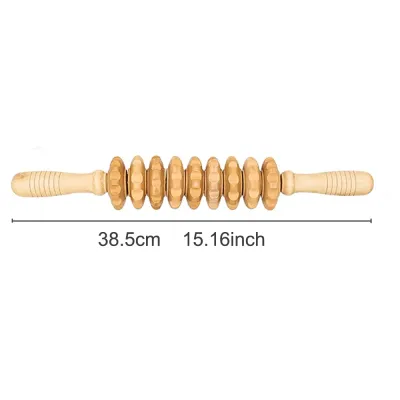
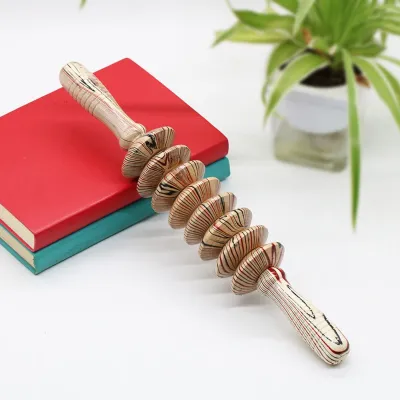
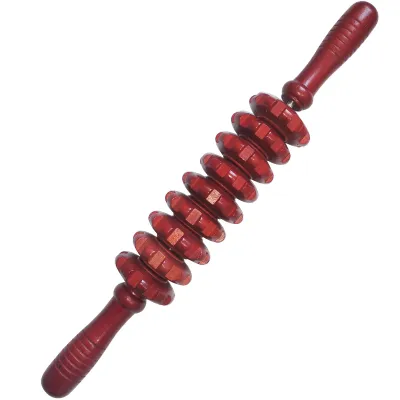
Prices are valid at publication and may change. Please refer to the product page for the latest price.

Smooth Foam Rollers
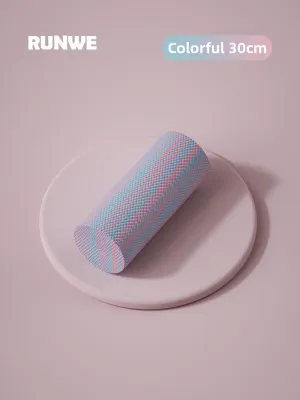
Smooth foam rollers are the traditional standard in myofascial release. Because their surface is completely uniform, they distribute your body weight evenly across the entire contact area, preventing any single point from receiving concentrated pressure. This makes them exceptionally forgiving and easy to control, which is crucial if you are new to rolling or have highly sensitive muscles. They are primarily used to gently compress the superficial fascia, increase local blood flow, and prepare the body for static stretching or a gentle yoga session.
Textured and Grid Rollers
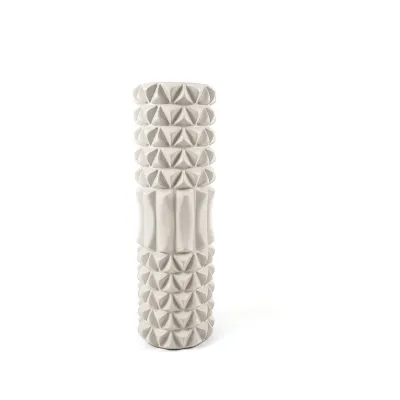
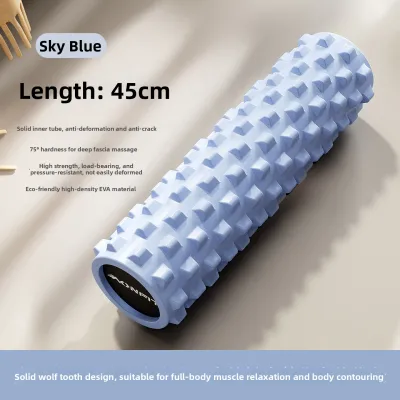
Textured and grid rollers feature engineered surface patterns, including raised ridges, pointed bumps, or recessed channels. When you roll over these surfaces, the raised portions apply concentrated, localized pressure to specific trigger points, while the channels allow blood and oxygen to flow more freely through the compressed tissues. This shifting pressure pattern mimics the manual therapy techniques used by professional massage therapists. It is particularly effective for breaking up stubborn fascial adhesions—often referred to as muscle knots—that develop from repetitive movements or intense physical exertion.
Vibrating Muscle Rollers
Vibrating muscle rollers represent the intersection of mechanical myofascial release and localized vibration therapy. When the roller vibrates against your muscles, it stimulates specialized sensory receptors known as mechanoreceptors. This stimulation helps override the pain signals sent to your brain, a physiological phenomenon known as the gate control theory of pain. As a result, you can tolerate deeper pressure on tight or sore muscles with significantly less discomfort than a standard non-vibrating roller would cause. This technology is highly beneficial for accelerating muscle relaxation and restoring tissue elasticity quickly.
How to Match the Roller to Your Yoga Style and Recovery Goals
Your choice of muscle roller should directly reflect the physical demands of your preferred yoga discipline. Because different styles of yoga place unique stresses on your musculoskeletal system, your recovery tools must be tailored to address those specific patterns of tension.
Gentle, Yin, and Restorative Yoga
In gentle, Yin, or Restorative yoga, the primary objective is to calm the parasympathetic nervous system, gently lengthen the connective tissues, and hold passive poses for extended periods. Because these practices focus on relaxation and deep release, using an aggressive, highly textured, or vibrating roller can actually trigger a defensive muscle contraction, defeating the purpose of your practice.
For these gentle disciplines, a smooth, low-to-medium density foam roller is the ideal companion. It provides a soft, supportive surface that allows you to slowly roll out your back, hamstrings, and calves without overstimulating your nervous system. This gentle compression helps to gradually hydrate the fascia and ease the body into a state of deep relaxation, making it easier to sink into your restorative poses.
Vinyasa, Ashtanga, and Power Yoga
Dynamic, strength-based styles like Vinyasa, Ashtanga, and Power yoga demand significant muscular endurance, balance, and explosive power. The continuous transitions, deep lunges, and weight-bearing arm balances place high stress on your muscle fibers, leading to microscopic tears and dense fascial tension over time.
To effectively recover from these high-intensity practices, you need a high-density textured or vibrating roller. These tools are firm enough to penetrate the deeper layers of muscle tissue, helping to break up the dense adhesions that accumulate in the glutes, hamstrings, calves, and upper back. Using a firm, textured surface helps restore tissue pliability, reduces post-yoga muscle soreness, and ensures that your joints maintain the full range of motion required for advanced poses.
Key Features to Check Before Buying a Yoga Muscle Roller
Before purchasing a muscle roller to add to your yoga accessory kit, you should evaluate several key specifications to ensure the product matches your physical needs and environmental conditions.
- Density and Firmness: The density of a roller determines how much it will compress under your body weight. To test a roller's firmness, press your thumb firmly into the surface; a low-density roller will compress easily, while a high-density roller will remain rigid. If you are a beginner or have a low pain tolerance, start with a softer, medium-density roller to avoid bruising. Advanced practitioners with dense muscle mass will likely require a high-density roller to achieve effective myofascial release.
- Size and Portability: Muscle rollers generally come in two standard sizes: full-length (typically 36 inches) and travel-sized (ranging from 12 to 18 inches). A 36-inch roller is ideal for home use, particularly for back and spine alignment exercises, as it allows you to lie along the entire length of the roller to open up your chest and shoulders. However, if you regularly travel to a local yoga studio, a compact 12-to-18-inch roller is much more practical. These smaller rollers easily fit into a standard studio bag and are highly efficient for targeting specific limbs, such as your calves, quads, and IT bands.
- Material and Climate Care: In the tropical and highly humid climate of the Philippines, selecting the right material is critical for hygiene and product longevity. Sweat-soaked yoga sessions can quickly turn porous rollers into breeding grounds for bacteria, mold, and mildew. When shopping, check the manufacturer's product specifications and labels to ensure the roller is made from closed-cell foam, such as high-density EVA (Ethylene-Vinyl Acetate) or EPP (Expanded Polypropylene). Closed-cell foams do not absorb moisture, making them water-resistant and much easier to sanitize. Always verify the manufacturer's care instructions to prevent material degradation, cracking, or slipping during use.
Recommended Muscle Roller Setups for Your Practice Level
To maximize the benefits of myofascial release, it is often more effective to look at your recovery gear as a cohesive system rather than relying on a single tool. Here are two recommended setups tailored to different experience levels and goals.
The Beginner's Restorative Setup
If you are new to yoga or prefer gentle, restorative practices, your focus should be on comfort, stability, and accessibility. A highly effective foundational kit includes a standard 36-inch smooth, low-density foam roller paired with a high-quality cork or firm foam yoga block.
The 36-inch smooth roller allows you to perform gentle, full-body rolling exercises, helping you become accustomed to the sensation of myofascial release. The yoga block provides essential structural support, helping you maintain proper alignment and balance during your poses or when elevating your hips. While this setup is exceptionally comfortable and budget-friendly (typically costing under ₱1,500 total in local sports shops), it does have limitations. The smooth surface and low density mean this setup will not be able to effectively reach or release deep, localized trigger points in dense muscle groups like the glutes or deep hip rotators.
The Advanced Yogi's Deep Recovery Setup
For advanced practitioners who engage in daily, high-intensity flows and require targeted, aggressive recovery, a more specialized setup is necessary. This advanced kit features a 12-to-18-inch high-density textured grid roller or a vibrating muscle roller, paired with a firm massage ball (or lacrosse ball).
The textured grid roller or vibrating roller is used to target large muscle groups like the quads, hamstrings, and calves, breaking up deep-seated tension from demanding standing sequences. The smaller massage ball is the perfect tool for pinpointing highly localized trigger points in hard-to-reach areas, such as the arches of your feet (plantar fascia), the glutes, and the space between your shoulder blades. Despite its high effectiveness, this setup has clear trade-offs. It requires a higher financial investment, with vibrating rollers often priced between ₱3,000 and ₱6,000+ at local retailers. Additionally, vibrating models require regular battery maintenance, and the high-density materials present a steeper learning curve, requiring careful pressure management to avoid tissue bruising.
Safe Rolling Boundaries and Gear Maintenance
While muscle rolling is generally a safe and highly beneficial self-care practice, using your equipment incorrectly can lead to tissue damage or joint strain. Equipment cannot replace professional medical training or anatomical judgment, so it is vital to understand your physical limits.
- Safety Boundaries: Always avoid rolling directly over bony prominences, joints (such as your knees, elbows, and ankles), the neck (cervical spine), and the lower back (lumbar spine). The lower back lacks the protective structure of the ribcage, and rolling over this area can cause your spinal muscles to spasm or put excessive pressure on your kidneys. Additionally, never roll over areas experiencing sharp, shooting, or radiating pain, as this can indicate nerve compression or acute injury. If you experience persistent discomfort, stop using the roller immediately and consult a qualified healthcare professional or physical therapist. Always check the manufacturer's safety guidelines before starting a new recovery routine.
- Gear Maintenance: To protect your investment and maintain hygiene in a humid environment, proper maintenance is essential. After every sweaty yoga or rolling session, wipe down the surface of your roller with a soft, damp cloth and a mild, non-abrasive soap. Avoid using harsh chemical cleaners or submerging electronic vibrating rollers in water. Once cleaned, allow the roller to air dry completely in a well-ventilated, shaded area before storing it inside a closed gym bag or closet. Keeping the roller out of direct, intense tropical sunlight will prevent the foam from drying out, cracking, and degrading over time.
Frequently Asked Questions (FAQ)
Can I use a muscle roller before my yoga session?
Yes, you can use a muscle roller before your yoga session, but your approach should be brief and gentle. Light, brisk rolling for about 5 to 10 minutes helps stimulate blood circulation, warm up the muscles, and increase joint mobility. However, you must avoid deep, prolonged rolling before a practice. Over-rolling can relax your muscles and nervous system too much, temporarily reducing muscle activation and compromising the joint stability needed to safely hold strength-based yoga poses.
How often should I use a textured or vibrating roller?
For high-density textured or vibrating rollers, it is best to limit your deep-tissue recovery sessions to 3 to 4 times a week per specific muscle group. Your muscle fibers and fascial tissues require adequate time to rest, rehydrate, and repair after intense myofascial release. Daily, aggressive rolling on the same sore spot can lead to localized inflammation, bruising, and increased muscle guarding, which ultimately delays your recovery and hinders your flexibility on the yoga mat.

Community discussion
Share your experience or ask a question. Comments are reviewed before publication.