
Selecting the perfect NatureHike ground sheet—also known as a tent footprint—comes down to matching your specific tent model’s dimensions, your camping environment, and your transport method. Whether you are backpacking through the humid trails of the Sierra Madre or car camping along the beaches of Zambales, the right ground sheet serves as a critical shield between your tent’s delicate floor and the rugged earth. To make the correct purchase, you must align the sheet’s dimensions with your tent’s exact footprint and choose a material that balances weight against durability.
Why Your NatureHike Tent Needs a Dedicated Ground Sheet
A dedicated ground sheet is one of the most practical investments you can make to protect your shelter. While NatureHike tents are engineered with built-in waterproof floors, these integrated fabrics are constantly subjected to friction, sharp debris, and ground moisture. Over time, pitching your tent directly on rough gravel, volcanic sand, or root-filled soil will wear down the floor’s polyurethane (PU) water-resistant coating. Once this protective layer is compromised, moisture can easily seep into your sleeping area.
A ground sheet acts as a sacrificial barrier, absorbing the friction and punctures that would otherwise damage your tent. It is far more affordable and convenient to replace a worn-out footprint than to purchase an entirely new tent or attempt complex floor repairs. Additionally, using a ground sheet keeps the bottom of your tent clean. Instead of packing away a muddy, wet tent floor after a rainy night in a tropical campsite, you only have to manage a dirty ground sheet, keeping your main shelter dry and clean inside your pack.
Products mentioned in this guide
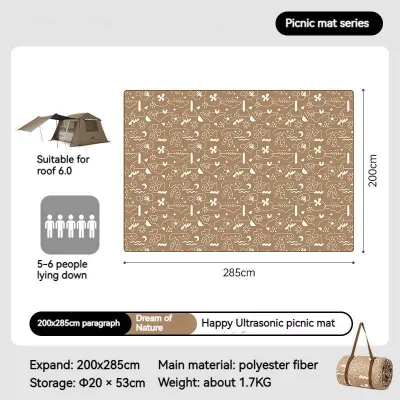
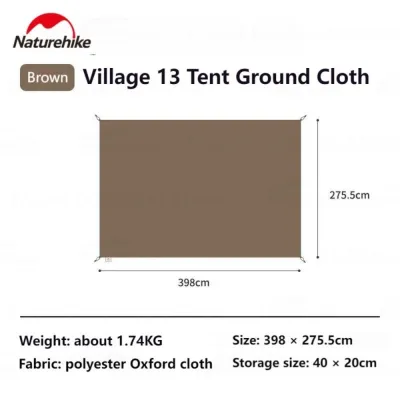
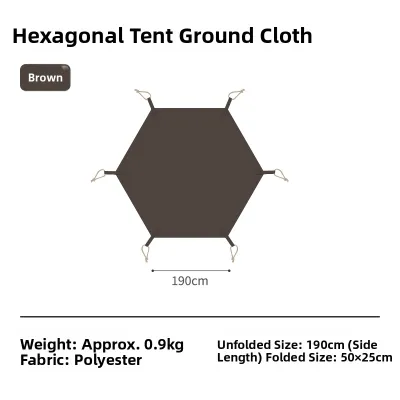
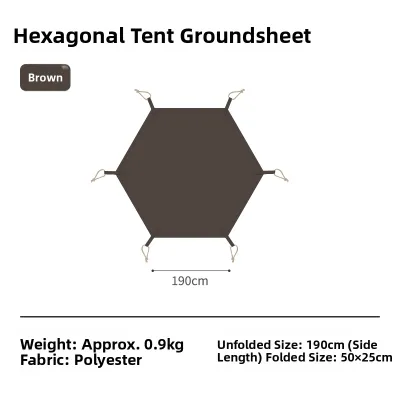
Prices are valid at publication and may change. Please refer to the product page for the latest price.
Furthermore, a ground sheet provides an essential secondary moisture barrier. In high-humidity environments typical of tropical regions, the ground constantly releases moisture vapor. A high-quality footprint significantly reduces this vapor transmission, helping to manage condensation inside your tent and keeping your sleeping gear dry.
How to Match the Ground Sheet Size to Your Specific Tent
When selecting a NatureHike ground sheet, the most critical rule to remember is that the footprint must be slightly smaller than the actual floor dimensions of your tent. If your ground sheet extends beyond the edges of your tent’s rainfly, it will capture rainwater during a downpour. This collected water will pool directly underneath your tent floor, creating a swamp-like effect that eventually forces moisture through your tent’s seams and fabric.

To avoid this issue, you must verify your exact tent model, capacity, and version before purchasing. NatureHike produces several popular tent lines, including the Cloud Up, Mongar, Star River, and Opalus series. Each of these lines has distinct floor shapes and dimensions that vary significantly between one-person (1P), two-person (2P), and three-person (3P) capacities. For example, a Cloud Up 2 fabric footprint is designed with a tapered shape to match the tent’s aerodynamic profile, whereas a Mongar 2 footprint features a symmetrical rectangular shape to accommodate its dual-vestibule design.
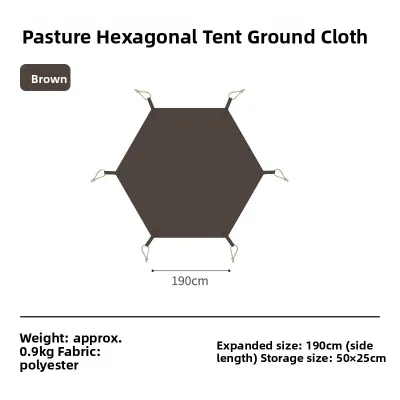
Before finalizing your purchase, check the manufacturer’s specified floor dimensions for your tent model. If you are using an older model version, measure the floor width and length yourself. Ideally, the ground sheet should be roughly 2 to 5 centimeters smaller than the tent floor on all sides. Many official NatureHike ground sheets are pre-cut and sized specifically for their corresponding tent models, complete with tailored webbing and grommets that align perfectly with the tent’s pole tips. If your specific tent model does not have a dedicated matching footprint available, you can select a universal NatureHike rectangular ground sheet, provided you verify that its dimensions are slightly smaller than your tent’s floor plan or can be folded underneath to prevent water collection.
Choosing the Right Material for Your Camping Style and Climate
NatureHike offers ground sheets in a variety of materials, each tailored to specific camping styles, weight limits, and weather conditions. Choosing the right material requires balancing the trade-offs between durability, packed size, and weight.
Heavy-Duty Oxford Cloth for Durability and Car Camping
If your outdoor adventures primarily involve car camping, family trips, or base camps where pack weight is not a concern, a heavy-duty Oxford cloth ground sheet is the ideal choice. Typically constructed from 150D or 300D (Denier) polyester Oxford fabric, these ground sheets offer exceptional puncture resistance and durability. They are highly capable of handling rough, unprepared ground, such as sharp gravel, thick roots, and rocky riverbeds common in mountainous campsites.
The primary trade-off with Oxford cloth is its weight and bulk. These sheets are noticeably heavier and take up more space in a backpack, making them less suitable for long-distance trekking. However, for campers who prioritize maximum protection, longevity, and a highly stable barrier underfoot, the ruggedness of Oxford cloth is unmatched. It provides peace of mind when pitching on challenging terrain, ensuring that sharp objects will not penetrate your tent floor.
Lightweight Polyester and Nylon for Backpacking
For hikers, trekkers, and ultralight backpackers navigating multi-day trails, keeping pack weight and volume to a minimum is essential. In these scenarios, lightweight polyester (such as 210T) or ripstop nylon ground sheets are the superior option. These materials are incredibly thin, highly packable, and add minimal weight to your gear setup, often folding down to the size of a small pouch.
While these lightweight fabrics provide excellent protection against dirt, mud, and light moisture, they possess lower puncture resistance than heavy-duty Oxford cloth. When using a lightweight nylon or polyester footprint, diligent site preparation is required. Before pitching your tent, you must carefully clear the ground of sharp sticks, jagged rocks, and thorny debris. This extra care ensures that your lightweight footprint remains free of tears while still providing the necessary barrier to keep your tent floor clean and dry.
Silver-Coated and Reflective Options for Tropical Climates
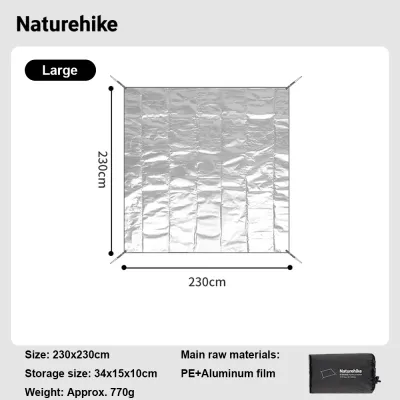
In hot, humid, and tropical climates, managing heat and ground moisture is a constant challenge. NatureHike offers ground sheets featuring silver-coated or reflective backings. These specialized coatings are designed to provide an enhanced moisture barrier, preventing dampness from rising through the soil and into your sleeping space. Additionally, they can help reflect a portion of the ground’s ambient heat, keeping the tent floor slightly cooler during warm-weather camps.
It is important to note, however, that a reflective ground sheet is not a substitute for proper tent ventilation. While the coating assists with ground moisture control, primary temperature regulation and condensation management still depend heavily on your tent’s mesh inner walls, rainfly placement, and cross-ventilation. When using a silver-coated sheet, always ensure the coated side is facing the correct direction as specified by the manufacturer—typically facing upward toward the tent floor to maximize its protective benefits.
Quick Comparison: Ground Sheet Materials and Use Cases
To help you quickly identify the best option for your upcoming trips, the table below summarizes the key characteristics of common NatureHike ground sheet materials.
| Material Type | Best Use Case | Weight & Packability | Durability Level | Key Benefit |
|---|---|---|---|---|
| 150D/300D Oxford Cloth | Car Camping, Family Camps, Rough Terrain | Heavy & Bulky | Very High | Maximum puncture and abrasion resistance |
| 210T Polyester | General Camping, Short Backpacking Trips | Moderate & Compact | Moderate | Balanced weight, durability, and affordability |
| 20D/70D Ripstop Nylon | Ultralight Backpacking, Multi-day Treks | Extremely Light & Tiny | Moderate-Low | Minimum pack weight; requires site clearing |
| Silver-Coated Polyester | Humid/Tropical Camping, Wet Ground | Moderate & Compact | Moderate | Enhanced moisture barrier and ground heat reflection |
When using this comparison, always cross-reference the material characteristics with the specific environmental conditions of your destination. For instance, if you are planning a trek up Mt. Pulag where temperatures drop but the terrain can be damp and rocky, a balanced 210T polyester or a carefully managed lightweight nylon sheet provides the ideal compromise between pack weight and protection. For seaside camping in places like Nagsasa Cove, where sand can get everywhere and weight is less critical if arriving by boat, a durable Oxford cloth sheet will keep the sand and dampness firmly away from your tent floor.
Setup, Care, and Maintenance for Humid Climates
Proper setup and post-trip maintenance are crucial for extending the lifespan of both your ground sheet and your tent, especially when camping in humid tropical climates. During setup, always lay the ground sheet flat and ensure that all edges, corners, and webbing loops are tucked completely underneath the tent’s rainfly. If even a small portion of the footprint sticks out, it will act as a funnel for rainwater, directing wetness straight under your sleeping area.
After your camping trip, do not leave your ground sheet packed away wet or dirty. The high humidity in tropical regions creates an ideal breeding ground for mold, mildew, and unpleasant odors, which can permanently damage the fabric’s waterproof coatings. As soon as you return home, rinse off any mud, sand, or organic debris with clean water. Avoid using harsh chemical detergents or machine washing, as these can strip away the water-resistant coatings; instead, use a soft sponge and mild soap if necessary.
Once clean, hang the ground sheet in a well-ventilated, shaded outdoor area to air-dry completely. Never store the sheet while it is still damp. Ensure it is bone-dry to the touch on both sides before folding it loosely and storing it in a cool, dry place away from direct sunlight. Regularly inspect your ground sheet for tiny punctures or abrasions, and patch any small holes with specialized gear repair tape to maintain its protective integrity.
Frequently Asked Questions (FAQ)
Can I use a generic tarp instead of an official NatureHike ground sheet?
Yes, you can use a generic blue-and-orange tarp or a heavy-duty builder’s plastic sheet, but these alternatives come with practical drawbacks. Generic tarps are often thick, heavy, and difficult to pack down. Because they do not match the specific dimensions of your NatureHike tent, you will need to spend extra time carefully folding the excess material underneath the tent floor to prevent rainwater from pooling. Official NatureHike ground sheets are pre-cut to match your tent’s exact shape and feature integrated corner grommets or buckles, allowing for a faster, more secure, and perfectly sized setup.
Does a ground sheet make my tent completely waterproof from the bottom?
A ground sheet acts as a highly effective secondary moisture barrier, but it does not make a damaged or degraded tent floor completely waterproof. If your tent floor’s original PU coating has worn out, cracked, or peeled, water can still find its way through under the pressure of your body weight. Always inspect your tent floor’s condition and hydrostatic head rating regularly. If you notice leaks even when using a ground sheet, it may be time to clean and reapply a waterproofing treatment to the tent floor itself or consult the manufacturer’s care guidelines.
How do I attach the ground sheet to my NatureHike tent?
Most official NatureHike ground sheets feature metal grommets, buckles, or elastic loops at the corners that align perfectly with your tent’s frame. To attach it, lay the ground sheet down first, position your tent on top, and insert the tips of your tent poles through both the ground sheet’s grommets and the tent’s corner webbing eyelets before tensioning the poles. This locks the footprint securely in place, preventing it from shifting in high winds. Always check the specific instructions included with your tent model, as attachment systems can vary slightly between dome, tunnel, and pyramid designs.

Community discussion
Share your experience or ask a question. Comments are reviewed before publication.