
Choosing the right football is one of the most critical decisions a player can make, yet many simply pick a ball based on its color or price. If you are looking to buy a Nike football, understanding how your playing surface interacts with the ball is the key to ensuring optimal performance, maintaining a consistent touch, and getting the most value out of your purchase. A ball designed for lush, natural grass will behave completely differently on a hard concrete court or a synthetic turf field. Using the wrong type of ball on an incompatible surface can ruin the ball within a few matches, waste your money, and hinder your skill development.
In tropical environments like the Philippines, where playing conditions can shift rapidly from dry, dusty heat to sudden torrential downpours, selecting the correct ball construction becomes even more vital. Natural grass pitches can quickly turn into muddy bogs, synthetic turf fields can trap intense heat, and local concrete barangay courts can act like sandpaper on delicate materials. By matching the specific design features of a Nike football—such as its outer casing material, seam construction, and bladder type—to your primary playing environment, you can ensure a true bounce, accurate flight, and long-lasting durability.
Understanding How Playing Surfaces Affect Ball Performance
To make an informed purchase, you must first understand the physical forces at play when a football contacts different surfaces. Friction, abrasion, hardness, and moisture levels vary dramatically across natural grass, synthetic turf, and concrete. Each of these factors places unique demands on a ball’s outer cover, internal stitching, and bladder construction.
Products mentioned in this guide
![[SALE] Size 4 & 5 Ball Football Soccer Game Ball Outdoor Football World Cup Football Soccer Ball](https://img.lazcdn.com/g/p/32643ec9e1f3b539f05e352495f6555b.jpg_400x400q80.jpg_.webp)
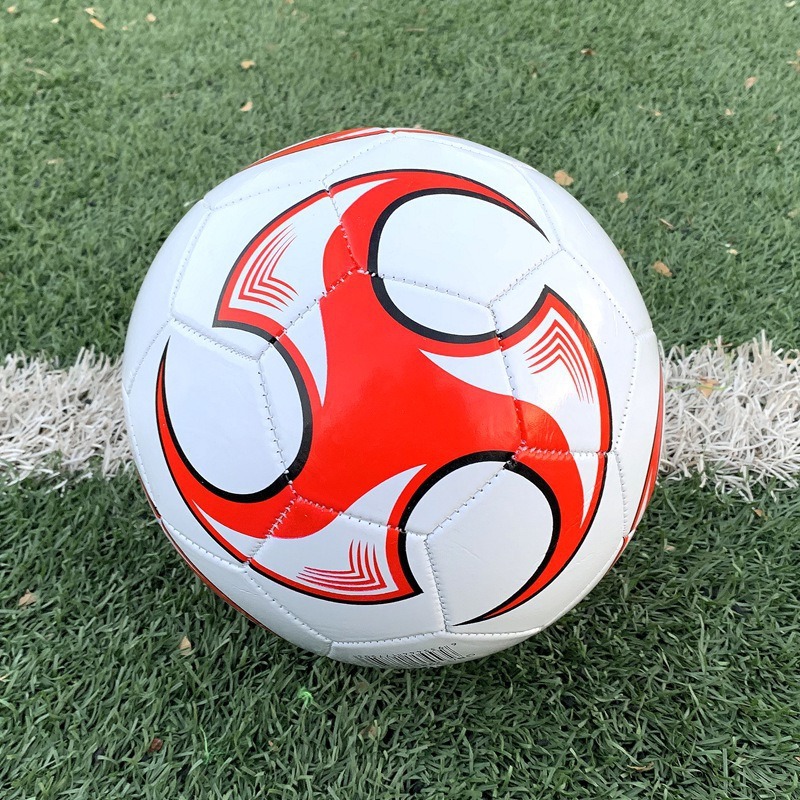
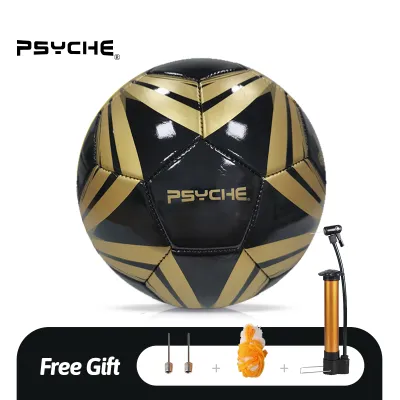
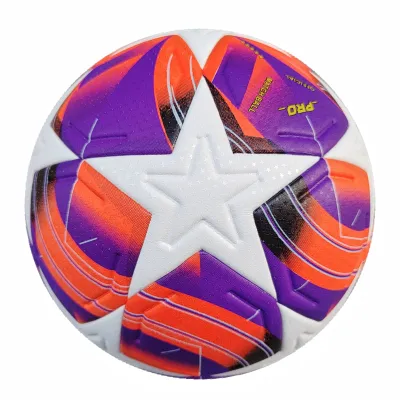
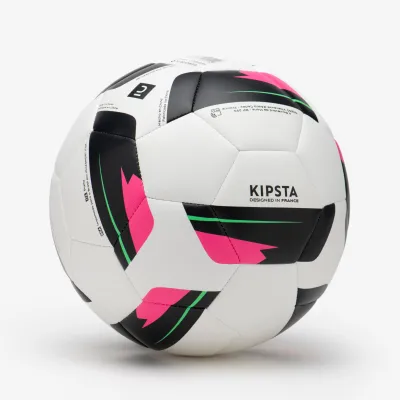
Prices are valid at publication and may change. Please refer to the product page for the latest price.
Natural grass is a soft, forgiving surface that absorbs a significant amount of impact energy. Because grass blades slide against each other, friction is relatively low, allowing the ball to glide smoothly. However, natural grass introduces the challenge of moisture. Soil and grass retain water, which can seep into a ball’s seams, increasing its weight and altering its flight dynamics. Therefore, a ball designed for natural grass must prioritize water resistance and aerodynamic stability over extreme abrasion resistance.
Synthetic turf presents a highly abrasive environment. Modern artificial pitches consist of synthetic plastic fibers supported by a base of black rubber infill. This combination creates high friction and generates significant heat during play, especially under the hot tropical sun. The constant scraping against plastic fibers and rubber granules can quickly wear down soft outer casings, causing them to scuff, peel, or lose their grip. Furthermore, synthetic turf is harder than natural grass, which causes the ball to bounce higher and skid faster across the surface.
Concrete and indoor hard courts represent the most extreme playing environments. Concrete does not compress or absorb impact, meaning all the energy of a kick or bounce is reflected back into the ball. A standard outdoor ball used on concrete will bounce uncontrollably high, making close control and quick passing incredibly difficult. Additionally, concrete is highly abrasive. A single slide or scrape against a concrete surface can tear open stitched seams and shred thin outer covers. To survive this environment, a ball must feature a specialized low-bounce bladder and a heavy-duty, wear-resistant outer shell.
The internal components of the ball also play a crucial role in how it handles these surfaces. Latex bladders offer the most responsive feel and bounce, but they are porous and lose air pressure quickly. Butyl bladders retain air much longer and are highly durable, making them excellent for training balls. For hard courts, specialized bladders stuffed with synthetic fibers or foam are used to dampen the bounce, keeping the ball low and controllable.
Selecting a Nike Football for Natural Grass
When selecting a Nike football for natural grass pitches, your primary goals are aerodynamic consistency, precise touch, and moisture control. Natural grass allows you to play the game in its purest form, but it also requires a ball that can maintain its shape and weight even when the pitch is damp or muddy.

One of the most reliable ways to verify the quality of a natural grass ball is to look for official certifications. Nike produces several balls that carry the FIFA Quality or FIFA Quality Pro designations. These labels indicate that the ball has undergone rigorous laboratory testing to verify its weight, circumference, roundness, bounce, water absorption, loss of pressure, and shape retention. If you are playing in competitive leagues or want a professional-grade experience on grass, prioritizing a ball with these certifications ensures you are getting a product designed to perform under strict regulatory standards.
Aerodynamics play a massive role in how a ball travels through the air on large outdoor pitches. Nike addresses this by incorporating specialized groove technologies into many of their mid-to-high-tier balls. These molded grooves are designed to disrupt the airflow around the ball as it flies. This disruption prevents the ball from wobbling or veering unpredictably in mid-air, allowing for more accurate long passes, crosses, and shots. When shopping, inspect the outer casing for these physical grooves rather than relying solely on printed graphics.
Seam construction is another critical factor for natural grass play, particularly in humid or rainy climates. Traditional stitched balls have tiny gaps along the seams where water can enter. During a rainy match or on a wet morning pitch, a stitched ball can absorb water, making it heavy, waterlogged, and potentially damaging to your joints when kicked. To prevent this, look for Nike balls that feature thermal-bonded seams. Thermal bonding fuses the panels together using heat and pressure, creating a seamless, watertight barrier that keeps the ball light and dry throughout the match.
Selecting a Nike Football for Artificial Turf
Artificial turf fields have become the standard for many urban sports complexes and school pitches. While they offer a level playing surface year-round, they are incredibly tough on footballs. Selecting a Nike ball for artificial turf requires a shift in focus from pure aerodynamic performance to rugged durability and scuff resistance.
The outer cover of the ball is your first line of defense against the abrasive nature of synthetic turf. For turf play, you should look for balls constructed with a thick, high-quality polyurethane (PU) or reinforced rubber outer casing. PU is a synthetic material that offers a soft, leather-like touch while providing excellent resistance to scuffs and tears. Many turf-friendly Nike balls also feature a textured outer surface, which helps maintain grip and control when the plastic turf blades become slick from rain or dew.
A common mistake among players is purchasing a premium, top-tier match ball designed for natural grass and using it exclusively on artificial turf. High-end match balls are engineered for maximum responsiveness on soft grass, often utilizing ultra-soft outer casings and specialized coatings to optimize touch. When subjected to the intense friction and heat of synthetic turf, these delicate materials degrade rapidly. The outer texture can wear away in just a few sessions, and the heat generated by the turf can weaken the adhesives holding the panels together. To protect your investment, save the premium match balls for natural grass and opt for dedicated training or turf-rated models.
Nike’s training-grade balls are often highly suitable for artificial turf. These models are specifically engineered to balance durability with performance. They typically feature reinforced butyl bladders for excellent air retention and thicker, more resilient outer casings that can withstand the constant friction of synthetic fibers and rubber infill. By choosing a robust training-grade ball, you ensure that your equipment can handle the daily grind of turf play without sacrificing a consistent feel.
Selecting a Nike Football for Concrete and Indoor Futsal Courts
Playing football on concrete courts—a very common scenario in local neighborhoods and barangay multi-purpose halls—requires a complete departure from standard outdoor equipment. The combination of an unforgivingly hard surface and high friction means that using a standard outdoor ball is not only impractical but also highly damaging to the ball itself.
The most important step when buying a ball for concrete or indoor hard courts is to verify that it is explicitly categorized as a futsal or indoor ball. Futsal is a distinct variation of the game played on smaller, hard-surface courts, and it requires a specialized ball. The defining characteristic of a Nike futsal ball is its low-bounce bladder. Unlike outdoor balls that bounce high to clear grass blades, a futsal ball’s bladder is filled with synthetic fibers or foam. This internal stuffing dampens the rebound, ensuring that when the ball hits the concrete, it drops quickly and stays close to the ground. This low-bounce property is essential for the fast-paced, short-passing, and high-control style of play required on hard courts.
In addition to a low-bounce bladder, a concrete-ready ball must possess extreme abrasion resistance. Concrete acts like sandpaper, grinding away at any material that slides across it. Nike’s futsal and street-specific balls are constructed with heavy-duty, abrasion-resistant outer covers. These covers are often thicker and made from tougher synthetic compounds than those found on outdoor balls. The seams are also heavily reinforced, often featuring deep stitching or specialized bonding to prevent them from splitting when scraped against the rough ground.
Finally, you must pay attention to the size and weight specifications. Standard outdoor footballs are typically Size 5, but official futsal balls are Size 4. Despite being smaller in circumference, a futsal ball is heavier than a standard outdoor ball of the same size. This added weight, combined with the low-bounce bladder, helps keep the ball on the court surface, preventing it from flying over fences or into spectators during fast-paced play. Always check the product specifications to confirm you are purchasing a dedicated Size 4 futsal ball for your hard-court matches.
Matching Nike Ball Categories to Your Surface
To help you quickly identify the right type of Nike football for your primary playing environment, use the following summary table to guide your purchase decision.
| Playing Surface | Recommended Category | Key Feature to Verify | What to Avoid |
|---|---|---|---|
| Natural Grass | Match or Premium Training (Size 5) | Thermal-bonded seams, aerodynamic grooves, FIFA certification | Unbonded stitched seams in wet conditions |
| Artificial Turf | Durable Training / Academy (Size 5) | Thick PU casing, textured outer cover, reinforced bladder | Ultra-soft premium grass match balls |
| Concrete / Indoor | Dedicated Futsal / Street (Size 4) | Low-bounce stuffed bladder, heavy-duty abrasion-resistant cover | Standard high-bounce outdoor balls |
Essential Checks Before Purchasing Your Football
Once you have determined the correct category of Nike football for your playing surface, there are several essential checks you should perform before finalizing your purchase, whether you are shopping at a local sports store or browsing an online marketplace.
First, confirm the correct ball size based on the age of the players and the regulations of your league. While Size 5 is the standard for players aged 12 and older, younger players require smaller sizes to develop proper technique without straining their muscles or joints. Size 4 is typically used for players aged 8 to 12, as well as for all futsal matches regardless of age. Size 3 is designed for children under 8 years old. Ensuring you have the correct size is fundamental to safe and effective skill development.
Second, pay close attention to inflation and valve maintenance. Every Nike football has a recommended inflation pressure printed directly on the casing, usually near the valve. This pressure is typically measured in PSI (pounds per square inch) or Bar. Over-inflating a ball can stretch the seams, warp its shape, and make it dangerously hard to kick, increasing the risk of foot or ankle injuries. Under-inflating ruins the ball’s aerodynamics and bounce. Always use a reliable pressure gauge and a standard pump needle. Crucially, always moisten the needle with water or valve oil before inserting it into the valve; inserting a dry needle can damage the rubber valve core, leading to slow, frustrating air leaks.
Finally, always review the retailer’s return and warranty policies. Even high-quality balls from reputable brands can occasionally suffer from manufacturing defects, such as slow air leaks, uneven stitching, or panels that begin to peel prematurely. When purchasing from online marketplaces, choose authorized distributors or highly rated sellers, and inspect the ball thoroughly as soon as it arrives. Inflate the ball to the recommended pressure and let it sit for 24 hours to ensure it holds air perfectly before taking it out to the pitch.
Frequently Asked Questions (FAQ)
Can I use a standard outdoor football on a concrete court?
Using a standard outdoor football on a concrete court is highly discouraged. Standard outdoor balls are designed with high-bounce bladders and relatively soft outer casings optimized for grass or turf. When used on concrete, the ball will bounce unpredictably high, making close control difficult. More importantly, the abrasive concrete surface will rapidly grind down the outer cover, causing the panels to peel, the stitching to fray, and the bladder to puncture. To protect your gear and enjoy a proper game, always use a dedicated low-bounce futsal ball on concrete.
How do I clean a football after playing on muddy grass or dusty turf?
Proper cleaning is essential to maintain your football’s outer texture and prolong its lifespan, especially after playing in muddy or dusty tropical conditions. Start by wiping away loose dirt and mud with a soft, damp cloth. For stubborn grime, use a mild soap mixed with lukewarm water; avoid harsh chemical detergents, solvents, or abrasive brushes, as these can strip away the ball’s protective outer coatings and damage thermal-bonded seams. Never submerge the ball in water or use a high-pressure hose, as water can seep into the valve or seams. Once clean, dry the ball thoroughly with a towel and let it air dry in a cool, shaded area away from direct sunlight or heat sources.
Does the color of the football affect visibility on different surfaces?
Yes, the color and pattern of your football significantly impact how well you and your teammates can track it during play. Traditional white balls with multi-colored patterns are optimized for natural green grass, providing excellent contrast under daylight or stadium floodlights. However, on dark synthetic turf or grey concrete courts, high-visibility colors like bright yellow, orange, or neon green are highly recommended. These vibrant colors help players track the ball’s spin and trajectory more easily, especially during evening matches or in low-light conditions common during the rainy season.

Community discussion
Share your experience or ask a question. Comments are reviewed before publication.