
Penn fishing reels do not use a single, universal handle interface. Compatibility with a rocker handle—often referred to as a power handle or customized round-knob handle—depends entirely on the specific reel type, the drive shaft design, and the physical dimensions of the main gear shaft. To determine if a penn rocker handle fits your reel, you must match the interface shape and shaft measurements of your specific model rather than assuming a universal fit across the brand.
In tropical fishing environments like the Philippines, where anglers frequently target hard-fighting species like giant trevally (talakitok) in high-salinity coastal waters, upgrading to a robust rocker handle can significantly improve leverage and comfort. However, attempting to force an incompatible handle onto a reel can strip threads or damage internal gears. Understanding the physical specifications of your gear is the most reliable way to ensure a successful upgrade.
Understanding Rocker Handle Interface Specifications
To determine if a rocker handle will securely attach to your reel, you must first identify the physical dimensions and interface types of the drive gear. Penn reels utilize several distinct handle attachment designs across their product lines. Spinning reels and conventional reels handle power transfer differently, meaning their interface points are rarely interchangeable.
Products mentioned in this guide
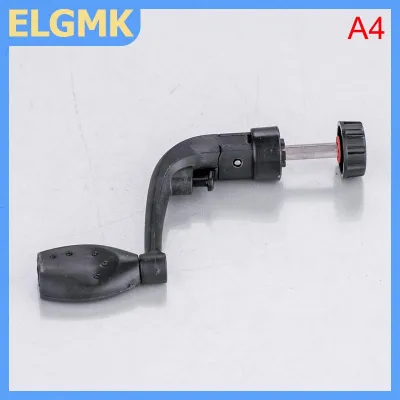
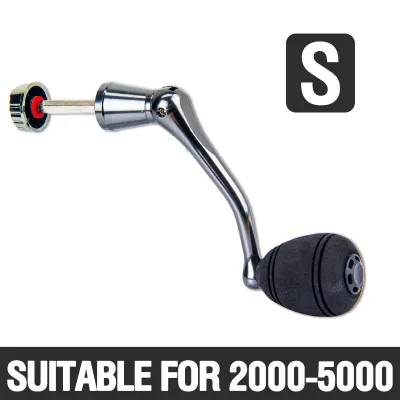
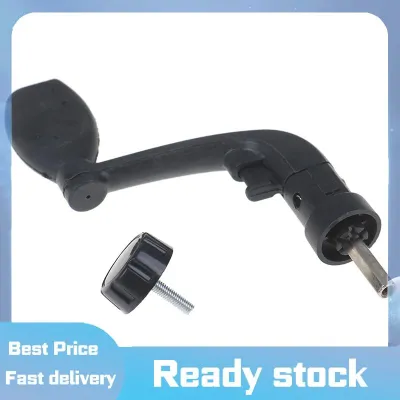
Prices are valid at publication and may change. Please refer to the product page for the latest price.
For spinning reels, the connection typically falls into one of two categories: a direct screw-in system or a through-shaft system. Direct screw-in handles feature male threads on the handle shaft that screw directly into the female threads of the main gear. Through-shaft handles, common on entry-level or older models, use a hexagonal or square bar that slides completely through the reel body and is secured by a cap screw on the opposite side.
Conventional and trolling reels use a completely different mounting style. These models generally feature a thick, fixed drive shaft extending from the gear sideplate. The handle arm has a matching hole—often rectangular, square, or splined—that slides over this shaft and is locked in place with a heavy-duty nut and a retaining plate.
Locating these baseline specifications requires looking beyond the marketing name of the reel. The most reliable source of information is the official exploded parts diagram, often called the schematic, which lists the exact part numbers for the drive gear and handle assembly.
How to Verify Fitment for Your Specific Penn Reel
Confirming physical compatibility before purchasing an aftermarket rocker handle prevents costly returns and potential gear damage. The first step is to consult the official manual or parts schematic for your specific reel model. Because Penn frequently updates its reel series, a specific model from one generation may use a different handle interface than a newer generation of the same size.

If the official documentation does not specify the shaft dimensions, you can measure the existing handle using digital calipers. For screw-in handles, measure the outer diameter of the threaded portion and note the direction of the threads. Some models use left-hand threads on one side and right-hand threads on the other to prevent the handle from loosening during retrieval.
For through-shaft and conventional models, measure the flat-to-flat width of the drive shaft. Even a fraction of a millimeter difference can cause the handle to slip under heavy loads or fail to slide onto the shaft entirely.
When browsing online marketplaces or local tackle shops for aftermarket rocker handles, cross-reference your measurements with the seller’s compatibility list. Many reputable manufacturers of custom handles list compatible Penn model numbers and sizes explicitly.
If you are still uncertain, contact an authorized local dealer or customer support. Providing them with the exact model number, size, and approximate year of manufacture ensures you receive accurate advice on cross-compatibility.
Evaluating Ergonomics and Reel Balance Changes
Upgrading to a rocker handle changes how your fishing setup feels and performs in hand. A primary consideration is the weight of the new handle compared to the stock version. A heavy aluminum or stainless steel rocker handle can shift the center of gravity of your reel, which may cause noticeable wobbling during high-speed retrieves.
This balance shift is especially critical when casting repeatedly in humid, tropical environments, where fatigue can quickly set in. The grip material and knob shape also play a major role in comfort. Round, oversized knobs made of high-density EVA or machined aluminum provide excellent grip when your hands are wet or covered in fish slime, but they add physical weight to the overall setup.
The length of the rocker arm itself dictates the leverage you can exert. A longer arm provides more torque, making it easier to crank against heavy resistance when pulling strong fish from deep structures. However, a longer arm also increases the rotational sweep of your hand, which can slow down your maximum retrieval speed.
Match the handle dimensions to your specific fishing technique and the physical size of your reel. A massive power handle on a small spinning reel will feel awkward and unbalanced, while a tiny handle on a large conventional reel will limit your pulling power.
Installation Checks and Damage Prevention
Safe installation practices protect your reel’s internal components from permanent damage. When installing your new rocker handle, always start threading or seating the handle by hand. Never force the components if you feel resistance, as this is a primary indicator of cross-threading or a mismatched interface.
Use the correct tools to secure the handle. If your reel uses a handle nut, use a properly sized wrench rather than pliers, which can easily slip and round off the edges of the nut or scratch the reel’s finish. Tighten the connection until it is snug, but avoid applying excessive torque that could strip the threads.
Before heading out to the water, perform a manual rotation check. Spin the handle slowly to ensure there is no binding, grinding, or unusual friction. If the handle wobbles, fails to seat flush against the reel body, or rubs against the sideplate, stop immediately. Do not use the reel in this condition; instead, consult a qualified technician to verify the fit.
Frequently Asked Questions (FAQ)
Will installing a non-OEM rocker handle void my Penn warranty?
Installing an aftermarket rocker handle does not automatically void your reel’s entire warranty, provided the modification is easily reversible and does not alter the internal gear mechanism. However, any physical damage, stripped threads, or internal wear directly caused by an incorrect installation or an incompatible handle will not be covered. It is highly recommended to keep your original handle in your tackle box so you can reinstall it if the reel ever requires official servicing.
How do I know if my Penn reel uses a standard or proprietary handle interface?
Many modern Penn spinning reels in the medium-to-large size classes utilize direct screw-in handles that share thread dimensions within specific product families, though they may differ from other brands. Older legacy models or specialized heavy-duty conventional reels frequently feature proprietary square or splined shafts designed specifically for that model series. To confirm which interface your reel uses, examine the connection point where the handle meets the body or check the official parts schematic to see if the shaft is integrated into the main gear.

Community discussion
Share your experience or ask a question. Comments are reviewed before publication.