
Finding the right scooter with a chair depends entirely on whether you require medical stability, daily commuting efficiency, or casual, portable recreation. While all these options feature a seat, they serve vastly different purposes and physical needs. Taking a self-diagnosis approach before you browse products ensures you invest in a vehicle that matches your lifestyle, physical capabilities, and daily environment.
Assess Your Primary Riding Purpose and Physical Needs
Before looking at specific models, you must evaluate your primary riding environment and physical requirements. Consider your typical daily travel distance and the terrain you will encounter, such as paved subdivision roads, steep ramps, or uneven sidewalks. Determining whether your ride is a medical necessity, a practical daily commute, or a casual leisure activity will immediately narrow down your options.
Your physical mobility and balance are critical factors in this decision. If you require continuous upper body support, a high backrest, or medical-grade stability to prevent falls, your needs differ significantly from someone who simply wants to rest their legs during a long commute. Be honest about your physical limits, as choosing a model with insufficient support can compromise your safety.
Products mentioned in this guide
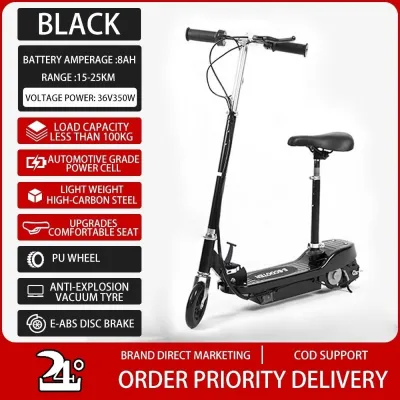
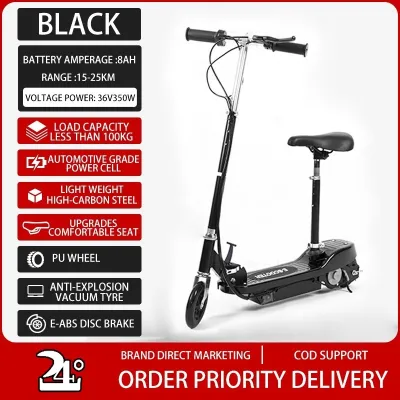
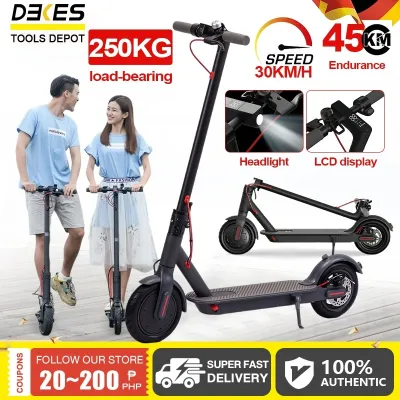
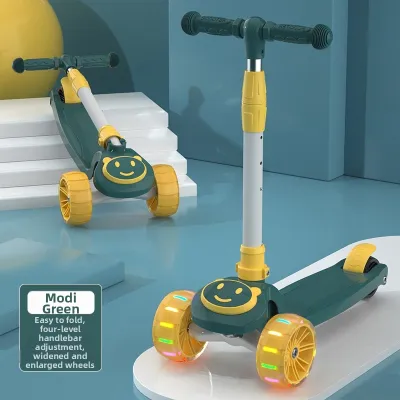
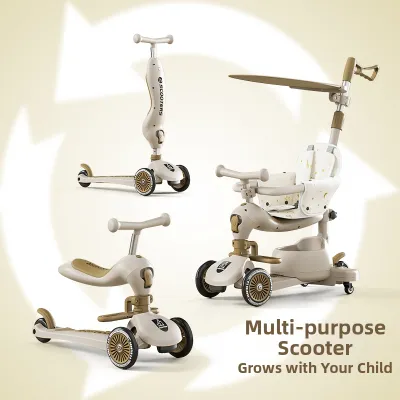
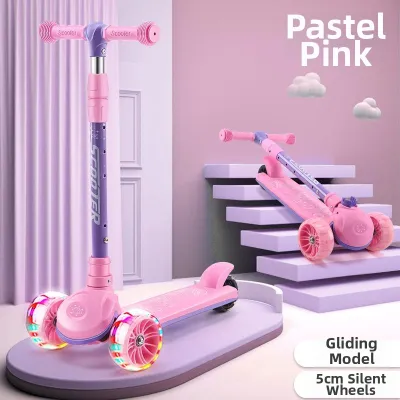
Prices are valid at publication and may change. Please refer to the product page for the latest price.
Storage and transport constraints also dictate which category is practical for your home and routine. You must consider whether you need to fold the scooter to fit inside a car trunk, carry it into an elevator, or bring it onto public transit. A heavy, non-folding model might offer excellent stability but can become a major obstacle if you live in a multi-story building without a spacious elevator.
Breakdown: The Three Main Types of Scooters With Seats
Understanding the structural and functional differences between the three primary scooter categories helps you establish a realistic baseline. Each type is engineered for a specific balance of portability, speed, battery range, and physical support. Choosing the right one requires accepting the inherent trade-offs of each design.

Mobility Scooters for Stability and Medical Support
Mobility scooters are designed specifically for individuals who require physical assistance, maximum stability, and ergonomic support. These vehicles typically feature a wide three-wheel or four-wheel wheelbase, tiller steering, and a comfortable, captain-style seat equipped with armrests. They prioritize steady, low-speed movement and physical safety over agility.
However, this high level of support comes with trade-offs in portability and speed. Mobility scooters are generally heavy, difficult to fold without disassembly, and unsuitable for fast-paced commuting on busy roads. Before purchasing, you should verify the manufacturer’s specified weight capacity, ground clearance, and turning radius to ensure the unit can navigate your specific indoor hallways or outdoor pathways.
Seated Electric Scooters for Daily Commuting
Seated electric scooters are built for efficient, medium-to-long distance urban travel and practical daily transit. Unlike modified stand-up models, these scooters feature integrated seating designed into the frame, offering a more stable and comfortable ride at higher commuting speeds. They are equipped with larger battery capacities to handle daily trips to the office or market.
While they offer excellent ride comfort, they present a middle ground in terms of portability. They are often heavier and bulkier than standard standing electric scooters, making them more challenging to carry up stairs or store in tight spaces. When evaluating these models, always check the structural integrity of the seat post and frame to ensure they can handle continuous commuting loads over local roads.
Kick Scooters With Attachable Chairs for Casual Rides
Kick scooters with attachable chairs offer a versatile and lightweight option for casual, short-distance recreation. This design allows you to switch between sitting and standing depending on your fatigue levels or personal preference. They are highly portable, often folding down into a compact shape that is easy to carry on public transit or store in a small closet.
The primary trade-off with attachable seats is structural rigidity and comfort. Because the seat is an add-on accessory rather than an integrated part of the frame, it may have lower weight limits and offer less cushioning. You should inspect the attachment mechanism carefully to ensure it secures tightly to the deck or stem without wobbling during your ride.
Decision Matrix: Matching Your Profile to the Right Category
To finalize your choice, you can map your daily routine and physical profile to the most appropriate scooter category. If you are an individual with limited mobility who needs a reliable aid for grocery shopping or navigating neighborhood streets safely, a dedicated mobility scooter is the correct choice. For a daily office commuter looking to bypass traffic jams on paved roads, an integrated seated e-scooter fits the bill. If you are a weekend rider wanting a flexible, lightweight option for park paths, a kick scooter with an attachable seat is ideal.
Before making a final decision, run through a practical checklist to verify that your choice aligns with your actual living conditions. Ensure you have a dedicated, dry storage space with access to a power outlet for charging if you choose an electric model. Compare the physical weight of the scooter against your ability to lift or push it when the battery is flat or when loading it into transport.
Remember that upgrading or downgrading between these categories should be based on verified safety and usability needs rather than appealing feature lists. Do not opt for a faster commuter scooter if your balance is compromised, and do not choose a heavy mobility scooter if you lack the means to transport it. Prioritizing your physical safety and daily environment will lead to a much more satisfying and useful purchase.
Safety, Local Rules, and Pre-Purchase Checks in the Philippines
Operating any scooter with a seat in the Philippines requires careful attention to local regulations and environmental conditions. You must check your specific barangay or city ordinances regarding where motorized personal mobility devices are permitted. Some local government units restrict electric scooters to designated bike lanes or barangay roads, prohibiting them from major national highways or pedestrian sidewalks.
The local climate and road conditions also demand specific equipment checks before you buy. Frequent heavy rains and uneven, potholed streets mean you should prioritize scooters with reliable braking systems, such as dual disc brakes, and adequate lighting for low-visibility tropical downpours. Opting for pneumatic tires rather than solid tires can provide better grip and shock absorption on wet, uneven asphalt.
Finally, always verify the warranty terms and the availability of replacement parts before committing to a purchase. Because tropical humidity and road vibration can accelerate wear on electrical components and joints, having access to authorized service centers is crucial. Confirm with official brand channels or reputable local retailers that spare batteries, tires, and brake pads are readily available in the local market.
Frequently Asked Questions (FAQ)
Can I add a seat to any standard kick scooter?
You should only add a seat to a standard kick scooter if the manufacturer has explicitly designed and approved an attachment for that specific model. Attempting to install a universal clamp-on seat to a standard stem or deck that lacks reinforced mounting points can compromise the structural integrity of the scooter. This modification can lead to sudden frame failure or loss of balance under the dynamic weight of a seated rider.
Do I need a license to ride a seated electric scooter?
Whether you need a license or registration depends on the motor wattage, top speed, and weight classification of your seated electric scooter as defined by local transport authorities. In the Philippines, the Land Transportation Office (LTO) updates guidelines periodically regarding personal mobility devices. You should consult the official LTO guidelines or your local traffic management office to verify if your specific model requires registration or a driver’s license before riding on public roads.

Community discussion
Share your experience or ask a question. Comments are reviewed before publication.