
Choosing the right vest for running depends entirely on your distance, the time of day you train, and the specific environment of your routes. Instead of buying a generic pack, you should match the vest’s primary function—whether that is carrying water, boosting low-light visibility, or blocking wind—to your actual running habits. In a tropical climate like the Philippines, where high humidity and sudden downpours are common, selecting a vest with the correct breathability and storage capacity is essential for staying comfortable and safe on the road or trail.
Assess Your Running Habits and Environment
Before purchasing any gear, take a close look at your weekly running routine. A runner training for a 5K around a well-lit neighborhood subdivision has vastly different equipment needs than someone preparing for a self-supported weekend trail run in the mountains. Start by tracking your average workout duration and intensity, as these factors dictate how much gear you need to carry.
Environmental conditions play a massive role in your decision. In tropical areas, running during the early morning or late evening is a popular way to beat the intense daytime heat, but these hours present visibility challenges. Alternatively, if you run on open roads shared with motorists, safety and visibility become your highest priorities, whereas remote trail runs demand self-sufficiency.
Products mentioned in this guide
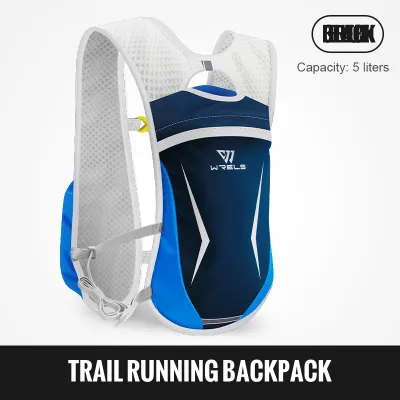
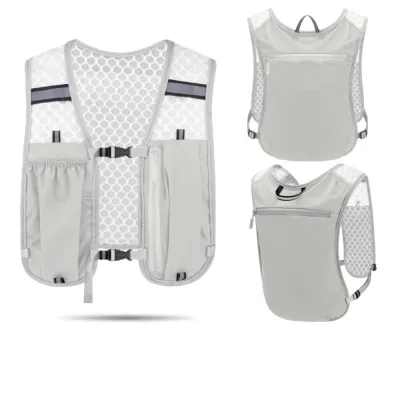
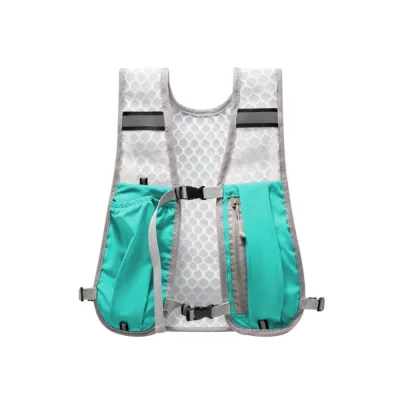
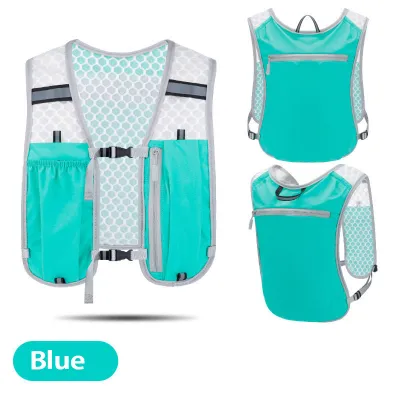
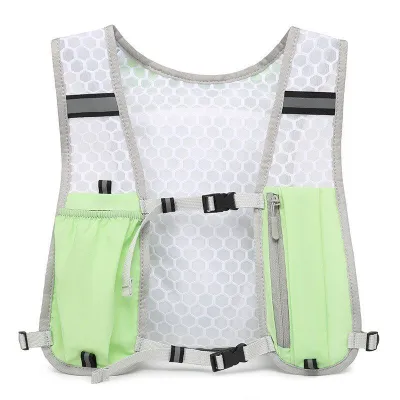
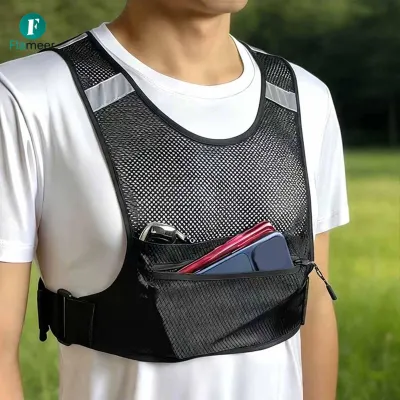
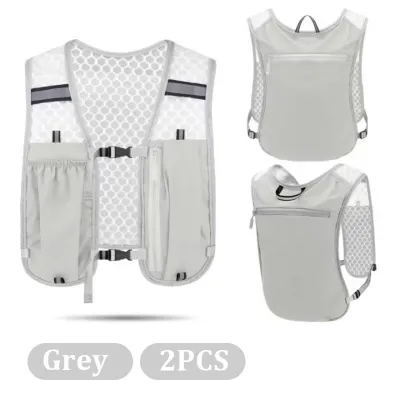
Prices are valid at publication and may change. Please refer to the product page for the latest price.
Finally, list the essential items you must carry on every run. If you only need to secure a smartphone, a house key, and an emergency ₱100 bill, a bulky pack will only add unnecessary weight and trap body heat. However, if your routes lack clean water sources or convenience stores, carrying adequate hydration and nutrition becomes non-negotiable.
Hydration Vests for Endurance and Trail Running
A hydration vest is designed specifically for long-distance efforts, trail running, and training sessions in hot weather. When you are running for over an hour in high humidity, dehydration can set in quickly, making a reliable water supply critical. These vests act like a wearable second skin, distributing the weight of your water evenly across your torso to minimize bouncing.

When evaluating hydration vests, check the fluid delivery system that best fits your style. Some designs utilize a large hydration bladder housed in a rear compartment with a drinking tube, while others feature front pockets designed for dual soft flasks. Front flasks are generally easier to refill quickly at water stations, while rear bladders offer larger total fluid capacities for remote routes.
Look closely at the storage layout and material specifications. The vest should feature accessible front pockets for energy gels, salt tablets, and your phone, allowing you to grab items without stopping. Ensure the fabric is a lightweight, moisture-wicking mesh to allow maximum airflow against your skin, which helps reduce heat buildup and skin irritation.
You can safely skip a heavy hydration vest if your runs are short or take place entirely in urban areas. If your route passes public parks with drinking fountains or local convenience stores where you can easily buy a drink, a simple handheld bottle or a running belt is often a much cooler and lighter alternative.
Reflective Safety Vests for Low-Light and Urban Running
If your schedule forces you to run before sunrise or after sunset, a reflective safety vest is an indispensable piece of gear. Urban roads and suburban streets often feature uneven sidewalks, dim streetlights, and distracted drivers. A dedicated high-visibility vest ensures that headlights and streetlights illuminate your presence from a distance, giving motorists ample time to react.
When shopping for a safety vest, look for bright fluorescent base colors like neon yellow, green, or orange, combined with retroreflective strips. The reflective material should be strategically placed on both the front and back of the vest to provide 360-degree visibility. Some modern safety vests also feature attachment points for small LED clip-on lights to add active illumination.
Breathability is a critical factor when wearing a safety vest over your standard running shirt. Choose minimalist designs made of open mesh or thin, adjustable straps rather than solid fabric vests. This open structure allows your sweat to evaporate naturally, preventing the vest from trapping heat and sticking to your wet skin during humid night runs.
You do not need a reflective safety vest if you run exclusively during broad daylight or on completely closed, well-lit pedestrian tracks. If your route is entirely free of motorized traffic and has excellent natural visibility, the added layer of a safety vest offers little practical benefit.
Lightweight Weather Vests for Variable Conditions
A lightweight weather vest, often called a wind vest or running gilet, is designed to protect your core from sudden weather shifts. These sleeveless shells are highly effective during windy coastal runs, early morning mountain trail sessions, or when a sudden light drizzle begins. By shielding your chest and torso from wind chill, they help maintain your core temperature without the bulk or overheating associated with a full jacket.
Key features to verify include the packability of the vest and its fabric treatment. Many high-quality weather vests can be folded down into their own integrated pocket, making them small enough to carry in one hand or tuck into a waistband if the weather clears. Look for wind-resistant fabrics that feature a light water-resistant coating to shed light rain while keeping the garment lightweight.
Ventilation is equally important to prevent the “sauna effect” inside the vest. Check for models that incorporate laser-cut perforation zones or breathable mesh panels along the back and underarms. This hybrid construction allows excess body heat and sweat vapor to escape from the rear while the solid front panel blocks incoming wind.
Skip the weather vest during hot, highly humid days where there is no wind chill. In tropical climates, wearing any wind-blocking layer when the ambient temperature is high will rapidly accelerate sweating and lead to overheating. If it rains during a warm run, it is often more comfortable to simply get wet rather than trapping your body heat inside a weather-resistant shell.
Decision Matrix: Matching Your Profile to the Right Gear
To help finalize your choice, consider how your primary running style aligns with these common profiles:
- The Urban Night Runner: Prioritize a minimalist, highly breathable reflective safety vest with 360-degree reflectivity.
- The Weekend Trail Explorer: Choose a dedicated hydration vest with front flask pockets and space for basic safety gear and nutrition.
- The Coastal or Mountain Runner: Opt for a packable, wind-resistant weather vest to shield your core from sudden temperature drops and wind.
If you participate in multiple types of runs but have a limited budget, prioritize the vest that addresses your most frequent challenge. For instance, if you run mostly at night but occasionally do longer weekend runs, a lightweight hydration vest with added reflective detailing can serve a dual purpose. However, if your activities are highly specialized, building a small gear rotation over time will keep you comfortable and safe across all conditions.
Before making any purchase on an online marketplace or at a local specialty store, always consult the manufacturer’s specific sizing chart. Running vests must fit snugly to perform correctly, and sizing often differs significantly from standard t-shirt sizes. Measuring your chest circumference while wearing your typical running attire will help you select the correct size.
Frequently Asked Questions (FAQ)
Can I use a hydration vest for short night runs?
Yes, you can use a hydration vest for short night runs, but you should consider the trade-offs in weight and heat retention. Wearing a structured pack, even when empty, traps more body heat against your back than a minimalist safety harness, which can be uncomfortable in humid conditions. Additionally, unless your hydration vest is specifically designed with extensive reflective striping, you will need to attach separate safety lights or reflective bands to ensure you remain visible to traffic.
How should a running vest fit to prevent chafing?
A running vest should fit snugly against your body without restricting your breathing or movement. When trying on a vest, adjust the side and chest straps so the pack sits high on your back and does not bounce when you jump in place. Ensure the chest straps allow your lungs to expand fully during deep inhalation, and check that the armholes do not rub against your underarms or inner arms. Testing the fit with full water flasks or a loaded bladder is essential, as water weight changes how the vest sits and moves against your skin.

Community discussion
Share your experience or ask a question. Comments are reviewed before publication.