
Choosing the right Victor badminton bag depends on balancing your racket count, extra gear, and how you travel to the court. For casual players commuting on a motorcycle or public transit, a compact backpack is often the most practical choice. For active club players carrying multiple rackets, shuttlecocks, and a change of clothes to combat tropical humidity, a dedicated rectangular or multi-compartment shoulder bag offers the necessary space and protection.
By matching your bag’s capacity and layout to your playing habits, you can keep your equipment organized and prevent premature wear on your rackets. A well-chosen bag not only secures your gear but also makes your journey to the sports center comfortable and hassle-free.
Assess Your Gear Load and Carrying Needs
Start by laying out all your gear on a table to visualize your actual carrying volume. Count your primary rackets, spare frames, tubes of shuttlecocks, replacement grips, and water bottles. In hot, humid climates, you must also account for a change of clothes, a towel, and toiletries, which quickly consume bag space.
Products mentioned in this guide
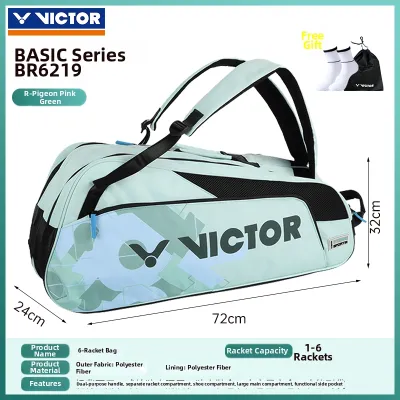
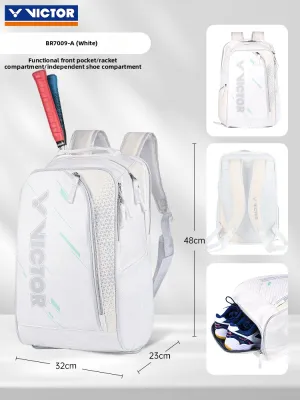
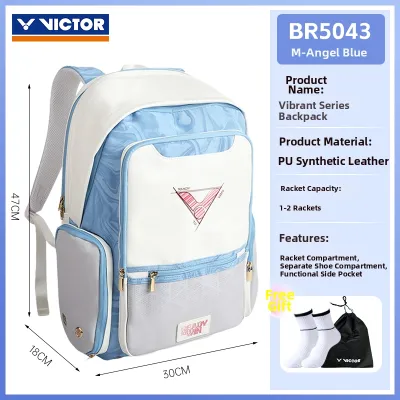
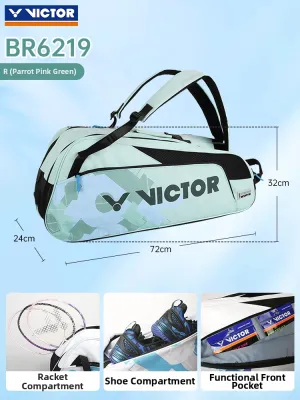
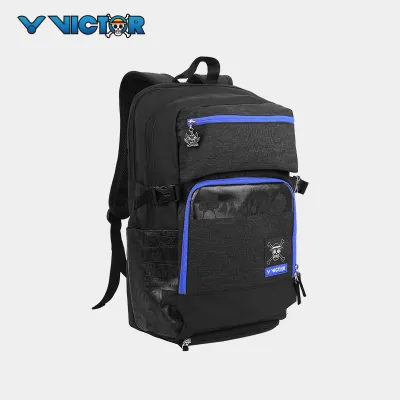
Prices are valid at publication and may change. Please refer to the product page for the latest price.
Next, consider your footwear. Storing court shoes directly with your rackets can transfer dirt and moisture to your grips and strings. Look for a bag that accommodates your shoe size without compressing the rest of your gear, keeping your clean items isolated.
Your daily commute dictates the bag’s physical format. If you travel by motorcycle, jeepney, or active transit, a backpack style keeps your hands free and balances the weight across both shoulders. If you travel by car or walk short distances to a dedicated sports complex, a classic rectangular shoulder bag or a spacious duffel provides easier access to your gear.
Finally, plan for future progression. If you currently play with one racket but plan to join local tournaments or regular training sessions, upgrading to a bag that holds three to six rackets prevents you from needing a replacement within a few months.
Match Bag Styles to Your Playing Frequency
Casual or weekly players who hit the court once a week generally benefit most from compact backpacks or single-strap sling bags. These designs typically hold one or two rackets securely, with just enough room for a water bottle, keys, and a wallet. They are lightweight, easy to store at home, and double as general-use daypacks when you are not playing.

Regular club players who play two to three times a week require mid-sized bags, often categorized as double-compartment bags. These models provide separate sections to keep your clean clothes away from sweaty gear. They also feature dedicated shoe compartments, which are essential for keeping court dust off your racket strings and grips.
Tournament players and high-frequency athletes who train almost daily need large-capacity rectangular or triple-compartment bags. These bags can hold up to nine or twelve rackets, multiple tubes of shuttlecocks, and extra apparel. They often feature advanced structural support to protect multiple high-tension rackets from clashing against each other during transit.
Choosing a bag that matches your frequency ensures you do not carry unnecessary bulk while still protecting your investment. A player who only hits the court occasionally will find a massive tournament bag cumbersome, while a competitive player will quickly run out of space in a basic backpack.
Key Features to Check Before You Buy
Racket protection is the primary job of any dedicated sports bag. When browsing Victor’s lineup, verify if the racket compartments feature padded dividers or thermal lining. Thermal insulation helps shield your racket frames and high-tension strings from extreme heat, which is particularly important when leaving your bag in a car trunk or traveling under the hot sun.
Ventilation and hygiene features prevent mold and odor buildup in humid environments. Check the product specifications for dedicated shoe compartments equipped with mesh ventilation panels or eyelets. This allows air to circulate, helping your court shoes dry out and keeping damp socks or shirts isolated from your clean gear.
Material durability determines how well the bag handles daily wear and tear. Look for heavy-duty polyester or polyurethane materials with water-resistant coatings to protect your gear from sudden downpours. Inspect the product images or specifications for reinforced stitching at the strap attachment points and robust, smooth-gliding zippers that can withstand frequent opening and closing.
Budget alignment is crucial when selecting your model. Basic backpacks and entry-level sling bags generally range from ₱1,500 to ₱3,000, offering essential storage for recreational players. Mid-range double-compartment bags typically cost between ₱3,000 and ₱5,500, providing dedicated shoe pockets and better organization. Premium tournament-grade bags with thermal lining and advanced materials can exceed ₱6,000, representing a long-term investment for competitive players.
How to Evaluate Fit and Comfort
Before finalizing your purchase, pay close attention to the bag’s ergonomics and strap design. Adjust the shoulder straps so the bag sits high and tight against your back, which distributes the weight evenly across your shoulders and hips. If the model includes a chest or sternum strap, fasten it to prevent the bag from shifting side-to-side while you walk or ride.
Test the bag’s comfort by simulating a realistic load. Fill the compartments with your rackets, shoes, and water bottle to see how the straps feel under weight. Check if the padding is thick enough to prevent the straps from digging into your shoulders, and ensure the back panel features breathable mesh to minimize sweat buildup.
Finally, verify the placement and comfort of the grab handles. A well-designed bag should have a sturdy top handle or dual carry handles that allow you to lift it easily from the ground, car seat, or court bench. The handles should feel comfortable in your hand, even when the bag is fully loaded with heavy gear.
Frequently Asked Questions (FAQ)
Can I use a regular backpack instead of a dedicated badminton bag?
While a standard school or laptop backpack can physically hold a racket, it lacks the specialized structural support required for badminton gear. Regular backpacks typically leave the racket handle sticking out, exposing the zipper to damage and leaving the grip vulnerable to dirt and moisture. Furthermore, standard backpacks do not offer thermal protection, which can lead to string tension loss or frame warping when exposed to high temperatures.
How many rackets should a beginner's bag hold?
Beginners generally only need a bag that holds one or two rackets. Carrying more than two frames is rarely necessary when you are first learning the game and playing recreationally. A compact backpack or a single-strap bag with a 2-racket capacity provides plenty of space for your starter gear while remaining lightweight and easy to carry to your local court.

Community discussion
Share your experience or ask a question. Comments are reviewed before publication.