
Selecting the right Wilson volleyball ball depends entirely on where you plan to play. A ball engineered for the polished hardwood of an indoor court will quickly deteriorate on a concrete neighborhood court, while a beach-optimized ball will feel slow and heavy in an indoor setting. Matching the ball’s design to your playing environment ensures consistent flight, optimal grip, and long-term durability.
How Court Surfaces Dictate Your Volleyball Choice
The physical environment of a volleyball game dictates every aspect of a ball’s performance, from its flight trajectory to how it bounces off a player’s forearms. In the Philippines, where playing conditions range from air-conditioned indoor arenas to humid outdoor concrete courts and breezy coastal beaches, environmental factors like humidity, temperature, and surface friction play a massive role. Each of these settings demands a specific combination of cover materials, panel construction, and internal pressure.
Surface friction is the first major differentiator. Smooth hardwood courts offer a predictable, clean contact area, allowing manufacturers to prioritize soft-touch materials and precise panel alignment. In contrast, outdoor concrete or asphalt surfaces are highly abrasive, requiring rugged outer shells that can withstand scraping without peeling.
Products mentioned in this guide
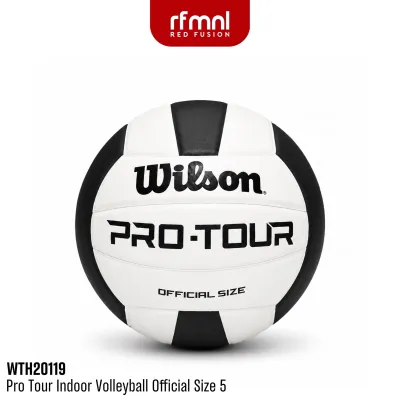
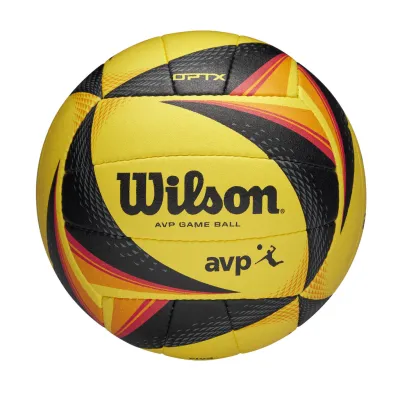
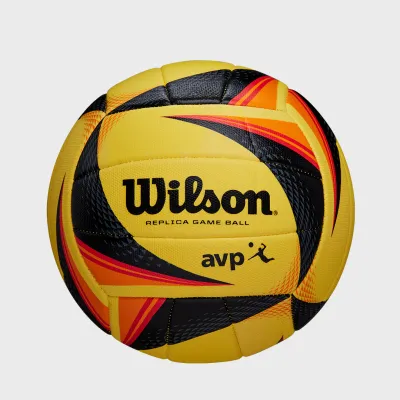
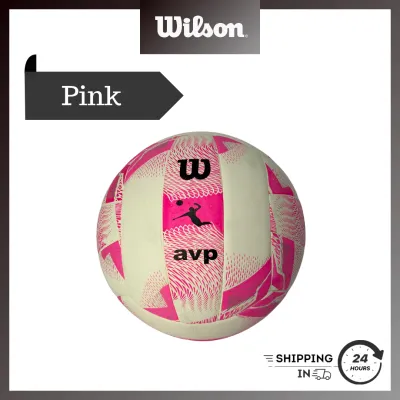
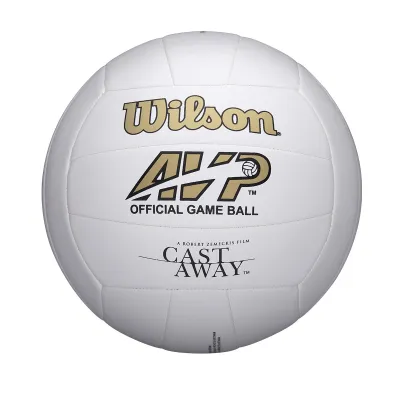
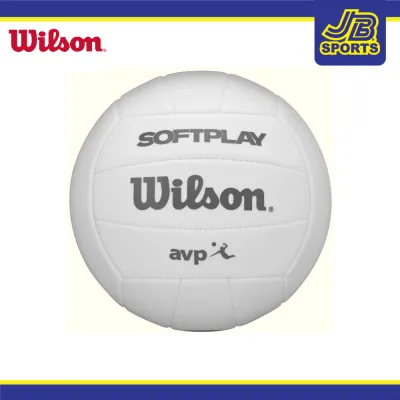
Prices are valid at publication and may change. Please refer to the product page for the latest price.
Moisture and temperature also heavily influence ball behavior. High tropical humidity can cause moisture-absorbent materials to grow heavy and slippery, altering the ball’s weight and flight. Sand presents its own challenges, as fine particles can work their way into stitched seams, causing structural wear and affecting the bladder’s air retention. Using a ball outside its intended environment not only ruins the playing experience but also leads to rapid wear and premature failure.
What to Look for in a Wilson Indoor Volleyball
Indoor volleyball is a game of high-speed attacks, precise sets, and rapid defensive reactions. To perform well under these conditions, a Wilson volleyball ball designed for indoor play focuses on maximum control, consistent aerodynamics, and a soft touch. These balls are engineered to interact predictably with hands and hardwood, allowing players to execute complex spin serves and clean sets.

The cover material is the most critical element of an indoor ball. Premium indoor models utilize high-grade synthetic composite leather or genuine leather. These materials provide a cushioned feel that absorbs impact, reducing sting on the arms during heavy spikes and digs. The panels are typically laminated or glued onto an inner bladder rather than stitched, creating a smoother surface that ensures a perfectly round shape and highly consistent flight paths.
When shopping, always check the product specifications for standard indoor dimensions. Official indoor balls generally feature a circumference of 65 to 67 centimeters and a weight of 260 to 280 grams. Look for explicit “Indoor” labels on the packaging, as well as any organizational approval stamps if you plan to play in competitive local leagues.
Keep in mind that these premium indoor materials are highly sensitive to external elements. They are not designed to handle the moisture of outdoor humidity, the abrasive texture of concrete, or the invasive nature of beach sand. Exposing an indoor ball to these harsh conditions will warp the outer panels and ruin the adhesive backing, destroying the ball’s balance.
Choosing a Wilson Volleyball Ball for Outdoor and Grass Courts
Outdoor play in the Philippines often takes place on grass parks, backyard lawns, or local concrete barangay courts. These environments demand an exceptionally durable Wilson volleyball ball that can survive rough impacts, uneven terrain, and unpredictable weather conditions without losing its shape or peeling apart.
For outdoor and grass play, look for balls featuring reinforced synthetic leather or heavy-duty polyurethane covers. Unlike indoor balls, outdoor models often use machine-stitched or hand-stitched panels rather than glue. This stitched construction provides superior structural integrity, preventing the panels from peeling back when the ball scrapes against rough concrete or asphalt surfaces.
Tracking a ball against the bright tropical sky, shifting clouds, or leafy park backgrounds can be challenging. To counter this, outdoor volleyballs frequently feature high-visibility colors, bold contrasting panels, and vibrant patterns. These designs make it much easier for players to track the ball’s spin and trajectory in variable outdoor lighting.
Before purchasing, verify that the manufacturer’s specifications explicitly rate the ball for outdoor or “all-surface” use. Outdoor balls are also designed to be inflated to a slightly higher pressure or feature firmer covers to ensure a lively bounce on softer surfaces like grass. Always check the recommended inflation pressure printed near the valve to maintain the ideal balance of bounce and durability.
Key Features of Wilson Beach and Sand Volleyballs
Beach volleyball is a distinct sport with its own set of rules, court dynamics, and environmental challenges. Playing on sand under windy coastal conditions requires a ball designed specifically to handle these unique elements, which is why Wilson beach volleyballs are engineered differently from both indoor and outdoor court balls.
A primary difference lies in the physical specifications. Beach volleyballs are slightly larger than indoor balls, measuring around 66 to 68 centimeters in circumference, but they are inflated to a lower internal pressure—typically between 2.5 and 3.2 psi. This lower pressure makes the ball softer to the touch and allows it to float more easily through the air, helping players control the ball despite strong coastal winds and shifting sands.
The materials used in beach volleyballs must be highly water-resistant and sand-repellent. Wilson utilizes specialized composite covers that do not absorb water, ensuring the ball does not become heavy and waterlogged during humid beach days or accidental splashes. Many beach models also feature textured or dimpled surfaces that help players maintain a secure grip even when the ball is covered in fine sand or sweat.
When selecting a beach ball, look for the explicit “Beach” or “Sand” designation on the cover. These balls typically feature an 18-panel stitched design, which distributes seam stress evenly and helps the ball maintain its roundness during high-impact sand plays. This specific panel configuration also aids in aerodynamic stability when cutting through ocean breezes.
Cross-Surface Compatibility: Can You Use One Ball Everywhere?
It is common for casual players to wonder if they can buy a single Wilson volleyball ball to use across all playing surfaces. While purchasing one versatile ball is highly appealing from a budget perspective, understanding the physical trade-offs is essential before making your decision.
Using an indoor ball on a concrete court or sandy beach is the fastest way to ruin your investment. The delicate composite leather and glued panels of an indoor ball will scuff, peel, and absorb moisture, quickly rendering the ball unusable. Conversely, using a beach volleyball on an indoor hardwood court is equally frustrating. The larger, lighter, and lower-pressure beach ball will feel sluggish, bounce unpredictably off hard floors, and fail to deliver the fast-paced action required for indoor training.
For casual players, families, or recreational groups who enjoy occasional games in the backyard, at the park, or on the street, a durable outdoor or “all-surface” synthetic ball is a practical compromise. These budget-friendly models are built to withstand rough surfaces and light moisture, making them highly versatile for multi-surface recreational play.
However, if you are a serious player, a student-athlete, or part of an organized league, investing in surface-specific balls is non-negotiable. Using the correct ball for your specific discipline ensures fair play, allows you to develop proper muscle memory, and protects your joints from the unexpected impacts of an incorrectly pressurized or improperly constructed ball.
Final Buying Checklist and Basic Maintenance Tips
Before finalizing your purchase of a Wilson volleyball ball, running through a quick verification checklist will ensure you get the perfect match for your playing needs. First, check the ball’s printed labels for its intended surface designation—Indoor, Outdoor, or Beach. Next, confirm that the size and weight match your age group and skill level, and verify that the cover material aligns with the abrasiveness of your primary court.
Once you have the right ball, practicing proper maintenance will significantly extend its lifespan, especially in a warm, humid climate. After every game, wipe the outer cover with a soft, damp cloth to remove sweat, dirt, sand, or grass stains. Avoid using harsh chemical cleaners, detergents, or abrasive brushes, as these can strip the protective coatings on synthetic and natural leathers. Always allow the ball to air dry naturally in a well-ventilated indoor space rather than exposing it to direct sunlight or artificial heat sources.
Proper storage is equally critical for preserving the ball’s shape and valve integrity. Store your volleyball in a cool, dry place away from direct sunlight, high heat, and extreme humidity, which can cause the internal bladder to expand or warp. If you plan to store the ball for an extended period, slightly deflate it to relieve tension on the seams and bladder. Always consult the specific manufacturer’s care instructions included with your Wilson volleyball to ensure you are following the best practices for your specific model.

Community discussion
Share your experience or ask a question. Comments are reviewed before publication.