
Choosing the right shelter is one of the most critical decisions for any outdoor enthusiast. When evaluating a Wolfnest tent, the best choice depends entirely on aligning your primary camping style—whether it is solo backpacking, family car camping, or weekend trail hiking—with the manufacturer’s official specifications for weight, capacity, and weather resistance. In the tropical climate of the Philippines, where high humidity, sudden torrential downpours, and warm coastal breezes are common, your choice must prioritize ventilation and reliable waterproofing. By systematically evaluating packed weight, floor dimensions, and material specifications, you can select a shelter that ensures safety and comfort on your outdoor journeys.
Identifying Your Core Camping Needs and Local Conditions
Before browsing specific tent models, you must define how you plan to transport your gear and the exact environmental conditions you will face. Trail hikers and backpackers must prioritize weight-carrying limits, as every additional gram impacts physical fatigue on steep, technical ascents. Conversely, basecamp and car campers can ignore strict weight limits in favor of interior volume, standing height, and comfort features that make extended stays more enjoyable. Understanding this distinction prevents you from carrying unnecessary weight on the trail or feeling cramped at a drive-in campsite.
The tropical climate of the Philippines introduces unique environmental challenges that directly affect tent performance and occupant safety. High relative humidity requires excellent airflow to prevent condensation from building up inside the canopy overnight, which can damp your sleeping gear. Frequent, sudden downpours demand robust waterproofing, while coastal campsites or exposed mountain ridges may expose your shelter to strong, sustained winds. You must match these conditions with appropriate tent designs that offer stable pole structures and highly breathable fabrics.
Products mentioned in this guide
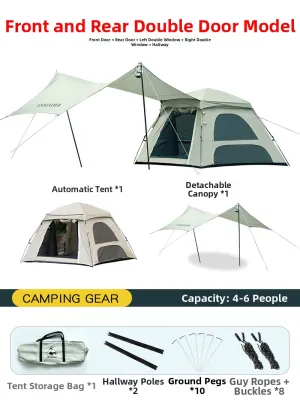
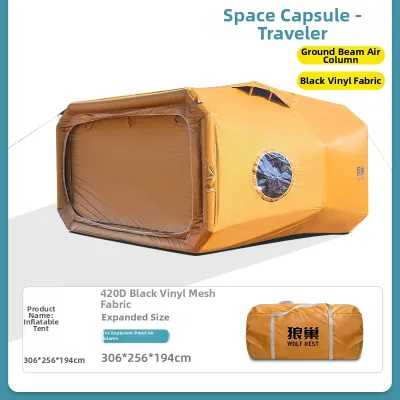
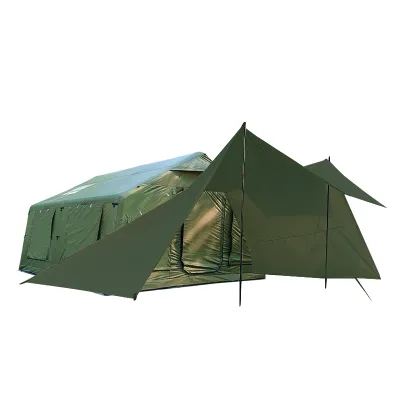
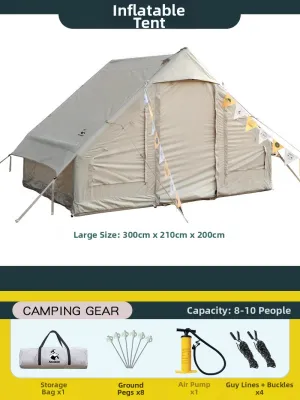
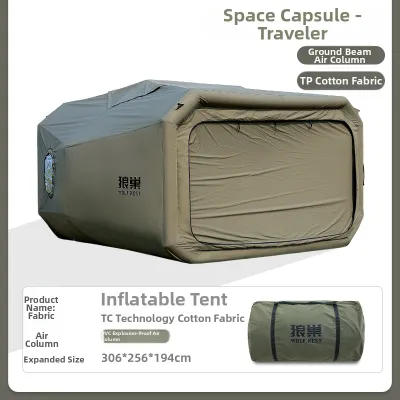
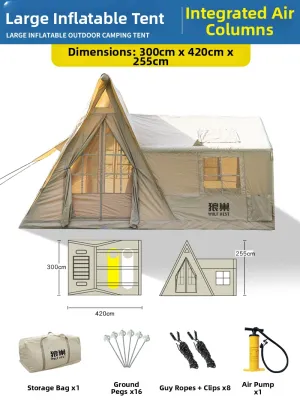
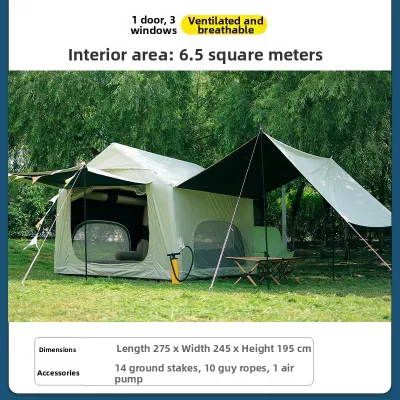
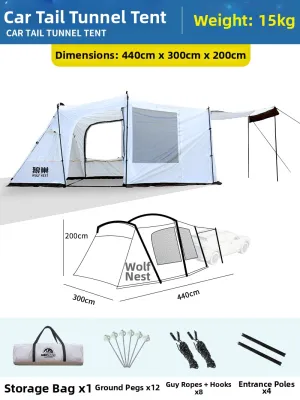
Prices are valid at publication and may change. Please refer to the product page for the latest price.
To navigate these conditions successfully, learn to locate and interpret seasonal ratings and capacity labels on official product pages. A standard three-season rating is typically designed to handle moderate rain, wind, and warm temperatures, making it highly suitable for most local environments. Capacity labels, such as two-person or four-person designations, indicate the maximum number of standard sleeping pads that can fit side-by-side. Always check the exact floor dimensions and compare them to your personal gear and body sizes to ensure a comfortable fit.
Evaluating Wolfnest Tents for Solo Backpacking
Solo backpacking demands a rigorous evaluation of a tent’s physical footprint and weight, as you will be carrying the entire shelter yourself. When reviewing a Wolfnest tent for solo trail trips, check the official product specifications for packed weight, trail weight, and folded dimensions. The packed weight includes all accessories, stakes, and carry bags, while the trail weight represents only the essential components needed to pitch the shelter. Ensure the folded dimensions align with the internal capacity of your multi-day backpack to maintain proper weight distribution.

Setting up a shelter alone in challenging weather requires an intuitive, manageable design that minimizes exposure time. Look for models featuring simple pole structures, such as single-hub aluminum systems, and quick-attach clipping mechanisms rather than tedious pole sleeves. These features allow a single camper to pitch the tent rapidly before a sudden tropical rainstorm begins or when dealing with gusty ridge winds. A fast setup reduces stress and keeps the inner tent dry during inclement weather.
Ventilation is critical for managing condensation during humid nights on elevated trails or near coastal areas. Examine the mesh-to-fabric ratio of the inner tent body on the manufacturer’s specification sheet. A high percentage of fine mesh promotes continuous airflow, allowing warm, moist air from your breath to escape rather than condensing on the inner walls of the rainfly. Verify that the rainfly includes adjustable vents that can be propped open even during heavy downpours to maintain airflow without letting water inside.
Selecting a Wolfnest Tent for Family Car Camping
When vehicle transport eliminates the physical burden of carrying your shelter, comfort and livability become your primary selection criteria. For family car camping, prioritize spacious Wolfnest models that offer generous floor dimensions and a high peak height. A tall peak height allows adult campers to stand upright or move comfortably without crouching, which significantly improves the overall camping experience during extended stays. Measure your family’s sleeping pads and gear bags to ensure the floor area can accommodate everyone comfortably.
Family dynamics and group organization benefit greatly from thoughtful interior layouts and access points. Look for tents that feature built-in partition options or room dividers to create private sleeping quarters or separate gear storage zones. Multiple doors are highly advantageous, allowing family members to enter and exit the tent without crawling over sleeping companions during the night. Additionally, check for interior storage pockets and gear lofts to keep small essentials like flashlights, phones, and insect repellent organized and off the floor.
Durability is another key factor when camping with children or setting up on rough, gravelly campsite surfaces. Check the fabric denier ratings of the tent floor; a higher denier indicates thicker, more puncture-resistant material. Additionally, verify the floor’s waterproofing specifications and consider using a compatible footprint or ground tarp to protect the tent base from damp soil and sharp debris. Investing in a durable floor material ensures the tent remains waterproof and functional over many seasons of family use.
Choosing a Wolfnest Tent for Weekend Trail Hiking
Weekend trail hiking with friends or partners requires a careful balance between portability and shared comfort. If you plan to split the weight of the tent components among multiple hikers, you can opt for a slightly larger model than you would carry solo. Compare official two-person and three-person capacity ratings against the actual physical dimensions of the occupants and the volume of gear you intend to store inside. Sharing a three-person tent among two hikers often provides the ideal balance of weight and comfort.
The choice between freestanding and semi-freestanding designs depends heavily on the terrain of your chosen campsite. Freestanding tents use a self-supporting pole structure that can be pitched on hard-packed dirt, wooden platforms, or rocky ground without requiring stakes to remain upright. Semi-freestanding models require specific points to be staked out to achieve full volume, which may be challenging on extremely hard or sandy surfaces. Evaluate the typical ground conditions of your favorite hiking destinations before deciding on a pole configuration.
Do not overlook the utility of vestibule space when evaluating weekend hiking tents. Vestibules are covered areas created by the extended rainfly outside the main inner tent doors. Check the official vestibule area specifications to ensure there is sufficient space to store muddy hiking boots, wet rain gear, and cooking equipment safely protected from the elements. Keeping these items outside the main sleeping area maximizes internal space and prevents dirt and moisture from ruining your sleeping bags.
Cross-Scenario Compatibility and Pre-Purchase Verifications
Attempting to find a single tent that excels at both solo backpacking and family car camping involves significant trade-offs. Ultralight materials designed for backpacking are highly packable but tend to be thinner and require more delicate handling. Using an ultralight tent for frequent family car camping on rough terrain may accelerate wear and tear, while a heavy car camping tent is impractical for long trail hikes. Assess your primary camping style and decide if a specialized shelter is necessary for your safety and comfort.
Before finalizing your purchase, perform essential pre-purchase verifications to protect your investment. Check the warranty terms and return policies offered by official brand stores or authorized online retailers. Ensure that the seller provides clear channels for customer support in case you receive a product with manufacturing defects or missing components. Purchasing from reputable sources ensures you receive authentic gear that meets the manufacturer’s stated specifications.
If you encounter conflicting product specifications on retail listings, or if the official documentation does not clearly cover your intended environmental conditions, stop and consult the manufacturer directly. Do not rely on unverified third-party reviews for critical safety gear. A qualified outdoor professional or the official brand support team can clarify material limits, wind tolerances, and correct setup procedures to ensure your safety on the trail. Equipment cannot replace proper training and sound judgment in the outdoors.
Frequently Asked Questions (FAQ)
Can I use a lightweight backpacking tent for family car camping?
Yes, you can use a lightweight backpacking tent for car camping, but you will face trade-offs in comfort and durability. Backpacking tents typically have lower peak heights and smaller floor areas, which limits standing room and overall livability for families. Additionally, the thin, lightweight fabrics are more susceptible to wear from frequent use on rough campsite surfaces, so you should check the manufacturer’s guidelines and use a protective footprint.
How do I verify the waterproof rating of a Wolfnest tent before buying?
To verify the waterproof rating, check the official product specifications for the hydrostatic head measurement, which is typically listed in millimeters. Look for explicit mentions of factory-taped seams and polyurethane coatings on the rainfly and floor. If these specifications are missing or unclear on the retail page, contact the seller or the manufacturer directly to confirm the details before purchasing.

Community discussion
Share your experience or ask a question. Comments are reviewed before publication.