
Choosing the right Xiaomi walking pad depends primarily on your daily activity goals, available floor space, and how you plan to integrate movement into your routine. If your main objective is to accumulate casual steps while working at a standing desk, a flat, under-desk model offers a compact and highly portable solution. Conversely, if you require higher speeds for light jogging or need physical handrails for balance and stability, a foldable model with an integrated handrail is the more appropriate choice. Because these fitness devices vary in motor power, weight limits, and structural designs, verifying the official manufacturer specifications and checking for local warranty support in the Philippines is essential before making your purchase. By matching your specific household space and physical requirements to the correct design type, you can ensure a safe, durable, and effective home workout setup.
Understanding Xiaomi Walking Pad Design Types
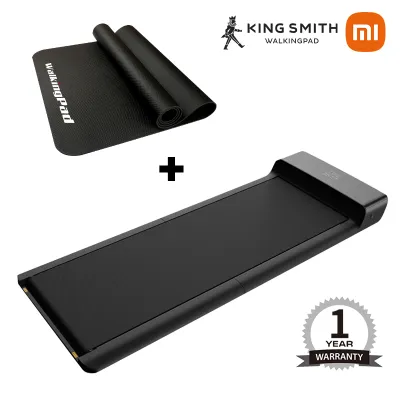
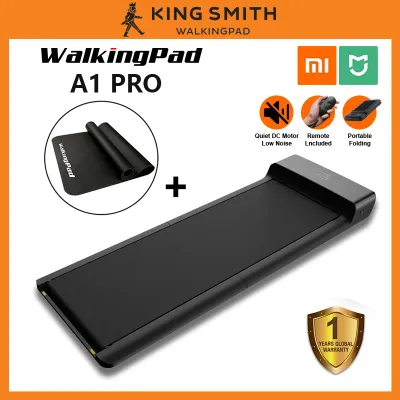
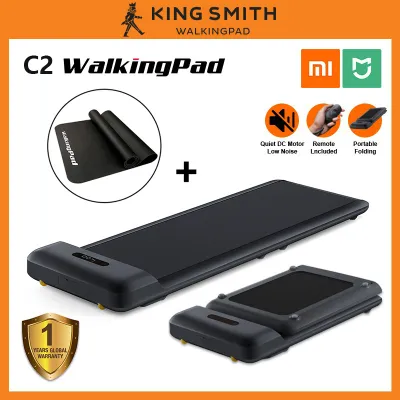
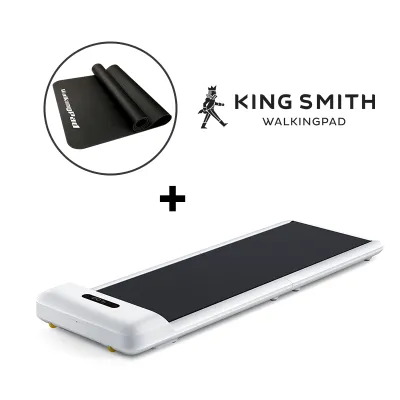
Xiaomi walking pads generally fall into two primary design categories: flat, under-desk models and foldable models equipped with physical handrails. Flat under-desk models are engineered specifically for low-speed walking, making them ideal companions for height-adjustable desks in home offices. These units lack upright frames, allowing them to slide completely out of sight under a bed or sofa when not in use. However, because they lack physical handrails, they are typically restricted to lower maximum speeds to prevent falls and ensure user safety during multitasking.
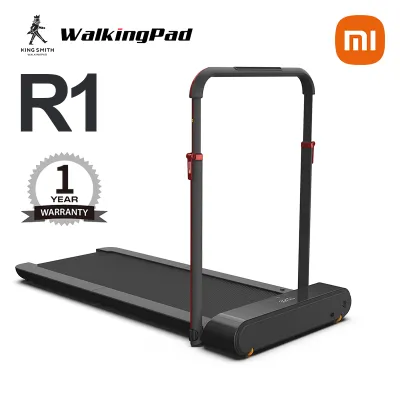
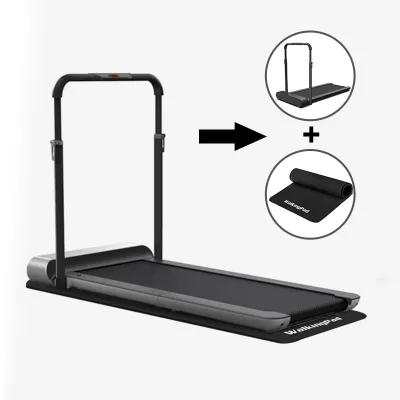
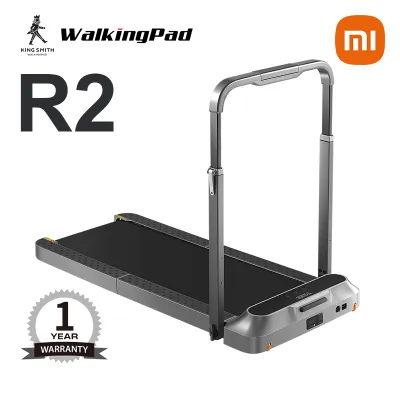
Foldable models with integrated handrails offer a more versatile fitness experience, bridging the gap between a traditional treadmill and a compact walking pad. The inclusion of a folding handrail provides essential balance support, which is particularly beneficial for older adults, individuals recovering from injuries, or anyone engaging in faster walking paces. When the handrail is raised, many of these models unlock higher speed settings, allowing for brisk walking or light jogging. The trade-off for this added stability and speed is a slightly larger storage footprint and a heavier overall unit weight, which may require more effort to move and store daily.
Products mentioned in this guide
![Xiaomi Kingsmith Walkingpad R2 Foldable Treadmill [ International Edition Exclusive Distribution Brushless Motor CE Certified Running Walking 1.25hp 12km/h Low Noise 110kg Load Capacity LED Display APP Control Remote Control Home Gym ]](https://img.lazcdn.com/g/p/a6ceb707a445e9ca0f3cd948962e282c.jpg_400x400q80.jpg_.webp)
Prices are valid at publication and may change. Please refer to the product page for the latest price.
When evaluating these design types, it is crucial to review the manufacturer’s stated intended use and safety guidelines. Some flat models are strictly rated for walking and may experience motor strain or premature wear if subjected to running speeds. Additionally, operating a walking pad without a handrail at high speeds poses safety risks that can void warranties or lead to accidents. Always verify the specific safety warnings associated with each design to ensure your intended workout style aligns with the machine’s structural capabilities.
Key Specifications to Compare for Your Fitness Needs
To select a walking pad that supports your fitness journey over the long term, you must carefully compare several key technical specifications against your physical profile and workout goals. The first metric to examine is the motor type and output. Walking pads typically feature either brushed or brushless motors. Brushless motors are generally preferred for home environments because they operate with less friction, generate less heat under tropical conditions, and produce significantly less operational noise. You should verify the maximum speed range of the model; casual strolling usually requires speeds up to 6 km/h, while light jogging or power walking requires a machine that can reach speeds of 10 km/h or higher.

Another critical specification is the maximum user weight capacity. Because compact walking pads utilize streamlined frames to remain lightweight, their structural weight limits are often lower than those of commercial gym treadmills. Operating a machine close to or exceeding its rated weight capacity can overload the motor, cause the walking belt to slip, and accelerate mechanical wear. It is advisable to choose a model with a weight capacity that offers a comfortable safety margin above your actual body weight.
The dimensions of the running belt—specifically its width and length—directly impact your comfort and safety during exercise. A belt that is too narrow or short can restrict your natural stride, forcing you to constantly monitor your foot placement to avoid stepping off the moving surface. Taller users or those with longer strides should look for models with extended belt lengths to ensure they can walk naturally without hitting the front motor cover or falling off the rear roller.
Finally, consider the shock absorption system and noise levels, which are vital for maintaining a peaceful household, especially in multi-story apartments or shared living spaces. Look for multi-layered running belts and integrated cushioning pads that absorb the impact of each step. This not only protects your joints from repetitive stress but also dampens the vibrations transmitted through the floor. Checking user reviews or manufacturer decibel ratings can help you verify that the machine operates quietly enough to avoid disturbing family members or neighbors during early morning or late-night sessions.
Evaluating Space and Storage Requirements
One of the primary appeals of a compact walking pad is its ability to fit into limited living spaces, but this convenience depends entirely on accurate measurements and realistic storage planning. Before purchasing, you must evaluate both the folded dimensions for storage and the actual footprint required during operation. While a walking pad may look small in promotional images, it requires a flat, clear area of floor space when unfolded. For safety reasons, you must also account for clearance zones around the machine—specifically behind the belt—to ensure you can safely dismount in an emergency.
Mobility features play a significant role in how often you will actually use the equipment. Most models feature built-in transport wheels at the front of the frame, allowing you to tilt the machine and roll it into place. However, the ease of this process depends on the unit’s total weight and your physical strength. If you plan to store the walking pad vertically behind a door or inside a closet, verify whether the model is designed to stand upright independently or if it requires wall support.
To avoid storage frustration, measure your designated workout area and the specific storage gaps in your home before finalizing your decision. Check the clearance height under your sofa or bed frame and compare it to the folded thickness of the walking pad. Additionally, consider the floor surface where you will store and use the machine; dragging a heavy fitness device across delicate wooden floors or high-pile rugs without proper care can cause scratches or damage to both the floor and the walking pad’s wheels.
Budget and Value Considerations
When budgeting for a walking pad, understanding how price tiers correspond to build quality and features will help you make a cost-effective choice. Entry-level models, priced at lower points in ₱, typically offer basic walking speeds, brushed motors, and simpler LED displays. As you move into mid-range and premium price tiers in ₱, you will find upgrades such as durable aluminum alloy frames, brushless motors with longer lifespans, advanced shock absorption, and smart app connectivity that tracks your workout metrics over time. Investing in a higher-tier model often translates to better long-term durability and a smoother, quieter walking experience.
In the Philippines, the value of your investment is heavily tied to local warranty terms and after-sales support. Because fitness equipment consists of complex mechanical and electronic components, having access to authorized service centers is crucial. Before purchasing, verify whether the seller offers an official local warranty or if they are an unauthorized importer. Official warranties typically cover motor and frame defects for a specified period, providing peace of mind and access to genuine replacement parts if repairs are needed.
Be cautious when browsing online marketplaces and ecommerce platforms, as unauthorized third-party listings may offer lower upfront prices but lack reliable customer service or warranty coverage. Purchasing from official brand stores or authorized local distributors ensures that you receive a genuine product designed for the local electrical voltage standards. It also guarantees that you have a clear path for returns or technical support if the machine arrives with shipping damage or experiences operational issues early on.
Decision Framework: Matching the Model to Your Lifestyle
To simplify your decision, you can use a straightforward framework that matches specific walking pad designs to your daily lifestyle and household environment. If your primary goal is to combat a sedentary lifestyle by accumulating casual steps while working, an under-desk model is the most practical choice. These flat, lightweight machines are easy to slide under a standing desk, require minimal storage space, and are optimized for low-speed, low-distraction walking that allows you to focus on typing, reading, or attending virtual meetings.
If your household includes multiple users with varying fitness levels, or if you want the flexibility to transition from a casual walk to a brisk cardio workout, a foldable model with a handrail is the superior option. The physical handrail provides essential stability for family members who may have balance concerns, while the higher speed limits allow active users to engage in light jogging. This design serves as a versatile, space-saving alternative to a traditional treadmill, making it ideal for dedicated home gym setups or living rooms where the equipment can be folded and stored after use.
Regardless of the model you choose, you must evaluate your floor surface before your first workout. Placing a walking pad directly on hard tile, vinyl, or wooden floors can lead to slipping, increased vibration noise, and potential floor damage. It is highly recommended to verify if your setup requires a high-density equipment mat. A dedicated mat not only protects your floors from scratches and sweat but also dampens operational noise and prevents the walking pad from shifting during use, which helps maintain proper belt alignment over time.
Frequently Asked Questions (FAQ)
Do Xiaomi walking pads require assembly?
Most flat, under-desk walking pads are designed for out-of-the-box use and arrive fully assembled, requiring you only to unfold the frame and plug it into a grounded power outlet. However, models featuring foldable handrails or advanced console attachments may require basic tool assembly to secure the upright bars and safety keys. Before your first workout, it is essential to consult the product manual to perform a belt alignment check and verify that the tension is adjusted correctly. Taking a few minutes to inspect the bolts and lubricate the running belt according to the manufacturer’s instructions ensures smooth operation and prevents premature wear on the motor.
Can I use a walking pad on carpet or uneven floors?
Operating a walking pad on a soft carpet or an uneven floor surface is not recommended, as it can restrict airflow underneath the machine, leading to motor overheating and potential electrical damage. Uneven surfaces also cause the frame to flex, which leads to belt misalignment, uneven wear, and increased operational noise. To ensure safety and protect your equipment, always place the walking pad on a flat, stable, and hard floor. If you must use the machine in a carpeted room, place a thick, high-density fitness mat underneath the unit to create a stable foundation, prevent carpet fibers from entering the motor housing, and reduce vibration transfer.

Community discussion
Share your experience or ask a question. Comments are reviewed before publication.