
Finding the right badminton racket is not about buying the most expensive model on the shelf; it is about matching the equipment’s physical properties to your physical capabilities and tactical role. The Yonex Nanoflare series is engineered specifically for players who prioritize speed, rapid defensive reactions, and swift mid-court transitions. To select the ideal model from this lineup, you must evaluate your swing speed, your typical positioning on the court, and how much physical support you need from the racket’s shaft to generate depth on your clears.
Identify Your Badminton Playing Style and Skill Level
Your journey to the right racket begins with an honest self-assessment of how you play and where you spend most of your time on the court. In doubles play, the game moves at an incredibly fast pace, dominated by flat drives, quick net interceptions, and rapid defensive blocks. If you are primarily a doubles player who thrives in the front-court or mid-court, your racket must be capable of changing directions in a fraction of a second. Conversely, singles play demands extensive court coverage, where consistent, deep clears and precise drops are essential for survival. A singles player needs a racket that helps sustain long rallies without causing premature shoulder fatigue.
Your offensive and defensive tendencies also dictate your equipment needs. If your style relies on fast, deceptive drives and quick defensive counters to turn rallies around, you require a highly maneuverable frame. If you rely heavily on steep, powerful smashes from the rear court, you must recognize that a speed-oriented racket will require more physical effort and precise timing from your wrist and forearm to produce the same downward force as a head-heavy alternative.
Products mentioned in this guide
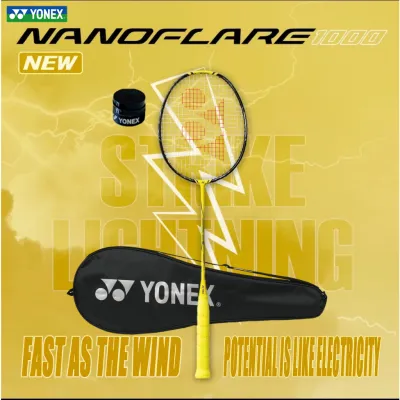
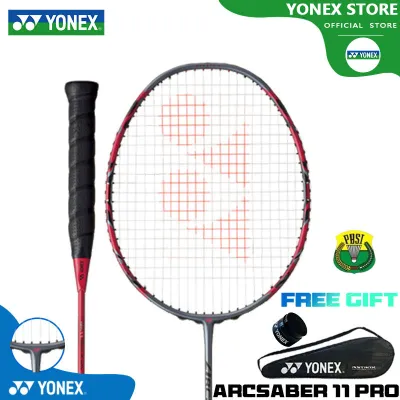
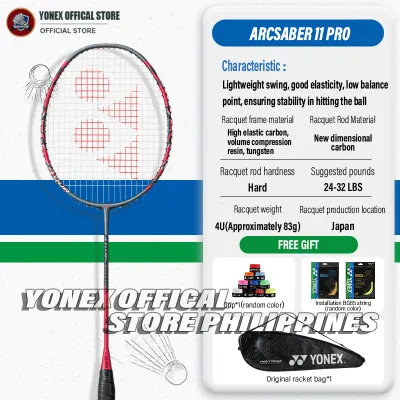
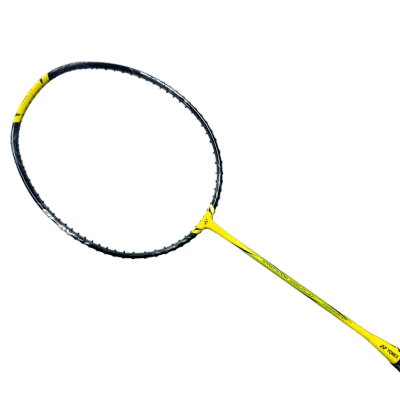
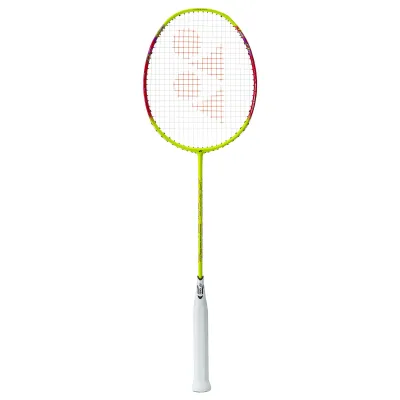
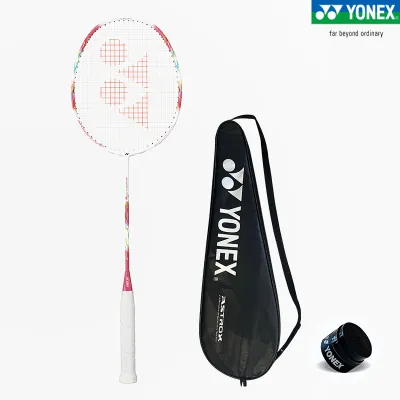
Prices are valid at publication and may change. Please refer to the product page for the latest price.
Finally, evaluate your physical conditioning, wrist strength, and swing speed. Players with highly developed wrist technique and fast swing speeds can effectively utilize stiffer shafts to achieve pinpoint control. If you are a beginner or intermediate player, or if you play in hot, humid indoor halls that sap your energy quickly, a more flexible shaft can assist in generating depth with less physical strain. Matching the racket to your current physical limits prevents injury and ensures you can maintain your performance throughout multi-game sessions.
Understand the Core Design of the Yonex Nanoflare Series
The Yonex Nanoflare series is defined by its head-light balance, a design philosophy that concentrates the relative weight of the racket closer to the handle rather than the head. This engineering choice significantly reduces the swing weight, allowing you to maneuver the racket through the air with minimal resistance. When defending a smash or engaging in a rapid drive exchange, a head-light frame helps you position the racket face quickly, giving you a distinct advantage in fast-paced rallies.

Unlike head-heavy rackets designed to maximize momentum for heavy smashes, the Nanoflare series prioritizes aerodynamic efficiency and rapid recovery. The frames are constructed to slice through the air quickly, which enhances your reaction time at the net and allows for sudden changes of shot direction. This focus on speed does not mean you cannot smash effectively, but it does mean the power is generated primarily through your swing speed and clean technique rather than the physical weight of the racket head.
This design philosophy makes the series highly appealing to defensive specialists, front-court playmakers, and players who prefer a fast, tactical style of play. It is also exceptionally well-suited for intermediate players who find head-heavy rackets too taxing on their shoulders and wrists during extended play. By choosing a head-light design, you are prioritizing control, speed, and defensive agility over raw, unassisted power.
Match Racket Specifications to Your Court Role
Once you understand the general philosophy of the series, you must look closely at the specific numbers and letters printed on the racket cone and shaft. Weight classes are designated by a number followed by a “U”. A 3U racket (typically 85 to 89 grams) offers more stability and built-in momentum, making it suitable for players with strong shoulders who want a bit more punch in their shots. A 4U racket (typically 80 to 84 grams) is the highly versatile standard for most club players, offering an excellent balance of speed and control. If you prioritize maximum speed at the net or want to minimize arm fatigue during long sessions in humid conditions, a 5U racket (under 80 grams) provides effortless handling.
Shaft stiffness is another critical variable that you must verify on the manufacturer’s label. Stiff shafts do not bend easily during the swing, which offers incredible control and rapid energy transfer, but only if you have the quick swing speed and wrist strength to flex the shaft yourself. If your technique is still developing, a medium or flexible shaft will bend more easily during your swing, acting like a spring to help propel the shuttlecock deep into the opponent’s court with less physical effort.
You must also align the grip size—usually designated as G5 (standard) or G6 (smaller)—with your hand size, and select an appropriate string tension. In the Philippines, where high humidity can cause strings to lose tension more rapidly, choosing the right initial tension is crucial. Beginners should generally stick to lower tensions between 20 and 24 lbs, which provides a larger sweet spot and more depth. Advanced players often opt for 26 lbs or higher for precise control, though this requires a more accurate strike. When budgeting for your gear, remember to factor in local restringing costs, which typically range from ₱300 to ₱800 for quality strings and professional labor at local sports shops.
Verify Your Choice Through Testing and Inspection
Before finalizing your purchase at a local retailer or an authorized online marketplace, you should perform a series of physical and on-court checks. Begin by inspecting the racket’s structural integrity. Examine the frame closely for any hairline cracks, uneven paint, or loose grommets. Hold the racket by the handle and gently flex the shaft to feel its resistance, and check that the grip feels secure and comfortable in your hand without any slipping.
If you have the opportunity to test the racket on the court, focus on specific shots rather than just hitting hard smashes. Start with defensive clears from the baseline to see how much effort is required to send the shuttlecock to the opposite backline. Next, engage in fast mid-court drive rallies with a partner; this is where a head-light racket should shine, allowing you to transition from forehand to backhand defense effortlessly. Finally, test your net play by executing tight drops and net kills to evaluate the racket’s stability and touch.
Pay close attention to how your arm feels during and after these tests. If you experience excessive vibration traveling up your arm, or if you feel a dull ache in your elbow or shoulder, the racket shaft may be too stiff or the overall weight may be incorrect for your current physical conditioning. If you notice a persistent lack of depth on your clears despite using proper technique, it is a clear sign that you need a more flexible shaft. Do not hesitate to stop testing and consult a qualified coach or a certified stringer to adjust your specifications before committing to a purchase.
Frequently Asked Questions (FAQ)
Is a head-light racket suitable for aggressive singles players?
Yes, a head-light racket can be highly effective for aggressive singles players, provided they adapt their technique. While it does not offer the heavy downward momentum of a head-heavy frame for raw smash power, it allows you to recover quickly after a shot and cover the court more efficiently. Aggressive singles players who rely on fast drop shots, deceptive net play, and rapid cross-court drives will find that the increased maneuverability helps them dictate the pace of the rally. However, you may need to use more wrist snap and body rotation to generate deep clears from the rear court.
How often should I restring my Nanoflare racket?
As a general rule, you should restring your racket as many times a year as you play per week. For example, if you play twice a week, plan to restring at least twice a year. However, you should also monitor visual and tactile signs of wear, such as frayed string fibers, shifting strings that do not return to their original position, or a dull, hollow sound upon impact. In humid tropical climates, strings tend to lose tension faster even if they do not break, which can severely reduce your control and power. If you notice your shots consistently falling short or feeling mushy, it is time to visit a local stringer.

Community discussion
Share your experience or ask a question. Comments are reviewed before publication.